
Table of Contents
Starting your import business can be challenging, especially when you’re unsure about licensing and compliance. Many new importers struggle with documentation, permits, and customs approval. This complete guide from VELOTACTICS LOGISTICS explains how to meet US import license requirements and avoid costly delays with simple, actionable steps for 2025.
Why Understanding US Import License Requirements Matters
Every importer must comply with U.S. Customs and Border Protection (CBP) and relevant agencies. Failing to meet licensing rules can lead to shipment holds, fines, or even cargo confiscation. However, by learning how licenses work, you can prevent these issues and ensure smooth customs clearance.
Not all imports require a license—only specific categories such as food, pharmaceuticals, firearms, or hazardous materials. Recognizing these distinctions early helps avoid disruptions later.
👉 Find out how we can streamline your logistics today → Send Inquiry
What Is An Import License And Who Needs One
A US import license is an authorization to bring regulated goods into the country. It’s issued by federal agencies responsible for specific product categories.
| Category | Issuing Authority | Example Products |
|---|---|---|
| Food & Beverages | FDA (Food and Drug Administration) | Snacks, supplements, drinks |
| Agricultural Products | USDA (Department of Agriculture) | Seeds, fertilizers, plants |
| Textiles & Apparel | CBP / Department of Commerce | Clothing, fabrics |
| Chemicals | EPA (Environmental Protection Agency) | Cleaning or industrial chemicals |
| Firearms | ATF (Bureau of Alcohol, Tobacco, Firearms) | Guns, ammunition |
| Medical Equipment | FDA | Masks, diagnostic tools |
Most products—like electronics, toys, and furniture—do not need a license, but they must still follow CBP regulations and labeling requirements.
How To Check If Your Product Needs An Import License
Start by identifying your product’s HS (Harmonized System) code. This classification determines duties, restrictions, and whether your product requires licensing. You can verify this using the U.S. International Trade Commission’s (USITC) database or by consulting a licensed Customs Brokerage.
If your product falls under regulated categories, apply for the proper license before shipment to prevent customs delays.
Key Documents Required For Licensed Imports
Whether or not your cargo requires a license, accurate documentation ensures fast clearance.
| Document | Purpose |
|---|---|
| Commercial Invoice | Declares goods’ value and details |
| Packing List | Lists contents and quantity |
| Bill of Lading / Air Waybill | Proof of shipment |
| Import Declaration | Filed with CBP |
| License or Permit (if required) | Authorizes regulated goods |
| Certificate of Origin | Confirms manufacturing country |
Each document must be consistent across forms. Minor errors can trigger customs inspections or rejections.
How To Apply For A US Import License
- Identify the responsible agency – Determine which department regulates your product.
- Prepare required documentation – Include test reports or compliance certificates.
- Submit your application online – Most agencies accept electronic applications.
- Wait for approval – Processing usually takes 1–6 weeks depending on the product.
- Provide license details to your freight forwarder – The license number must appear in customs entries.
Working with an experienced Import Service provider ensures accuracy and efficiency in all steps.
Shipping Options For Licensed Imports
| Shipping Method | Average Transit Time | Best For | Notes |
|---|---|---|---|
| Sea Freight | 25–35 days | Bulk or regulated cargo | Ideal for larger shipments |
| Air Freight | 5–10 days | High-value goods | Faster but more expensive |
| Express Courier | 3–7 days | Small packages | Quickest, limited by size |
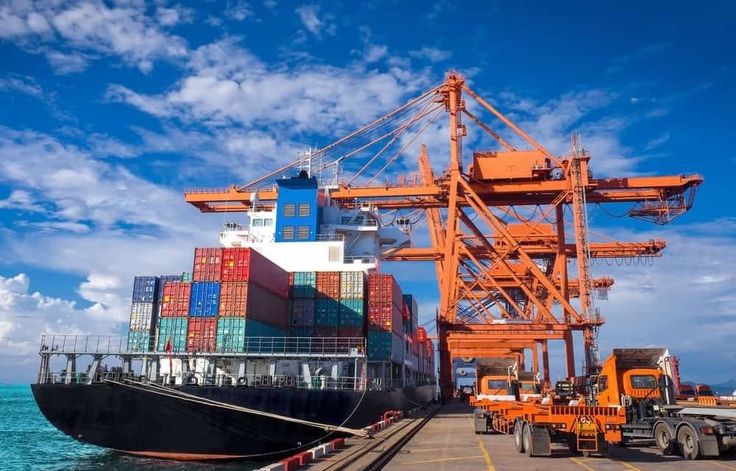
For regulated cargo, sea freight is usually preferred due to easier coordination with inspection and documentation.
How Customs Clearance Works For Licensed Imports
When goods arrive, CBP coordinates with other agencies such as FDA, USDA, or EPA. You’ll need to provide:
- Valid import license or permit number
- Accurate HS code and product description
- Supporting compliance documents
If all paperwork is correct, clearance takes 1–3 days. Missing information can extend processing up to several weeks.
👉 Find out how we can streamline your logistics today → Send Inquiry
Case Study – Avoiding Delays With Proper Licensing
A New York importer brought in cosmetics from Shanghai without realizing FDA approval was required. The shipment was held for 20 days, resulting in storage costs and missed sales. After switching to VELOTACTICS LOGISTICS, our team handled the FDA registration and license coordination—subsequent shipments cleared in just 48 hours.
The lesson: correct licensing and customs preparation save both time and money.
Common Mistakes To Avoid With Import Licenses
- Assuming every item needs a license – Most don’t, but regulated items do.
- Using wrong HS codes – Leads to misclassification and fines.
- Skipping license renewal – Some permits expire annually.
- Late submission – Always apply weeks before shipment.
- Not verifying supplier compliance – Missing certifications cause rejections.
With proper Cargo Insurance and full-service logistics, these risks can be minimized.
Trends In US Import Licensing For 2025
Regulations are shifting toward digital submission and eco-compliance. Blockchain verification, AI document checking, and carbon reporting are becoming standard. Importers who adopt digital customs tools will benefit from faster approvals and reduced paperwork.
Staying updated with these trends keeps your operations competitive and compliant.

Conclusion:
Meeting US import license requirements doesn’t have to be complex. By identifying regulated products early, filing the correct paperwork, and working with experts, you can avoid costly delays and maintain smooth operations. With VELOTACTICS LOGISTICS as your trusted partner, your licensed imports reach U.S. markets efficiently and compliantly.
Get a Quote
Lorem ipsum dolor sat amet,consectetur adipiscing elit。 Ut elittellus,luctus nec ulGet your import quote within 24 hours. Enjoy exclusive 2025 rates and guaranteed support for regulated products. Trusted by 5,000+ importers worldwide—avoid costly delays and simplify your license process today.lamcorper mattis,pulvinar dapibus leo。
FAQ
No. Only regulated products such as food, medical devices, and firearms require licenses.
Most agencies process applications within 1–6 weeks depending on the product category.
Shipments can be seized or returned, and importers may face fines.
No. Licenses must be approved before departure to avoid detention.
Different agencies handle specific goods—FDA, USDA, EPA, or ATF depending on product type.
Yes. We provide Customs Brokerage, compliance consulting, and logistics coordination for all licensed imports.