

Table of Contents
How To Simplify The US Import Clearance Process In 2025
Importing goods into the United States can be challenging for first-time shippers or growing businesses. The paperwork, customs rules, and agency regulations can easily delay your shipment. That’s why understanding the US import clearance process is crucial. In this expert guide, VELOTACTICS LOGISTICS explains each step, required documents, and smart ways to simplify customs while saving time and money in 2025.
What Is the US Import Clearance Process?
The US import clearance process is the formal procedure by which goods entering the United States are reviewed and approved by U.S. Customs and Border Protection (CBP). This includes verifying documents, classifying products, calculating duties, and ensuring all imports comply with federal laws.
Every shipment entering the U.S. must meet three key conditions:
- Proper documentation and declarations.
- Payment of all import duties and taxes.
- Compliance with safety and trade regulations.
Without fulfilling these, shipments risk delays, penalties, or even confiscation.
👉 Need professional help with customs? Send Inquiry
Why Understanding the Clearance Process Matters in 2025
In 2025, U.S. customs regulations have become more digital and enforcement-driven. CBP now uses advanced AI systems for cargo screening and data verification. Businesses that fail to update their clearance strategies risk slower processing or fines.
By mastering the import clearance process, importers can:
- Avoid unnecessary demurrage and storage fees.
- Minimize compliance risks.
- Improve delivery schedules and customer satisfaction.
- Gain predictable logistics performance.
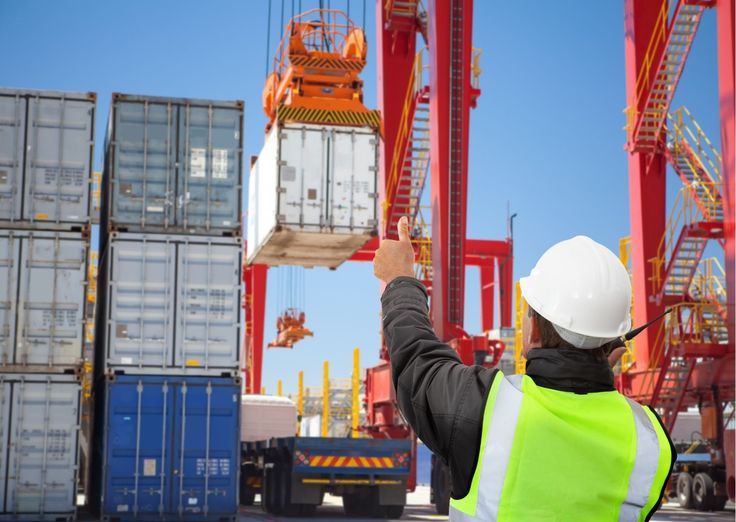
Step-by-Step US Import Clearance Process
- Pre-shipment Preparation: Gather all necessary documents and verify supplier details.
- Arrival and Entry Filing: Submit the Importer Security Filing (ISF) and entry summary to CBP.
- Documentation Review: Customs reviews invoices, packing lists, and certificates of origin.
- Duty Assessment: CBP calculates applicable tariffs and taxes.
- Cargo Inspection (If Needed): Some goods undergo physical examination.
- Release and Delivery: Once cleared, cargo is released for inland transport.
| Step | Description | Responsible Party |
|---|---|---|
| 1 | Document preparation | Importer / Broker |
| 2 | ISF submission | Importer |
| 3 | Entry filing | Broker |
| 4 | Duty payment | Importer |
| 5 | Customs inspection | CBP |
| 6 | Cargo release | Broker / Carrier |
Working with a licensed Customs Brokerage can make these steps seamless and compliant.
Essential Documents for Import Clearance
| Document | Purpose | Issued By |
|---|---|---|
| Commercial Invoice | Declares goods’ value | Exporter |
| Packing List | Details shipment contents | Exporter |
| Bill of Lading (B/L) | Proof of transport | Carrier |
| ISF (10+2 Filing) | Advance import data | Importer / Broker |
| Certificate of Origin | Identifies source country | Exporter |
| FDA or USDA Certificate | Ensures product compliance | Supplier |
Even small mistakes, like mismatched HS codes or missing signatures, can delay clearance for days.
👉 Simplify your import documentation today → Send Inquiry
Common Problems in the Import Clearance Process
- Late ISF Filing: Causes $5,000 fines per violation.
- Incorrect HS Codes: Leads to duty miscalculations or reclassification.
- Missing Certificates: Causes detention or inspection delays.
- Under-declared Value: Triggers penalties and future audits.
- Unverified Importer Information: Slows CBP approval.
Partnering with an experienced Import Service provider ensures these issues are handled before they arise.

How Long Does the Import Clearance Take?
Clearance time depends on shipment type, documentation quality, and inspection requirements:
| Shipment Type | Average Clearance Time | Notes |
|---|---|---|
| Air Freight | 1–3 days | Fastest but costlier |
| Sea Freight | 3–7 days | Depends on customs load |
| Express Courier | 1–2 days | Ideal for small parcels |
| Door To Door | 5–10 days | Includes inland delivery |
Air Freight offers speed, while Sea Freight is more cost-effective for bulk cargo.
How Duties and Taxes Are Calculated
Duties are based on the Harmonized Tariff Schedule (HTS) code, product value, and trade agreements. CBP uses these to determine total import costs:
| Cost Element | Description | Example |
|---|---|---|
| Customs Duty | Based on HS code | 5% of CIF value |
| Merchandise Processing Fee (MPF) | CBP administrative fee | 0.3464% of value |
| Harbor Maintenance Fee (HMF) | For sea shipments | 0.125% of cargo value |
| Federal Excise Taxes | Applied on certain goods | Alcohol, fuel, tobacco |
Brokers help importers apply correct duty rates and reduce costs through tariff exemptions or FTAs.
Simplifying the Clearance Process With a Customs Broker
Using a professional customs broker ensures:
- All filings meet CBP’s Automated Commercial Environment (ACE) standards.
- Errors in classification and valuation are prevented.
- Compliance with partner agencies (FDA, EPA, USDA) is maintained.
A reliable partner like VELOTACTICS LOGISTICS integrates customs brokerage, Door To Door, and Cargo Insurance for complete import efficiency.
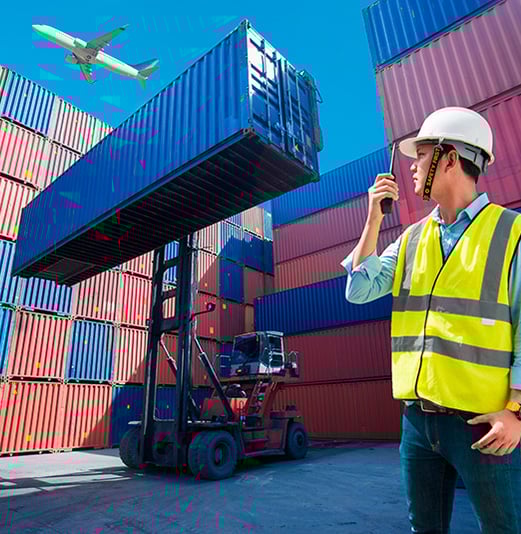
Real Case: How an Electronics Importer Saved 25%
A Texas-based importer faced frequent holds due to incomplete HS code documentation. After switching to VELOTACTICS LOGISTICS, each shipment was pre-classified and digitally filed via ACE. The result? Clearance time reduced from 5 days to 2, storage fees eliminated, and total savings of $9,400 annually.
Tips to Speed Up Your US Import Clearance Process
- File your ISF 48 hours before vessel departure.
- Double-check invoices and certificates for accuracy.
- Use a digital customs broker for real-time tracking.
- Verify suppliers’ compliance before shipping.
- Pay duties immediately upon invoice confirmation.
👉 Need fast customs clearance? Send Inquiry

Conclusion:
The US import clearance process can be smooth and predictable when handled with preparation and professional support. Understanding documentation, duties, and compliance helps importers avoid unnecessary costs and delays. With VELOTACTICS LOGISTICS, you get expert customs assistance, integrated logistics, and transparent communication—ensuring every shipment clears safely and efficiently.
Get a Quote
Get your personalized customs clearance plan within 24 hours. Our licensed team handles documentation, duty calculation, and agency coordination for you. Save time, minimize risk, and ensure fast U.S. import clearance today.
FAQ
It’s the procedure for U.S. Customs to verify, inspect, and approve imported goods before entry into the country.
Typically 1–3 days for air freight and up to a week for ocean shipments, depending on document accuracy and inspection.
You’ll need a commercial invoice, packing list, bill of lading, and necessary certificates (FDA, USDA, etc.).
Yes, but using a licensed broker ensures compliance and avoids costly errors.
Submit ISF early, verify supplier information, and ensure documents are consistent.
We combine digital filing, customs expertise, and transparent service to guarantee faster, hassle-free import clearance.