
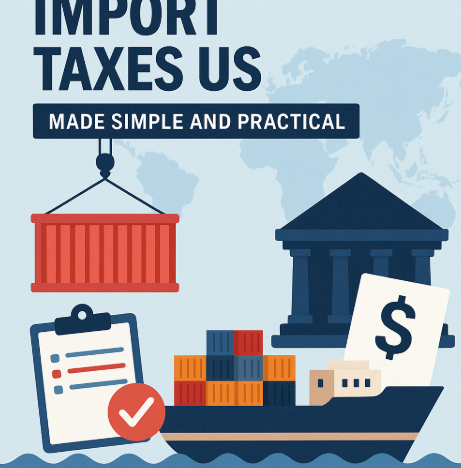
Importing goods into the United States requires a clear understanding of customs rules, valuation methods, and duty structures. However, many companies still struggle to calculate import taxes US correctly because each product category, transport mode, and customs situation adds layers of complexity. Therefore, this guide breaks down the entire process with clarity—covering duties, CBP requirements, HTS classification, shipping considerations, and money-saving strategies. Moreover, with the right preparation and support from Velotactlcs Logistics, importers can navigate the process confidently.

What Are Import Taxes US and Why Do They Matter?
Import taxes US refer to the fees that U.S. Customs and Border Protection (CBP) charges when overseas goods enter the country. These include customs duties, the Merchandise Processing Fee (MPF), Harbor Maintenance Fee (HMF), and excise tax for certain categories. Although many believe customs duty is the only charge, multiple fees collectively shape the final landed cost.
Because these fees affect pricing, supply chain planning, retail margins, and competitiveness, importers must understand how they work. Additionally, accurate tax forecasting prevents delays, unexpected charges, and compliance issues. Therefore, importers who take time to understand duty structure gain more predictable shipping timelines and better cost control.
How Are Import Taxes US Calculated?
Import taxes follow a structured formula. Although the exact amount varies by product type, CBP uses the same assessment method for all shipments.
Table 1: Main Components of Import Taxes US
| Component | Description | Applies? |
|---|---|---|
| Customs Duty | Calculated by HTS code duty rate | Yes |
| MPF | 0.3464% of declared value (min $29.66, max $575.35) | Yes |
| HMF | 0.125% of cargo value | Ocean freight only |
| Excise Tax | For alcohol, fuel, vehicles | Selected items |
| Broker Fee | Charged by customs broker | Depending on service |
Because duties depend on classification, importers must match the correct HTS codes and ensure their declared value reflects commercial reality. Moreover, customs valuation often includes packing costs and sometimes freight charges depending on Incoterms.
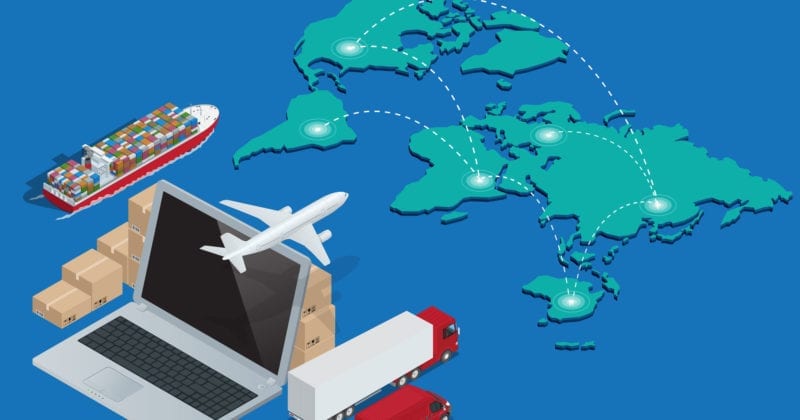
Why HTS Codes Matter When Calculating Import Taxes US
HTS codes determine the duty percentage for each product. Although classification appears straightforward, imported goods often include multiple materials or components. Therefore, misclassification is one of the top reasons CBP delays shipments.
Why Correct Classification Matters
- Duty rates vary widely
- Incorrect codes can trigger audits
- Product descriptions must match HTS definitions
- Multi-material products require detailed review
Additionally, Japan and EU-origin goods sometimes fall under special duty programs, while goods from other countries may face additional tariffs. Therefore, verifying classification before shipping is essential. Velotactlcs Logistics supports importers with HTS validation to avoid unnecessary penalties.
What Documents Are Required to Process Import Taxes US?
Accurate documentation ensures smooth customs clearance. Because CBP compares details across multiple sources, any mismatch creates delays or additional inspections.
Table 2: Required Customs Documentation for US Imports
| Document | Purpose | Importance |
|---|---|---|
| Commercial Invoice | Declares value & description | Basis for duty calculation |
| Packing List | Confirms weight & quantities | Used for examination |
| Bill of Lading / Air Waybill | Proof of movement | Needed for cargo release |
| HTS Code | Determines duty rate | Must be precise |
| Country of Origin | Verifies manufacturing origin | Impacts tariffs |
| Importer Number (EIN) | Identifies importer | Required for entry |
Moreover, product descriptions must include material, model, intended use, and technical specifications to avoid classification errors.
What Are Typical Duty Rates for Goods Entering the US?
Duty rates depend on product category, material, size, and origin. Although most goods fall within predictable ranges, accuracy requires checking the HTS library.
Table 3: Example Duty Percentages for US Imports
| Category | Duty Rate | Notes |
|---|---|---|
| Electronics | 0–4% | Many tech products duty-free |
| Apparel | 10–30% | Based on fabric & design |
| Footwear | 8–37.5% | High for leather & specialty items |
| Auto Parts | 2.5% | Varies with composition |
| Furniture | 0–2.5% | Wood & metal differ |
| Cosmetics | 0–6.5% | Ingredient-based classification |
Because duty ranges differ widely, pre-shipment classification reduces cost surprises.
How Shipping Method Affects Import Taxes US
Although duty rates do not change based on transport method, other fees and processes do.
Air Freight
- Faster clearance
- Higher freight costs
- No HMF
- Ideal for urgent shipments
Ocean Freight
- Best for bulk cargo
- HMF applies
- Longer transit
- Lower cost per unit
Express Courier
- Fastest entry
- Brokerage often included
- Best for lightweight or e-commerce goods
Because each mode influences total landed cost, importers must balance urgency and budget.

How to Reduce Import Taxes US Legally
Although duties cannot be avoided completely, multiple strategies help minimize cost and improve customs speed.
Effective Strategies
- Verify HTS codes for accurate duty calculation
- Ensure proper Incoterms to control customs valuation
- Split shipments to optimize MPF charges
- Avoid undervaluation to prevent audits
- Use Foreign Trade Zones (FTZ) when suitable
- Claim duty drawback for re-exports
Moreover, correct documentation reduces inspection risk and speeds up customs release.
Common Mistakes That Increase Import Taxes or Cause Delays
Importers often unknowingly trigger extra work for CBP by providing inconsistent or incomplete information.
Top Mistakes
- Wrong HTS classification
- Declaring vague product descriptions
- Missing country-of-origin data
- Using outdated Incoterms
- Overlooking MPF and HMF effects
- Relying solely on supplier information
Therefore, importers should establish a consistent compliance workflow.
How Velotactlcs Logistics Helps Importers Manage US Taxes and Compliance
Velotactlcs Logistics helps importers navigate complex US customs rules through services such as HTS code review, duty estimation, customs documentation preparation, and freight coordination. Additionally, our team streamlines international shipping so businesses can avoid unnecessary charges and maintain predictable timelines. Because customs compliance affects both cost and efficiency, expert assistance ensures fewer delays and more accurate imports.

Conclusion
Understanding import taxes US allows businesses to avoid hidden charges, improve supply chain planning, and maintain compliance with CBP regulations. Moreover, accurate HTS classification, complete documentation, and strategic shipping decisions ensure smooth and predictable importing. Therefore, partnering with a knowledgeable logistics provider strengthens your operations and reduces overall risk.
If you want reliable assistance with customs filing, duty estimation, or international freight management, Velotactlcs Logistics is ready to support your next shipment.
Need a quote?
Ready to get started? Contact us now to request a free shipping quote.
Frequently Asked Questions (FAQ)
Not all items incur high duty, but most require MPF and sometimes HMF depending on shipment mode.
Most shipments clear within one to two days; however, incomplete documents may extend the process.
No. Undervaluation increases the chance of penalties and delays during review.
Yes. Courier shipments may simplify brokerage but duties remain applicable.
Using a broker helps ensure accurate filings and reduces the risk of costly mistakes.