
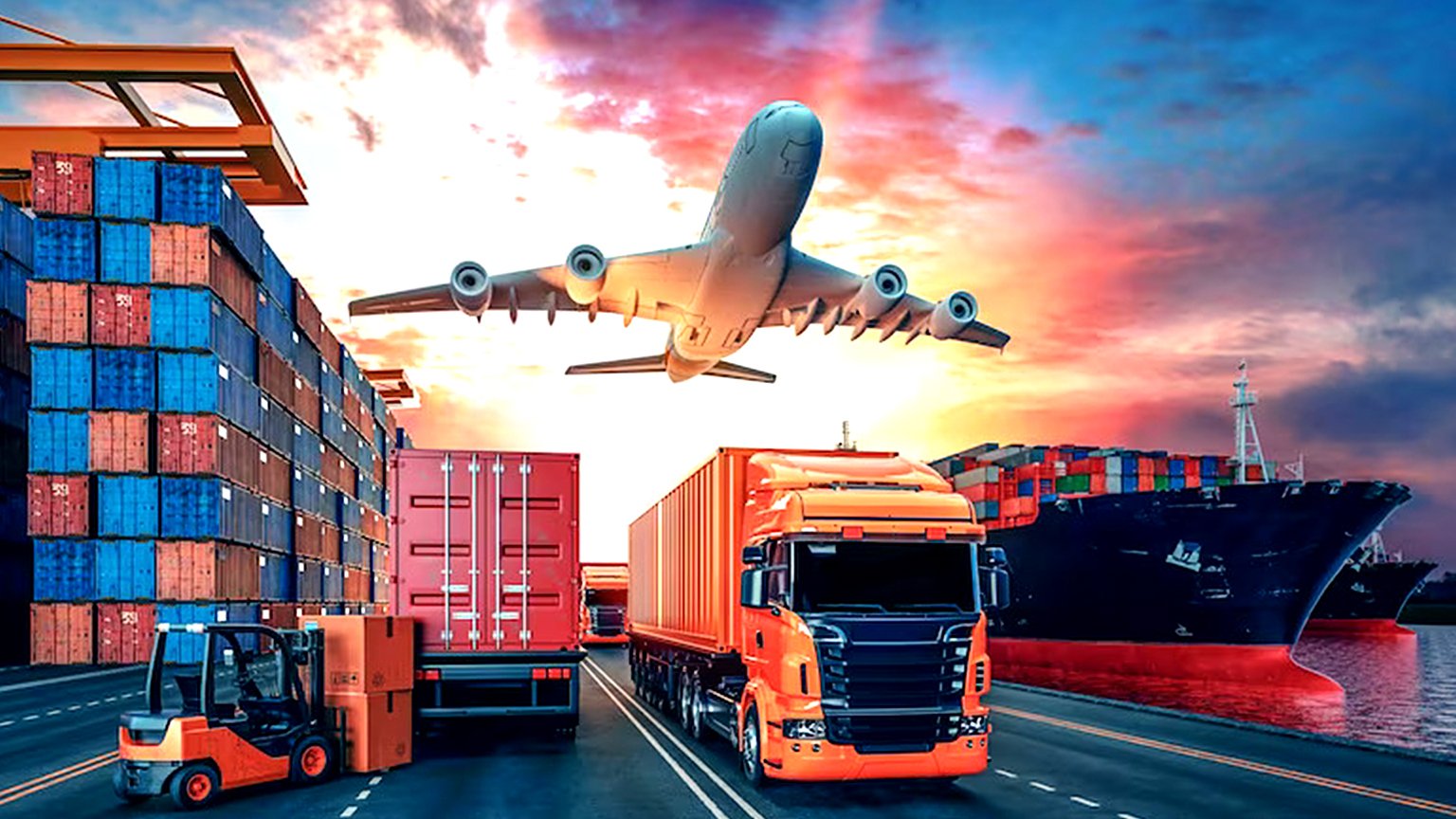
In modern logistics, OTR (Over-the-Road) trucking plays a critical role in ensuring the movement of goods across vast distances. It connects manufacturers, retailers, and distributors nationwide, enabling consistent supply chain performance. With increasing demand for speed and flexibility, OTR remains one of the most trusted freight solutions for businesses of all sizes.
What Does OTR Mean in Trucking?
OTR trucking stands for “Over-the-Road,” a freight transportation method that involves long-haul truck drivers moving goods across state lines or even between countries. Unlike local or regional deliveries, OTR drivers spend days or weeks on the road to deliver large shipments over long distances.
OTR trucking is essential for industries that rely on consistent and large-scale distribution networks, such as retail, manufacturing, and agriculture.
How Does OTR Trucking Work?
The OTR freight process begins when shippers book full truckload (FTL) or less-than-truckload (LTL) capacity with a freight carrier. The driver collects the cargo, travels over highways, and delivers it directly to the receiver’s facility.
Typical OTR Process Flow:
| Step | Description | Example |
|---|---|---|
| 1 | Order booking | Shipper confirms route, truck type, and schedule |
| 2 | Pickup | Truck collects goods from the warehouse |
| 3 | Transit | Driver travels over highways to destination |
| 4 | Delivery | Cargo delivered to consignee on agreed date |
| 5 | Proof of delivery | Signed documents confirm completion |
This seamless process allows end-to-end transport control with minimal intermediate handling.
Why Is OTR Freight So Important?
OTR freight accounts for nearly 70% of all goods moved in North America. It provides unmatched flexibility, covering routes where rail or air freight may not be accessible.
Key Benefits:
- Wide coverage: Reaches rural and urban areas alike
- Speed and consistency: Continuous operation across routes
- Secure transport: Enclosed trailers protect goods from weather and theft
- Adaptability: Supports FTL (Full Truckload) and LTL (Less Than Truckload) shipments
This versatility makes OTR the backbone of modern logistics systems worldwide.
What Types of OTR Trucking Services Exist?
Different OTR trucking services cater to specific cargo types, delivery needs, and handling requirements.
| Service Type | Description | Common Use |
|---|---|---|
| Dry Van | Enclosed trailer for general goods | Consumer products, electronics |
| Flatbed | Open trailer for oversized loads | Machinery, steel, building materials |
| Reefer | Refrigerated trailer for temperature-sensitive freight | Food, pharmaceuticals |
| Specialized | Customized for heavy or hazardous cargo | Industrial or energy sectors |
Choosing the right service type ensures safety, compliance, and cost efficiency for your supply chain.
How Much Does OTR Freight Cost?
OTR freight costs depend on multiple variables such as mileage, fuel prices, cargo weight, and load type. Carriers generally quote a rate per mile or a flat fee based on truck capacity.
Typical OTR Freight Cost Estimates
| Distance | Cost per Mile (USD) | Transit Time |
|---|---|---|
| 300–500 miles | 2.50–3.00 | 1–2 days |
| 1,000–1,500 miles | 2.00–2.50 | 3–4 days |
| 2,000+ miles | 1.70–2.20 | 5–7 days |
Additional surcharges may apply for fuel, tolls, detention, or cross-border customs clearance.
How Does OTR Compare to Rail and Air Freight?
While OTR trucking offers flexibility, other modes of transport can complement it based on cost and distance.
| Criteria | OTR Trucking | Rail Freight | Air Freight |
|---|---|---|---|
| Speed | Fast (1–7 days) | Moderate (5–10 days) | Very fast (1–2 days) |
| Cost | Medium | Low | High |
| Coverage | Door-to-door | Fixed terminals | Airport-to-airport |
| Cargo Type | General, palletized | Bulk, containerized | Urgent, light goods |
| Environmental Impact | Moderate | Low | High |
Most companies use a multimodal strategy, combining OTR with rail or air for maximum efficiency.
What Factors Affect OTR Transit Time?
Transit time in OTR transportation varies due to several operational and external elements:
- Distance and route type – Highways vs. mountain roads
- Weather conditions – Storms or snow may cause delays
- Traffic and rest regulations – Compliance with driver hours-of-service rules
- Load type – Hazardous or oversized freight may require escorts
Proactive planning and GPS route optimization help carriers maintain on-time performance.
How to Optimize OTR Trucking Operations
Businesses can reduce shipping costs and improve reliability through better OTR logistics management.
Optimization Tips
- Plan shipments early to secure competitive rates.
- Consolidate loads to reduce the number of trucks.
- Use tracking technology for real-time visibility.
- Maintain proper documentation to avoid customs delays.
- Partner with reputable carriers to ensure consistent performance.
Efficient OTR management strengthens delivery predictability and enhances customer satisfaction.
Safety and Compliance in OTR Freight
Safety regulations are vital to maintaining the integrity of OTR transport. The U.S. Department of Transportation (DOT) enforces standards to protect drivers, cargo, and other road users.
Key Compliance Measures:
- Electronic logging devices (ELDs) to monitor driving hours
- Regular vehicle maintenance and inspections
- Proper cargo securing to prevent load shifts
- Health and safety training for long-haul drivers
Compliance not only prevents fines but also ensures long-term operational reliability.
Sustainable OTR Logistics Practices
Sustainability is reshaping the future of OTR freight. Trucking companies are investing in greener technologies to reduce emissions and improve fuel efficiency.
Eco-Friendly OTR Initiatives:
- Use of electric and hybrid trucks
- Low-emission fuel alternatives (LNG, biodiesel)
- Optimized routes to reduce mileage
- Carbon offset programs
These efforts align with global goals for cleaner logistics and reduced carbon footprints.
The Future of OTR Trucking
Technological transformation is revolutionizing OTR trucking. Advanced analytics, automation, and autonomous driving systems are improving efficiency and safety.
Emerging Trends:
- AI-based predictive route planning
- Automated scheduling platforms
- Smart sensors for cargo monitoring
- Autonomous and electric fleets
Therefore, the future of OTR lies in smart logistics integration and sustainable operations that meet evolving customer expectations.
Discover how our OTR trucking network can optimize your supply chain. Contact us today for a customized quote and experience reliable over-the-road freight solutions that meet your delivery goals.
OTR stands for “Over-the-Road,” referring to long-distance freight transport that operates across cities, states, or countries.
OTR drivers usually cover 1,000–3,000 miles per week, depending on the route and delivery requirements.
OTR costs are moderate—cheaper than air freight but more flexible than rail or shared LTL loads.
OTR trucks carry general cargo, perishables, machinery, and retail products requiring direct delivery.
Yes, OTR services often include customs clearance for routes connecting countries such as the U.S., Canada, or Mexico.