
Seamless US Dispatch Order Tracking for Asia Logistics
Navigating international shipping from the US to Asia demands robust tracking. Businesses require precise supply chain visibility to manage expectations and mitigate risks effectively. Therefore, understanding US dispatch order tracking for Asia logistics is a strategic imperative. For comprehensive solutions, explore the services offered by VeloTactics Logistics.

Why is US Dispatch Order Tracking for Asia Logistics Critical?
In today’s global economy, efficient US dispatch order tracking for Asia logistics is paramount. Businesses must maintain real-time visibility over goods traversing vast distances. This transparency aids proactive decision-making and ensures customer satisfaction.
Furthermore, the journey from the US to Asia involves intricate processes, including customs and multiple carriers. Without adequate tracking, companies face increased risks of delays and losses. Therefore, a robust system is indispensable for modern supply chains.
Understanding the Lifecycle of Your Shipment from US to Asia
From US dispatch, orders embark on a complex logistical journey to Asia. It begins with pickup, consolidation, export documentation, and customs clearance. Subsequently, cargo loads onto vessels or aircraft.
Upon arrival, shipments undergo import customs, drayage, and last-mile delivery. Each stage requires specific tracking mechanisms. Thus, understanding this lifecycle is crucial for effective monitoring.
Key Stages in International Shipping
Initial stages involve meticulous preparation, including packaging, labeling, and essential paperwork. This ensures compliance and smooth transit. Moreover, accurate documentation is vital for avoiding customs delays.
Freight forwarding services then coordinate the entire journey, managing carrier selection and booking. Choosing a reliable forwarder is key for import/export. Learn more about freight forwarding services.
Leveraging Technology for Real-Time Tracking and Visibility
Modern logistics relies on advanced technology for unparalleled visibility. Real-time tracking systems use GPS, RFID, and API integrations for granular data on shipment location. This enables continuous cargo monitoring.
These platforms also offer predictive analytics, estimating arrival times and flagging potential issues. This proactive approach enhances supply chain resilience. Consequently, investing in robust tracking software is wise for Asia logistics.

Essential Tracking Features to Look For
When selecting a tracking solution for US dispatch order tracking for Asia logistics, look for automated notifications, customizable dashboards, and detailed reporting. These offer actionable insights. Furthermore, integration with existing ERP or inventory systems is highly beneficial.
Also, seek multi-carrier tracking capabilities for consistent visibility. A comprehensive system streamlines communication and reduces manual effort. For specialized air freight solutions with advanced tracking, consider our offerings.
Common Challenges in Tracking Shipments to Asia and How to Overcome Them
Shipping to Asia presents unique challenges complicating US dispatch order tracking. Language barriers, varying customs regulations, and diverse infrastructure are significant hurdles. Geopolitical events or natural disasters also disrupt supply chains.
Inconsistent data updates from carriers or port authorities are common. Partnering with experienced logistics providers, who consolidate data for a unified view, helps overcome this.
Navigating Customs and Documentation
Customs procedures in Asian countries are complex, requiring specific documentation and local adherence. Errors in paperwork lead to significant delays and penalties. Meticulous preparation is thus essential.
Working with a freight forwarder specializing in Asian markets simplifies this. They ensure correct preparation of commercial invoices, packing lists, and certificates of origin, minimizing customs issues. Our customs brokerage services can assist you.
How Does US-Asia Shipping Compare to Other Logistics Options?
When considering US dispatch order tracking for Asia logistics, comparing shipping methods is essential. Each offers distinct advantages and disadvantages regarding cost, speed, and capacity. Selecting the right method depends on your business needs and cargo.
Air freight is fast but costly; sea freight is economical for bulk but slower. Understanding these trade-offs optimizes your supply chain strategy.
| Shipping Method | Cost Range (per kg/CBM) | Transit Time (US to Asia) | Best For | Limitations |
|---|---|---|---|---|
| Air Freight (Express) | USD 5-10/kg | 1-3 days | Urgent, high-value, small shipments | Very high cost, limited volume |
| Air Freight (Standard) | USD 3-7/kg | 5-10 days | Time-sensitive, medium-value goods | High cost, volume/weight restrictions |
| Sea Freight (FCL) | USD 0.05-0.15/kg (container rate) | 15-40 days | Large volume, heavy, non-urgent goods | Long transit times, port congestion |
| Sea Freight (LCL) | USD 80-150/CBM | 20-45 days | Smaller volume, cost-sensitive, non-urgent | Slower than FCL, potential for delays due to consolidation |
| Multimodal (Sea-Air) | USD 1.5-3/kg | 10-20 days | Balance of speed and cost, moderate urgency | More complex coordination, fewer direct routes |
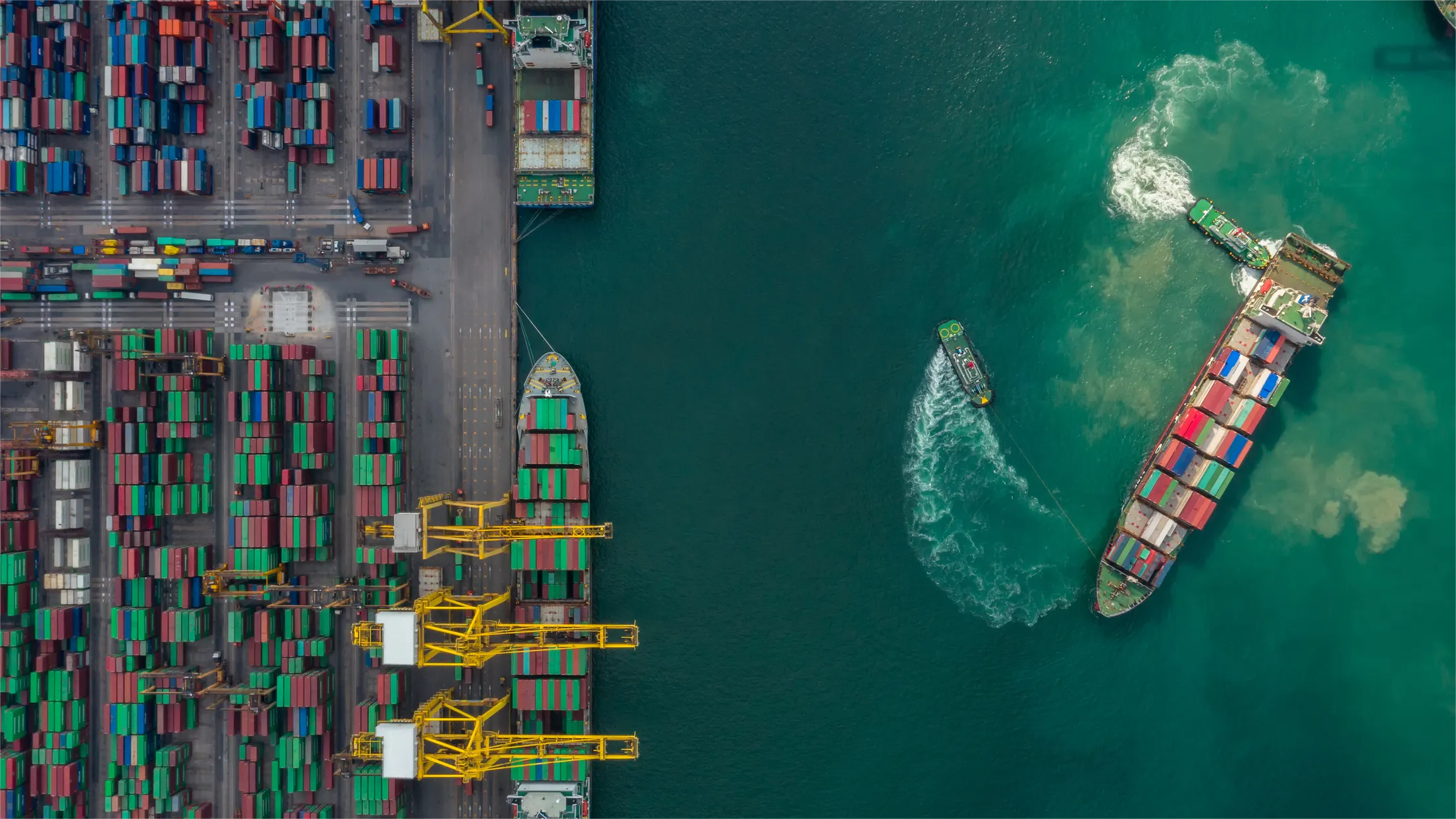
Optimizing Your Supply Chain for US Dispatch Order Tracking to Asia
Optimizing your supply chain is crucial for enhancing US dispatch order tracking for Asia logistics. This holistic approach considers supplier relationships to last-mile delivery. A well-optimized supply chain significantly reduces costs and improves efficiency.
One effective strategy is to consolidate shipments, leading to better freight rates and fewer tracking points. Implementing integrated inventory management systems provides end-to-end visibility.
Which Option Should You Choose?
Selecting the optimal shipping method depends on several factors. If budget is primary and time is not critical, sea freight is most economical. Conversely, for urgent or high-value items, air freight offers unmatched speed.
For shipments under 15 CBM, LCL sea freight is often more cost-effective than FCL. Always consider the trade-offs between speed, cost, and cargo type.
Cost-Saving Strategies and Trade-Offs
To minimize shipping costs, optimize packaging and explore Incoterms like FOB for carrier control. This shifts buyer responsibility but offers cost savings. Hybrid solutions, such as sea-air, balance sea freight’s cost-effectiveness with air freight’s speed. Though more complex, these provide strategic advantages for certain products or schedules.
Real-World Case Studies: US Dispatch to Asia Logistics Tracking
Examining actual scenarios provides valuable insights into US dispatch order tracking for Asia logistics. These case studies highlight challenges and successful strategies. They demonstrate how effective planning and robust tracking lead to successful outcomes.
These examples also illustrate the dynamic nature of international shipping, emphasizing adaptability to market conditions. Based on Q3 2024 market rates, these reflect typical industry challenges.
Case Study 1: Electronics Manufacturer’s Urgent Component Delivery
This electronics manufacturer needed critical components from the US to Vietnam to prevent production line stoppage. Speed was the absolute priority, despite higher costs. The tracking system provided continuous updates, allowing real-time adjustments.
| Detail | Description | ||||
|---|---|---|---|---|---|
| Route | Chicago, USA -> Ho Chi Minh City, Vietnam | ||||
| Cargo | High-value electronic components, 2 CBM, 450 kg | ||||
| Container | Air Cargo | ||||
| Shipping Details | Carrier: FedEx Express, Route Type: Direct air freight | ||||
| Cost Breakdown | Air Freight: $2,800 | Origin Charges: $250 | Destination Charges: $180 | Customs & Duties (estimated): $300 | Total Landed Cost: $3,530 |
| Timeline | Booking to Loading: 1 day | Air Transit: 2 days | Customs Clearance: 1 day | Total Door-to-Door: 4 days | |
| Key Insight | Real-time tracking of air waybill allowed for swift customs pre-clearance, ensuring minimal delay upon arrival. Q4 peak season rates were 15% higher than off-peak. |
Case Study 2: Apparel Retailer’s Seasonal Inventory Replenishment
An apparel retailer required a large shipment of seasonal clothing from Los Angeles to Shanghai. Cost-effectiveness was key, but predictable transit time was also vital for sales schedules. Sea freight was chosen for its balance of cost and capacity.
| Detail | Description | ||||
|---|---|---|---|---|---|
| Route | Los Angeles, USA -> Shanghai, China | ||||
| Cargo | Seasonal apparel, 30 CBM, 6,000 kg | ||||
| Container | 40GP (LCL converted to FCL for efficiency) | ||||
| Shipping Details | Carrier: COSCO, Port of Loading: Los Angeles, Port of Discharge: Shanghai, Route Type: Direct sea freight | ||||
| Cost Breakdown | Ocean Freight: $2,900 | Origin Charges: $400 | Destination Charges: $350 | Customs & Duties (estimated): $700 | Total Landed Cost: $4,350 |
| Timeline | Booking to Loading: 5 days | Sea Transit: 18 days | Customs Clearance: 3 days | Total Door-to-Door: 26 days | |
| Key Insight | Consistent tracking updates allowed for timely warehouse preparation and efficient distribution upon arrival, avoiding storage demurrage. Typical rates as of early 2025. |
Case Study 3: Industrial Equipment for a New Factory Build
A company shipped heavy industrial machinery from Houston to a new factory in Jakarta. This involved oversized cargo, requiring specialized handling and precise coordination. The integrated tracking system provided critical updates on vessel position and port operations.
| Detail | Description | ||||
|---|---|---|---|---|---|
| Route | Houston, USA -> Jakarta, Indonesia | ||||
| Cargo | Industrial machinery, 45 CBM, 12,000 kg (OOG) | ||||
| Container | Flat Rack (OOG cargo) | ||||
| Shipping Details | Carrier: Maersk, Port of Loading: Houston, Port of Discharge: Jakarta, Route Type: Transshipment via Singapore | ||||
| Cost Breakdown | Ocean Freight: $7,500 | Origin Charges (incl. OOG handling): $900 | Destination Charges: $750 | Customs & Duties (estimated): $1,500 | Total Landed Cost: $10,650 |
| Timeline | Booking to Loading: 7 days | Sea Transit: 30 days | Customs Clearance: 4 days | Total Door-to-Door: 41 days | |
| Key Insight | Close monitoring of transshipment at Singapore was vital to prevent delays. Market data suggests such OOG rates can fluctuate significantly based on vessel space and equipment availability. | ||||
| Disclaimer | Note: Freight rates are subject to change based on fuel costs, carrier capacity, and seasonal demand. Contact us for a current quote tailored to your specific shipment. |

Mastering Your US Dispatch Order Tracking for Asia Logistics
Ultimately, effective US dispatch order tracking for Asia logistics is a cornerstone of successful international trade. Leveraging advanced technology, understanding the shipping lifecycle, and choosing strategic logistics partners enhance operational efficiency. This proactive approach minimizes risks and ensures timely, cost-effective deliveries.
Insights from robust tracking systems empower better decision-making and foster greater customer satisfaction. Investing in superior tracking capabilities is a crucial investment in your supply chain’s future.
Ready to streamline your logistics?
Ready to streamline your US dispatch order tracking for Asia logistics? Our expert team at VeloTactics Logistics is here to provide tailored solutions and real-time visibility. Contact us today to request a personalized quote and optimize your international shipping process.
Request Quote