
Seamless US Import Food Products from Philippines: Your Ultimate Guide
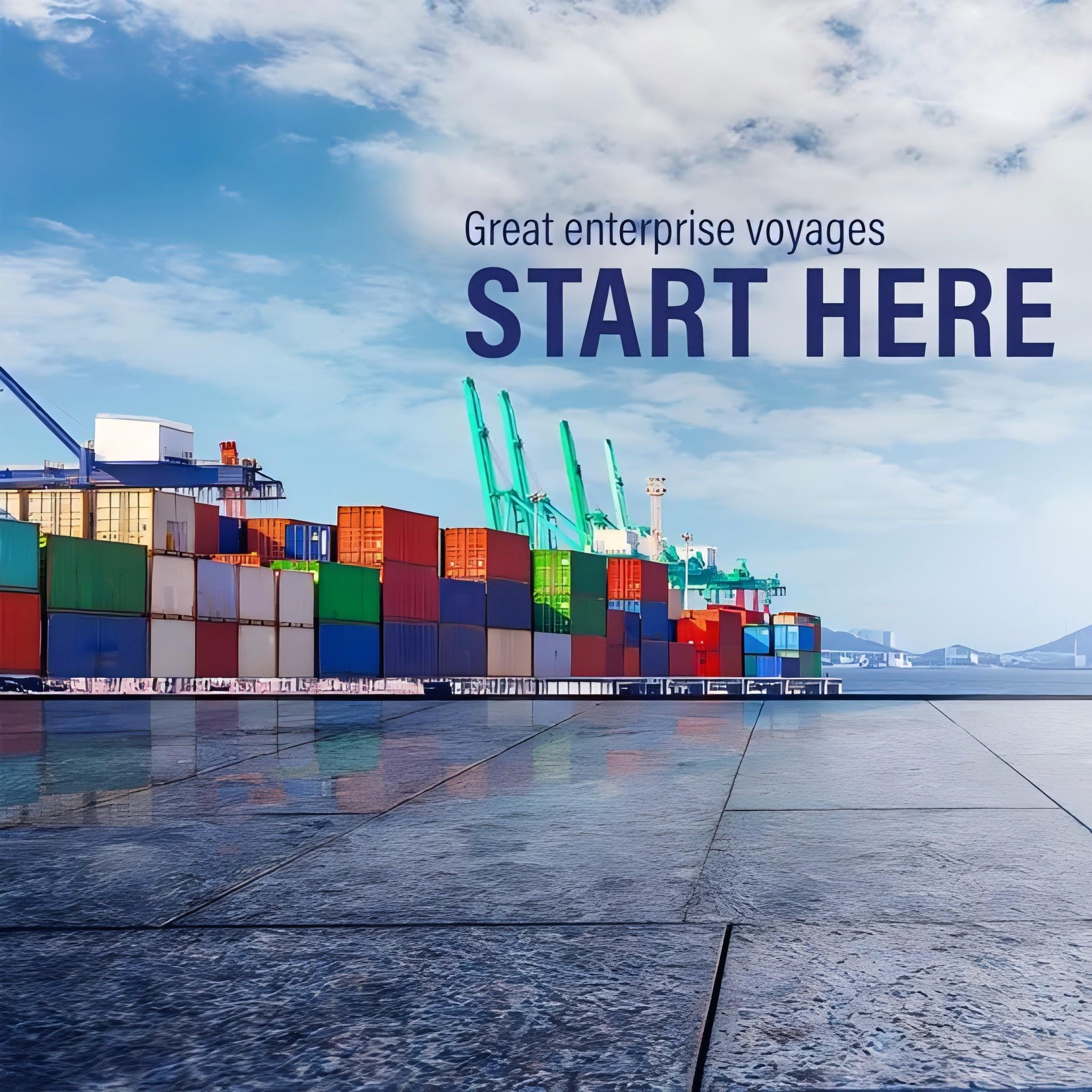
Navigating the intricate process to **US import food products from Philippines** can be challenging, often fraught with complex regulations and logistical hurdles. Many businesses struggle with compliance and efficient freight management, risking delays and increased costs. Discover streamlined solutions and expert guidance for successful food importation with Velotactics Logistics: Home/VELOTACTICS LOGISTICS.
✦
Understanding US Regulations for Importing Food from the Philippines
Importing food products into the United States from the Philippines involves strict adherence to various federal regulations. Primarily, the U.S. Food and Drug Administration (FDA) governs food safety, labeling, and facility registration. Additionally, the U.S. Department of Agriculture (USDA) oversees specific agricultural items, including fresh produce, meat, and poultry.
Ensuring **FDA approval for imported food products** is paramount before shipment. This means complying with labeling requirements, ingredient standards, and submitting Prior Notice for all food shipments. Consequently, understanding these intricate **customs regulations for food imports US** is critical to avoid costly delays or rejection at the border. For comprehensive support with compliance, explore our specialized services. Learn more about our comprehensive support services — https://velotac-log.com/services/
Essential Logistics for Shipping Food from Philippines to US
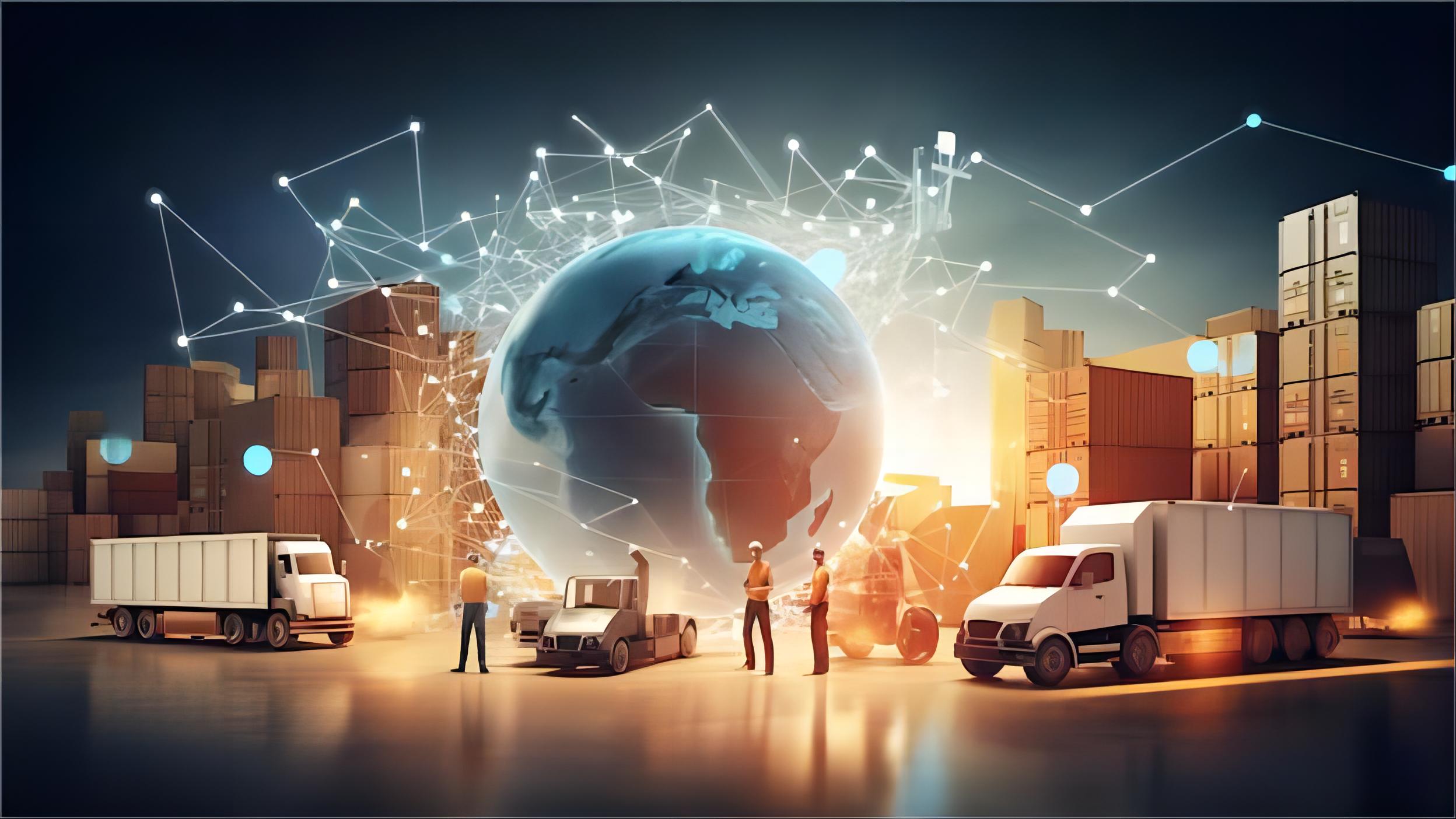
The choice of shipping method significantly impacts transit time, cost, and product integrity when considering **shipping food from Philippines to US**. Air freight offers speed, ideal for highly perishable goods, while sea freight provides a more economical solution for larger volumes and less time-sensitive items. Therefore, selecting the right method is crucial for optimizing your supply chain.
Crucially, maintaining the integrity of perishable food items requires robust **cold chain management for food imports**. This involves temperature-controlled containers and meticulous handling from origin to destination. Proper packaging requirements for food imports also protect products during transit, preventing damage and spoilage. Our expert **freight forwarding solutions** ensure your goods arrive safely and on schedule. Send Inquiry — https://velotac-log.com/send-inquiry/
| Shipping Method | Typical Transit Time | Cost Efficiency | Best For |
|---|---|---|---|
| Air Freight | 3-7 days | Higher | Highly perishable, urgent, high-value goods |
| Sea Freight (FCL/LCL) | 3-6 weeks | Lower | Non-perishable, bulk, cost-sensitive goods |

Cost Considerations and Supply Chain Optimization for Philippine Food Exports
Understanding the various costs involved in **US import food products from Philippines** is vital for accurate budgeting. These expenses include freight charges, customs duties, taxes, insurance, and potential storage fees. Furthermore, **US import duties on food products** vary widely depending on the commodity and its Harmonized System (HS) code, necessitating careful classification.
Optimizing your **logistics for Philippine food exports** can significantly reduce overall costs and improve efficiency. This includes consolidating shipments, negotiating favorable rates, and leveraging technology for real-time tracking. Effective **supply chain management** ensures a smooth flow of goods, minimizing delays and maximizing profitability. Get expert advice on your supply chain with our tailored services. View our full range of services — https://velotac-log.com/services/
Partnering for Successful Food Product Imports from the Philippines
Choosing a reliable freight forwarder is perhaps the most critical step in successful food importation. An experienced partner can navigate the complexities of **Philippine food export requirements** and US import regulations, ensuring compliance and efficiency. They provide invaluable assistance with documentation, customs clearance, and specialized handling for food items.
A knowledgeable logistics provider offers insights into **sourcing food suppliers Philippines** and helps mitigate risks associated with international shipping. They ensure your cargo adheres to all **food safety compliance US imports** standards, preventing costly issues. Partner with us for a seamless import experience. Discover how we can support your business needs. Explore our services — https://velotac-log.com/services/

Conclusion
Successfully managing the **US import food products from Philippines** requires meticulous planning and expert execution. By understanding regulations, optimizing logistics, and partnering with experienced forwarders, you can ensure a smooth, compliant, and cost-effective import process. Trust Velotactics Logistics to be your reliable partner.