

- By clara
- November 21, 2025
- Compliance, Customs
Table of Contents
Every importer faces one common challenge—calculating and minimizing the US import tax rate. Whether you import electronics, apparel, or machinery, understanding how duties and fees are applied can make or break your profit margins. With expert support from Velotactics Logistics, you can accurately estimate taxes, optimize customs clearance, and avoid unnecessary overpayments.
What Is the US Import Tax Rate?
The US import tax rate, also known as the customs duty rate, is a government-imposed fee on imported goods. These taxes are collected by U.S. Customs and Border Protection (CBP) and calculated based on the product’s classification, declared value, and country of origin.
Different products have different tariff rates under the Harmonized Tariff Schedule (HTS). For example, imported steel may carry a 25% duty, while electronics could face less than 5%.
| Category | Typical Tax Rate | Notes |
|---|---|---|
| Apparel & Textiles | 10%–32% | High due to domestic protection |
| Electronics | 0%–8% | Lower rates for tech components |
| Machinery & Tools | 5%–12% | Moderate import duties |
| Automotive Parts | 2.5%–25% | Depends on origin and type |
| Furniture | 10%–25% | Often includes anti-dumping duties |
👉 Want help checking your product’s tax rate? Send Inquiry
Why Does the US Apply Import Taxes?
Import taxes are designed to:
- Protect local industries from low-cost overseas competition.
- Generate revenue for the government.
- Encourage fair trade practices through tariffs and restrictions.
The rates are determined under trade laws such as the Tariff Act of 1930, and modernized via bilateral and multilateral trade agreements.

How Is the US Import Tax Rate Calculated?
The tax is not a flat fee—it’s a combination of multiple charges.
Formula:
Total Import Cost = Customs Value × Duty Rate + MPF + HMF + Additional Tariffs (if any)
| Component | Description | Typical Range |
|---|---|---|
| Base Duty | Standard tariff rate from HTS code | 0%–30% |
| MPF (Merchandise Processing Fee) | CBP administrative fee | 0.3464% (min $31.67, max $614.35) |
| HMF (Harbor Maintenance Fee) | Port entry charge | 0.125% |
| Additional Tariffs | Section 232 or 301 duties | 7.5%–25% |
Example:
Importing $50,000 of machinery at a 10% duty rate:
= (50,000 × 0.10) + (50,000 × 0.003464) + (50,000 × 0.00125) = $5,235.70 total duty
What Factors Influence the US Import Tax Rate?
1. Product Classification
Each item is assigned an HTS code, which defines its tax rate. Minor classification errors can lead to major cost differences.
2. Country of Origin
Tariff rates depend on trade agreements. For instance, goods from Canada or Mexico may enter duty-free under USMCA, while goods from China may include Section 301 tariffs.
3. Declared Customs Value
This value includes product cost, insurance, and freight (CIF). Undervaluing goods can trigger audits or penalties.
4. Trade Agreements and Exemptions
The U.S. has agreements with 20+ countries, including Singapore, Chile, and South Korea, offering preferential tariff treatment.
👉 Need a duty estimate for your next shipment? Send Inquiry
How to Reduce the US Import Tax Rate Legally
While taxes are unavoidable, there are multiple legal ways to minimize your import tax liability:
1. Use Free Trade Agreements (FTAs)
Leverage trade agreements such as USMCA, CAFTA-DR, or KORUS FTA for duty-free or reduced-rate entry.
2. Verify Correct HTS Codes
Many importers overpay because of incorrect classification. A small change can result in large savings.
3. Apply for a Binding Ruling
CBP allows importers to request official tariff decisions before shipping—reducing risk during audits.
4. Utilize Duty Drawback Programs
If goods are re-exported, you can recover up to 99% of duties paid.
5. Store in a Foreign Trade Zone (FTZ)
FTZs allow deferred or exempted duties until the product enters U.S. commerce.
6. Plan Shipping Routes Strategically
Combining shipments or using direct-to-port logistics via Freight Services can lower handling fees and taxes.
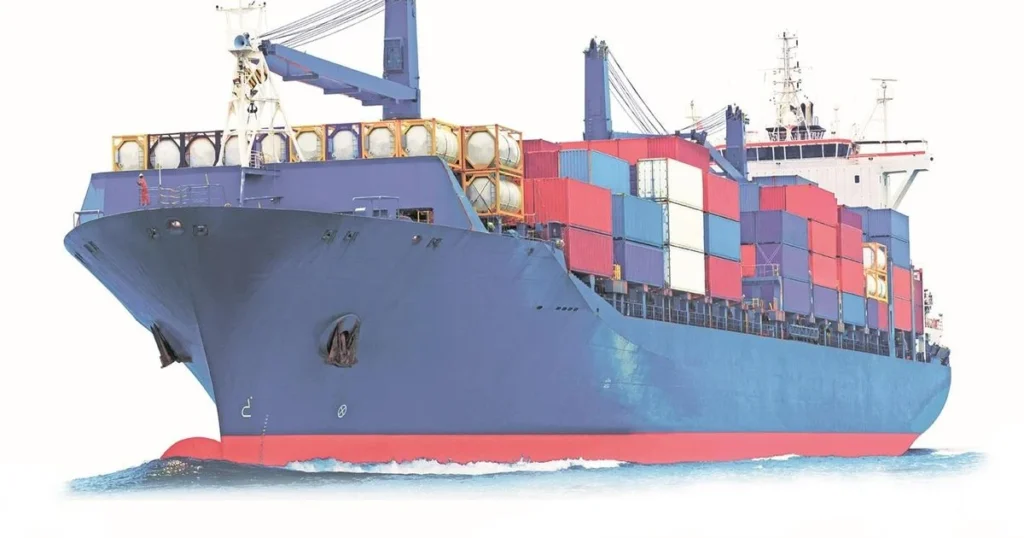
US Import Tax Rate by Country
| Country | Trade Agreement | Typical Duty Rate | Notes |
|---|---|---|---|
| China | No | 7.5%–25% (Section 301) | Extra tariffs apply |
| Canada | USMCA | 0% | Duty-free for most goods |
| Mexico | USMCA | 0% | Preferential entry |
| Vietnam | None | 5%–20% | Moderate tariff levels |
| Germany | WTO | 2%–12% | Varies by product |
| India | WTO | 5%–25% | Higher for textiles |
Shipping Method Comparison and Its Cost Impact
| Method | Avg. Cost/m³ | Transit Time | Pros | Cons |
|---|---|---|---|---|
| Sea Freight (FCL) | $80–$150 | 25–35 days | Economical | Longer transit |
| Sea Freight (LCL) | $150–$250 | 30–40 days | Flexible | Handling delays |
| Air Freight | $600–$900 | 3–7 days | Fast | Expensive |
| Rail Freight (via Europe) | $300–$450 | 18–25 days | Balanced speed | Limited routes |
| Express/Courier | $30–$70/parcel | 2–5 days | Door-to-door | Costly per unit |
Shipping mode affects both total landed cost and the final import tax base. Choosing wisely saves both time and money.
Customs Document Checklist
| Document | Function | Issued By |
|---|---|---|
| Commercial Invoice | Declares product value and description | Exporter |
| Packing List | Specifies contents and weight | Exporter |
| Bill of Lading | Shipping proof | Carrier |
| Certificate of Origin | Confirms manufacturing country | Exporter |
| Import Bond | Guarantees duty payment | Surety company |
Proper documentation ensures CBP compliance and prevents costly delays.
👉 Need help with customs filing? Check our Customs Brokerage Service.
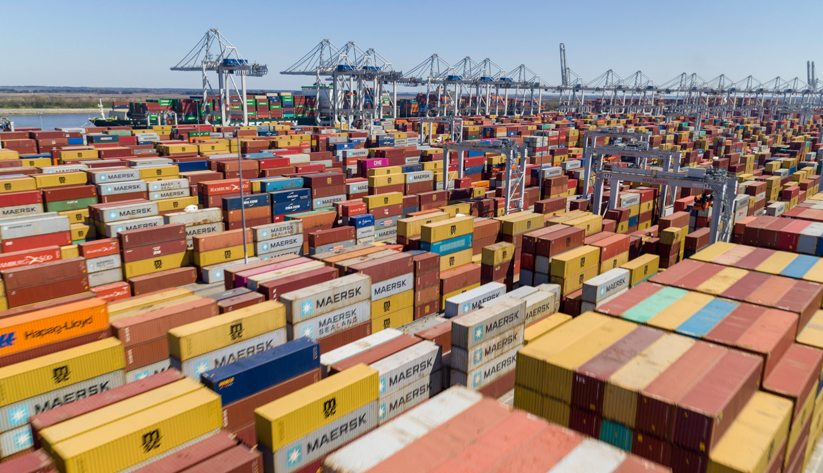
Case Study: Saving 20% on Import Taxes
A Florida importer was paying 25% on Chinese-made consumer electronics. After consultation with Velotactics:
- The products were reclassified under a different HTS code.
- A U.S.-Mexico assembly process shifted origin under USMCA.
- Duty payments were deferred using a bonded warehouse.
Result: Tariffs dropped to 5%, saving over $45,000 annually.
👉 Get similar results for your shipments → Send Inquiry
Impact of Import Taxes on Supply Chain Costs
Import duties are only part of your total landed cost. Other key expenses include:
| Cost Element | Description | Typical Range |
|---|---|---|
| Freight Charges | Sea, air, or rail shipping | 30%–60% of total cost |
| Insurance | Cargo protection | 1%–3% |
| Duties & Taxes | Import-related costs | 5%–25% |
| Warehousing & Handling | Port and storage fees | 3%–10% |
By integrating all these elements through end-to-end logistics management, importers can better control overall expenses.
Check our Supply Chain Services for complete cost optimization.

Conclusion:
Understanding the US import tax rate is crucial for every importer managing cross-border operations. Accurate classification, smart documentation, and proper logistics planning can significantly reduce total import costs. Partner with Velotactics Logistics to access expert tariff analysis, customs guidance, and global freight solutions tailored to your business needs.
Get a Quote
Get your custom import tax analysis within 24 hours.
Join 5,000+ importers who rely on Velotactics Logistics for cost-efficient, compliant trade.
Save more on every shipment—request your personalized quote now!
FAQ
It depends on the HTS code and origin. Most goods range from 0%–25%, depending on trade policy.
Use the U.S. International Trade Commission’s HTS search tool or consult a licensed customs broker.
Yes, many Chinese products face additional Section 301 tariffs of 7.5%–25%.
Not avoid—but you can reduce them using FTAs, duty drawbacks, or FTZ storage.
Commercial invoice, packing list, bill of lading, and certificate of origin.
We audit your tariff codes, optimize routes, and handle customs clearance to reduce costs and delays.