
US Dispatch Delivery Routing Singapore: Your Ultimate Logistics Guide
Navigating the complexities of international shipping, particularly for VeloTactics Logistics clients, demands precision. For businesses requiring seamless US dispatch delivery routing Singapore, understanding optimal strategies is paramount. This comprehensive guide outlines the best practices, critical considerations, and innovative solutions to ensure your shipments reach their destination efficiently and cost-effectively.
Why Optimize US Dispatch Delivery Routing to Singapore?
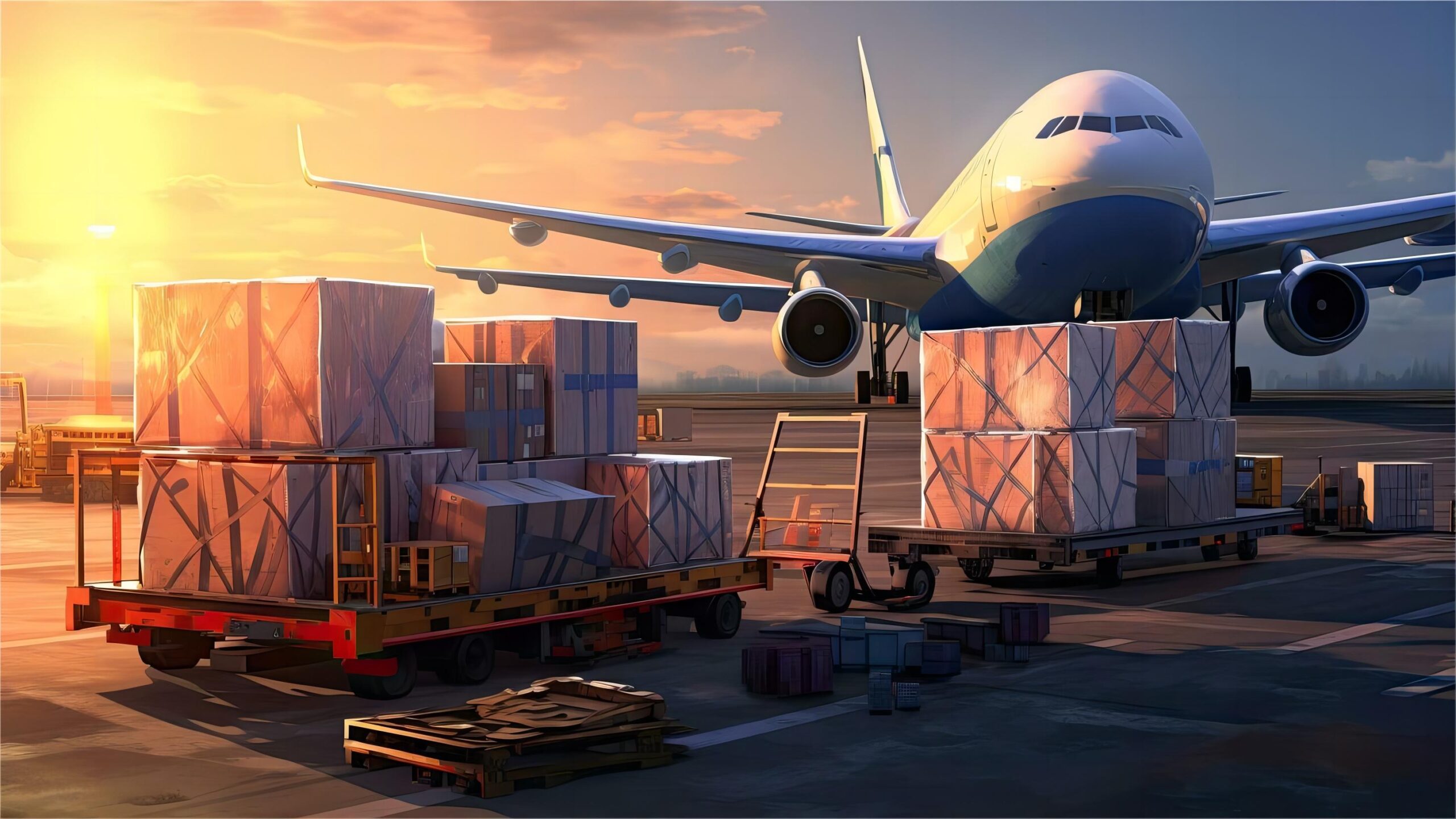
Optimizing your shipping routes from the United States to Singapore is more than just a logistical task; it is a strategic business imperative. Singapore, as a global trade hub, necessitates efficient supply chain management to maintain competitive advantage. Therefore, businesses must prioritize swift, reliable, and cost-effective shipping.
Furthermore, an optimized routing strategy significantly reduces transit times and minimizes potential delays, which are crucial for time-sensitive goods. Consequently, this approach enhances customer satisfaction and strengthens your market position. Ultimately, effective logistics services are the backbone of successful international trade.
Key Factors Influencing US to Singapore Shipping
Several critical factors impact the efficiency and cost of your US dispatch delivery routing Singapore. Primarily, understanding these elements allows businesses to make informed decisions and mitigate common challenges. Moreover, proactive planning is essential for navigating the complexities of international freight.
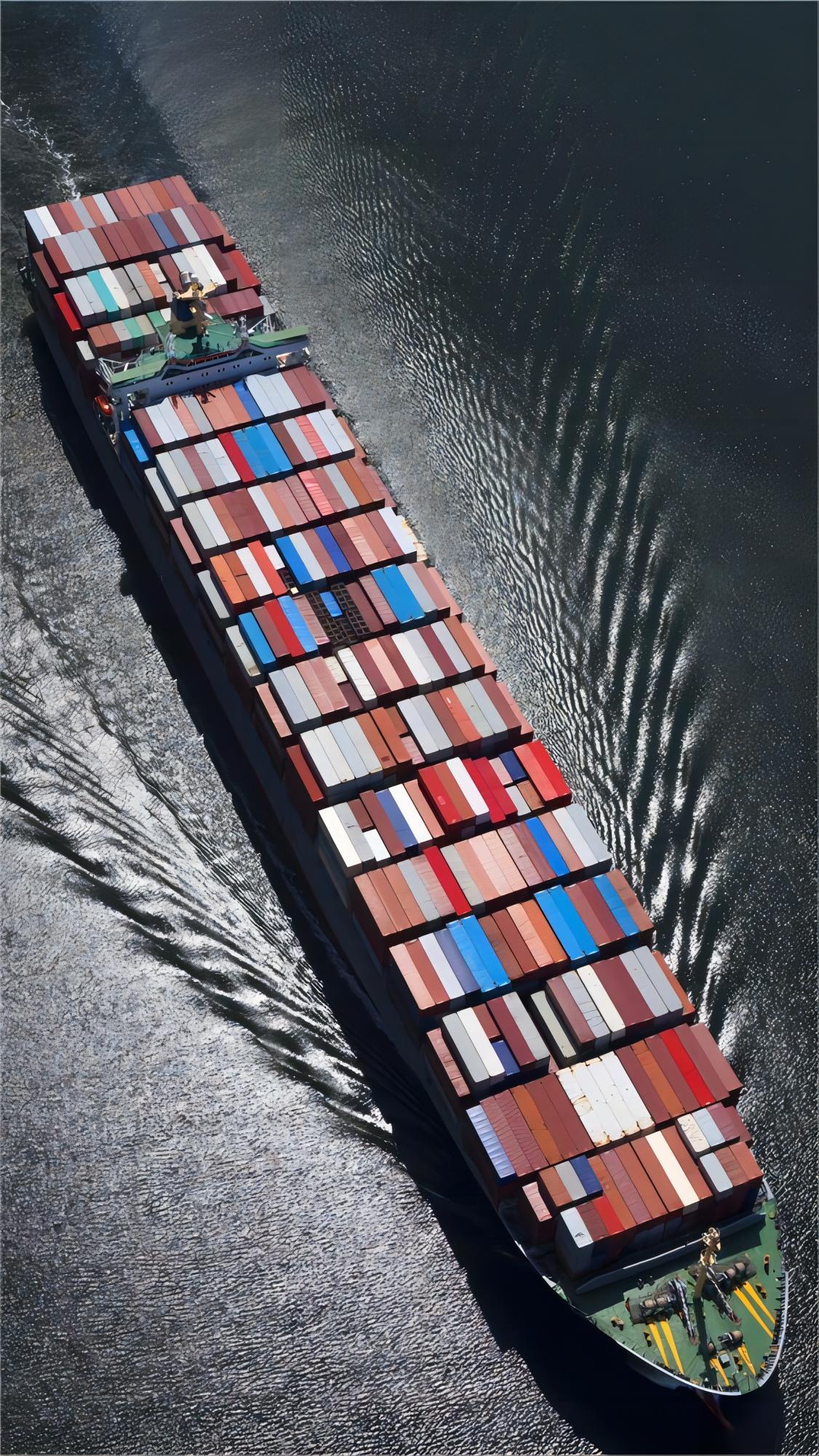
Considerably, cargo type and volume play a significant role in determining the most suitable shipping method. Fragile, perishable, or hazardous goods require specialized handling and may incur additional costs. Additionally, the chosen Incoterms (International Commercial Terms) dictate responsibilities and costs between buyer and seller, profoundly affecting overall logistics expenses. Without a doubt, clear communication regarding these terms is vital.
Understanding Transit Times and Costs
Transit time is a crucial metric for businesses, particularly for those managing just-in-time inventories. Air freight offers speed, typically delivering within 3-7 days, yet it comes at a premium cost. Conversely, sea freight is more economical for larger volumes but involves longer transit periods, usually 25-40 days from the US East Coast or 18-30 days from the West Coast. Therefore, balancing speed with budget is often the primary challenge.
Additionally, shipping costs are influenced by fuel surcharges, port congestion, and seasonal demand. For instance, peak seasons often see rates increase by 15-25% between August and October. Consequently, securing freight space well in advance can help manage these fluctuations. Indeed, careful financial planning is indispensable for successful international shipping.
Customs Clearance and Documentation Requirements
Navigating customs clearance is often one of the most complex aspects of international shipping. Singapore maintains strict import regulations, and comprehensive documentation is mandatory for smooth entry. For example, commercial invoices, packing lists, bills of lading or air waybills, and certificates of origin are commonly required. Moreover, proper classification of goods using Harmonized System (HS) codes is essential to determine applicable duties and taxes.
Furthermore, delays can occur if documentation is incomplete or inaccurate. Therefore, partnering with an experienced customs brokerage service is highly recommended to ensure compliance and avoid costly penalties. This proactive measure ensures that your US dispatch delivery routing Singapore remains on schedule. Ultimately, meticulous attention to detail at this stage prevents significant logistical headaches.
| Document Type | Purpose | Key Information Required |
|---|---|---|
| Commercial Invoice | Declaration of goods value for customs | Seller, buyer, description, quantity, value, HS code |
| Packing List | Details of shipment contents | Itemized list of goods, packaging type, weight, dimensions |
| Bill of Lading/Air Waybill | Contract of carriage, title to goods | Shipper, consignee, carrier, ports, cargo description |
| Certificate of Origin | Confirms country of manufacture | Producer, exporter, importer, product details, origin country |
How Does Sea Freight Compare to Air Freight for US to Singapore Shipments?
Choosing between sea freight and air freight is a fundamental decision in US dispatch delivery routing Singapore. Both methods offer distinct advantages and disadvantages, making the choice dependent on specific business needs and cargo characteristics. Therefore, a thorough evaluation of each option is crucial.
On one hand, sea freight is the most economical option for large, heavy, or non-urgent shipments. It offers significant cost savings, especially for full container loads (FCL) or substantial less-than-container-load (LCL) volumes. However, transit times are considerably longer, ranging from 18 to 40 days, which can impact inventory cycles. In contrast, air freight provides unparalleled speed, ideal for time-sensitive, high-value, or perishable goods. While faster (3-7 days transit), its cost per kilogram is significantly higher. Consider air freight services for urgent deliveries.
| Shipping Method | Cost Range (US to Singapore) | Transit Time | Best For | Limitations |
|---|---|---|---|---|
| Sea Freight (FCL 40HQ) | $4,000 – $7,000 | 18-40 days | Large volumes, heavy goods, non-urgent | Slow, susceptible to port delays |
| Sea Freight (LCL per CBM) | $80 – $150/CBM | 18-40 days | Smaller volumes, cost-sensitive, non-urgent | Longer consolidation times, potential for damage |
| Air Freight (per kg) | $3 – $8/kg | 3-7 days | Time-sensitive, high-value, perishable, small packages | High cost, weight/size restrictions, fuel surcharges |
| Express Courier | $10 – $25/kg | 1-3 days | Documents, small parcels, urgent samples | Very high cost, strict size/weight limits |
Optimizing Your Supply Chain for Singapore Deliveries
Beyond choosing a shipping method, optimizing the entire supply chain is vital for efficient US dispatch delivery routing Singapore. This involves strategic planning from origin to final destination, encompassing warehousing, distribution, and last-mile delivery. Consequently, a holistic approach yields the best results.
Initially, consider consolidating multiple smaller shipments into larger ones to achieve better freight rates. This strategy, known as cargo consolidation, is particularly effective for LCL sea freight or air cargo. Furthermore, leveraging advanced logistics technology for real-time tracking and inventory management can provide greater visibility and control over your shipments. Moreover, exploring warehousing solutions in strategic locations can further streamline distribution.
Case Study 1: Expedited Tech Components
A US-based electronics manufacturer needed to dispatch urgent tech components from Silicon Valley to Singapore for a critical product launch. Speed was paramount, despite the higher cost. The solution involved a tailored air freight service.
This case highlights the importance of choosing the right mode for time-critical shipments. The slightly higher cost was justified by avoiding production delays. Based on Q1 2025 market rates.
| Detail | Description |
|---|---|
| Route | San Francisco, USA -> Singapore |
| Cargo | High-value tech components, 450 kg, 2.5 CBM |
| Shipping Method | Air Freight |
| Carrier/Service | Major air cargo carrier |
| Port of Loading | San Francisco International Airport (SFO) |
| Port of Discharge | Changi Airport (SIN) |
| Cost (Air Freight) | $2,250 ($5/kg) |
| Origin Charges | $150 |
| Destination Charges | $100 |
| Customs & Duties (estimated) | $300 |
| Total Landed Cost | $2,800 |
| Timeline (Door-to-Door) | 5 days |
| Key Insight | Prioritizing speed for critical product launch, balancing cost with urgency. |

Case Study 2: Bulk Retail Inventory Shipment
A US retail chain needed to replenish its Singapore stores with a large volume of seasonal apparel. Cost-efficiency was the primary driver, allowing for a longer transit time. Sea freight offered the optimal solution for this bulk shipment.
This scenario demonstrates how sea freight can significantly reduce per-unit shipping costs for non-urgent, high-volume goods. Typical rates as of early 2025.
| Detail | Description |
|---|---|
| Route | Los Angeles, USA -> Singapore |
| Cargo | Seasonal apparel, 20,000 kg, 60 CBM |
| Shipping Method | Sea Freight (40HQ FCL) |
| Carrier/Service | Maersk |
| Port of Loading | Port of Los Angeles (LAX) |
| Port of Discharge | Port of Singapore (SGP) |
| Cost (Ocean Freight) | $5,500 |
| Origin Charges | $350 |
| Destination Charges | $250 |
| Customs & Duties (estimated) | $700 |
| Total Landed Cost | $6,800 |
| Timeline (Door-to-Door) | 32 days |
| Key Insight | Cost-effective bulk shipping for non-urgent retail inventory, leveraging FCL rates. |
Choosing the Right Option: A Decision Framework for US Dispatch Delivery Routing Singapore
Selecting the ideal shipping strategy for your US dispatch delivery routing Singapore requires a structured approach. Various factors will steer your decision, from budget constraints to cargo specifics. Therefore, consider these key criteria to make an informed choice.
Ultimately, the best shipping solution is one that aligns perfectly with your business objectives and shipment characteristics. Without a doubt, a flexible strategy that can adapt to changing market conditions and urgent requirements is invaluable. Based on current market rates and logistics trends, making a data-driven choice is paramount.
Budget Priority
If cost-saving is your primary concern, sea freight, particularly LCL for smaller volumes or FCL for larger shipments, is generally the most economical choice. Furthermore, consider consolidating shipments to maximize container utilization and reduce per-unit costs. However, be prepared for longer transit times. Indeed, strategic planning can significantly impact your bottom line.
Speed Priority
For urgent deliveries, high-value goods, or time-sensitive inventory, air freight or express courier services are indispensable. Although more expensive, the reduced transit time can prevent costly delays in production or market entry. Consequently, the premium for speed often justifies the higher expenditure. For example, critical medical supplies or rapidly evolving tech products benefit greatly from expedited shipping solutions.
Cargo Type and Volume Considerations
The nature of your cargo heavily influences the shipping method. Perishable goods, for instance, often necessitate temperature-controlled air freight. Conversely, bulky, non-perishable items are best suited for sea freight. Moreover, for shipments under 15 CBM, LCL at $80-150/CBM may be more economical than a full container, whereas larger volumes clearly benefit from FCL rates. Understanding these nuances is key to efficient cargo handling.
Hybrid Solutions and Alternative Approaches
In certain situations, hybrid solutions can offer a balance between speed and cost. For example, a sea-air combination might involve shipping goods by sea to a regional hub (e.g., Dubai) and then by air to Singapore. This method can save time compared to pure sea freight and reduce costs compared to pure air freight. Additionally, exploring direct routes versus transshipment options can impact both transit time and cost. Direct routes typically cost 10-15% more but save 5-7 days compared to transshipment via a major hub. Therefore, evaluating these alternative strategies provides greater flexibility.
Navigating Regulations and Compliance for US to Singapore Shipments
Compliance with international trade regulations is a non-negotiable aspect of successful US dispatch delivery routing Singapore. Both US export controls and Singaporean import requirements must be meticulously observed. Therefore, staying updated on the latest policies is crucial for preventing legal issues and delays.
Specifically, understanding export licenses, restricted goods lists, and sanctions programs is paramount for US exporters. Similarly, Singapore has specific duties, taxes (like GST), and product standards that importers must meet. Moreover, accurate customs declarations and proper valuation of goods are vital to avoid penalties. Industry benchmarks suggest that businesses often underestimate the complexity of these regulatory frameworks. Partnering with experts can streamline this process.
Leveraging Technology for Enhanced Logistics Visibility
In today’s fast-paced global market, technology plays a pivotal role in optimizing US dispatch delivery routing Singapore. Advanced logistics platforms offer unparalleled visibility, tracking, and data analytics capabilities. Consequently, businesses can make more informed decisions and respond quickly to supply chain disruptions.
Furthermore, real-time tracking systems provide updates on shipment status, estimated arrival times, and potential delays. This transparency allows for better inventory management and improved customer communication. Additionally, predictive analytics can help forecast demand and optimize routing, leading to significant cost savings and efficiency gains. Indeed, embracing these digital tools is essential for modern supply chain management.
Final Thoughts on US Dispatch Delivery Routing Singapore
Effectively managing US dispatch delivery routing Singapore requires a deep understanding of various logistical elements, from choosing the right shipping method to navigating complex customs regulations. By prioritizing efficiency, cost-effectiveness, and compliance, businesses can ensure seamless international trade. Ultimately, a well-executed logistics strategy is a cornerstone of global success.
Moreover, continuous optimization and leveraging technological advancements are key to staying competitive in the dynamic global market. Whether you prioritize speed or budget, a tailored approach to your US to Singapore shipments will yield the best results. We encourage businesses to review their supply chain regularly for potential improvements.
Need a tailored shipping solution?
Ready to streamline your US dispatch delivery routing Singapore? Contact us today for a personalized quote and discover how VeloTactics Logistics can optimize your international shipping strategy. Our experts are here to help you navigate every step of the process.