
US Dispatch Freight Matching Singapore: Your Guide to Seamless Shipping
Navigating international logistics can be complex, especially when coordinating US dispatch freight matching Singapore. Businesses often face challenges like varying regulations, transit times, and unexpected costs. However, with the right strategy and a reliable partner, seamless shipping from the United States to Singapore is entirely achievable. This guide will help you understand the intricacies and find optimal solutions for your cargo.

What is US Dispatch Freight Matching Singapore?
US dispatch freight matching Singapore involves connecting cargo originating from various points across the United States with suitable transportation methods to reach Singapore. This process includes selecting carriers, optimizing routes, and managing all necessary documentation. Essentially, it’s about finding the most efficient pathway for goods to travel across continents.
Furthermore, effective freight matching ensures that your supply chain remains robust and responsive to market demands. Consequently, understanding the nuances of this intricate process is vital for businesses engaged in transatlantic trade. It directly impacts both delivery schedules and overall operational costs.
Why is Efficient Freight Matching Crucial for US-Singapore Trade?
Singapore serves as a critical hub in Southeast Asia, making efficient US dispatch freight matching indispensable for global supply chains. A streamlined process reduces shipping costs, minimizes transit time, and enhances market competitiveness. Moreover, it mitigates risks associated with international shipping, such as port congestion or customs delays.
Indeed, optimizing your logistics for this route can unlock significant advantages. It ensures that goods arrive on time, meeting customer expectations and supporting just-in-time inventory strategies. Ultimately, a well-managed freight matching system contributes directly to a company’s bottom line and reputation.
How Does US-Singapore Shipping Work? Key Methods & Routes
Shipping from the US to Singapore primarily utilizes two main methods: sea freight and air freight. Each option offers distinct advantages depending on the cargo type, urgency, and budget. Therefore, selecting the right method is a critical first step in the US dispatch freight matching Singapore process.
Major US ports like Los Angeles, Long Beach, New York, and Savannah serve as key departure points for Singapore-bound cargo. Conversely, Singapore’s Changi Airport and the Port of Singapore act as primary entry points. These routes are crucial for maintaining consistent trade flows between the two nations.
Exploring Sea Freight Options for US Dispatch to Singapore
Sea freight remains the most cost-effective solution for bulk and non-urgent shipments from the US to Singapore. It typically involves full container load (FCL) or less than container load (LCL) services. For example, FCL is ideal for large volumes, offering dedicated container space and potentially faster transit within the ocean leg.
Conversely, LCL allows multiple shippers to share container space, reducing costs for smaller consignments. However, LCL shipments often entail longer transit times due to consolidation and deconsolidation processes. Consider sea freight for heavy, bulky, or non-perishable goods, especially when budget is a primary concern. Many businesses also leverage warehousing services at origin for efficient cargo consolidation before sea shipment.
| Feature | Full Container Load (FCL) | Less than Container Load (LCL) |
|---|---|---|
| Cargo Volume | Large (e.g., 20GP, 40HQ) | Small to Medium (e.g., 1-15 CBM) |
| Cost Efficiency | Lower per unit for large volumes | Cost-effective for smaller volumes |
| Transit Time | Generally faster ocean leg | Longer due to consolidation |
| Flexibility | Less flexible, requires full container | More flexible, pays for used space |
| Handling | Less handling, reduced damage risk | More handling, slightly higher damage risk |

What Are the Benefits of Air Cargo for Urgent Shipments?
For time-sensitive or high-value goods, air freight offers unparalleled speed from the US to Singapore. While significantly more expensive than sea freight, it drastically reduces transit time, often delivering within a few days. This makes it ideal for perishable items, critical components, or product launches.
Moreover, air cargo typically involves less handling, which can reduce the risk of damage for fragile goods. Although the freight rates are higher, the speed and security benefits often outweigh the additional cost for urgent US dispatch freight matching Singapore. Therefore, it’s a strategic choice for businesses prioritizing rapid delivery.
Navigating Customs and Compliance for US-Singapore Shipments
Successfully clearing customs is a non-negotiable aspect of US dispatch freight matching Singapore. Both the US and Singapore have specific import/export regulations, tariffs, and documentation requirements. Consequently, understanding these rules is paramount to avoid delays and penalties.
Key documents often include commercial invoices, packing lists, bills of lading or air waybills, and certificates of origin. Engaging a professional customs brokerage service can significantly streamline this process. They ensure compliance with all trade compliance laws, facilitating smooth cargo handling and delivery schedule adherence.
| Document | Purpose | Requirement |
|---|---|---|
| Commercial Invoice | Details goods, value, seller, buyer | Mandatory for customs valuation |
| Packing List | Itemizes contents of each package | Aids customs inspection and cargo verification |
| Bill of Lading/Air Waybill | Contract of carriage, title to goods | Proof of shipment and ownership |
| Certificate of Origin | Verifies country of manufacture | May be required for preferential tariffs |
| Import Permit/License | Specific goods (e.g., food, electronics) | Required for regulated products in Singapore |
Real-World Scenarios: US Dispatch Freight to Singapore
Understanding how different shipping methods perform in practice is essential for effective US dispatch freight matching Singapore. Here are a few realistic case studies illustrating various scenarios and their outcomes.
These examples highlight the trade-offs between cost, speed, and cargo characteristics. They provide practical insights into optimizing your international logistics strategy for shipments from the US to Singapore.
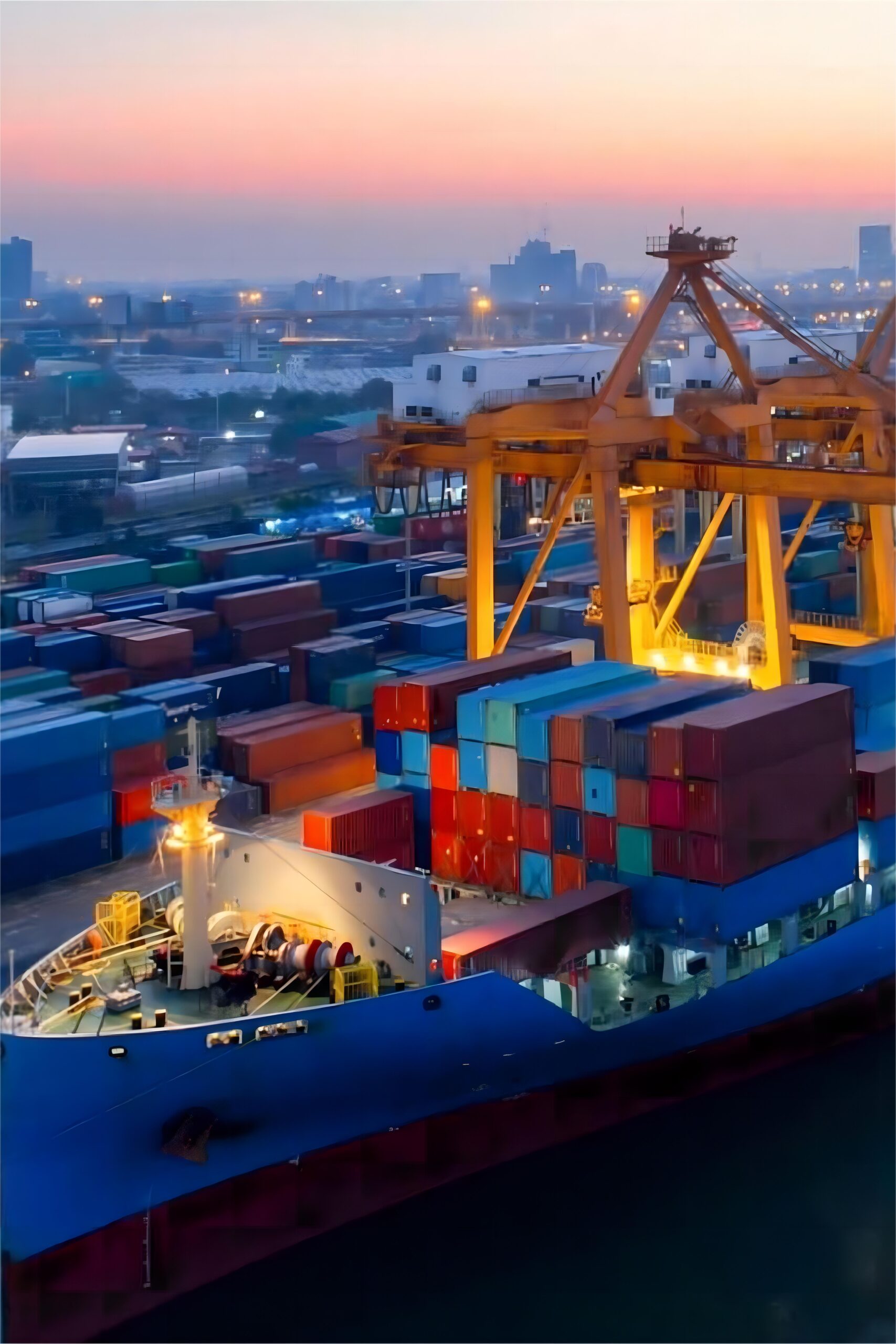
Case Study 1: Large Volume Electronics via Sea Freight FCL
This scenario demonstrates the efficiency of FCL sea freight for substantial cargo volumes where cost-effectiveness is a priority over extreme speed. Based on Q1 2025 market rates, this remains a popular choice for consistent inventory replenishment.
| Detail | Description |
|---|---|
| Route | Los Angeles, USA -> Singapore |
| Cargo | Electronics components, 65 CBM, 12,000 kg |
| Container | 40HQ |
| Shipping Details | Carrier: Maersk, Port of Loading: Los Angeles, Port of Discharge: Singapore, Route Type: Direct |
| Cost Breakdown | Ocean Freight: $3,800, Origin Charges: $550, Destination Charges: $450, Customs & Duties (estimated): $250, Total Landed Cost: $5,050 |
| Timeline | Booking to Loading: 5 days, Sea Transit: 22 days, Customs Clearance: 2 days, Total Door-to-Door: 29 days |
| Key Insight | Cost-effective for bulk, non-urgent inventory, but requires careful lead time planning. |
Case Study 2: Specialized Machinery Parts via Sea Freight LCL
For smaller, less time-critical shipments, LCL provides a viable and economical option. This example illustrates how consolidating cargo can reduce expenses, though with a slightly extended transit time due to the transshipment process. Typical rates as of early 2025 reflect this balance.
| Detail | Description |
|---|---|
| Route | Houston, USA -> Singapore |
| Cargo | Specialized machinery parts, 8 CBM, 2,500 kg |
| Container | LCL 8 CBM |
| Shipping Details | Carrier: Major consolidator, Port of Loading: Houston, Port of Discharge: Singapore, Route Type: Transshipment via Busan |
| Cost Breakdown | Ocean Freight: $960 (8 CBM @ $120/CBM), Origin Charges: $300, Destination Charges: $280, Customs & Duties (estimated): $180, Total Landed Cost: $1,720 |
| Timeline | Booking to Loading: 7 days, Sea Transit: 30 days, Customs Clearance: 3 days, Total Door-to-Door: 40 days |
| Key Insight | Economical for smaller consignments, but requires patience due to longer transit and handling. |
Case Study 3: Urgent Medical Devices via Air Freight
When speed is paramount, air freight is the undisputed choice, as shown in this case for high-value, critical medical devices. Based on Q1 2025, air freight costs reflect its premium service, ensuring rapid delivery to meet urgent demands.
| Detail | Description |
|---|---|
| Route | Chicago O’Hare, USA -> Changi, Singapore |
| Cargo | High-value medical devices, 2 CBM, 350 kg |
| Container | Air cargo pallet |
| Shipping Details | Carrier: FedEx Express, Port of Loading: Chicago O’Hare, Port of Discharge: Changi, Route Type: Direct |
| Cost Breakdown | Air Freight: $3,500, Origin Charges: $250, Destination Charges: $180, Customs & Duties (estimated): $100, Total Landed Cost: $4,030 |
| Timeline | Booking to Loading: 1 day, Air Transit: 2 days, Customs Clearance: 1 day, Total Door-to-Door: 4 days |
| Key Insight | Fastest option for critical or high-value goods, justifying the higher cost through speed and reliability. |
How Does Sea Freight Compare to Other Shipping Options?
While sea freight is often the default for its cost-effectiveness, it’s crucial to compare it with other viable alternatives for US dispatch freight matching Singapore. The primary alternative is air freight, offering a significant trade-off between speed and cost. Understanding these differences helps in making informed decisions for your cargo.
Moreover, hybrid solutions, such as Sea-Air combinations (e.g., sea to a regional hub, then air to Singapore), can offer a middle ground. However, for direct US to Singapore routes, these are less common and often less efficient than a straightforward sea or air approach. Direct routes generally save 5-7 days compared to transshipment via a major hub like Busan, though they may cost 10-15% more.
| Shipping Method | Cost Range (40HQ / 100kg) | Transit Time | Best For | Limitations |
|---|---|---|---|---|
| Sea Freight (FCL) | $3,000-5,000 (40HQ) | 20-35 days | Large volume, non-urgent, heavy goods | Slowest, port congestion risks |
| Sea Freight (LCL) | $80-120/CBM | 30-45 days | Small to medium volume, cost-sensitive | Longer transit, more handling |
| Air Freight | $3.50-$6.00/kg (approx. $350-600/100kg) | 3-7 days | Urgent, high-value, perishable goods | Most expensive, size/weight restrictions |
Which Option Should You Choose for Your US Dispatch to Singapore?
Deciding on the best shipping method for your US dispatch freight matching Singapore depends heavily on your specific business priorities. Consider these factors to make an informed choice.
If budget is your top priority, sea freight (FCL or LCL) is generally the most economical option. Conversely, if speed is paramount, especially for time-sensitive inventory or high-value goods, air freight is the clear winner. Cargo type also plays a significant role; bulky, heavy, or non-perishable goods suit sea freight, while fragile, perishable, or critical items benefit from air transport.
Finally, volume thresholds are crucial. For shipments under 15 CBM, LCL at $80-120/CBM can be more economical than paying for an entire FCL container. However, exceeding this volume often makes FCL more cost-efficient per unit. Always assess these aspects carefully to optimize your shipping strategy.
Optimizing Your US-Singapore Supply Chain with a Trusted Partner
Navigating the complexities of US dispatch freight matching Singapore requires expertise and a robust network. A reliable freight forwarder, such as VeloTactics Logistics, can provide end-to-end solutions, from origin pickup to final delivery. They streamline processes, manage documentation, and offer real-time cargo tracking.
Moreover, a professional partner stays abreast of the latest logistics trends and market conditions, like the stabilization of freight rates in Q1 2025 after recent global disruptions. They can advise on the most efficient routes and cost-saving strategies, ensuring your goods reach Singapore safely and on schedule. This partnership is invaluable for maintaining a competitive edge in international trade.
Conclusion
Effective US dispatch freight matching Singapore is a cornerstone of successful international trade. By carefully considering factors like cargo type, urgency, and budget, businesses can choose between sea and air freight, or even a combination, to optimize their supply chain. Navigating customs and compliance efficiently further ensures smooth operations.
Ultimately, partnering with an experienced logistics provider like VeloTactics Logistics simplifies these intricate processes, offering peace of mind and ensuring timely, cost-effective delivery of your goods to Singapore. Understanding these dynamics is key to unlocking global market opportunities.
Need a tailored shipping solution?
Ready to optimize your US dispatch freight matching Singapore? Contact VeloTactics Logistics today for a tailored solution that meets your specific needs. Request a personalized quote and let our experts handle your international shipping complexities with precision and care. Visit velotac-log.com/contact/ to get started.