
US Dispatch Warehouse for Philippines Export: Your Essential Guide
Expanding your business into the vibrant Philippine market demands a robust and efficient logistics strategy. A dedicated US dispatch warehouse for Philippines export serves as a critical link in this complex supply chain. This strategic asset helps streamline operations, reduce costs, and accelerate delivery times for businesses targeting the Philippines.

What is a US Dispatch Warehouse for Philippines Export?
Essentially, a US dispatch warehouse acts as a centralized hub for goods destined for the Philippines. Businesses can consolidate products from various suppliers across the United States at this facility. Consequently, this allows for more efficient packaging, labeling, and documentation before international shipment.
Furthermore, these warehouses often provide value-added services such as quality checks, inventory management, and cross-docking services. They are vital for businesses aiming for a seamless export logistics Philippines operation. Ultimately, such facilities ensure your products are ready for their long journey across the Pacific.
Why Choose a US Dispatch Warehouse for Your Philippines Exports?
Utilizing a US dispatch warehouse offers numerous strategic advantages for businesses. Firstly, it significantly enhances supply chain optimization. By consolidating shipments, you dramatically reduce individual shipping costs and complex freight rates.
Moreover, these facilities provide greater control over your inventory management USA. You can store goods, manage returns, and prepare orders efficiently, ensuring an efficient distribution network. This centralized approach also minimizes the risk of delays and errors, which are common in international shipping.
Additionally, a reliable dispatch service helps navigate the intricacies of international freight services. They offer expert guidance on regulatory compliance and documentation, ensuring a smoother customs clearance Philippines process. This proactive approach saves time and prevents costly penalties.
Finally, for e-commerce fulfillment Philippines, a dispatch warehouse provides the speed and accuracy customers demand. Faster processing and reliable delivery schedules build customer trust and loyalty. This makes your international operations more competitive and profitable.
Key Services Offered by a US Dispatch Warehouse
A comprehensive US dispatch warehouse provides a suite of services designed to simplify your export process. These often include receiving, inspection, storage, and order fulfillment. Moreover, they manage packaging and labeling according to Philippine import regulations.
Consolidation is a primary benefit, allowing multiple smaller shipments to be combined into one larger, more cost-effective cargo. For example, if you have several suppliers, the warehouse can collect all items and ship them together. This reduces overall shipping costs significantly.
Many advanced facilities also offer specialized warehousing solutions. This includes climate-controlled storage for sensitive goods or specialized handling for fragile items. They also provide detailed tracking and visibility, giving you real-time updates on your cargo handling.
Furthermore, some warehouses offer direct integration with your sales platforms for automated order processing. They can also facilitate various services like cross-docking for quick turnaround. This efficiency is crucial for maintaining tight delivery schedules.

Navigating Customs and Compliance for Philippines Export
Exporting to the Philippines involves strict customs procedures and regulatory compliance. A knowledgeable US dispatch warehouse partner, often working with an experienced freight forwarder Philippines, will guide you through this complex landscape. This ensures all necessary paperwork is correctly prepared and submitted.
Indeed, understanding Philippine import duties, taxes, and restricted items is paramount. Inaccurate documentation can lead to significant delays and penalties, affecting your delivery schedule. Therefore, expert assistance in customs brokerage is invaluable.
Below is a general checklist of common documents required for export to the Philippines. However, specific requirements can vary based on the type of goods and current regulations. Always consult with your logistics provider for the most up-to-date information.
| Document Type | Purpose | Issuing Party | Notes |
|---|---|---|---|
| Commercial Invoice | Details of goods, value, terms of sale | Exporter | Must be accurate for customs valuation |
| Packing List | Itemizes contents of each package | Exporter | Matches invoice, aids inspection |
| Bill of Lading / Air Waybill | Contract of carriage, title to goods | Carrier | Essential for tracking and pickup |
| Certificate of Origin | Confirms country of manufacture | Exporter/Chamber of Commerce | May be required for preferential tariffs |
| Export License | Permit for controlled goods | Government Agency | Required for specific products (e.g., certain chemicals) |
How Does Shipping from a US Dispatch Warehouse to the Philippines Work?
The process typically begins with your goods arriving at the US dispatch warehouse. Here, they undergo inspection and are entered into the inventory system. Next, orders are picked, packed, and labeled according to their final destination in the Philippines.
Subsequently, goods are consolidated for optimal loading into containers for sea freight or prepared for air freight. The choice between these methods depends largely on the urgency and volume of your shipment. Documentation for customs is finalized at this stage.
Finally, the cargo is transported to the port or airport for departure. Upon arrival in the Philippines, local agents manage customs clearance and last-mile delivery Philippines. Throughout this journey, tracking and visibility tools keep you informed of your shipment’s progress.
How Does Shipping from the US Compare to Other Options?
When considering a US dispatch warehouse for Philippines export, evaluating shipping methods is crucial. The primary options are sea freight and air freight, each presenting distinct advantages and trade-offs. Your decision will depend on factors like budget, urgency, and cargo type.
Furthermore, understanding the nuances of each method can significantly impact your supply chain and overall shipping costs. For instance, while air freight offers speed, sea freight provides substantial cost savings for larger volumes. Consider the following comparison to make an informed choice.
| Shipping Method | Cost Range (40HQ / 100kg) | Transit Time (Days) | Best For | Limitations |
|---|---|---|---|---|
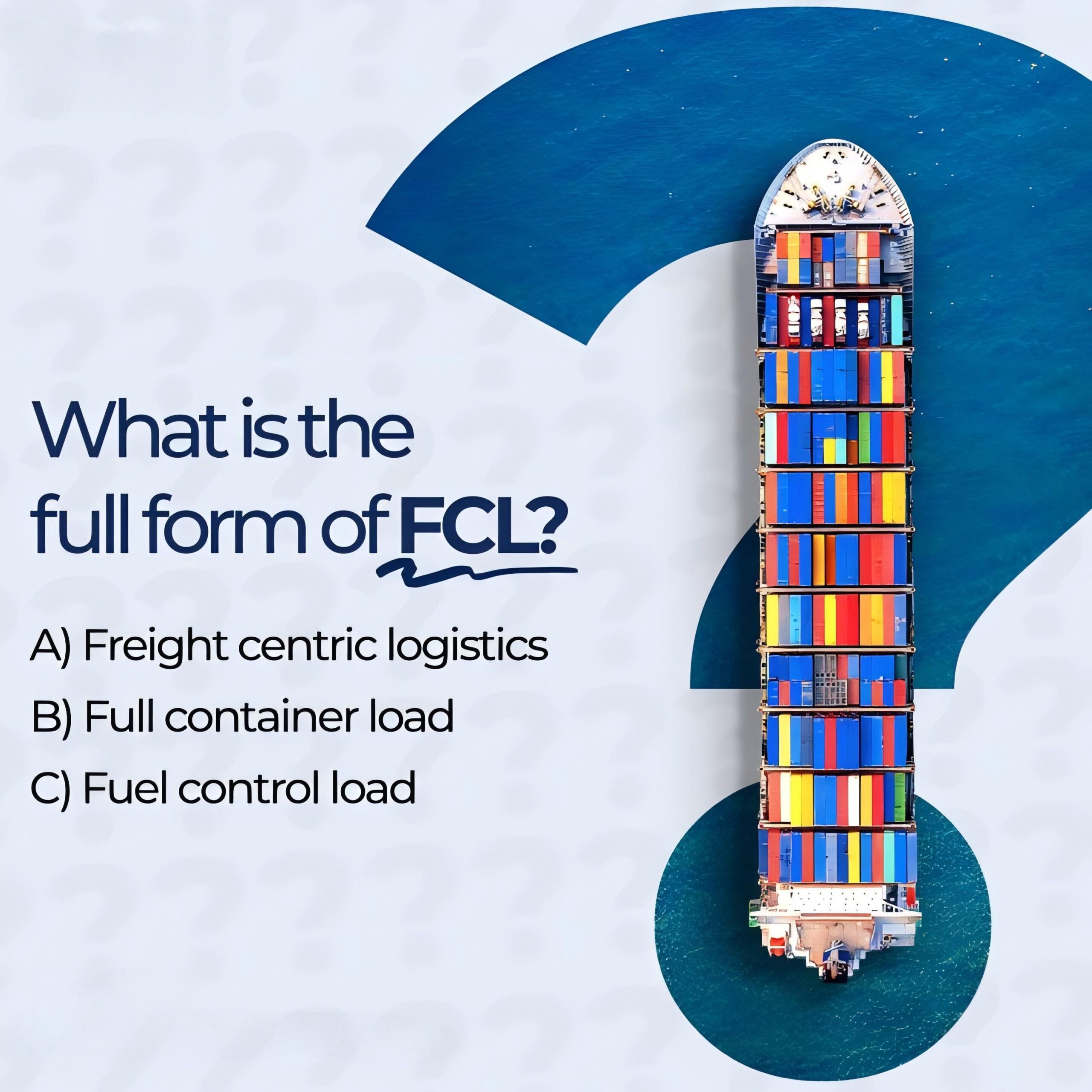
| Sea Freight (FCL) | $3,000 – $5,500 (40HQ) | 30 – 45 | Large volumes, heavy goods, non-urgent | Slow transit, port congestion risks |
| Sea Freight (LCL) | $80 – $150 per CBM | 35 – 50 | Smaller volumes, cost-sensitive | Longer transit, potential for delays |
| Air Freight (General) | $4 – $8 per kg (100kg) | 5 – 10 | Urgent, high-value, perishable goods | High cost, weight/volume restrictions |
| Express Courier | $10 – $20 per kg | 2 – 5 | Documents, samples, small urgent packages | Very high cost, strict size limits |
Which Option Should You Choose?
Your choice of shipping method from a US dispatch warehouse to the Philippines hinges on several factors. Therefore, carefully assess your priorities before making a decision.
If budget is your primary concern, and you have flexible transit time, sea freight is undoubtedly the most cost-effective solution. Conversely, for urgent, high-value, or time-sensitive cargo, air freight is the superior choice, despite its higher cost. Cargo type also plays a role; delicate items might benefit from air freight’s quicker handling. For example, shipments under 150 kg are often more economical via air, whereas anything above that usually favors sea freight. Hybrid solutions, combining sea for bulk and air for urgent components, can also be explored for unique needs.
Real-World Success: Case Studies in Philippines Export
Examining real-world scenarios highlights the tangible benefits of leveraging a US dispatch warehouse for Philippines export. These examples demonstrate how strategic logistics planning can overcome common challenges and achieve efficient distribution network goals. They showcase successful supply chain optimization.
Based on Q3 2024 market rates, these case studies illustrate typical shipping experiences. However, actual freight rates are subject to change based on fuel costs, carrier capacity, and seasonal demand. Always contact us for a current quote tailored to your specific shipment.
Case Study 1: E-commerce Retailer Expanding to Manila
| Detail | Description |
|---|---|
| Route | Los Angeles, USA -> Manila, Philippines |
| Cargo | Assorted apparel and accessories, 25 CBM, 4,500 kg |
| Container | LCL 25 CBM |
| Shipping Details | |
| – Carrier/Service | Major LCL consolidator |
| – Port of Loading | Los Angeles (LAX) |
| – Port of Discharge | Manila International Container Terminal (MICT) |
| – Route Type | Direct |
| Cost Breakdown | |
| – Ocean Freight | $2,000 (approx. $80/CBM) |
| – Origin Charges (THC, documentation) | $450 |
| – Destination Charges | $600 |
| – Customs & Duties (estimated) | $1,200 |
| – Total Landed Cost | $4,250 |
| Timeline | |
| – Booking to Loading | 5 days |
| – Sea Transit | 20 days |
| – Customs Clearance | 4 days |
| – Total Door-to-Door | 29 days |
| Key Insight | Consolidating multiple small orders into an LCL shipment via a US dispatch warehouse significantly reduced per-unit shipping costs and simplified customs. This allowed the e-commerce retailer to offer competitive pricing in the Philippine market. |
Case Study 2: Industrial Parts for Cebu Manufacturer
| Detail | Description |
|---|---|
| Route | Houston, USA -> Cebu, Philippines |
| Cargo | Specialized machinery components, 18,000 kg |
| Container | 1 x 20GP |
| Shipping Details | |
| – Carrier/Service | COSCO |
| – Port of Loading | Houston |
| – Port of Discharge | Port of Cebu |
| – Route Type | Transshipment via Busan, South Korea |
| Cost Breakdown | |
| – Ocean Freight | $3,800 |
| – Origin Charges (THC, documentation) | $600 |
| – Destination Charges | $750 |
| – Customs & Duties (estimated) | $1,800 |
| – Total Landed Cost | $6,950 |
| Timeline | |
| – Booking to Loading | 7 days |
| – Sea Transit | 35 days |
| – Customs Clearance | 5 days |
| – Total Door-to-Door | 47 days |
| Key Insight | Despite the transshipment route, the US dispatch warehouse managed all consolidation and specialized handling. This ensured the heavy industrial parts arrived safely and within the manufacturer’s production schedule, illustrating effective risk mitigation for complex cargo handling. |
Case Study 3: Urgent Medical Supplies to Davao
| Detail | Description |
|---|---|
| Route | Chicago, USA -> Davao, Philippines |
| Cargo | Temperature-sensitive medical devices, 150 kg |
| Container | Air Cargo (General) |
| Shipping Details | |
| – Carrier/Service | FedEx Express Cargo |
| – Port of Loading | Chicago O’Hare (ORD) |
| – Port of Discharge | Davao International Airport (DVO) |
| – Route Type | Direct (with stopovers) |
| Cost Breakdown | |
| – Air Freight | $900 (approx. $6/kg) |
| – Origin Charges (documentation, handling) | $150 |
| – Destination Charges | $100 |
| – Customs & Duties (estimated) | $300 |
| – Total Landed Cost | $1,450 |
| Timeline | |
| – Booking to Loading | 1 day |
| – Air Transit | 3 days |
| – Customs Clearance | 2 days |
| – Total Door-to-Door | 6 days |
| Key Insight | For urgent and critical shipments, a US dispatch warehouse rapidly processed and dispatched the medical supplies. This significantly reduced transit time, proving essential for health-related cargo where speed is paramount. The efficient distribution network minimized potential damage risks. |
Choosing the Right US Dispatch Warehouse Partner
Selecting an ideal partner for your US dispatch warehouse for Philippines export is a pivotal decision. Look for providers with proven experience in international logistics, especially with Asian markets. Their expertise in regulatory compliance and local customs procedures is invaluable.
Consider their range of services, including advanced inventory management systems and robust security protocols. A partner like VeloTactics Logistics offers comprehensive solutions, from warehousing to freight forwarding. They ensure seamless operations and peace of mind.
Furthermore, evaluate their communication and transparency. You need a partner who provides clear tracking and proactive updates on your cargo’s status. Ultimately, a strong partnership means reduced stress and improved efficiency for your global trade endeavors.
Optimizing Your Supply Chain with a US Dispatch Warehouse
Integrating a US dispatch warehouse into your supply chain is a powerful step towards optimization. It allows for better inventory control, reducing the need for large safety stocks and minimizing carrying costs. This also improves your overall cash flow management.
Moreover, by centralizing your export operations, you gain greater flexibility in responding to market demands in the Philippines. You can quickly scale up or down based on sales trends, without overhauling your entire logistics infrastructure. This adaptability is key in dynamic global trade.
Ultimately, a well-managed US dispatch warehouse facilitates a more responsive and resilient supply chain. It helps mitigate risks associated with port congestion or unforeseen delays, ensuring a more consistent delivery schedule. This strategic advantage helps secure your market position in the Philippines.
Conclusion: Unlock Your Philippines Export Potential
In conclusion, leveraging a dedicated US dispatch warehouse for Philippines export is more than just a logistical convenience; it’s a strategic imperative. It provides a robust framework for efficient consolidation, meticulous customs compliance, and reliable delivery, ultimately enhancing your competitive edge.
By partnering with experienced logistics providers, businesses can navigate the complexities of international trade with confidence. This ensures your products reach the Philippine market efficiently and cost-effectively. Explore how a specialized dispatch warehouse can transform your global supply chain today.
Need a tailored shipping solution?
Ready to optimize your export strategy to the Philippines? Contact VeloTactics Logistics today to discuss your specific needs and receive a tailored quote. Let us help you streamline your US dispatch warehouse for Philippines export operations.