
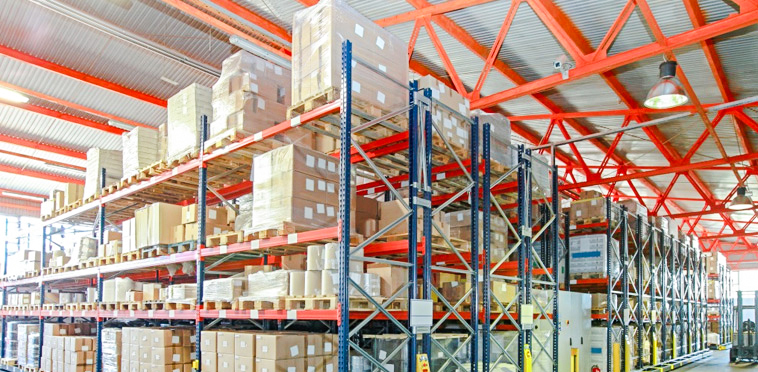
Singapore’s fast-growing startup ecosystem depends heavily on reliable global supply chains. However, many early-stage companies struggle with inventory processing, labeling accuracy, export documents, and inconsistent carrier schedules when shipping from the United States. Therefore, choosing the right US dispatch warehouse for Singapore startups becomes a crucial operational decision. This guide explains how dispatch works, why it matters, and how startups can streamline their logistics without overspending.

What Does a Us Dispatch Warehouse for Singapore Startups Actually Do?
A dispatch warehouse prepares inventory for international shipping by combining storage, processing, and export coordination. Moreover, US-based startups targeting Southeast Asia often need support with packaging, labeling, and compliance before goods move to major hubs like Singapore’s Changi Airfreight Centre or Jurong Port.
Core Functions of a Dispatch Warehouse
- Receiving and scanning inbound inventory
- FBA-style or marketplace-ready labeling
- Carton inspection and repacking
- Export paperwork preparation
- Freight booking and routing selection
- Consolidation across multiple SKUs
- Status updates and exception handling
Velotactics Logistics operates a US dispatch workflow designed specifically for agile Singapore startups who require speed, accuracy, and scalability without hiring in-house logistics teams.
Why Do Singapore Startups Need a US Dispatch Warehouse?
Startups face unique challenges: lean teams, limited logistics experience, and the need to scale quickly. Additionally, US-origin inventory often requires complex handling before it is shipped internationally.
Key Benefits for Startups
- Faster warehouse processing
- Lower international shipping costs through consolidation
- More accurate packing to prevent customs issues
- Better visibility into order status
- Improved inventory turnover through predictable schedules
- Support for small batch shipments during early growth stages
Therefore, a dispatch warehouse becomes a strategic partner, not just a service provider.
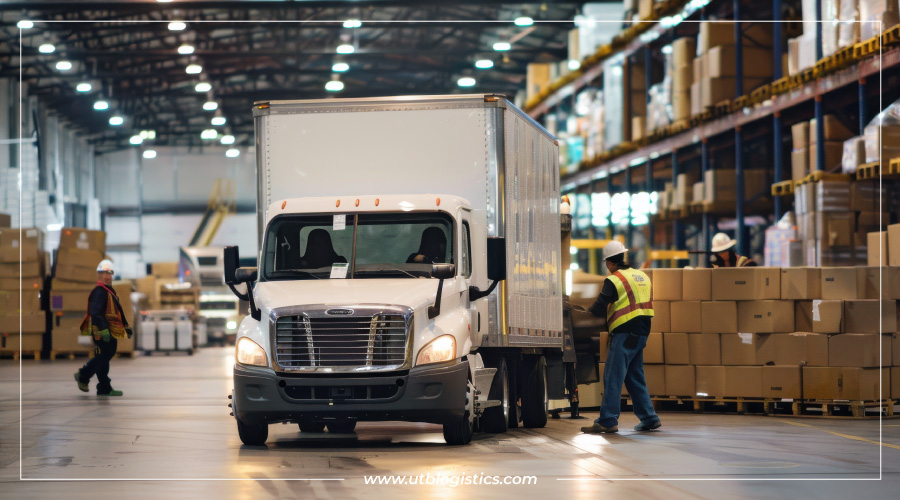
What International Shipping Options Work Best for Startups Shipping to Singapore?
Shipping mode determines cost and delivery time—a major factor for early-stage brands. Furthermore, Singapore’s strong logistics infrastructure allows more flexibility than many other markets.
Shipping Comparison Table
| Mode | Cost Level | Transit Time | Best For | Pros | Cons |
|---|---|---|---|---|---|
| Express Courier | High | 3–5 days | Samples, urgency | Fast, predictable | Expensive |
| Air Freight | Medium | 5–9 days | High-value restock | Balanced performance | Requires customs coordination |
| Postal + Hybrid Air | Low–Medium | 8–14 days | D2C shipments | Affordable | Limited tracking |
| Sea Freight LCL | Low | 18–28 days | Bulk shipments | Best cost per unit | Slow transit |
| Air–Sea Hybrid | Medium | 10–15 days | Growth-stage brands | Good balance | Less predictable |
Because Singapore is a high-speed ecommerce market with short delivery expectations, most startups use air freight for restocks and LCL for stable replenishment cycles.
What Export Documents Are Required When Shipping From the US to Singapore?
Proper documentation is critical for smooth clearance at Singapore Customs. Moreover, incomplete files may delay shipments, affect customer timelines, or incur penalties.
Essential Export Documentation Checklist
| Document | Purpose |
|---|---|
| Commercial Invoice | Declares value and product details |
| Packing List | Confirms dimensions & SKU count |
| Air Waybill / Bill of Lading | Transport contract |
| HS Code Declaration | Determines taxes & clearance |
| Export Declaration (AES) | Required by US export law |
| Certificate of Origin (if applicable) | For tariff benefits |
| MSDS or compliance files | Needed for restricted items |
Velotactics Logistics helps startups review each document to ensure accuracy and avoid customs issues.
How Long Does the Dispatch and Shipping Process Usually Take?
Dispatch timing depends on warehouse workflow, freight availability, and compliance review. Nevertheless, the following timeline applies to most Singapore-bound startups.
Typical Workflow Timeline
| Stage | Estimated Time |
|---|---|
| Inbound receiving | 1–2 days |
| Labeling & packaging | 1–3 days |
| Export paperwork | 1 day |
| Freight booking | 1–2 days |
| Air transit | 5–9 days |
| Sea transit | 18–28 days |
| Final delivery in SG | 1–2 days |
Consequently, startups should plan replenishment cycles 10–20 days in advance depending on mode of transport.
What Challenges Do Startups Face When Managing Dispatch From the US?
Early-stage businesses often lack logistics experience, leading to avoidable mistakes.
Common Pain Points
- Inaccurate SKU counts during receiving
- Wrong carton dimensions leading to higher dimensional weight charges
- Unscannable labels during customs inspection
- Poor packaging causing product damage
- Missing or incorrect HS codes
- Overpriced freight due to lack of negotiation
- Slow response to carrier schedule changes
Nevertheless, these issues can be resolved through structured dispatch workflows and proactive communication.
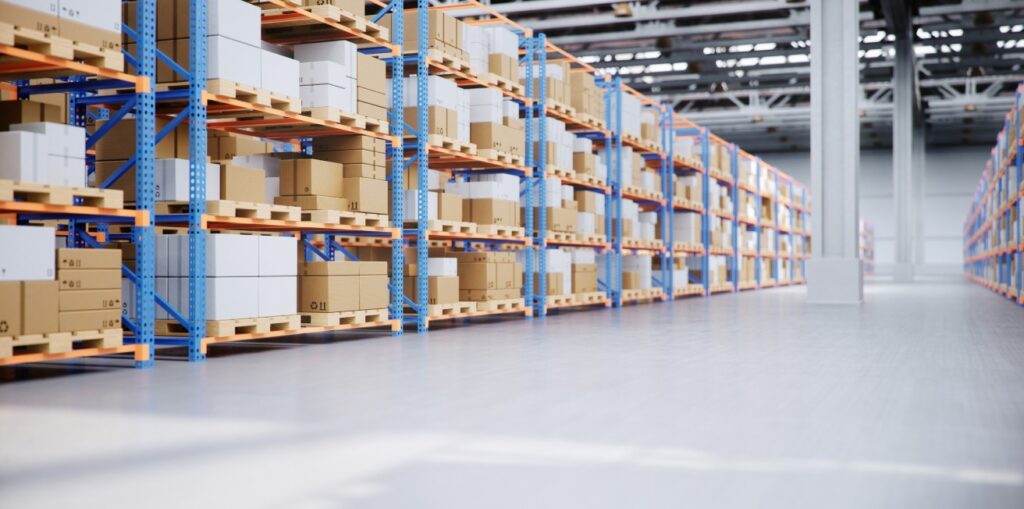
How Can Startups Optimize Their Dispatch Wor
Although every startup operates differently, several proven tactics help reduce cost and transit time.
Optimization Strategies
- Consolidate outbound shipments weekly
- Use automated scanning for accuracy
- Select stable carriers with multiple weekly departures
- Reduce carton weight to decrease air freight fees
- Standardize labeling to avoid cross-border rejections
- Use a dispatch warehouse with Amazon-style processes
Therefore, the right dispatch partner directly influences product availability and customer satisfaction.
Real Case Studies
- Cargo: 38 cartons
- Mode: Air Freight
- Transit: 6 days
- Cost: $6.50/kg
- Outcome: Velotactics reduced labeling errors by 90%, enabling the startup to meet a major campaign deadline.
- Cargo: 3 pallets
- Mode: Air–Sea Hybrid
- Transit: 12 days
- Cost Savings: 28% compared with full air
- Result: Consolidation helped the brand launch a retail partnership on time.
- Cargo: 2.4 CBM LCL
- Transit: 21 days
- Outcome: HS code correction prevented a 4-day customs hold. All cartons passed inspection on first attempt.
Why Choose Velotactics Logistics as Your US Dispatch Warehouse?
Velotactics Logistics specializes in serving growth-stage Singapore startups who need reliability, scalability, and real-time transparency.
Our Advantages
- Fast warehouse processing
- Marketplace-ready labeling & prep
- Flexible consolidation options
- Stable air & sea freight schedules
- Professional export documentation support
- Dedicated account managers for startups
- Lower cost through optimized routing
With Velotactics, early-stage companies gain enterprise-level logistics performance without enterprise-level complexity or cost.
Conclusion
Scaling into Singapore’s dynamic ecommerce and retail landscape requires more than great products—it demands a precise and reliable dispatch workflow. The right US dispatch warehouse for Singapore startups provides faster restocks, accurate documentation, and better freight planning. As a result, startups reduce delivery delays, lower logistics costs, and maintain steady growth momentum.
Velotactics Logistics equips Singapore entrepreneurs with a fully optimized warehouse-to-export pipeline to help them compete in one of Asia’s most advanced consumer markets.
Need a quote?
Ready to get started? Contact us now to request a free shipping quote.
Frequently Asked Questions (FAQ)
Yes. Strong export-ready packaging prevents damage during long-haul transport.
Absolutely. Consolidation is one of the most effective cost-saving methods.
A commercial invoice, packing list, HS code, and compliance files are typically required.
Plan 10–20 days ahead depending on freight mode and campaign schedules.
Yes. Incorrect codes may trigger inspections or re-classification delays.