
Reliable bonded trucking is essential for Singapore exporters moving cargo through the United States, especially when goods must remain under customs seal before leaving the country. Because sensitive products, high-value shipments, and transshipment freight often require bonded handling, understanding how US drayage bonded trucking works helps exporters prevent delays, reduce compliance risks, and protect cargo integrity. When planned correctly, bonded transfers eliminate unnecessary inspections and accelerate transit through major US gateways.

Why Do Singapore Exporters Need US Drayage Bonded Trucking?
Exporters choosing transshipment via US ports face unique customs control requirements. Since bonded trucking keeps cargo under CBP supervision, it prevents premature duty assessment, avoids local clearance, and maintains cargo flow toward the outbound vessel or aircraft. Moreover, bonded trucking is essential when cargo moves from one port to another or into a bonded warehouse for temporary storage. Because any non-bonded move may trigger extra fees or delays, Singapore shippers rely on bonded drayage to protect their schedules.
How Does Bonded Trucking Work Inside the US Supply Chain?
Bonded trucking operates under a structured chain-of-custody model. After the container arrives at the US terminal, a bonded carrier retrieves it under CBP approval. The truck transports the sealed cargo to another port, a CFS station, or a Type 86/Type 21 warehouse without breaking the seal. Additionally, each movement is tracked through the Automated Commercial Environment (ACE) to ensure compliance. Therefore, the process keeps goods aligned with US customs rules while maintaining onward movement toward Singapore-bound vessels.
What Are the Main Advantages of US Bonded Drayage for Singapore Shipments?
1. Faster Transshipment Routing
Cargo avoids local customs entry, enabling quicker port-to-port or port-to-warehouse transfers.
2. Protection Against Unplanned Inspections
Bonded trucking limits cargo exposure, reducing re-handling and congestion delays.
3. Lower Cost for Non-US-Destined Shipments
Because duties are not triggered, exporters prevent unnecessary import charges.
4. Higher Cargo Security
Sealed containers remain intact until reaching an authorized bonded facility.
These advantages make bonded trucking especially valuable for Singapore exporters shipping electronics, pharmaceuticals, machinery, and time-sensitive freight.
Which Cargo Types From Singapore Benefit Most From Bonded Drayage?
Goods frequently using bonded trucking include:
- Transshipment cargo routed through US hubs
- High-value electronics
- Semiconductor equipment
- Pharmaceutical supplies
- Precision machinery
- Bulk consolidated shipments
- E-commerce products moving under Type 86 rules
Because these categories demand predictability and customs compliance, bonded transport minimizes operational risk and protects supply chain continuity.
How Do Exporters Choose the Right US Bonded Drayage Provider?
Exporters must consider carrier certification, customs experience, and bonding authority. The provider should maintain an active bond with US Customs and Border Protection and operate a fleet authorized for bonded movements. Additionally, the company should offer:
- Fast terminal appointments
- Real-time bonded status updates
- Routing guidance across customs corridors
- Bonded warehouse integration
- Seal inspection and automated documentation
Velotactics Logistics often coordinates bonded drayage with strong visibility tools, ensuring Singapore exporters can monitor route progress and avoid detention at transshipment hubs.
What Documents Are Required for US Bonded Trucking?
Below is a checklist frequently used by bonded carriers:
Bonded Trucking Documentation Checklist
| Document | Purpose |
|---|---|
| Arrival Notice | Confirms terminal availability |
| In-Bond Number (IT / IE / T&E) | Tracks bonded movement |
| Ocean Bill of Lading | Verifies shipment origin |
| Truck Release / Terminal Appointment | Authorizes pickup |
| Seal Verification Record | Ensures cargo integrity |
| Bonded Carrier License | Required for legal movement |
| Warehouse/Port Delivery Order | Indicates next bonded destination |
Because accuracy and timing are critical, exporters should prepare documents before the vessel arrives at the first US port.
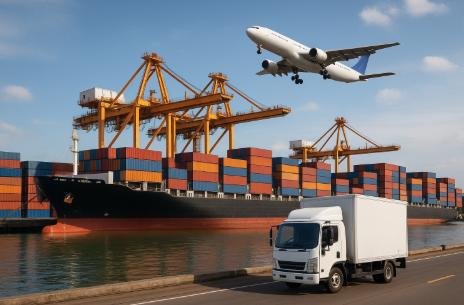
What Are the In-Bond Codes Exporters Should Understand?
US bonded trucking operates under three primary codes:
- IT (Immediate Transportation) – Cargo moves to another port before export
- T&E (Transportation and Exportation) – Cargo transits the US en route to another country
- IE (Immediate Exportation) – Cargo leaves the same port of arrival
Singapore shipments most commonly use T&E when routing through Los Angeles, New York, Long Beach, Tacoma, or Savannah for onward export.
How Can Singapore Exporters Minimize Bonded Trucking Delays?
Exporters can speed up bonded transfers by following several practical steps:
- Provide accurate cargo weight and dimensions
- Pre-submit in-bond numbers to the bonded carrier
- Avoid peak-hour terminal pickup windows
- Coordinate with bonded warehouses for quick intake
- Maintain flexible routing plans
- Ensure the seal is intact upon arrival
By applying these measures, onward movement to Singapore-bound vessels becomes more predictable.
Real Case Studies (Markdown * Format as Requested)
- Origin–Destination: Singapore → Port of LA → Bonded Warehouse (Carson, CA)
- Cargo: Precision semiconductor machinery
- Mode: 40HQ
- Cost: USD 4,380
- Transit Time: 22 days
- Outcome:
By using bonded drayage, the cargo skipped local clearance, moved directly to a bonded warehouse, and avoided USD 500+ in storage fees due to terminal congestion.
- Origin–Destination: Singapore → NY/NJ Port → Export Terminal (JFK Airport)
- Cargo: E-commerce parcels under T&E rule
- Mode: 20GP consolidated
- Cost: USD 3,120
- Transit Time: 18 days
- Outcome:
Bonded trucking enabled rapid port-to-airport transfer. The cargo reached the re-export flight without inspection delays, cutting lead time by 2–3 days compared to non-bonded moves.
- Origin–Destination: Singapore → Savannah → Houston Port
- Cargo: High-value medical instruments
- Mode: 40HQ
- Cost: USD 4,950
- Transit Time: 27 days
- Outcome:
Seamless bonded routing protected shipment integrity and prevented costly diversion charges, ensuring timely export from Houston toward the final destination.
What Cost Factors Affect Bonded Drayage Pricing?
The cost of US bonded trucking depends on:
- Distance between ports or warehouses
- Terminal congestion levels
- Chassis type (standard vs. tri-axle for heavy cargo)
- Container weight
- Bond usage fees
- Appointment scheduling conditions
- Storage or demurrage at the terminal
Because bonded freight requires extra compliance management, bonded trucking commands slightly higher rates than standard drayage.
Comparison Table: Bonded vs. Non-Bonded Drayage
| Factor | Bonded Drayage | Standard Drayage |
|---|---|---|
| Customs Clearance | Not required | Required |
| Seal Handling | Must remain intact | Seal may be broken |
| Transshipment Speed | Faster | Slower |
| Duties & Taxes | Deferred | Assessed if cargo enters US commerce |
| Allowed Destinations | Bonded corridors only | Any domestic location |
| Risk of Delay | Lower | Higher |
This comparison illustrates why bonded drayage is the preferred choice for Singapore transshipment cargo.
How Do Bonded Warehouses Support Singapore Exporters?
Bonded warehouses offer temporary storage for in-transit or outbound cargo. They allow:
- Customs-controlled holding
- Repacking and sorting
- Labeling and consolidation
- Export staging
- Seal maintenance
- Duty deferral
Because Singapore exporters often consolidate cargo from multiple suppliers, bonded warehouses provide essential flexibility before final export.
Conclusion
US drayage bonded trucking for Singapore plays a vital role in keeping transshipment cargo compliant, secure, and fast-moving through American ports. When exporters choose experienced bonded carriers and plan routes strategically, they reduce delays, avoid unnecessary customs processes, and maintain high supply chain stability. Working with a bonded specialist also ensures that documentation, compliance, and seal integrity are always handled correctly. For time-sensitive shipments, bonded drayage remains one of the most effective ways to keep freight moving toward the next transport leg.
Need a quote?
Ready to get started? Contact us now to request a free shipping quote.
Frequently Asked Questions (FAQ)
Not always. Bonded trucking is required only when cargo is not entering US commerce and must remain under customs seal before re-export.
Yes. Faster port-to-warehouse transfers prevent cargo from sitting at congested terminals, reducing demurrage and storage charges.
No. Only carriers with a valid CBP bond and bonded trucking authority may transport in-bond freight.
Cargo can remain for extended periods depending on warehouse type, usually up to five years, giving exporters flexibility.
The original seal must remain intact until reaching an authorized bonded location. Breaking the seal prematurely violates customs requirements.