

US Drayage Chassis Shortage: Impact on Asia Trade & Solutions
“The US drayage chassis shortage profoundly impacts Asia-US trade, creating significant supply chain disruptions. Businesses importing goods from Asia face increased shipping costs, extended transit times, and unpredictable delivery schedules. Understanding this critical issue and its far-reaching effects is essential for maintaining efficient global logistics. Discover how VeloTactics Logistics can help you navigate these complex challenges effectively.”
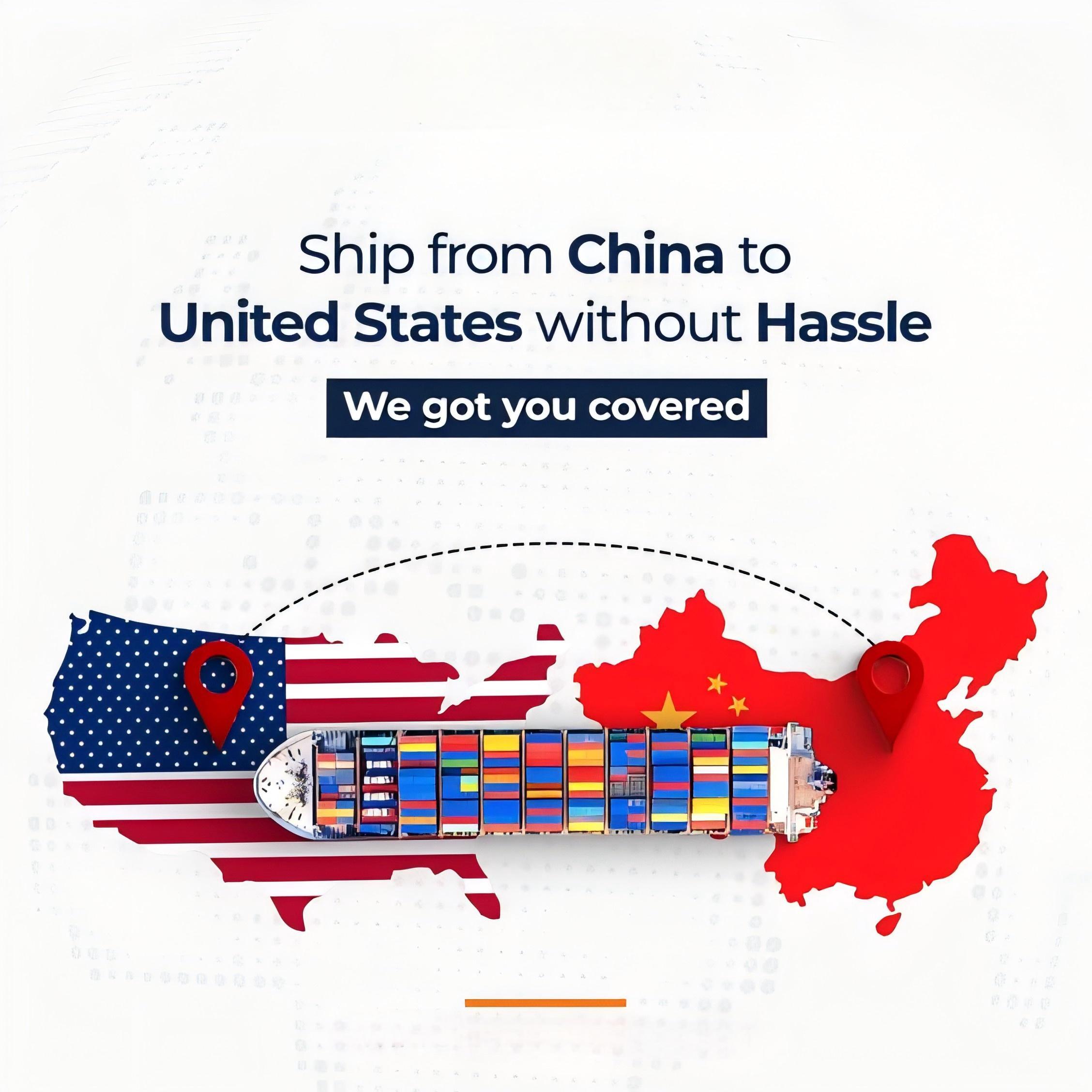
What is the US Drayage Chassis Shortage and Why is it Happening?
❖Drayage refers to the short-haul transportation of goods, typically by truck, from a port or rail terminal to a warehouse or distribution center. A chassis is the wheeled frame used to transport shipping containers. The current US drayage chassis shortage means there are simply not enough of these critical pieces of equipment available when and where they are needed.
This persistent drayage crisis stems from several interconnected factors. Primarily, a surge in import volumes from Asia has overwhelmed existing infrastructure and equipment pools. Consequently, chassis are often held up longer than usual, exacerbating chassis availability issues across major US ports.
Furthermore, an aging chassis fleet, coupled with limited new production and maintenance backlogs, contributes significantly. Port congestion effects also play a major role, as containers dwell for extended periods, tying up chassis and reducing container turnaround time. This creates a severe bottleneck in the supply chain.
| Factor | Description | Impact |
|---|---|---|
| Increased Imports | Unprecedented demand for goods from Asia | Overwhelmed port capacity and equipment. |
| Aging Fleet | Many chassis are old and require frequent maintenance | Reduces operational availability and reliability. |
| Port Congestion | Longer dwell times for containers at ports | Chassis tied up, leading to severe shortages. |
| Chassis Pool Management | Inefficient distribution and return of equipment | Exacerbates regional availability issues. |
How Does the Chassis Shortage Disrupt Asia-US Trade?
❖Without a doubt, the US drayage chassis shortage has profound implications for transpacific shipping delays. Importers frequently face significant delays in moving containers from ports, directly impacting their delivery schedule. This unpredictability makes planning and inventory management incredibly difficult for businesses.
As a result, shipping costs have soared dramatically. Increased demurrage and detention charges, incurred when containers or chassis are held beyond their free time, become unavoidable. These unexpected expenses significantly inflate overall freight rates and reduce profit margins for many companies.
Moreover, the reliability of the entire supply chain diminishes. Businesses importing from Asia often struggle to meet customer expectations due to these persistent logistics trends. Therefore, finding effective drayage crisis solutions is paramount for maintaining competitive advantage and operational efficiency. Consider ocean freight options that include robust drayage planning.
Navigating Port Congestion and Extended Transit Times
❖Port congestion remains a significant challenge, directly linked to the chassis shortage. Vessels often face long queues, leading to extended transit time for goods. This ripple effect delays cargo handling and subsequent inland transportation, creating international trade bottlenecks.
In addition, the lack of chassis exacerbates the problem by slowing down the movement of containers off the docks. This perpetuates port efficiency issues. Consequently, importers must devise strategies to mitigate these delays, such as pre-booking drayage and diversifying port entry points.
Effective planning is crucial. For instance, understanding peak seasons and potential surges in import logistics challenges can help businesses prepare. Furthermore, partnering with experienced freight forwarder strategies can provide valuable insights and proactive solutions to circumvent these common pitfalls.
Real-World Impacts: Case Studies of Drayage Challenges
❖The US drayage chassis shortage creates tangible impacts on businesses across various industries. These real-world examples illustrate the specific challenges faced by importers and the resulting cost and time implications. Understanding these scenarios helps in preparing for similar supply chain disruptions.
Case Study 1: Electronics from Shanghai to Chicago
| Field | Detail |
|---|---|
| Route | Shanghai, China -> Chicago, USA |
| Cargo | Consumer Electronics, 28 CBM, 9,500 kg |
| Container | 40HQ |
| Shipping Details | |
| Carrier/Service | COSCO |
| Port of Loading | Shanghai |
| Port of Discharge | Long Beach (LAX) |
| Route Type | Transshipment via rail to Chicago |
| Cost Breakdown | |
| Ocean Freight | $3,800 |
| Origin Charges (THC, documentation) | $350 |
| Destination Charges | $2,200 (Drayage from LAX to rail, rail to Chicago, chassis rental, demurrage due to 5 days chassis shortage delay) |
| Customs & Duties (estimated) | $800 |
| Total Landed Cost | $7,150 |
| Timeline | |
| Booking to Loading | 7 days |
| Sea Transit | 16 days |
| Customs Clearance | 3 days |
| Drayage/Rail Delay | 5 days |
| Total Door-to-Door | 31 days |
| Key Insight | Chassis shortage at LAX caused significant demurrage and extended rail transfer. |
Case Study 2: Apparel from Vietnam to Los Angeles
| Field | Detail |
|---|---|
| Route | Ho Chi Minh City, Vietnam -> Los Angeles, USA |
| Cargo | Fashion Apparel, 20 CBM, 5,000 kg |
| Container | LCL 20 CBM |
| Shipping Details | |
| Carrier/Service | Maersk |
| Port of Loading | Ho Chi Minh City |
| Port of Discharge | Long Beach (LAX) |
| Route Type | Direct |
| Cost Breakdown | |
| Ocean Freight | $1,500 ($75/CBM) |
| Origin Charges (THC, documentation) | $250 |
| Destination Charges | $1,100 (Drayage from LAX to warehouse, chassis rental, detention due to 3 days detention) |
| Customs & Duties (estimated) | $400 |
| Total Landed Cost | $3,250 |
| Timeline | |
| Booking to Loading | 5 days |
| Sea Transit | 18 days |
| Customs Clearance | 2 days |
| Drayage Delay | 3 days |
| Total Door-to-Door | 28 days |
| Key Insight | Even LCL shipments faced drayage delays, incurring detention charges for the container. |
Case Study 3: Furniture from Ningbo to New York
| Field | Detail |
|---|---|
| Route | Ningbo, China -> New York, USA |
| Cargo | Flat-pack Furniture, 65 CBM, 15,000 kg |
| Container | 40HQ |
| Shipping Details | |
| Carrier/Service | MSC |
| Port of Loading | Ningbo |
| Port of Discharge | Port of New York & New Jersey (NYNJ) |
| Route Type | Direct |
| Cost Breakdown | |
| Ocean Freight | $4,800 |
| Origin Charges (THC, documentation) | $400 |
| Destination Charges | $1,800 (Drayage from NYNJ to warehouse, chassis rental, port storage due to 4 days chassis delay and port storage) |
| Customs & Duties (estimated) | $1,200 |
| Total Landed Cost | $8,200 |
| Timeline | |
| Booking to Loading | 6 days |
| Sea Transit | 32 days |
| Customs Clearance | 3 days |
| Drayage Delay | 4 days |
| Total Door-to-Door | 45 days |
| Key Insight | East Coast ports also experience significant chassis availability issues, leading to higher port storage fees. |
Proactive Strategies to Mitigate Drayage Chassis Shortage Impact
❖Businesses can implement several key strategies to navigate the US drayage chassis shortage. Firstly, early booking and consistent communication with carriers and trucking solutions providers are vital. This ensures better access to limited equipment and helps in managing expectations for last-mile delivery.
Furthermore, diversifying port entry points can alleviate pressure on heavily congested hubs. Exploring alternative ports or considering different intermodal transport problems can provide flexibility. Therefore, robust freight forwarder strategies often involve dynamic route planning and risk assessment.
Optimizing warehouse capacity and utilizing transload services near ports are also effective. Transloading allows containers to be emptied quickly, returning chassis faster and reducing container turnaround time. This approach significantly minimizes potential demurrage and detention charges, improving overall import logistics challenges.
Without a doubt, collaborating with experienced logistics partners is crucial. Companies like VeloTactics Logistics offer specialized expertise in global supply chain management. We provide tailored warehousing services and drayage crisis solutions to ensure your goods move efficiently, even amidst these challenges.
How Does Managing Drayage Challenges Compare to Alternative Inland Logistics?
❖When facing the US drayage chassis shortage, importers must consider various inland transport options beyond relying solely on traditional drayage. Each method presents distinct advantages and limitations regarding cost of drayage, speed, and cargo handling capacity. Understanding these differences helps in making informed decisions for your supply chain.
Traditional drayage, while essential for port clearance, is vulnerable to chassis availability issues. Consequently, exploring alternatives or hybrid solutions becomes necessary to maintain ocean freight reliability. This section provides a comparison of key options for moving goods from US ports.
| Inland Method | Cost Range (per 40′ container) | Transit Time (from port) | Best For | Limitations |
|---|---|---|---|---|
| Traditional Drayage | $400 – $1,500 (short haul) | 1-3 days (if chassis available) | Direct delivery to local warehouse | High risk of delays/demurrage due to chassis shortage. |
| Transloading at Port | $800 – $2,000 (plus onward trucking) | 2-5 days (including transload) | High-volume, diverse cargo needing quick chassis return | Requires extra handling; can add complexity. |
| Rail Intermodal | $2,000 – $4,500 (long haul) | 5-10 days (after drayage to ramp) | Long-distance, heavy bulk cargo | Requires initial drayage to rail ramp; fixed schedules. |
| Dedicated Trucking | $1,500 – $5,000+ (variable) | 2-7 days (flexible routes) | Time-sensitive, specialized cargo | Higher cost; capacity can be limited. |
Which Option Should You Choose?
Making the right choice depends on your specific priorities. If budget is your primary concern, transloading can often reduce overall detention costs by quickly freeing up chassis. However, it involves additional cargo handling, which might not suit delicate goods.
Conversely, if speed is paramount, a dedicated trucking solution, although more expensive, offers greater flexibility and potentially faster delivery. For very long distances, rail intermodal is cost-effective after the initial drayage to the rail yard, offering a balance between cost and speed for certain types of cargo.
Ultimately, the optimal approach often involves a hybrid solution. For example, using transloading to quickly de-stuff containers at the port, then utilizing rail for long-haul transport, followed by local trucking for final delivery. This strategy effectively navigates chassis availability issues while optimizing costs and transit times.
VeloTactics Logistics: Your Partner in Overcoming Supply Chain Hurdles
❖Navigating the complexities of the US drayage chassis shortage requires expert guidance and robust solutions. VeloTactics Logistics stands as a reliable partner, offering comprehensive logistics services tailored to your unique import/export needs. We specialize in mitigating supply chain disruptions and optimizing your freight movements.
Our team employs advanced freight forwarder strategies, including proactive chassis pool management and strategic port relationships. We work diligently to minimize demurrage and detention charges, ensuring your cargo handling is as efficient as possible. This commitment helps maintain predictable delivery schedule, even in challenging market conditions.
Conclusion: Adapting to the New Reality of Asia-US Trade Logistics
The US drayage chassis shortage undeniably represents a significant hurdle for businesses engaged in Asia-US trade. Increased shipping costs, extended transit times, and complex port congestion effects demand proactive and adaptable logistics strategies. Addressing these import logistics challenges effectively is crucial for business continuity.
Fortunately, by understanding the root causes and implementing strategic solutions, businesses can mitigate the impact. Partnering with experienced logistics providers like VeloTactics Logistics offers the expertise and resources needed to navigate these international trade bottlenecks. Ultimately, resilience and informed decision-making will define success in this evolving landscape.
Ready to streamline your logistics?
Are you struggling with the US drayage chassis shortage and its impact on your Asia trade? Don’t let supply chain disruptions hinder your business growth. Contact VeloTactics Logistics today to discuss tailored drayage crisis solutions and optimize your import logistics challenges.
Request Quote