
US Drayage Container Pick Up for Vietnam Cargo: A Comprehensive Guide
Understanding US drayage container pick up for Vietnam cargo is paramount for efficient global supply chains. This crucial step connects your international shipments with domestic transportation networks. Navigating port operations and coordinating timely deliveries can present significant challenges for businesses. Discover how VeloTactics Logistics provides seamless solutions, ensuring your goods move efficiently from port to final destination. Visit VeloTactics Logistics to explore our comprehensive services.
What is US Drayage for Vietnam Cargo?
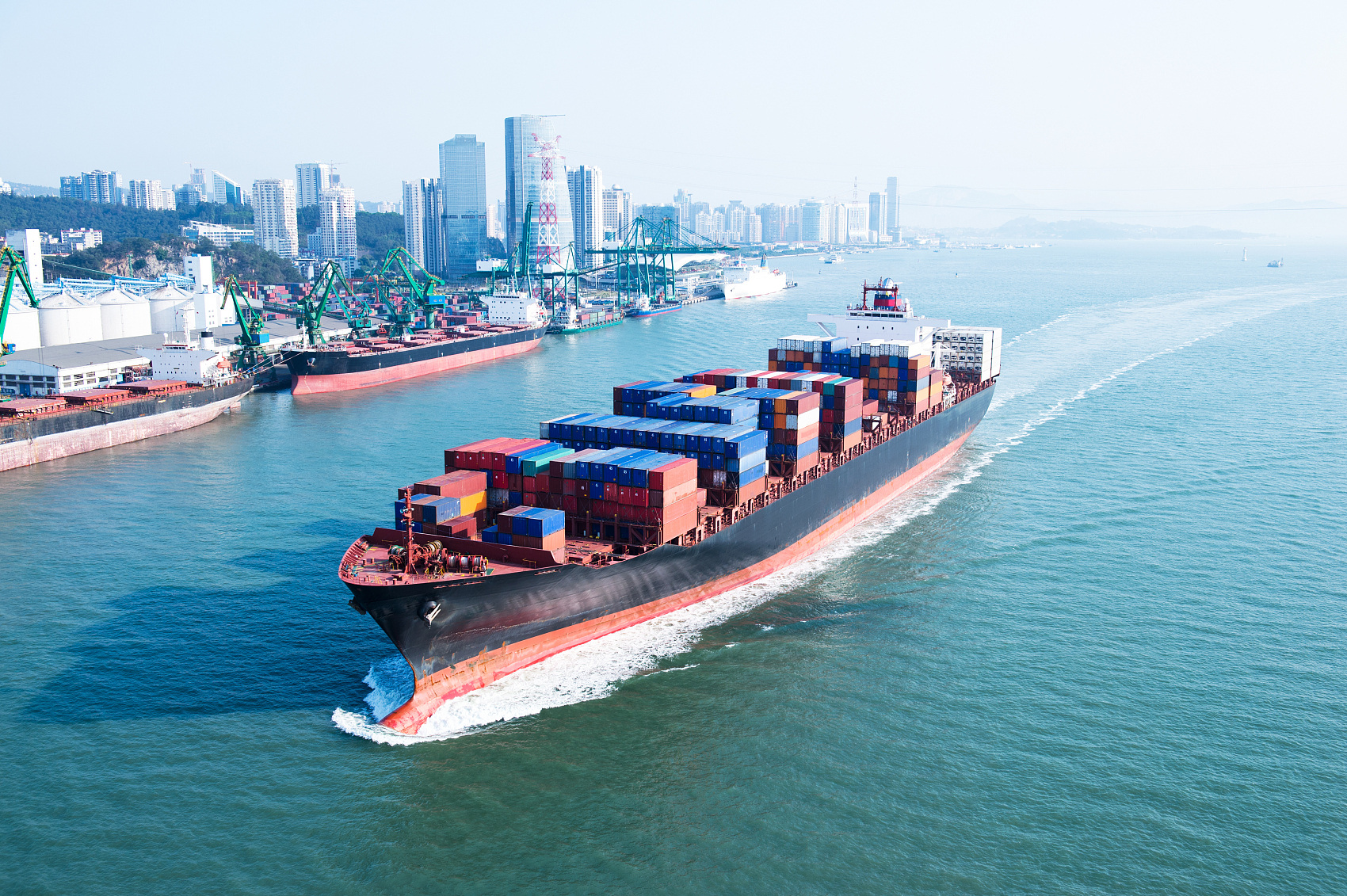
Drayage represents the specialized transportation of goods over short distances, typically between a port or rail terminal and a warehouse or distribution center. For US drayage container pick up for Vietnam cargo, this involves moving containers after they arrive at a US port or before they depart for Vietnam. It is a critical link in the intermodal supply chain, ensuring timely onward movement of goods.
Essentially, drayage bridges the gap between long-haul transportation and local delivery, making it indispensable for international trade. Efficient drayage services are vital for maintaining tight delivery schedules and avoiding costly demurrage charges. Consequently, selecting a reliable drayage partner significantly impacts overall shipping costs and transit time.
Navigating the Drayage Process: Key Steps for Vietnam Cargo
The drayage process for containers originating from or destined for Vietnam involves several coordinated steps. Initially, containers arrive at a US port, where they are discharged from the vessel. Subsequently, a drayage carrier is dispatched to pick up the container from the port terminal. This requires precise timing and coordination to avoid delays.
Upon pick-up, the container is transported to its designated inland destination, such as a warehouse for deconsolidation or a manufacturing facility. Conversely, for exports to Vietnam, drayage moves the loaded container from the shipper’s location to the port for loading onto a vessel. Proper documentation and communication are crucial at every stage to ensure smooth cargo handling.
Common Challenges in US Drayage Container Pick Up for Vietnam Cargo
Businesses often face numerous hurdles when managing US drayage for Vietnam cargo. Port congestion remains a primary concern, leading to longer wait times for container pick-up and delivery. Moreover, chassis availability issues can further exacerbate these delays, directly impacting supply chain efficiency. These factors can quickly escalate shipping costs.
Furthermore, managing demurrage and detention charges is a constant challenge for importers and exporters. Unforeseen delays can result in significant penalties from ocean carriers and port authorities. Securing drayage capacity, especially during peak seasons or for specialized equipment, also demands proactive planning. Therefore, having a logistics partner with strong port relationships is invaluable.

Optimizing Your Drayage Strategy for Vietnam Cargo
Implementing an optimized drayage strategy can significantly streamline your US drayage container pick up for Vietnam cargo. Leveraging real-time tracking and advanced logistics technology provides greater visibility into container movements. This proactive approach helps anticipate potential delays and allows for swift adjustments, improving your delivery schedule.
Additionally, establishing strong relationships with drayage carriers and port operators is fundamental for securing consistent service. Consider pre-pull services or drop-and-hook options to minimize driver wait times at crowded terminals. For comprehensive support, explore integrated logistics solutions such as those offered by VeloTactics Logistics’ services, which can combine drayage with warehousing and distribution. This integrated approach enhances overall freight management.
How Does Drayage for Vietnam Cargo Compare to Other Logistics Solutions?
When planning shipments to or from Vietnam, understanding how drayage integrates with various logistics methods is essential. Drayage is inherently part of intermodal freight, connecting sea or air transport with ground delivery. However, the choice of primary transport method significantly influences the drayage requirements and overall transit time. For instance, air freight typically requires quicker drayage turnaround than sea freight.
| Shipping Method | Cost Range (US-Vietnam) | Transit Time (Port-to-Port) | Best For | Limitations |
|---|---|---|---|---|
| Sea Freight (FCL) | $2,500 – $6,000 (40HQ) | 25 – 40 days | Large volumes, non-urgent, cost-effective | Slow, potential port delays, longer drayage windows |
| Sea Freight (LCL) | $80 – $150 per CBM | 30 – 45 days | Smaller shipments, flexible, cost-conscious | Longer transit, more handling, consolidation delays |
| Air Freight | $4 – $8 per kg (general cargo) | 3 – 7 days | Urgent, high-value, perishable goods | High cost, weight/size restrictions, less capacity |

Real-World Scenarios: US Drayage for Vietnam Shipments
Analyzing practical examples helps illustrate the complexities and solutions in US drayage for Vietnam cargo. These case studies highlight diverse challenges and effective strategies, providing valuable insights for businesses. They demonstrate how strategic planning and expert execution can optimize the container pick-up process and reduce overall logistics costs.
Case Study 1: Importing Electronics from Vietnam to California
This scenario highlights the importance of efficient drayage for time-sensitive imports arriving at a busy West Coast port. Coordinating chassis and truck availability was critical to avoid demurrage.
| Detail | Description |
|---|---|
| Route | Ho Chi Minh City, Vietnam Los Angeles, USA |
| Cargo | Consumer Electronics, 68 CBM, 12,000 kg |
| Container | 1 x 40HQ |
| Shipping Details | Carrier: Maersk, Port of Loading: Cat Lai, Port of Discharge: Port of Los Angeles, Route Type: Direct |
| Cost Breakdown | Ocean Freight: $3,800; Origin Charges: $450; US Drayage (LA Port to Inland DC): $750; Destination Charges: $300; Customs & Duties (estimated): $1,500; Total Landed Cost: $6,800 (Typical rates as of early 2025) |
| Timeline | Booking to Loading: 5 days; Sea Transit: 18 days; Customs Clearance: 2 days; Drayage: 1 day; Total Door-to-Door: 26 days |
| Key Insight | Pre-booking drayage capacity with a reliable partner ensured immediate container pick-up, avoiding $200/day in demurrage charges. |
Case Study 2: Exporting Agricultural Goods from Midwest US to Vietnam
This case illustrates managing drayage from an inland US location to an East Coast port for export to Vietnam, focusing on cost-effective intermodal solutions. Balancing transit time with budget was key.
| Detail | Description |
|---|---|
| Route | Chicago, USA Hai Phong, Vietnam |
| Cargo | Processed Agricultural Goods, 25 CBM, 20,000 kg |
| Container | 1 x 20GP |
| Shipping Details | Carrier: Evergreen, Port of Loading: Port of New York/New Jersey, Port of Discharge: Lach Huyen, Route Type: Transshipment via Singapore |
| Cost Breakdown | Ocean Freight: $4,200; US Rail Drayage (Chicago to NY): $1,800; Origin Charges: $380; Destination Charges: $350; Customs & Duties (estimated): $1,200; Total Landed Cost: $7,930 (Based on Q3 2024 market rates) |
| Timeline | Booking to Loading: 7 days; Rail Transit: 4 days; Sea Transit: 32 days; Customs Clearance: 3 days; Drayage: 2 days; Total Door-to-Door: 48 days |
| Key Insight | Utilizing rail drayage for the long inland leg significantly reduced costs compared to over-the-road trucking, despite adding a few days to transit. |
Case Study 3: Urgent Components via LCL from South Carolina to Vietnam
This example demonstrates how an LCL shipment for critical components required swift drayage to a consolidation warehouse. Speed and careful handling were prioritized over absolute lowest cost.
| Detail | Description |
|---|---|
| Route | Charleston, USA Da Nang, Vietnam |
| Cargo | Industrial Components, 8 CBM, 3,500 kg |
| Container | LCL (Less than Container Load) |
| Shipping Details | Carrier: Hapag-Lloyd (NVOCC service), Port of Loading: Port of Charleston, Port of Discharge: Tien Sa, Route Type: Transshipment via Singapore |
| Cost Breakdown | Ocean Freight: $1,200; US Drayage (Warehouse to Charleston Port): $400; Origin Charges: $250; Destination Charges: $200; Customs & Duties (estimated): $500; Total Landed Cost: $2,550 (Industry average for this route as of Q1 2025) |
| Timeline | Booking to Warehouse Drop-off: 3 days; Consolidation & Sea Transit: 30 days; Customs Clearance: 2 days; Drayage: 1 day; Total Door-to-Door: 36 days |
| Key Insight | Expedited drayage to the consolidation warehouse ensured the urgent LCL shipment met its cut-off, preventing production delays at the destination factory. |
Choosing the Right Partner for Your Vietnam Cargo Drayage Needs
Selecting an experienced logistics provider is crucial for successful US drayage container pick up for Vietnam cargo. A reliable partner offers local expertise, robust carrier networks, and advanced technological capabilities. This ensures smooth operations and mitigates potential disruptions. For example, specialized trucking services are essential for efficient drayage.
VeloTactics Logistics excels in providing tailored solutions for your unique shipping requirements. Our team understands the complexities of port operations and customs regulations, offering seamless integration with your supply chain. We prioritize transparent communication and proactive problem-solving, ensuring your cargo reaches its destination efficiently and cost-effectively. Our commitment to excellence supports your import/export success.
Cost-Saving Strategies and Market Insights for Vietnam Cargo
Optimizing drayage costs for international cargo to and from Vietnam requires strategic planning and market awareness. Firstly, consider consolidating smaller shipments into full container loads (FCL) whenever possible. This often reduces per-unit transportation expenses. Moreover, pre-booking drayage services can help secure better rates and ensure chassis availability, especially during peak seasons.
Secondly, explore alternative port options if feasible, as some ports may offer lower drayage rates or less congestion. Additionally, understanding market trends, such as fluctuating fuel surcharges and carrier capacity, allows for better budgeting. For instance, rates typically increase 15-25% during August-October peak season. Partnering with experts in customs brokerage can also prevent costly delays and penalties.
Furthermore, implementing robust inventory management helps minimize storage costs and avoids rushed, expensive drayage requests. Leveraging technology for real-time tracking and analytics provides actionable insights for continuous improvement. Ultimately, a proactive approach to freight management can yield significant savings. Note: Freight rates are subject to change based on fuel costs, carrier capacity, and seasonal demand. Contact us for a current quote tailored to your specific shipment.
Which Option Should You Choose for Your Vietnam Cargo?
Deciding on the best logistics strategy for your Vietnam cargo hinges on several critical factors. Your priorities for budget, speed, and cargo type will largely determine the most suitable approach. Consider these guidelines to make informed decisions for your US drayage needs and broader shipping operations. Understanding these trade-offs is essential for effective supply chain management.
| Priority | Recommendation | Consideration |
|---|---|---|
| Budget Priority | Sea Freight (FCL/LCL) with efficient drayage | Accept longer transit times; focus on optimizing drayage routes and avoiding demurrage. Explore warehousing solutions near ports. |
| Speed Priority | Air Freight, followed by expedited drayage | Higher costs are expected; ensure immediate container pick-up and direct delivery to minimize ground transit duration. |
| Cargo Type (Perishable/High-Value) | Air Freight or Reefer FCL with specialized drayage | Requires careful handling, temperature control, and swift transfer. Utilize carriers with expertise in specific cargo handling. |
| Volume Thresholds | LCL for <15 CBM; FCL for >15 CBM | LCL is often more economical for smaller volumes, but FCL offers better per-unit costs and faster transit for larger shipments. This impacts drayage coordination. |
Conclusion: Mastering US Drayage for Vietnam Cargo
In summary, efficient US drayage container pick up for Vietnam cargo is a cornerstone of a successful global supply chain. Overcoming challenges like port congestion and chassis shortages requires strategic planning and a reliable logistics partner. By optimizing processes, leveraging technology, and choosing the right shipping methods, businesses can significantly enhance their operational efficiency.
VeloTactics Logistics stands ready to assist you in navigating these complexities, ensuring your Vietnam-bound or Vietnam-originating cargo moves smoothly from port to final destination. Prioritize expert drayage solutions to secure your competitive edge in international trade.
Start Your Shipment
Ready to optimize your US drayage container pick up for Vietnam cargo? Partner with VeloTactics Logistics for expert guidance and seamless execution. Our dedicated team is prepared to tailor solutions that meet your specific needs and exceed your expectations. Contact us today for a personalized quote and streamline your supply chain.
Request Quote