
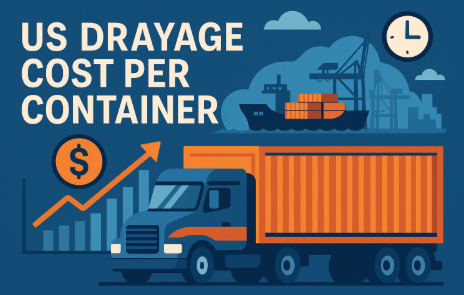
In today’s fast-paced logistics industry, managing short-distance container transport efficiently can make or break your supply chain costs. Whether you’re importing from Asia or moving domestic freight, understanding the US drayage cost per container helps you optimize budgets and improve turnaround times.
Many shippers underestimate how much port drayage — the short-haul trucking between ports, rail terminals, and warehouses — impacts total logistics spending. Yet with the right partner, such as Velotactlcs Logistics, businesses can lower these costs significantly through better planning, automation, and route optimization.

What Is Drayage and Why Does It Matter?
Drayage refers to the short-distance transportation of shipping containers from one intermodal point to another — typically between a port, warehouse, or rail ramp. Although drayage covers only a few miles, it’s one of the most critical stages of the supply chain because it connects global ocean freight to domestic distribution.
Delays or inefficiencies in drayage can lead to port congestion, demurrage fees, and lost delivery windows. Therefore, knowing what influences your drayage cost per container is essential for maintaining both speed and savings.
What Factors Affect the US Drayage Cost per Container?
Drayage pricing is influenced by several key factors. Understanding them helps you control costs and negotiate better rates.
| Factor | Description | Impact on Cost |
|---|---|---|
| Distance | Miles between port, warehouse, or rail terminal | Longer hauls = higher cost |
| Container Type | 20ft, 40ft, or specialized equipment | Larger or reefer units cost more |
| Port Congestion | Delays waiting at terminals | Increases driver time and labor |
| Chassis Availability | Needed for container hauling | Shortages raise rental or wait fees |
| Fuel Prices | Variable diesel rates | Affects per-mile trucking charges |
| Appointment Scheduling | Terminal time slots and coordination | Missed slots add storage costs |
| Environmental Fees | Clean truck or emission compliance costs | Higher at California ports |
Therefore, a 40-foot container moved 25 miles in Los Angeles may cost $350–$450, while a 100-mile trip could exceed $800 during peak season.
Average Drayage Cost per Container in the US
While prices vary by region and season, here’s an overview of typical drayage rates across major ports:
| Region | Average Cost (Per 40ft Container) | Typical Transit Time |
|---|---|---|
| Los Angeles / Long Beach | $350 – $650 | 1–3 hours |
| New York / New Jersey | $400 – $700 | 2–4 hours |
| Savannah | $300 – $550 | 2–3 hours |
| Houston | $300 – $600 | 1–2 hours |
| Seattle / Tacoma | $350 – $650 | 2–4 hours |
As shown, pricing varies primarily due to port congestion, local regulations, and fuel costs. For instance, ports in California may charge higher clean-truck fees, whereas inland hubs like Houston offer more flexibility and lower rates.
Why Drayage Rates Are Rising
The logistics landscape has evolved dramatically in recent years. Increased e-commerce volume, driver shortages, and higher fuel costs have all contributed to rising drayage costs per container. Additionally, stricter emission regulations and limited appointment windows at major ports like Los Angeles and Long Beach add operational expenses.
However, with automation and smart dispatching, companies like Velotactlcs Logistics are helping customers offset these challenges through data-driven route planning, reduced idle times, and optimized chassis management.
How to Calculate Drayage Costs for Your Shipments
To estimate your drayage costs accurately, consider the following components:
- Base Rate per Mile or Hour: Trucking companies charge either a flat rate or mileage-based fee.
- Fuel Surcharge: Adjusted monthly based on diesel index pricing.
- Chassis Fee: Typically $25–$50 per day if not included in the rate.
- Port/Terminal Fees: Access or congestion surcharges, especially in California.
- Wait Time Charges: After a free grace period (usually 1–2 hours), hourly fees apply.
- Storage or Demurrage Fees: For late container retrieval or return.
For example:
A 40-foot container moved 30 miles from the Port of Long Beach to a warehouse might break down like this:
| Cost Component | Example Charge |
|---|---|
| Base Rate | $250 |
| Fuel Surcharge | $40 |
| Chassis Fee | $30 |
| Terminal Fee | $25 |
| Wait Time (1 hour) | $50 |
| Total Estimated Cost | $395 per container |
These costs vary daily depending on port conditions and carrier capacity.
How Velotactlcs Logistics Helps Reduce Drayage Costs
Velotactlcs Logistics specializes in optimizing short-haul freight operations for importers, exporters, and 3PLs. By combining automation and local expertise, the company helps customers lower drayage costs in several ways:
- Smart Dispatching: Automated driver assignment minimizes empty miles.
- Real-Time Tracking: GPS integration reduces idle time and ensures timely pickups.
- Digital Documentation: Electronic proof of delivery eliminates delays in billing and recordkeeping.
- Chassis Optimization: Coordinated scheduling reduces unnecessary rental fees.
- Local Network Advantage: Strong relationships with terminals and carriers allow faster port clearance.
With Velotactlcs, shippers typically save 15–25% in drayage expenses through operational efficiency and better time management.
Common Mistakes That Increase Drayage Costs
Many shippers unintentionally pay more than necessary for container drayage. The most frequent mistakes include:
- Poor Scheduling: Missing terminal appointments leads to storage penalties.
- Incomplete Documentation: Missing delivery orders or customs releases cause delays.
- Overreliance on Spot Rates: Fixed contracts often provide better cost control.
- Lack of Real-Time Visibility: Without tracking, delays go unnoticed until it’s too late.
- Using Non-Local Providers: Longer travel distances and poor port familiarity increase costs.
By addressing these factors, companies can quickly improve cost efficiency and delivery reliability.
Cost-Saving Strategies for US Drayage Operations
To reduce your drayage cost per container, implement the following best practices:
- Pre-Schedule Port Appointments: Avoid detention and demurrage fees.
- Consolidate Shipments: Combine nearby deliveries to reduce trips.
- Use Technology for Visibility: Platforms like Velotactlcs provide real-time insights and alerts.
- Work with Local Drayage Partners: Local carriers minimize fuel and time expenses.
- Negotiate Long-Term Contracts: Lock in favorable rates with trusted providers.
- Monitor KPIs Regularly: Track cost per mile, dwell time, and driver efficiency.
Velotactlcs Logistics’ clients often see measurable improvements in turnaround speed and cost control by integrating these strategies into daily operations.
Environmental Compliance and Its Impact on Drayage Pricing
At ports like Los Angeles and Long Beach, strict environmental policies such as CARB (California Air Resources Board) rules and the Clean Truck Program influence pricing. These initiatives require newer, low-emission or electric trucks, which come with higher capital costs for carriers.
Although compliance raises upfront costs, it improves long-term sustainability. Velotactlcs Logistics supports this green transition by investing in fuel-efficient vehicles and offering eco-friendly drayage solutions — reducing both carbon output and fuel waste.
The Future of Drayage Pricing in the US
The future of US drayage costs per container will depend on several ongoing logistics trends:
- Wider adoption of electric and autonomous drayage trucks.
- Enhanced visibility through digital platforms and AI analytics.
- Port infrastructure upgrades improving congestion management.
- Continued growth of e-commerce driving container volume demand.
- Sustainability incentives for low-emission operations.
With innovation at the core, Velotactlcs aims to lead this shift by offering tech-enabled drayage services that balance speed, transparency, and cost-efficiency.
Conclusion
Understanding and managing your US drayage cost per container is essential for maintaining supply chain efficiency. With port congestion, environmental regulations, and market fluctuations affecting rates, choosing a reliable logistics partner becomes critical.
Velotactlcs Logistics combines advanced dispatch systems, sustainability compliance, and local expertise to provide fast, transparent, and cost-effective drayage solutions. By partnering with an experienced provider, your business can save money, gain visibility, and keep cargo moving — efficiently and on time.
Need a quote?
Ready to get started? Contact us now to request a free shipping quote.
Frequently Asked Questions (FAQ)
Typically $300–$800, depending on distance, port congestion, and container size.
Schedule port appointments early, use local carriers, and work with providers like Velotactlcs for route optimization.
No, they vary by port location, fuel prices, and local regulations.
Rising fuel prices, labor shortages, and port congestion are major contributors.
It automates scheduling, reduces idle time, and improves real-time visibility.