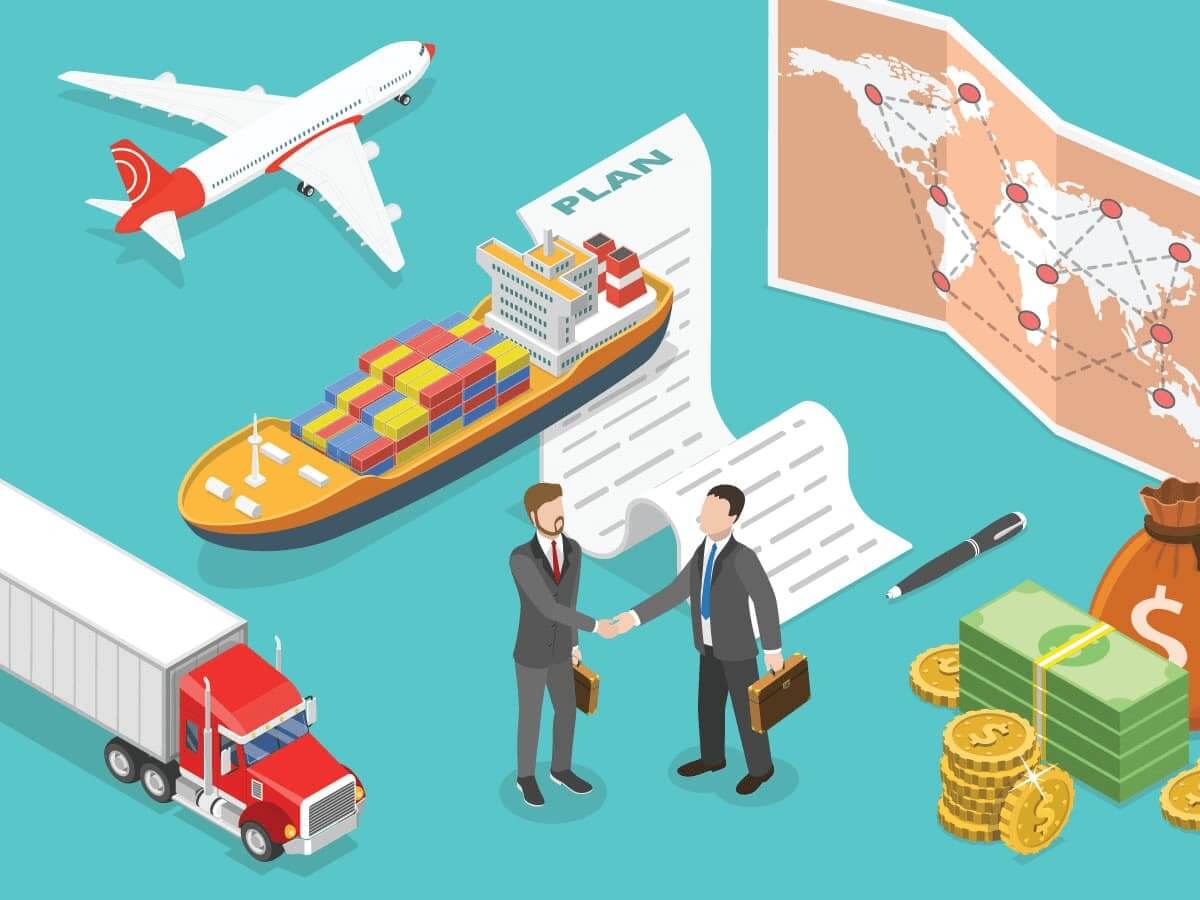
Container movement in the United States is a race against time. Every delay at the terminal adds cost, risk, and pressure on your supply chain. The US drayage dispatch process plays a crucial role in managing container flow efficiently — ensuring drivers, trucks, and cargo are coordinated seamlessly. This guide explains how the process works, what systems are used, and how companies optimize drayage dispatching to save time and money.
What Is the US Drayage Dispatch Process?
The US drayage dispatch process is the coordination system that assigns trucks, drivers, and equipment for container transport between ports, rail yards, and warehouses. It involves planning, communication, and real-time tracking to ensure every container moves on schedule.
Key components include:
Order receipt from importer/exporter or freight forwarder
Truck and driver assignment
Port appointment booking and EDI updates
Load tracking and proof of delivery
Billing and documentation closure
A well-structured dispatch process minimizes idle time and maximizes efficiency across every leg of short-haul transport.
Why Efficient Dispatching Matters
Ports are busier than ever, and drayage operations face tight deadlines and high costs. An inefficient dispatch can lead to missed appointments, driver frustration, and financial penalties.
Benefits of an optimized dispatch process:
Reduced port wait times: Faster scheduling minimizes idle hours.
Higher profit margins: Better utilization equals less wasted labor and equipment.
In competitive logistics markets, effective dispatching separates reliable carriers from those struggling with delays.
Tools and Technology Powering Modern Drayage Dispatch
Dispatching has evolved from phone calls and spreadsheets to advanced digital platforms.
Common systems include:
Transportation Management Systems (TMS): Handle load assignment, tracking, and billing.
Electronic Data Interchange (EDI): Syncs port data with dispatchers in real time.
GPS & Telematics: Track driver location, ETA, and route efficiency.
Driver Mobile Apps: Allow instant communication, ePOD, and photo uploads.
Automation Rules: Assign loads based on distance, chassis availability, or driver hours.
These tools ensure transparency across the supply chain and help dispatchers manage more containers with less stress.
How to Optimize Your Drayage Dispatch Process
Efficient drayage dispatch isn’t just about software — it’s about how your team operates.
Best practices include:
Plan daily dispatch rounds early. Check port schedules and container release times.
Centralize communication. Keep drivers, dispatchers, and customers connected.
Use pre-pull strategies. Move containers before peak congestion hours.
Combine loads smartly. Plan routes to avoid deadhead miles.
Track KPIs. Monitor delivery punctuality, dwell time, and driver utilization.
Small operational tweaks can translate into big savings in cost and time.
Common Challenges in US Drayage Dispatch
Despite digital progress, drayage dispatchers still face several real-world obstacles:
Port congestion and gate delays
Limited chassis and yard space
Driver shortages and HOS limits
Unpredictable vessel arrivals
EDI data mismatches
Addressing these requires flexibility, contingency planning, and strong partnerships with terminals and carriers.
Case Example: How Automation Cut Costs and Time
A Chicago-based carrier managing 1,500 containers monthly replaced manual dispatching with automated software.
Dispatch time per load dropped from 9 minutes to 2.
On-time delivery improved by 22%.
Empty miles reduced 18%, saving $9,000 monthly in fuel.
Customer inquiries dropped 80% thanks to live tracking.
The company now handles 40% more volume without increasing staff.
How to Choose the Right Drayage Dispatch Software
When selecting a system, consider scalability, user experience, and integration.
Checklist for evaluation:
Cloud-based accessibility for dispatchers and drivers.
Port and EDI data synchronization.
Automatic rule-based dispatching.
Mobile app for driver updates and documents.
Reporting tools to monitor KPIs.
24/7 support and quick onboarding.
Choosing the right platform can increase throughput and visibility across your logistics network.
Conclusion
The US drayage dispatch process is the heartbeat of short-haul logistics. When managed effectively, it eliminates wasted time, reduces fuel costs, and ensures timely delivery — all while improving visibility for customers. By combining automation, data, and smart planning, companies can achieve faster, more reliable, and cost-efficient operations.
📦Get a Free Quote
We help carriers, forwarders, and importers optimize dispatch performance through technology and hands-on expertise — saving you time, money, and stress. Request a consultation