
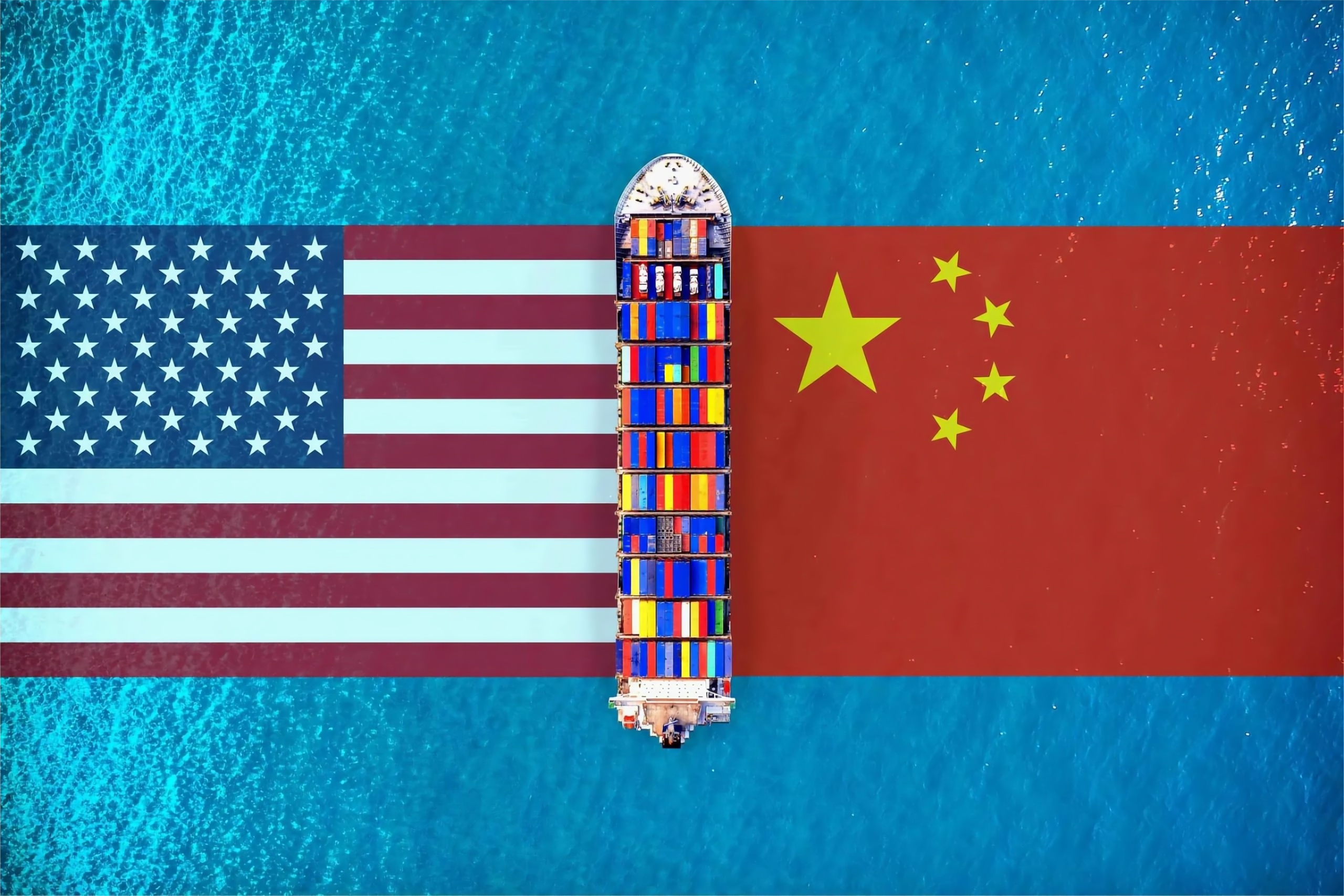
US Drayage for Indonesia Chemical Goods: Your Logistics Guide
Managing the transportation of chemical goods between the United States and Indonesia presents unique logistical challenges. Specifically, efficient US drayage for Indonesia chemical goods is critical for supply chain continuity and compliance. Businesses often face hurdles with regulations, specialized handling, and timely delivery. VeloTactics Logistics offers tailored solutions to streamline this complex process, ensuring your cargo moves smoothly from port to destination.
What is US Drayage for Indonesia Chemical Goods?
Drayage refers to the specialized transportation of goods over short distances, typically from a port or rail terminal to a local destination or vice-versa. When discussing US drayage for Indonesia chemical goods, this involves moving chemical shipments that have either arrived from Indonesia or are destined for Indonesia, within the United States. This crucial step connects long-haul ocean freight with local distribution networks.
Furthermore, this segment of the supply chain demands precision, as chemical products often require specific handling due to their hazardous nature. Consequently, understanding the intricacies of chemical drayage is paramount for importers and exporters. It directly impacts delivery schedules, overall shipping costs, and regulatory compliance.

Why Specialized Drayage is Crucial for Chemical Shipments
Chemical goods, whether hazardous or non-hazardous, necessitate a higher degree of care during transit. Specialized drayage providers possess the equipment, training, and permits required for safe chemical transport. This expertise mitigates risks associated with spills, contamination, and accidents.
Moreover, adherence to strict regulations, such as those from the Department of Transportation (DOT) and Environmental Protection Agency (EPA), is non-negotiable. Therefore, partnering with a logistics provider experienced in hazmat drayage ensures compliance and avoids costly penalties. Specialized trucking services are essential for these sensitive materials.
Key Challenges in Drayage for Indonesia Chemical Imports and Exports
Several challenges can impede the smooth flow of US drayage for Indonesia chemical goods. Firstly, port congestion can significantly delay container pick-up and delivery, impacting transit time and increasing demurrage charges. Secondly, navigating complex customs procedures for chemical imports and exports requires meticulous documentation and expert knowledge.
Additionally, the fluctuating freight rates and limited availability of specialized equipment, especially for hazardous materials, pose ongoing difficulties. Without a doubt, effective cargo handling and proactive planning are vital to overcome these obstacles. Our customs brokerage services can help streamline this process.
| Challenge Area | Impact on Drayage | Mitigation Strategy |
|---|---|---|
| Port Congestion | Delays, demurrage, increased costs | Real-time tracking, pre-booking appointments |
| Regulatory Compliance | Fines, shipment holds, safety risks | Expert hazmat carriers, detailed documentation |
| Equipment Availability | Delays, higher spot rates | Dedicated carrier networks, advanced booking |
| Driver Shortages | Service disruptions, longer lead times | Reliable logistics partners, diversified fleet |
| Chemical Handling | Spills, contamination, safety incidents | Specialized training, proper placarding |
Navigating Regulations and Compliance for Chemical Drayage
Compliance is arguably the most critical aspect of chemical drayage. In the US, regulations from the DOT, specifically PHMSA (Pipeline and Hazardous Materials Safety Administration), govern the transport of hazardous materials. This includes proper classification, packaging, labeling, placarding, and documentation.
Moreover, states and local jurisdictions may have additional requirements, adding layers of complexity. For instance, specific routes might be mandated for hazmat transport. Therefore, a thorough understanding of these rules is indispensable for ensuring the safe and legal movement of chemical goods. This specialized knowledge is part of comprehensive logistics services.
Key Compliance Checklist for Chemical Shipments
Ensuring every box is ticked avoids significant delays and penalties. This checklist is a general guide for US drayage for Indonesia chemical goods.
| Requirement | Description | Importance |
|---|---|---|
| Proper Classification | Accurate UN number, hazard class, packing group | Critical for safety and regulatory adherence |
| Safety Data Sheets (SDS) | Up-to-date SDS for all chemicals | Essential for emergency response and handling |
| Emergency Response Info | 24-hour emergency contact, incident response plan | Mandatory for hazmat shipments |
| Permits & Licenses | Specific state/local hazmat permits | Ensures legal operation within jurisdictions |
| Driver Endorsements | CDL with hazmat endorsement (H endorsement) | Required for drivers handling hazardous materials |
Optimizing Costs and Transit Times for Chemical Drayage
Achieving a balance between cost-effectiveness and timely delivery is a constant goal in chemical logistics. Strategies include consolidating shipments where possible, known as LCL (Less than Container Load) drayage, to reduce per-unit costs. However, FCL (Full Container Load) drayage might be more efficient for larger volumes, preventing multiple pickups and drops.
Furthermore, selecting the right port of entry can significantly impact inland drayage costs and transit time. For example, choosing a port closer to the final destination can minimize ground transportation expenses. Proactive planning and leveraging real-time tracking technologies also contribute to optimizing the delivery schedule for your chemical supply chain.
Cost-Saving Strategies in Chemical Drayage
Several approaches can help reduce overall expenses without compromising safety. These strategies are particularly effective for businesses managing frequent US drayage for Indonesia chemical goods.
| Strategy | Description | Potential Benefit |
|---|---|---|
| Route Optimization | Planning the most efficient drayage routes | Reduced fuel costs, faster transit |
| Backhauling | Utilizing return trips for other cargo | Lower per-mile cost for primary shipment |
| Pre-Pulling Containers | Moving containers from port to off-dock yards | Avoids demurrage, allows flexible pickup |
| Negotiating Volume Rates | Long-term contracts with drayage carriers | Stable, lower freight rates |
| Intermodal Transport | Combining rail and truck for long distances | Significant cost savings over long-haul trucking |
Real-World Scenarios for US Drayage of Chemical Goods
Examining actual case studies provides valuable insights into the complexities and solutions for chemical drayage. These examples highlight the importance of expert handling and strategic planning for successful import and export operations. Each scenario demonstrates the nuanced requirements for US drayage for Indonesia chemical goods.
Case Study 1: Importing Bulk Industrial Chemicals from Jakarta
This case involved a US manufacturer needing a consistent supply of a specific industrial chemical from Jakarta, Indonesia. The challenge was ensuring compliance and timely delivery to their facility in Houston, Texas, post-port arrival.
| Detail | Description |
|---|---|
| Route | Jakarta, Indonesia Houston, USA (Port of Houston) |
| Cargo | Liquid industrial chemical, 24,000 kg |
| Container | 1 x 20GP ISO Tank Container (Hazardous Class 3) |
| Shipping Details | Carrier: Maersk, Port of Loading: Tanjung Priok, Port of Discharge: Houston, Route Type: Direct |
| Cost Breakdown (Est. Q4 2024) | Ocean Freight: $2,800, Origin Charges: $450, Destination Charges: $550, US Drayage (Port to Houston facility, 30 miles): $850, Customs & Duties (estimated): $1,200, Total Landed Cost: $5,850 |
| Timeline | Booking to Loading: 5 days, Sea Transit: 32 days, Customs Clearance: 3 days, US Drayage: 1 day, Total Door-to-Door: 41 days |
| Key Insight | Specialized hazmat drayage was crucial for safe handling and compliance after customs clearance. Pre-clearance and immediate drayage pick-up avoided port demurrage charges. This showcases efficient US drayage for Indonesia chemical goods. |
Case Study 2: Exporting Specialty Chemicals from Ohio to Surabaya
A US-based specialty chemical producer needed to export a new product to a client in Surabaya, Indonesia. The primary concern was the secure and compliant transport of the chemicals from their Ohio plant to the port of Long Beach, California.
| Detail | Description |
|---|---|
| Route | Columbus, Ohio, USA Surabaya, Indonesia (Port of Tanjung Perak) |
| Cargo | Powdered specialty chemical, 18,000 kg |
| Container | 1 x 40HQ container (Non-Hazardous, requires specific temperature control) |
| Shipping Details | Carrier: MSC, Port of Loading: Long Beach, Port of Discharge: Tanjung Perak, Route Type: Transshipment via Singapore |
| Cost Breakdown (Est. Q1 2025) | US Drayage (Ohio plant to Long Beach Port, ~2200 miles): $4,200 (Intermodal), Ocean Freight: $3,500, Origin Charges: $600, Destination Charges: $700, Customs & Duties (estimated): $900, Total Landed Cost: $9,900 |
| Timeline | Booking to Loading: 7 days, US Drayage (Intermodal): 8 days, Sea Transit: 28 days, Customs Clearance: 4 days, Total Door-to-Door: 47 days |
| Key Insight | Utilizing intermodal drayage (rail + truck) for the long inland journey significantly reduced costs compared to full truckload. Careful temperature-controlled handling during US drayage was vital. This demonstrates effective chemical supply chain optimization. |
How Does US Drayage for Indonesia Chemical Goods Compare to Other Logistics Solutions?
Understanding the role of drayage within the broader logistics spectrum is essential for informed decision-making. While ocean freight handles the international leg, drayage focuses on the critical first and last mile. Other solutions might include direct long-haul trucking, rail, or air freight, each with distinct advantages and limitations. This comparison helps define the best approach for specific needs.
Indeed, the choice depends heavily on factors like urgency, cargo volume, and the nature of the chemical goods. For instance, air freight offers speed but comes with significantly higher shipping costs and stricter limitations for hazardous materials. Conversely, intermodal transport, combining rail and truck, provides a cost-effective alternative for longer inland distances within the US.
| Shipping Method | Cost Range (US Inland) | Transit Time (US Inland) | Best For | Limitations |
|---|---|---|---|---|
| Direct Drayage (Port to Local) | $500 – $1,500 | 1-3 days | Local deliveries, time-sensitive cargo | Limited geographical reach |
| Long-Haul Trucking (FTL) | $1,500 – $6,000+ | 3-7 days | Direct door-to-door, specific delivery windows | Higher cost for long distances, driver availability |
| Intermodal (Rail + Truck) | $1,000 – $4,000 | 5-10 days | Longer distances, cost-sensitive, heavy cargo | Slower than direct trucking, potential rail delays |
| Air Cargo (US Domestic) | $2,000 – $10,000+ | 1-2 days | Extremely urgent, small volume, high-value | Very high cost, strict hazmat restrictions, limited capacity |
Which Drayage Option Should You Choose for Your Chemical Shipments?
Selecting the optimal drayage solution requires a careful evaluation of your priorities and specific shipment characteristics. There is no one-size-fits-all answer, as each approach offers distinct trade-offs. Consider your budget, urgency, and cargo type before making a decision. This framework helps in making an informed choice for US drayage for Indonesia chemical goods.
For example, if budget priority is paramount, intermodal or pre-pulling options might be most suitable. Conversely, if speed is the primary concern, direct drayage for local deliveries or expedited long-haul trucking will be preferred. Cargo type considerations, such as hazardous nature or temperature sensitivity, will further narrow down the viable options. Businesses often utilize warehousing services to manage these complexities efficiently.
Decision Framework for Chemical Drayage
| Priority | Recommended Option(s) | Considerations |
|---|---|---|
| Budget | Intermodal, Pre-Pulling, LCL Drayage | Longer transit times, potential for multiple handling |
| Speed | Direct Drayage, Expedited FTL Trucking | Higher cost, limited capacity for specialized equipment |
| Cargo Type (Hazmat) | Specialized Hazmat Drayage | Strict regulatory compliance, specific carrier requirements |
| Volume (Small) | LCL Drayage, Parcel (if applicable) | Consolidation benefits, potential for delays |
| Volume (Large) | FCL Drayage, Intermodal | Cost-effective per-unit, dedicated equipment |
Seamless US Drayage for Indonesia Chemical Goods
Effectively managing US drayage for Indonesia chemical goods is a complex but manageable task with the right partner. From navigating intricate regulations to optimizing transit times and costs, specialized expertise is invaluable. By understanding the challenges and leveraging strategic solutions, businesses can ensure the safe and efficient movement of their chemical products.
Ultimately, choosing a knowledgeable logistics provider like VeloTactics Logistics ensures compliance, minimizes risks, and enhances your overall supply chain efficiency. We are committed to providing reliable and secure drayage solutions for your critical chemical shipments.
Need a tailored shipping solution?
Ensure your chemical shipments from or to Indonesia are handled with utmost care and compliance. Contact VeloTactics Logistics today for a personalized quote on US drayage for Indonesia chemical goods. Our experts are ready to streamline your logistics process and provide reliable, safe transport solutions.