
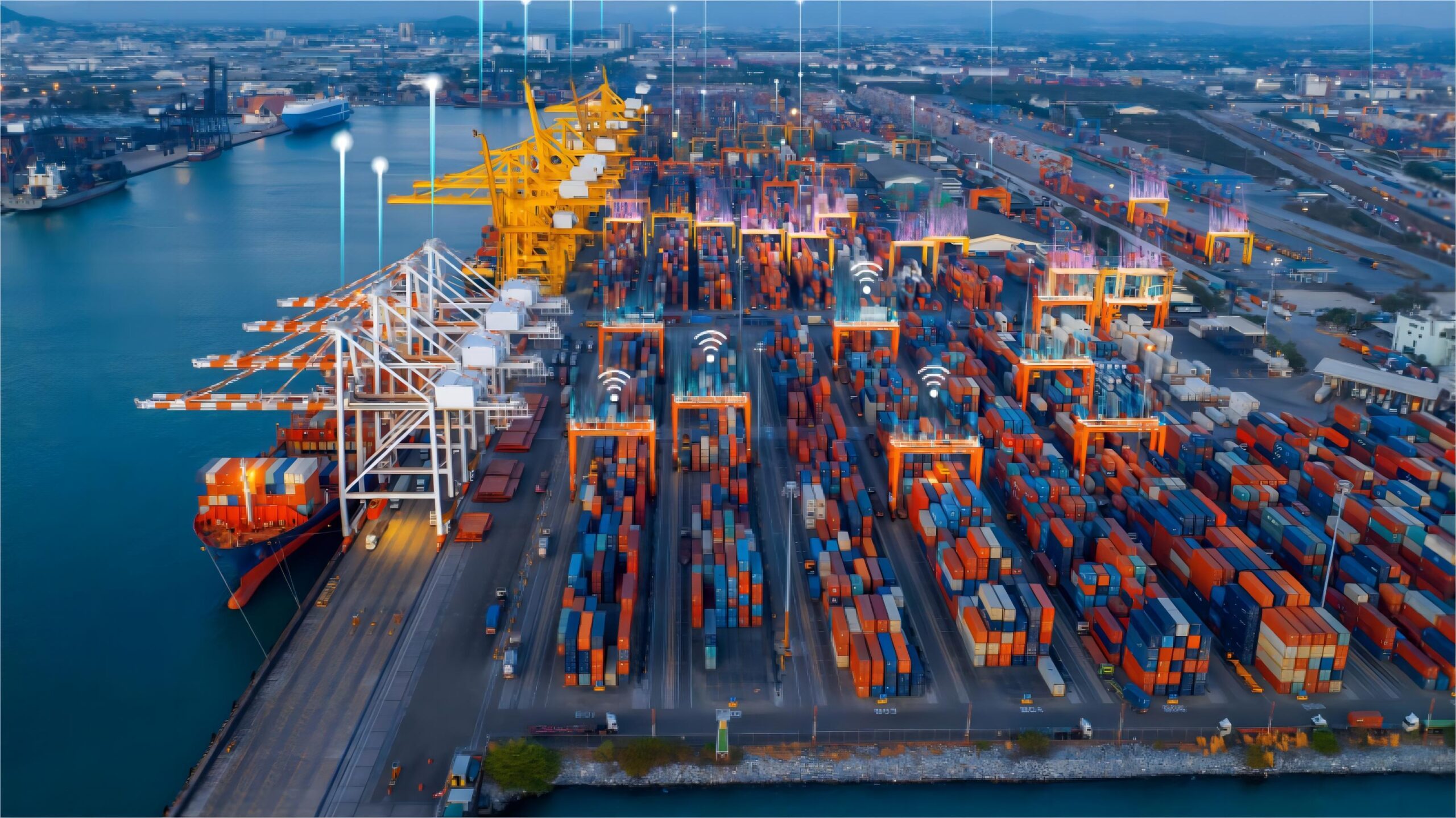
US Drayage for Philippines Garments Import: Your Ultimate Guide
Importing garments from the Philippines to the US involves intricate logistics, especially when it comes to inland transportation. Efficient US drayage for Philippines garments import is crucial for maintaining supply chain integrity and reducing costs. This guide explores the complexities and solutions for seamless apparel delivery.

What is US Drayage for Philippines Garments Import?
Drayage refers to the transportation of goods over a short distance, typically from a port or rail terminal to a warehouse or distribution center. For Philippines garments import, this critical first leg of inland transportation in the US ensures your apparel moves quickly from the arrival port. Essentially, it bridges the gap between ocean freight and final delivery.
Therefore, understanding the nuances of US drayage for Philippines garments import is vital for any apparel business. It directly impacts your overall transit times, freight costs, and the speed at which your products reach consumers. Efficient drayage services are key to preventing costly delays and optimizing your supply chain.
Key Challenges and Solutions in Garment Drayage
Importers often face significant challenges with US port drayage for Philippine textiles, including port congestion, chassis shortages, and unpredictable delivery schedules. These issues can lead to increased detention and demurrage fees, impacting profitability. Moreover, managing drayage delays for textiles requires proactive planning and robust communication.
However, implementing strategic solutions can mitigate these risks. Utilizing intermodal drayage for US-Philippines trade, partnering with reliable carriers, and leveraging advanced logistics technology are essential. This approach helps in streamlining operations and ensuring timely movement of your valuable apparel from Philippines imports.

Optimizing Your Supply Chain with Expert Drayage Services
For seamless US drayage for Philippines garments import, partnering with an experienced logistics provider is paramount. Velotactlcs Logistics offers tailored drayage services designed to handle the specific needs of garment importers. We focus on efficient drayage solutions for garments, ensuring your cargo clears customs procedures smoothly and reaches its destination without unnecessary delays.
Our expertise in freight forwarding for garment logistics covers everything from port pickup to final distribution. We leverage a vast network and cutting-edge container management systems to provide reliable and cost-effective inland transportation for apparel from Philippines. This comprehensive service helps optimize your supply chain and reduces overall freight costs.
Case Study 1: Expediting Apparel Distribution
A major apparel retailer needed to expedite the distribution of a new clothing line from the Philippines. Delays at the port were causing significant backlogs.
| Detail | Description |
|---|---|
| Origin Port | Port of Manila, Philippines |
| Destination Port | Port of Los Angeles, USA |
| Cargo Type | 10x 40′ HQ containers of assorted garments |
| Transport Mode (Drayage) | Truck (Intermodal Drayage) |
| Challenge | Severe port congestion and chassis shortage |
| Velotactlcs Solution | Pre-booked chassis, real-time tracking, expedited port pickup |
| Result | Reduced drayage time by 3 days, saving $5,000 in demurrage fees |
Case Study 2: Cost-Effective Drayage for Multiple Shipments
A small fashion brand importing regularly from the Philippines sought to reduce their overall logistics expenses, particularly for inland transportation.
| Detail | Description |
|---|---|
| Origin Port | Port of Cebu, Philippines |
| Destination Port | Port of Savannah, USA |
| Cargo Type | 5x 20′ containers of textile raw materials & finished goods (monthly) |
| Transport Mode (Drayage) | Truck (Dedicated & Consolidated) |
| Challenge | High drayage costs and inconsistent delivery schedules |
| Velotactlcs Solution | Negotiated volume rates, consolidated drayage for smaller loads, optimized delivery schedules |
| Result | Achieved 15% reduction in drayage costs per container, improved delivery reliability |
Navigating Customs and Compliance for Garment Imports
Successfully importing garments requires meticulous attention to customs clearance for US garment imports and trade compliance. Importers must be aware of specific regulations, tariffs, and documentation requirements related to textile and apparel products. Proper documentation prevents delays and ensures smooth entry into the US market.
Working with a logistics partner knowledgeable in garment import regulations is invaluable. Velotactlcs Logistics assists with all aspects of compliance, from accurate classification to preparing necessary paperwork. This ensures your last-mile delivery for Philippine clothing is not hampered by customs issues, maintaining your delivery schedules effectively.
Seamless Garment Imports Start with Smart Drayage
Ultimately, efficient US drayage for Philippines garments import is a cornerstone of a successful apparel supply chain. By understanding the challenges and implementing strategic solutions, businesses can ensure timely, cost-effective delivery of their products. Partnering with a dedicated logistics provider like Velotactlcs Logistics offers the expertise and resources to navigate these complexities.
Therefore, invest in robust drayage planning to safeguard your shipments and enhance your competitive edge. Our commitment is to provide unparalleled service, ensuring your garments move from port to market with precision and care.
Start Your Shipment
Ready to streamline your US drayage for Philippines garments import? Contact Velotactlcs Logistics today for a personalized quote and discover how our expert solutions can optimize your apparel supply chain. Let us handle the complexities, so you can focus on your business.
Request Quote