
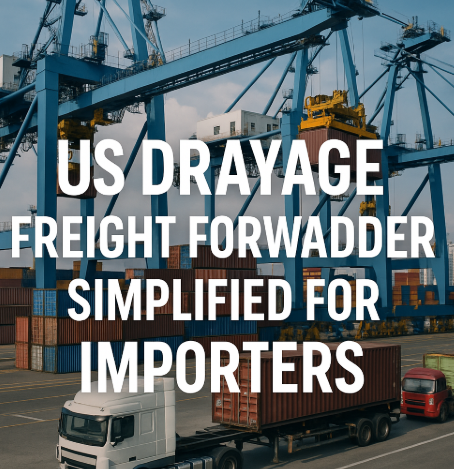
Managing containers after they arrive at U.S. ports is one of the toughest parts of the supply chain. Congested terminals, equipment shortages, and rising storage costs can quickly erode margins. That’s why partnering with a professional US drayage freight forwarder is essential. A reliable forwarder links ocean carriers, trucking fleets, and warehouses, ensuring every container moves seamlessly from port to delivery point.

What Does a US Drayage Freight Forwarder Do?
A drayage freight forwarder specializes in short-haul transportation between ports, rail yards, and distribution centers. Unlike long-haul trucking, drayage focuses on the first or last 50 miles — the crucial stage where most delays happen.
Key responsibilities include:
- Scheduling port pickups and drop-offs.
- Managing customs-cleared cargo transfers.
- Coordinating chassis and driver availability.
- Consolidating freight for inland delivery.
- Communicating updates between all stakeholders.
Velotactlcs Logistics provides end-to-end control of this process, connecting your cargo from vessel discharge to warehouse storage — without the stress of manual coordination.
Why Are Drayage Forwarders Essential in Modern Supply Chains?
In 2025, the U.S. logistics industry faces tighter environmental rules, driver shortages, and unpredictable port congestion. Therefore, forwarders act as problem-solvers, balancing multiple moving parts.
They provide:
- Speed: Quick container retrieval prevents costly demurrage.
- Accuracy: GPS and EDI integration ensure visibility.
- Flexibility: Access to local truck capacity across ports.
- Compliance: Adherence to FMCSA, EPA, and customs regulations.
Without a skilled drayage forwarder, even the most efficient ocean shipment can stall at the terminal gate.
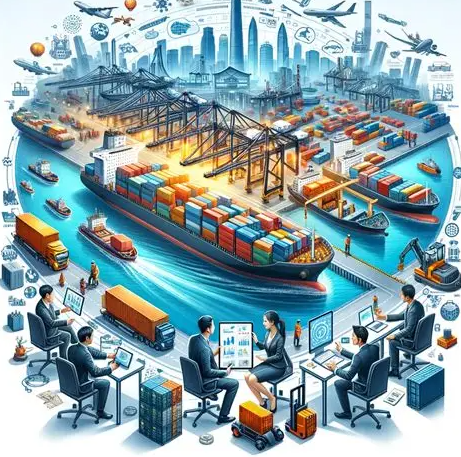
How Drayage Forwarders Integrate Port and Inland Operations
| Step | Process | Value Added by Forwarder |
|---|---|---|
| 1 | Import clearance and release | Manage documentation and terminal scheduling |
| 2 | Container pickup | Assign chassis, confirm truck availability |
| 3 | Transport to warehouse | Optimize routing and timing |
| 4 | Unloading or transloading | Provide warehouse or transload service |
| 5 | Return of empty container | Avoid penalties and free chassis faster |
Each phase requires precision. Velotactlcs Logistics integrates these stages through advanced visibility systems, ensuring your cargo keeps moving without disruption.
What Makes an Effective US Drayage Freight Forwarder?
Not all forwarders deliver the same results. The best ones combine strong local presence with digital efficiency.
A reliable forwarder should offer:
- Real-time container tracking through digital dashboards.
- Nationwide drayage coverage for import and export.
- Warehouse and yard management systems (WMS & YMS).
- Transparent cost structures with itemized billing.
- Sustainability initiatives like electric trucks or optimized routing.
Velotactlcs Logistics leverages all these factors — balancing technology and experience to simplify operations for importers of every size.
How Forwarders Handle Port-to-Warehouse Coordination
Every container has a tight delivery window. Therefore, synchronization is vital. A drayage freight forwarder plans the sequence of each move:
- Container availability confirmed from terminal release notice.
- Truck dispatch scheduled based on appointment system.
- Cargo moved to warehouse for unloading or transloading.
- Empty container returned to terminal to avoid detention.
By controlling both trucking and warehousing, Velotactlcs Logistics eliminates idle time and prevents cascading delays in your distribution schedule.
Cost Structure of Drayage Freight Forwarding Services
| Service Category | Average Cost per Container | Key Factors Affecting Price |
|---|---|---|
| Port Drayage | $300 – $480 | Distance, fuel, congestion |
| Transload & Delivery | $450 – $700 | Palletization, labor |
| Warehouse Storage | $10 – $30 / day | Duration, space used |
| Chassis Rental | $25 – $45 / day | Availability, port location |
| Return Coordination | $150 – $250 | Empty depot distance |
Although costs vary by region, working with a forwarder who controls multiple legs — like Velotactlcs Logistics — helps consolidate fees and optimize equipment usage.
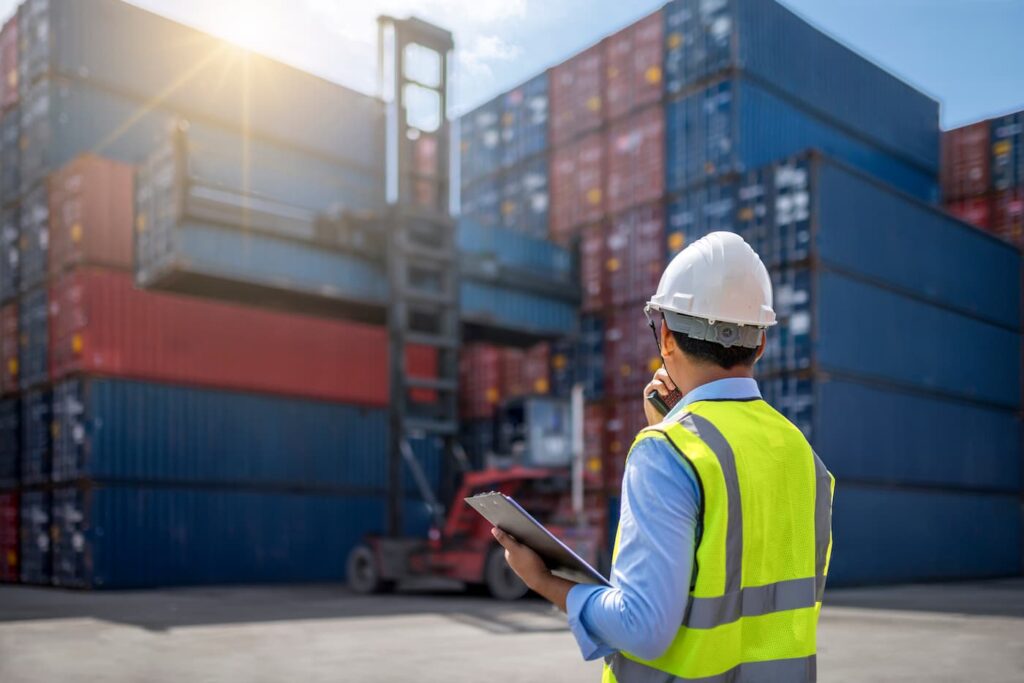
What Are the Main Challenges in US Drayage Freight Forwarding?
Even experienced importers face recurring obstacles in U.S. drayage:
| Challenge | Solution |
|---|---|
| Terminal congestion | Use off-peak pickup scheduling and early gate entry |
| Chassis shortages | Access dedicated chassis pools |
| Communication gaps | Implement EDI/API for live updates |
| High demurrage costs | Use predictive pickup alerts |
| Limited warehouse space | Partner with near-port storage facilities |
Velotactlcs Logistics uses data analytics and predictive tools to anticipate these issues — turning potential delays into controlled, scheduled operations.
Regional Focus: Where Drayage Forwarders Add Value
| Region | Key Ports | Core Advantage |
|---|---|---|
| West Coast | Los Angeles, Long Beach, Oakland | Fast transloading to national networks |
| Gulf Coast | Houston, New Orleans | Strong intermodal access |
| East Coast | Savannah, Charleston, New York | Balanced import/export flows |
| Midwest | Chicago, Kansas City | Rail-connected inland terminals |
Velotactlcs Logistics maintains presence in all these corridors, ensuring seamless coordination between port drayage, rail ramps, and warehousing.
How Technology Is Changing Drayage Freight Forwarding
Modern drayage freight forwarders rely on automation and visibility tools rather than paper dispatches. Key technologies include:
- AI-based scheduling systems to predict terminal dwell times.
- IoT sensors tracking container temperature and movement.
- Cloud-based logistics dashboards integrating booking, dispatch, and billing.
- Digital Proof of Delivery (ePOD) for instant verification.
- Route optimization algorithms that reduce empty mileage.
Velotactlcs Logistics’ digital platform consolidates all these features, providing importers a transparent, end-to-end view of their cargo flow.
Why Choose a Freight Forwarder That Also Offers Drayage?
Combining freight forwarding and drayage under one provider simplifies communication and accountability.
Instead of coordinating with multiple vendors, you gain:
- One point of contact for port pickup, customs, warehousing, and delivery.
- Reduced transfer time between carriers.
- Simplified billing and fewer administrative errors.
- Consistent service quality across every shipment.
Velotactlcs Logistics unites these functions to give clients total control — from port gate to customer doorstep.
Sustainability and Future Trends in Drayage Freight Forwarding
Sustainability is no longer optional in logistics. In 2025, forwarders must comply with emission-reduction mandates and green-fleet standards.
Industry trends include:
- Electric and hybrid drayage trucks near major ports.
- Solar-powered warehouses for reduced energy use.
- Paperless documentation with blockchain verification.
- Data-driven route optimization to cut idle time.
Velotactlcs Logistics invests heavily in green drayage solutions to help customers meet corporate sustainability goals without sacrificing efficiency.
How to Choose the Right US Drayage Freight Forwarder
Selecting the right partner is critical to success. Consider these factors:
- Experience in your target ports. Local expertise reduces congestion risks.
- Technology integration. Look for real-time dashboards and digital alerts.
- Capacity scalability. Ensure access to chassis, trucks, and warehouses.
- Regulatory compliance. Verify FMCSA, OSHA, and customs credentials.
- Transparent pricing. Avoid providers with hidden fuel or gate fees.
Velotactlcs Logistics meets all these criteria, offering shippers both reliability and agility in a volatile logistics environment.
The Role of Warehousing in Drayage Forwarding
Warehousing complements drayage by providing short-term storage and value-added services such as labeling, repackaging, or palletizing.
A forwarder with warehouse capacity can:
- Manage overflow during peak seasons.
- Offer transloading for domestic trailer delivery.
- Facilitate cross-docking for time-sensitive goods.
- Maintain security and inventory control under one platform.
Our near-port warehouses across Houston, Los Angeles, and Savannah ensure that your containers are unloaded, stored, and dispatched efficiently.
Conclusion
An experienced US drayage freight forwarder is the key to overcoming today’s port logistics challenges. With real-time visibility, sustainable trucking, and synchronized warehouse operations, businesses can cut costs while improving reliability.
Velotactlcs Logistics bridges the gap between ports and inland distribution with technology-driven drayage forwarding that keeps your cargo moving efficiently and compliantly — every single time.
Need a quote?
Ready to get started? Contact us now to request a free shipping quote.
Frequently Asked Questions (FAQ)
They manage short-haul container transport between ports, rail ramps, and warehouses, ensuring smooth cargo transitions.
It cuts demurrage, detention, and empty-mileage expenses by optimizing routing and scheduling.
No. Drayage covers short port moves, while intermodal connects multiple modes like rail and truck over longer distances.
Yes. We provide bonded and non-bonded facilities for imports pending customs clearance.
Using GPS, EDI, and IoT integrations for live status updates from pickup to delivery.