
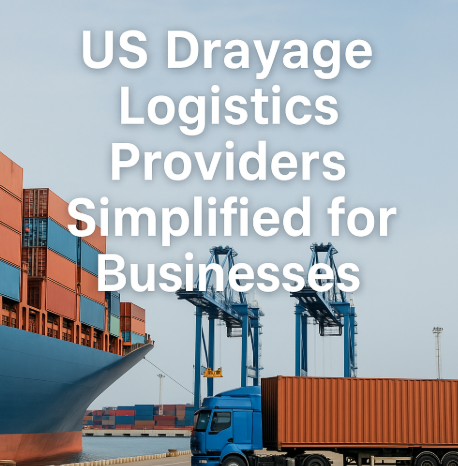
As global trade accelerates, companies are under pressure to move containers faster and manage port operations efficiently. US drayage logistics providers bridge the gap between ports, rail terminals, and warehouses — ensuring cargo flows smoothly across multiple transport modes. However, not all drayage partners offer the same reliability or technology integration. This article explores how to choose the right provider, optimize your freight strategy, and streamline port-to-door logistics through modern drayage networks.

What Are US Drayage Logistics Providers?
US drayage logistics providers handle the short-distance movement of containers — typically between ports, rail yards, and warehouses. While drayage represents a small segment of the supply chain, it is one of the most critical. A single delay in drayage can disrupt the entire import or export schedule.
These providers specialize in:
- Container pickup and delivery
- Intermodal coordination (truck-to-rail or rail-to-truck)
- Port clearance and documentation
- Chassis management and container repositioning
- Real-time tracking and scheduling
Their goal is to ensure containers move out of terminals quickly, avoiding detention or demurrage charges while keeping freight visible at every stage.
Why Drayage Services Are Essential in Modern Supply Chains
Drayage is the “first mile” and “last mile” of containerized freight. Without efficient drayage operations, even the best-planned international shipment can stall.
Key reasons businesses rely on professional drayage providers include:
- Port Congestion Relief: Dedicated scheduling prevents long terminal queues.
- Time Savings: Faster container moves mean quicker turnaround for exports/imports.
- Cost Reduction: Lower detention, storage, and chassis rental costs.
- Scalability: Ability to handle seasonal surges without overextending resources.
Therefore, working with a top-tier drayage provider can transform operational reliability and reduce total landed cost.
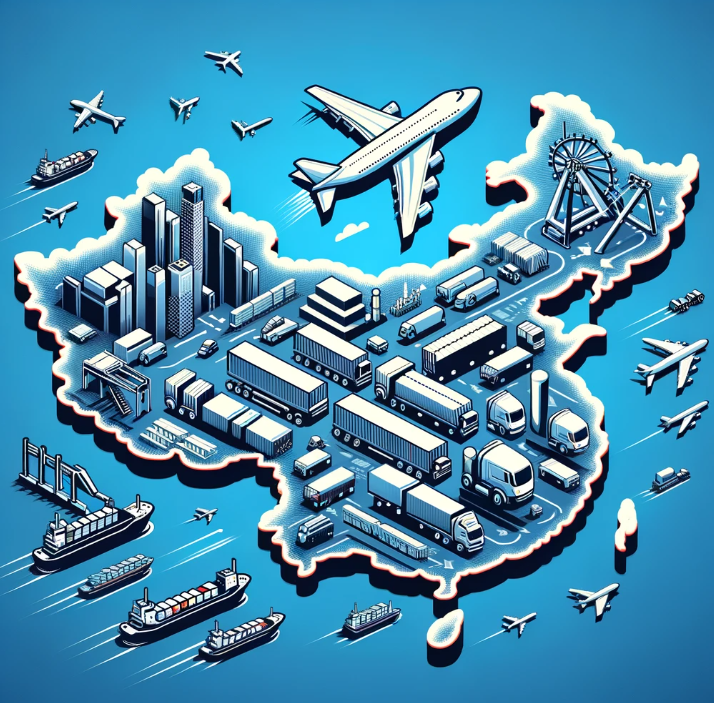
Core Services Offered by US Drayage Logistics Providers
| Service Type | Description | Ideal For |
|---|---|---|
| Port Drayage | Short-haul container transport from port to warehouse | Import/export shippers |
| Intermodal Drayage | Transfers between ports and rail terminals | Long-distance freight connections |
| Transload Drayage | Moves freight from container to domestic trailer | Inland distribution |
| Expedited Drayage | Priority container moves with guaranteed slots | Urgent or high-value cargo |
| Container Repositioning | Relocating empties to balance equipment | Carriers and forwarders |
Each service plays a role in maintaining cargo velocity from port arrival to final delivery.
How US Drayage Providers Integrate with Intermodal Freight
Efficient drayage logistics providers coordinate with intermodal networks, connecting ocean freight with rail or truck distribution.
For example:
- Containers discharged at the Port of Los Angeles.
- Drayage trucks deliver them to a rail ramp in Fontana.
- Freight moves by train to Chicago or Dallas.
- A final drayage leg delivers containers to the consignee.
This multi-leg process minimizes long-haul trucking costs and lowers carbon emissions by utilizing rail for the bulk of the journey.
What Makes a Reliable Drayage Logistics Provider?
When selecting a partner, businesses should evaluate both operational capacity and digital capability.
Look for providers who offer:
- FMCSA/DOT-certified fleets with clean compliance records.
- Integrated technology platforms for live tracking and EDI updates.
- Proactive communication and transparent billing.
- Scalable truck availability across multiple ports.
- Sustainability programs to reduce emissions.
At Velotactlcs Logistics, we combine nationwide drayage coverage with digital visibility tools, giving clients the power to manage containers from port gate to inland hub with full transparency.
Comparing Transportation Options: Truck vs Intermodal vs Drayage
| Mode | Avg Cost per Mile | Transit Time | Emission Reduction | Best Use Case |
|---|---|---|---|---|
| Full Truckload (FTL) | $2.70–$3.20 | 1–3 days | Low | Regional and domestic loads |
| Intermodal (Rail) | $1.30–$1.80 | 3–7 days | 40–60% lower CO₂ | Long-distance freight |
| Drayage (Short-haul) | $2.50–$4.00 | Same day | Moderate | Port-to-warehouse delivery |
This comparison shows that while drayage is costlier per mile, it saves significant storage and detention costs at the terminal — a critical factor for importers.
Benefits of Working with Top Drayage Providers
1. Improved Visibility
Real-time tracking ensures constant updates on container location and ETA.
2. Predictable Scheduling
Advanced slot booking reduces waiting times and driver idle hours.
3. Cost Transparency
Digital invoices and detailed breakdowns help manage budgets more effectively.
4. Enhanced Safety Compliance
Top providers maintain trained drivers and fully insured equipment.
5. Sustainability
Newer fleets often use electric or LNG trucks, reducing environmental impact.
How Velotactlcs Logistics Supports Drayage Operations
At Velotactlcs Logistics, our integrated approach connects drayage, intermodal, and transloading into one seamless solution.
We manage:
- Port pickups and inland deliveries at major US gateways (Los Angeles, Savannah, Houston, New York).
- Transload and warehouse coordination to minimize dwell time.
- Smart dispatch systems for route optimization and reduced emissions.
- EDI/API integrations with customer TMS platforms for full transparency.
Whether handling import containers from Asia or repositioning export empties, we deliver efficiency and reliability that scale with your business.
Challenges Facing the Drayage Industry in the US
Even leading providers face several challenges:
- Chassis shortages during seasonal surges.
- Terminal congestion caused by vessel bunching.
- Driver retention in a competitive labor market.
- Fuel volatility affecting short-haul pricing.
However, innovative drayage providers use predictive analytics, yard storage networks, and driver incentive programs to mitigate these issues effectively.
How to Select the Right Drayage Partner for Your Business
Follow this five-step checklist when evaluating potential providers:
- Assess Coverage: Ensure the provider operates in all ports you serve.
- Review Technology: Look for GPS tracking, digital PODs, and EDI integration.
- Compare Pricing: Transparent rate sheets with no hidden fees are essential.
- Check Compliance: Confirm FMCSA safety records and proper insurance.
- Evaluate Responsiveness: Communication speed often predicts service reliability.
Choosing the right drayage partner today sets the foundation for sustainable logistics growth tomorrow.
Cost Overview for Typical Drayage Routes
| Port Location | Destination | Distance (Miles) | Avg Drayage Rate |
|---|---|---|---|
| Los Angeles | Inland Empire | 70 | $320–$400 |
| Houston | Dallas | 250 | $600–$720 |
| Savannah | Atlanta | 250 | $580–$700 |
| New York | Newark | 15 | $200–$280 |
These averages reflect standard market rates and may vary based on congestion, chassis availability, and fuel costs.

Technology’s Role in Modern Drayage
Digital innovation has revolutionized drayage management.
Key tools used by leading providers include:
- AI-based dispatching for optimal truck allocation.
- Electronic gate systems for faster port access.
- Driver apps for real-time load updates and photo confirmations.
- Data dashboards for tracking on-time performance and CO₂ savings.
Velotactlcs Logistics leverages these tools to give clients a single view of their entire drayage and intermodal operation.
How Drayage Impacts Overall Supply Chain Efficiency
A well-managed drayage network shortens the supply chain by eliminating idle stages.
When containers move seamlessly from vessel to warehouse, businesses benefit from:
- Fewer demurrage penalties.
- Better warehouse planning.
- Faster order fulfillment.
- More accurate customer delivery promises.
Hence, efficient drayage is not just about moving boxes — it’s about strengthening every link of your logistics chain.
Conclusion
The role of US drayage logistics providers is expanding rapidly as global trade evolves. From managing port congestion to integrating intermodal systems, drayage professionals ensure that freight moves efficiently and cost-effectively. Partnering with a technology-driven company like Velotactlcs Logistics allows you to simplify operations, improve visibility, and achieve real savings. In the fast-paced logistics world, a reliable drayage partner isn’t just helpful — it’s essential.
Need a quote?
Ready to get started? Contact us now to request a free shipping quote.
Frequently Asked Questions (FAQ)
They handle short-haul container transport between ports, rail terminals, and warehouses, ensuring smooth port operations and timely delivery.
Check for licensing, technology capabilities, service coverage, and transparent pricing before partnering.
Yes. Most professional providers coordinate both inbound and outbound container movements efficiently.
By preventing detention, optimizing chassis usage, and reducing storage time at terminals, overall logistics costs drop.
Yes. Major ports like Los Angeles, Houston, Savannah, and New York all have extensive drayage networks.