In global trade, short-distance container transport is often overlooked — yet it can make or break delivery efficiency. Understanding theUS drayage meaning and examples helps shippers, importers, and exporters grasp how containers move between ports, warehouses, and intermodal hubs. This guide breaks down what drayage is, why it’s crucial, and how businesses can save time and money through better planning.
What Does Drayage Mean in US Logistics?
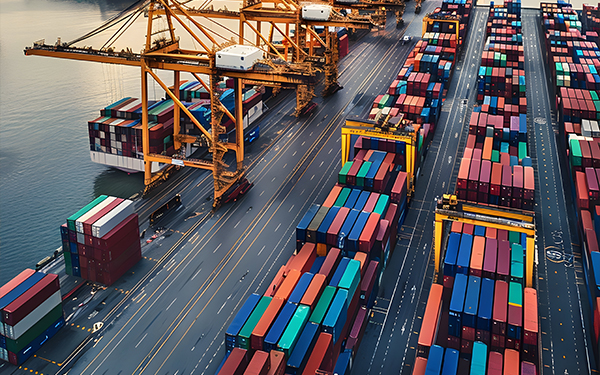
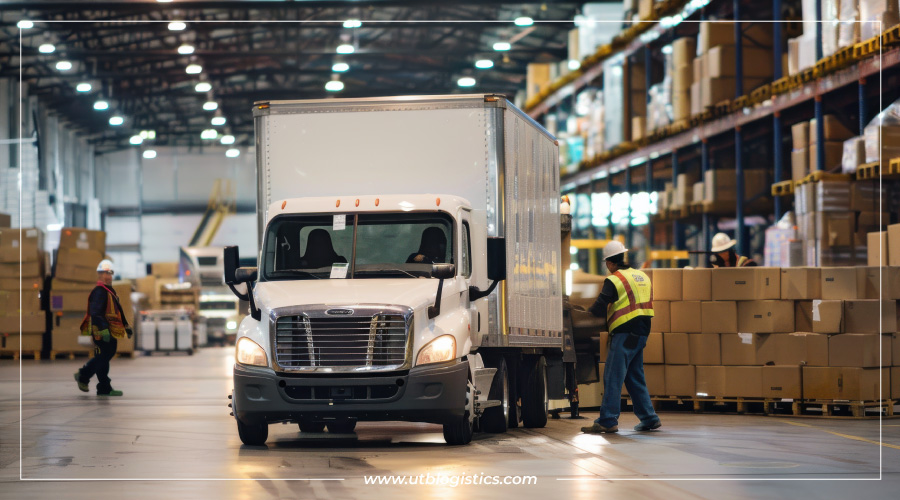
Drayage refers to the short-distance transportation of shipping containers, typically between a port terminal and a nearby warehouse or rail yard. Though the distance is short, it’s a critical part of the overall logistics chain.
In simple terms, the US drayage meaning and examples highlight how this process connects ocean freight to inland transportation, ensuring goods continue smoothly through the supply chain after arriving at a port.
Core drayage tasks include:
Picking up loaded containers from marine terminals.
Delivering cargo to warehouses or rail connections.
Returning empty containers to ports for reuse.
Managing chassis allocation and port scheduling.
Why Is Drayage Important for the US Supply Chain?
Without efficient drayage, even the fastest ocean or air shipments can experience delays. Drayage ensures timely cargo transfer between different modes of transport.
Key benefits:
Reduces port congestion.
Maintains container availability.
Prevents demurrage and per diem charges.
Keeps goods moving in high-volume import areas like Los Angeles, Savannah, or New York.
Real Examples of Drayage Operations in the US
Let’s explore real-world scenarios to make the concept clear:
Example 1: A container arrives in Los Angeles carrying electronics from China. A drayage truck collects it from the port, delivers it to a local warehouse in Ontario, CA, and returns the empty box to the terminal — all within one day.
Example 2: A Midwest manufacturer imports steel coils via the Port of Houston. The drayage provider moves containers from the port to a rail yard for onward transport to Chicago.
How Much Does Drayage Cost in the US?
Drayage costs depend on factors such as port location, distance, container type, and dwell time.
Note: Demurrage and detention fees may apply if containers remain at the terminal beyond free storage time.
What Factors Influence Drayage Pricing?
Several elements affect cost — understanding them helps companies make better budgeting decisions.
Transportation Management Systems (TMS): Automates dispatch and billing.
AI-powered scheduling: Predicts port congestion and optimizes timing.
Digital documentation: Reduces errors and paperwork.
These innovations shorten turn times and reduce idle fuel consumption, creating measurable savings.
How to Choose the Right Drayage Provider
When selecting a drayage partner, reliability is as important as pricing.
Consider the following factors:
Experience with major US ports.
Fleet size and equipment availability.
Real-time tracking and EDI integration.
Transparent pricing with no hidden fees.
Positive customer feedback and safety compliance.
Working with experienced logistics providers ensures consistent service and fewer operational risks.
Case Study: How Efficient Drayage Reduced Costs
A Florida-based importer struggled with recurring port delays, paying around $1,500 per week in demurrage fees. After switching to a digital drayage system with automated scheduling:
Turn time fell by 40%.
Demurrage dropped to nearly zero.
Monthly savings exceeded $6,000.
Customer satisfaction improved 25%.
This demonstrates how small improvements in drayage coordination deliver big savings over time.
The Future of US Drayage: Sustainability and Automation
Ports and carriers are embracing eco-friendly solutions to meet environmental goals.
Emerging trends include:
Electric and hybrid drayage trucks.
Shared chassis pools to reduce congestion.
Zero-emission zones near major ports.
Predictive software that plans low-carbon routes.
These changes will shape the next generation of efficient and sustainable port logistics.
Conclusion
The US drayage meaning and examples illustrate how vital this short-haul segment is to the entire supply chain. By understanding drayage functions, cost drivers, and real-world operations, businesses can improve delivery reliability, minimize port charges, and enhance visibility. Smart technology and proactive planning make all the difference in today’s competitive logistics landscape.
📦Get a Free Quote
We help shippers and importers optimize short-haul logistics, eliminate delays, and reduce total shipping costs. Get expert support and instant drayage quotes tailored to your port routes.