
US Drayage Near LA Port for Indonesia Cargo
Navigating the complexities of international shipping, especially for cargo originating from Indonesia, can be challenging. Efficient drayage near the LA Port is, therefore, crucial for seamless supply chain operations. This vital process connects your ocean freight to inland distribution, ensuring timely delivery and reducing potential bottlenecks. For comprehensive logistics solutions, consider VeloTactics Logistics.
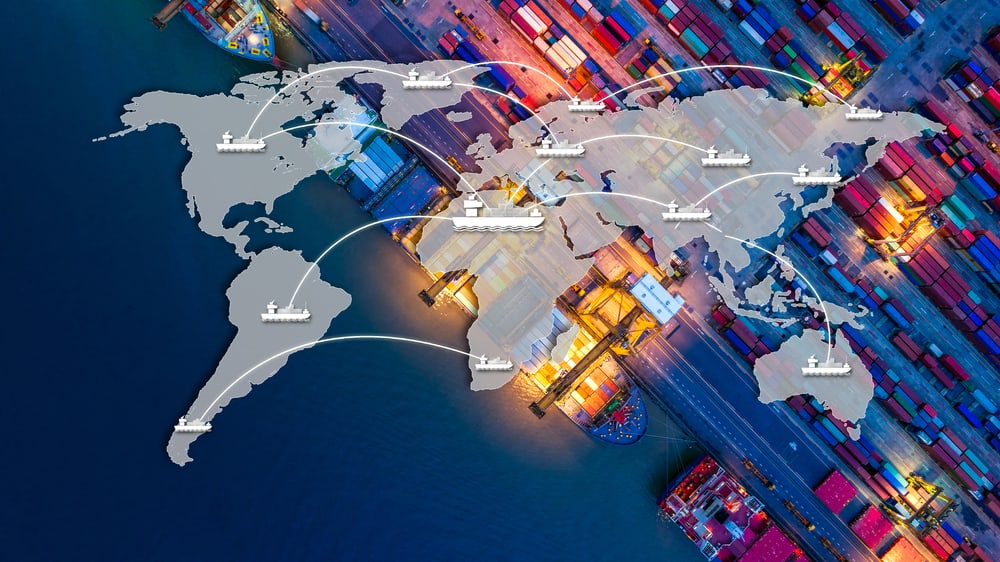
What is US Drayage and Why is it Critical for Indonesia Cargo?
Drayage refers to the specialized transport of goods over short distances, specifically the movement of ocean freight containers from a port terminal to an intermodal rail yard, warehouse, or distribution center. Consequently, this short-haul trucking is the first crucial step in the inland journey for imported goods.
For Indonesia cargo arriving at the LA Port, efficient US drayage is absolutely vital. Indeed, it ensures containers are swiftly moved off the congested port, minimizing demurrage charges and accelerating the overall supply chain. Therefore, selecting a reliable drayage partner significantly impacts delivery schedules.
Furthermore, drayage services often include chassis management, container yard storage, and sometimes even transloading. These additional services further streamline the process, particularly for high-volume imports from Indonesia. Ultimately, effective drayage directly influences your shipping costs and transit time.

Why is the LA Port a Hub for Indonesia Shipments?
The Port of Los Angeles (LA Port) stands as the busiest container port in the Western Hemisphere, making it a primary gateway for goods from Asia, including Indonesia. Its strategic location and extensive infrastructure attract numerous ocean carriers.
Moreover, the port offers unparalleled connectivity to major US markets via extensive rail and highway networks. This robust intermodal infrastructure allows for efficient onward distribution of Indonesia cargo across the entire United States.
Additionally, the LA Port boasts advanced facilities and technology for cargo handling. These capabilities support the high volume of import/export traffic, ensuring that even complex shipments from Indonesia are processed effectively. However, this high volume also necessitates expert drayage solutions.
Key Challenges in Drayage Near the LA Port for Indonesia Cargo
Despite its advantages, drayage near the LA Port presents several unique challenges. Port congestion, for instance, can lead to significant delays and increased costs. High demand for container chassis often exacerbates these issues.
Furthermore, navigating strict port regulations and appointment systems requires specialized knowledge and experience. Without a doubt, delays in these processes can result in hefty demurrage and detention fees for importers of Indonesia cargo.
Driver shortages and fluctuating fuel prices also contribute to the complexity of drayage operations. Consequently, maintaining a flexible and responsive delivery schedule becomes paramount. Therefore, choosing a logistics provider with robust drayage services is essential for mitigating these risks.
Finally, customs clearance procedures add another layer of complexity for international shipments. Ensuring all documentation is accurate and submitted on time is crucial to avoid further delays. Customs brokerage expertise is invaluable here.
Optimizing Your Drayage Operations for Efficiency and Cost Savings
Optimizing drayage operations is key to managing supply chain costs and improving delivery speed. Firstly, pre-booking drayage services well in advance can secure better rates and ensure equipment availability. This proactive approach minimizes last-minute surcharges.
Secondly, consolidating shipments or utilizing transloading services near the port can significantly reduce per-unit drayage costs. For example, moving multiple LCL shipments into a single truckload for inland transport offers economies of scale. Consider exploring warehousing and distribution options.
Moreover, leveraging real-time tracking and communication with your drayage provider enhances visibility and responsiveness. This transparency allows for quicker adjustments to unforeseen delays or changes in delivery schedules. Ultimately, effective communication saves time and money.
Finally, partnering with a logistics provider experienced in US drayage near LA Port for Indonesia cargo offers invaluable expertise. Such a partner can navigate port complexities, optimize routes, and manage unexpected events efficiently. They are experts in comprehensive logistics services.
| Strategy | Benefit | Impact on Costs | Impact on Time |
|---|---|---|---|
| Pre-booking Drayage | Guaranteed capacity, better rates | Reduced surcharges | Prevent delays |
| Transloading | Optimize container usage | Lower per-unit cost | Faster inland delivery |
| Real-time Tracking | Enhanced visibility, proactive alerts | Reduced demurrage | Improved delivery schedule |
| Experienced Partner | Expert navigation of port, crisis management | Avoid penalties | Streamlined operations |
How Does US Drayage Compare to Other Shipping Options?
When planning your supply chain from Indonesia to the US, understanding the role of drayage in the broader context of shipping options is crucial. Drayage is a specific component, primarily connecting ocean freight to inland transport. However, it contrasts with other methods for the entire journey.
For instance, direct air freight from Indonesia to the US offers significantly faster transit times but at a much higher cost. This method bypasses drayage entirely, making it suitable for urgent or high-value cargo where speed is paramount. Air freight, therefore, serves a different logistical need.
Conversely, full ocean freight from Indonesia involves the longest transit times but offers the lowest cost per unit for large volumes. Drayage then becomes an indispensable part of this process, moving containers from the LA Port to their final destination. This comparison highlights the interconnectedness of various logistics elements.
Furthermore, intermodal rail transport often follows drayage for longer inland distances. While slower than trucking for short hauls, rail can be more cost-effective and environmentally friendly for cross-country distribution. Ultimately, the best approach depends on your specific cargo, budget, and transit time requirements.
| Shipping Method | Cost Range | Transit Time (Indonesia to US) | Best For | Limitations |
|---|---|---|---|---|
| Ocean Freight + Drayage + Trucking | $3,000 – $6,000 (40HQ total) | 30-45 days | Large volume, heavy goods, cost-sensitive | Slowest, port congestion risk |
| Air Freight (Direct) | $15,000 – $25,000 (equivalent 40HQ) | 5-10 days | Urgent, high-value, perishable goods | Highest cost, volume/weight restrictions |
| Ocean Freight + Drayage + Rail | $3,500 – $7,000 (40HQ total) | 35-50 days | Large volume, non-urgent, inland US destinations | Slightly longer than truck, rail schedule dependency |

Real-World Drayage Success Stories for Indonesia Cargo
These case studies demonstrate how effective US drayage near the LA Port optimizes logistics for diverse Indonesia cargo. They highlight the importance of strategic planning and a reliable logistics partner. Furthermore, they showcase practical applications of efficient supply chain management.
Case Study 1: Apparel Imports from Jakarta to Los Angeles
This scenario involved a fashion retailer importing seasonal apparel from Jakarta, Indonesia. Timely delivery was crucial to meet retail launch dates. The challenge was significant port congestion at LA during peak season, potentially incurring high demurrage charges.
| Detail | Description |
|---|---|
| Route | Jakarta, Indonesia -> Los Angeles, USA |
| Cargo | Apparel, 60 CBM, 15,000 kg |
| Container | Two 40HQ containers |
| Shipping Details | Carrier: Maersk, Port of Loading: Tanjung Priok, Port of Discharge: LA Port, Route Type: Direct |
| Cost Breakdown | Ocean Freight: $5,800 (total), Origin Charges: $700, Destination Charges (drayage, THC): $1,800, Customs & Duties (estimated): $2,500, Total Landed Cost: $10,800 |
| Timeline | Booking to Loading: 5 days, Sea Transit: 22 days, Customs Clearance: 3 days, Total Door-to-Door: 30 days |
| Key Insight | Pre-booked drayage slots and direct communication with the drayage team ensured both containers were picked up within 24 hours of availability. This avoided demurrage and kept the retail launch on schedule. Based on Q3 2024 market rates. |
Case Study 2: Furniture Components from Surabaya to Inland California
A furniture manufacturer needed to import specialized components from Surabaya, Indonesia, for their assembly plant in Riverside, California. The primary concern was cost-effectiveness for regular, high-volume shipments and efficient inland transport. This required careful planning.
| Detail | Description |
|---|---|
| Route | Surabaya, Indonesia -> Los Angeles, USA -> Riverside, CA |
| Cargo | Furniture components, 25 CBM, 8,000 kg |
| Container | One 20GP container (LCL initially, then transloaded) |
| Shipping Details | Carrier: MSC, Port of Loading: Tanjung Perak, Port of Discharge: LA Port, Route Type: Transshipment via Singapore |
| Cost Breakdown | Ocean Freight: $1,600, Origin Charges: $450, Destination Charges (transloading, drayage): $1,200, Customs & Duties (estimated): $1,000, Total Landed Cost: $4,250 |
| Timeline | Booking to Loading: 7 days, Sea Transit: 35 days, Customs Clearance: 4 days, Total Door-to-Door: 46 days |
| Key Insight | By utilizing an LCL shipment to the LA Port and then transloading into a 53-foot domestic truck for the final leg, the client saved significantly on inland freight costs compared to direct 20GP trucking. This strategy optimized efficiency for ocean freight solutions. Typical rates as of early 2025. |
Case Study 3: Industrial Parts from Medan to Nevada Distribution Center
An industrial supplier required regular shipments of machine parts from Medan, Indonesia, to their distribution center in Nevada. The challenge involved managing customs intricacies and ensuring a predictable transit time for their production schedule. This demanded a robust logistical plan.
| Detail | Description |
|---|---|
| Route | Medan, Indonesia -> Los Angeles, USA -> Nevada |
| Cargo | Industrial parts, 28 CBM, 12,000 kg |
| Container | One 20GP container |
| Shipping Details | Carrier: COSCO, Port of Loading: Belawan, Port of Discharge: LA Port, Route Type: Direct |
| Cost Breakdown | Ocean Freight: $2,100, Origin Charges: $550, Destination Charges (drayage, intermodal rail): $2,000, Customs & Duties (estimated): $1,500, Total Landed Cost: $6,150 |
| Timeline | Booking to Loading: 6 days, Sea Transit: 28 days, Customs Clearance: 3 days, Total Door-to-Door: 40 days |
| Key Insight | After drayage from LA Port, the container was swiftly transferred to an intermodal rail terminal for the long haul to Nevada. This hybrid approach balanced cost and transit time effectively, proving ideal for regular, non-urgent shipments to inland states. This showcases efficient drayage services. Based on current market rates Q1 2025. |
Which Drayage Option Should You Choose for Your Indonesia Cargo?
Selecting the optimal drayage strategy for your Indonesia cargo depends on several critical factors. Budget, speed, cargo type, and volume thresholds all play a significant role in this decision-making process. Therefore, a tailored approach is often the most effective.
If budget is your primary priority, utilizing transloading services or combining drayage with intermodal rail for longer distances can yield substantial savings. However, this may add a few days to the overall transit time. Consider the trade-offs carefully.
Conversely, if speed is paramount, direct drayage from the LA Port to your facility, potentially with dedicated trucking, is recommended. This option minimizes delays at every step, albeit at a higher cost. For urgent shipments, speed justifies the expense.
Moreover, cargo type considerations heavily influence handling requirements. Perishable goods or fragile items may necessitate specialized equipment and expedited drayage. Conversely, standard dry goods allow for more flexible and cost-effective solutions.
Finally, volume thresholds dictate whether FCL or LCL drayage is more economical. For shipments under 15 CBM, consolidating through LCL and then transloading can be more efficient. Larger volumes, however, generally benefit from direct FCL drayage. Always seek expert advice for your specific needs.
Seamless Logistics: Your Partner for US Drayage Near LA Port for Indonesia Cargo
Effectively managing US drayage near the LA Port is a cornerstone of successful import operations for Indonesia cargo. Overcoming challenges like port congestion, chassis shortages, and customs complexities requires specialized expertise. Therefore, partnering with a knowledgeable logistics provider is indispensable.
By optimizing drayage, you can significantly reduce costs, improve transit times, and enhance the overall reliability of your supply chain. Ultimately, a well-executed drayage strategy ensures your goods move swiftly and efficiently from port to destination. Trust in reliable solutions for your critical cargo.
Start Your Shipment
Ready to streamline your imports from Indonesia? Contact us today to discuss your US drayage needs near LA Port. Our team of experts provides customized logistics solutions designed for efficiency and cost-effectiveness. Get a personalized quote for your next shipment.
Request Quote