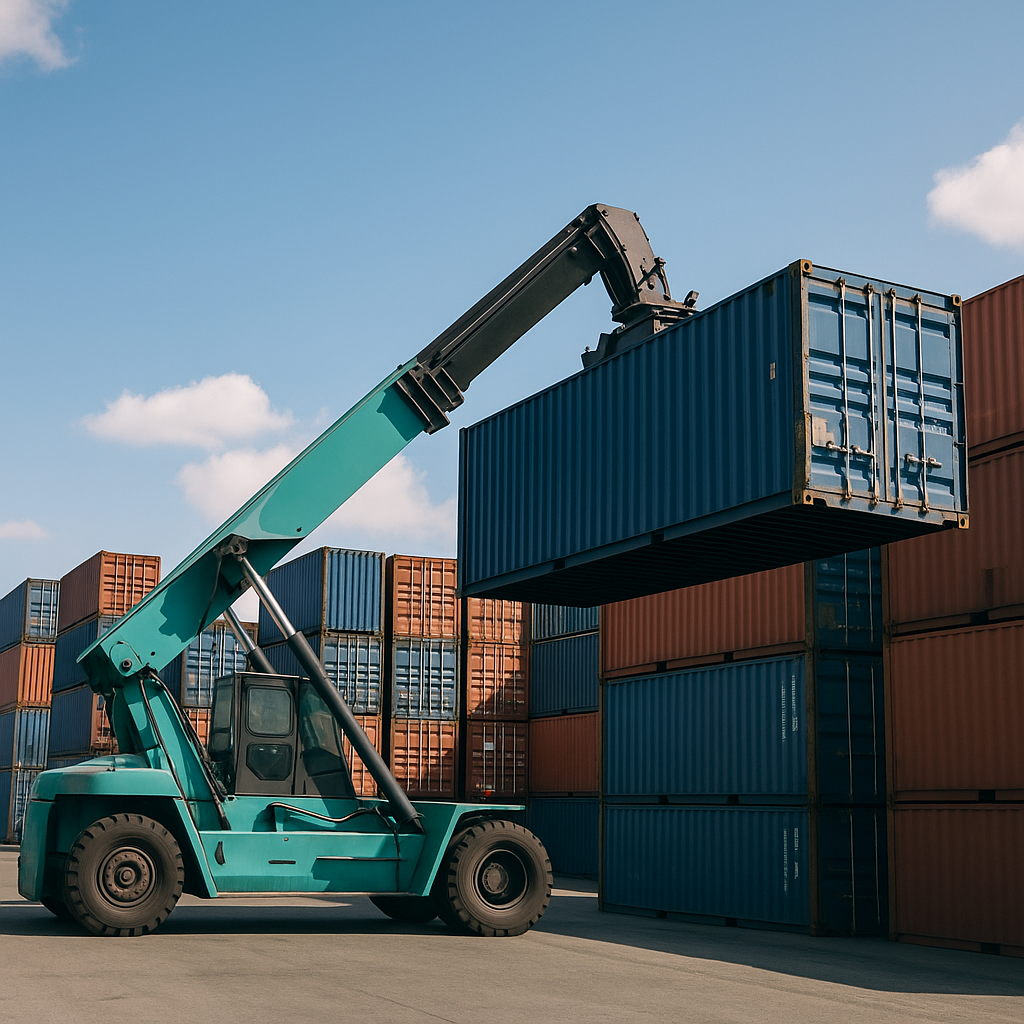
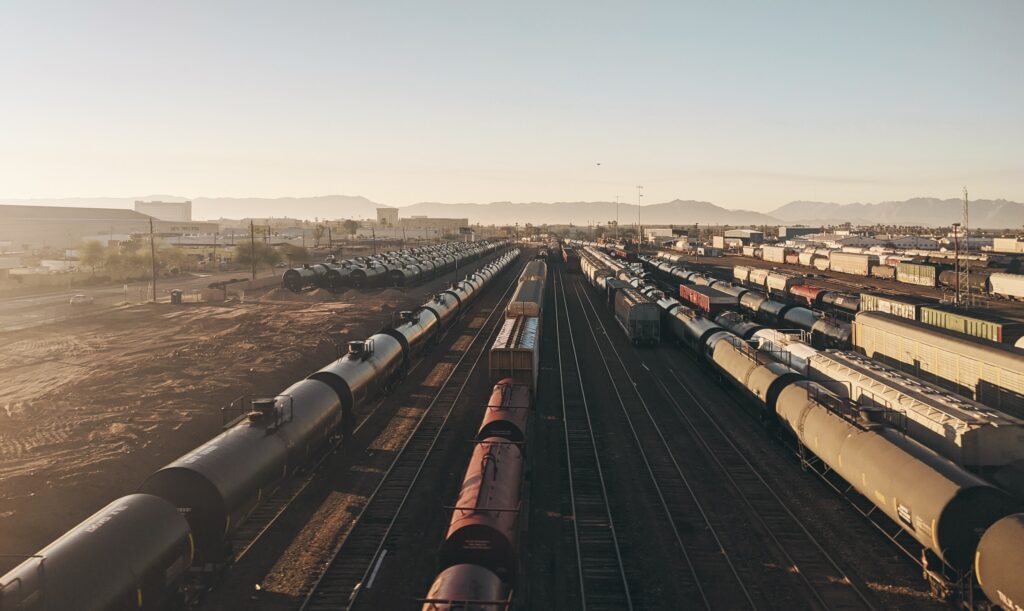
Every container that lands in a US port must travel a final short distance — and that’s where drayage becomes critical. The US drayage operations guide you’re about to read focuses on how companies can simplify port-to-warehouse transport, cut costs, and improve scheduling accuracy. With smarter coordination, importers and exporters can minimize port delays and move goods faster and more reliably.
What Are US Drayage Operations?
Drayage operations refer to the short-distance movement of containers from ports or rail terminals to warehouses or distribution centers. It bridges the gap between long-haul ocean freight and final delivery.
Main functions include:
Scheduling and dispatching trucks for container pick-up and drop-off
Coordinating with terminal appointments and customs release
Managing chassis, yard storage, and documentation
Ensuring efficient route planning to reduce idle time
This process requires speed, accuracy, and strong communication between carriers, shippers, and port authorities.
Why Efficient Drayage Operations Matter
Every hour of delay in drayage translates into financial loss — for carriers and customers alike. Efficient operations ensure better asset utilization, lower demurrage charges, and improved customer satisfaction.
Key reasons efficiency matters:
Avoid penalties: Late pickups cause daily demurrage fees.
Boost profitability: Less idle time means lower fuel and labor costs.
Comparing Manual vs. Automated Drayage Operations
Modern drayage companies use automation to speed up scheduling, communication, and route optimization. The comparison below highlights key performance differences.
Result: Companies adopting automation reduce costs by up to 20% while achieving faster container turnaround.
How to Plan an Effective Drayage Operation
A well-structured plan helps balance truck availability, container flow, and port restrictions.
Key steps:
Forecast demand: Use port data to estimate daily container volume.
Pre-pull containers: Avoid congestion by moving early when possible.
Optimize routing: Reduce empty miles by pairing import and export trips.
Track performance metrics: Measure average pickup time and load efficiency.
Communicate proactively: Keep customers updated on delivery schedules.
An operation built on these principles saves time and enhances service reliability.
Common Challenges in US Drayage Operations
Drayage is one of the most unpredictable links in the logistics chain. Key challenges include:
Port congestion and wait times during peak season.
Driver shortages and compliance with Hours of Service (HOS).
Variable terminal rules and cut-off windows.
Manual communication errors leading to missed appointments.
These issues can cause significant cost increases if not managed strategically.
Data-Driven Insights: How Optimization Saves Time and Cost
Below is an analysis comparing typical results before and after digital optimization.
By combining GPS tracking and automated scheduling, many carriers have reduced idle time and improved cash flow dramatically.
The Role of Customer Service in Drayage Operations
Strong customer service teams ensure that dispatchers, drivers, and clients stay aligned.
How they add value:
Provide real-time tracking updates.
Handle schedule changes instantly.
Resolve customs or gate-entry delays.
Maintain consistent communication to build trust.
In short, customer service acts as the operational backbone connecting technology and execution.
How to Choose the Right Drayage Partner
Selecting a reliable drayage provider impacts your entire logistics chain.
Checklist for evaluation:
Proven experience in port and intermodal operations.
Access to digital tracking and live notifications.
Fleet size suitable for your container volume.
Clear pricing with no hidden fees.
24/7 communication support and fast issue resolution.
A partner with both operational expertise and technology ensures efficiency under pressure.
Sustainable Drayage: Reducing Emissions and Idle Time
Sustainability is now a key performance metric for US logistics providers.
Ways companies improve green efficiency:
Use electric or hybrid drayage trucks for local routes.
Employ geo-fencing to reduce idle time at gates.
Pre-plan driver rest cycles to minimize empty trips.
Analyze CO₂ output per load to track environmental impact.
These initiatives cut fuel costs and align with customer sustainability goals.
Example: Port of Los Angeles Efficiency Case
A California drayage fleet implemented automated dispatching and geofencing.
Average turn time improved from 92 minutes to 54 minutes.
Fuel use decreased by 18% through optimized routing.
Monthly demurrage costs dropped by $2,700.
Customer satisfaction score rose from 7.5 to 9.1/10.
The combination of proactive scheduling and live visibility helped the company outperform competitors.
Conclusion
Efficient US drayage operations depend on coordination, automation, and data transparency. By leveraging digital tools and process discipline, companies can cut idle time, reduce fuel costs, and maintain customer trust. The best drayage providers aren’t just moving containers — they’re optimizing every mile from port to warehouse.
📦Get a Free Quote
Our logistics specialists help importers, exporters, and carriers enhance port performance through smart scheduling, live tracking, and process optimization. Partner with us to streamline your container flow — saving both time and cost.