
US Drayage Overweight Cargo Thailand: Expert Solutions for Heavy Haulage
Shipping overweight cargo from the US to Thailand presents significant logistical challenges. Specifically, managing US drayage overweight cargo Thailand requires specialized knowledge and equipment. This guide will explore the intricacies of these shipments, offering insights into regulatory compliance and efficient execution. We aim to simplify your heavy haulage journey.
What Defines Overweight Cargo in Drayage Operations?
Understanding what constitutes overweight cargo is the first step in successful international shipping. Generally, cargo is considered overweight when its gross weight exceeds standard legal limits for road transportation. These limits vary significantly by state in the US and also upon arrival in Thailand.
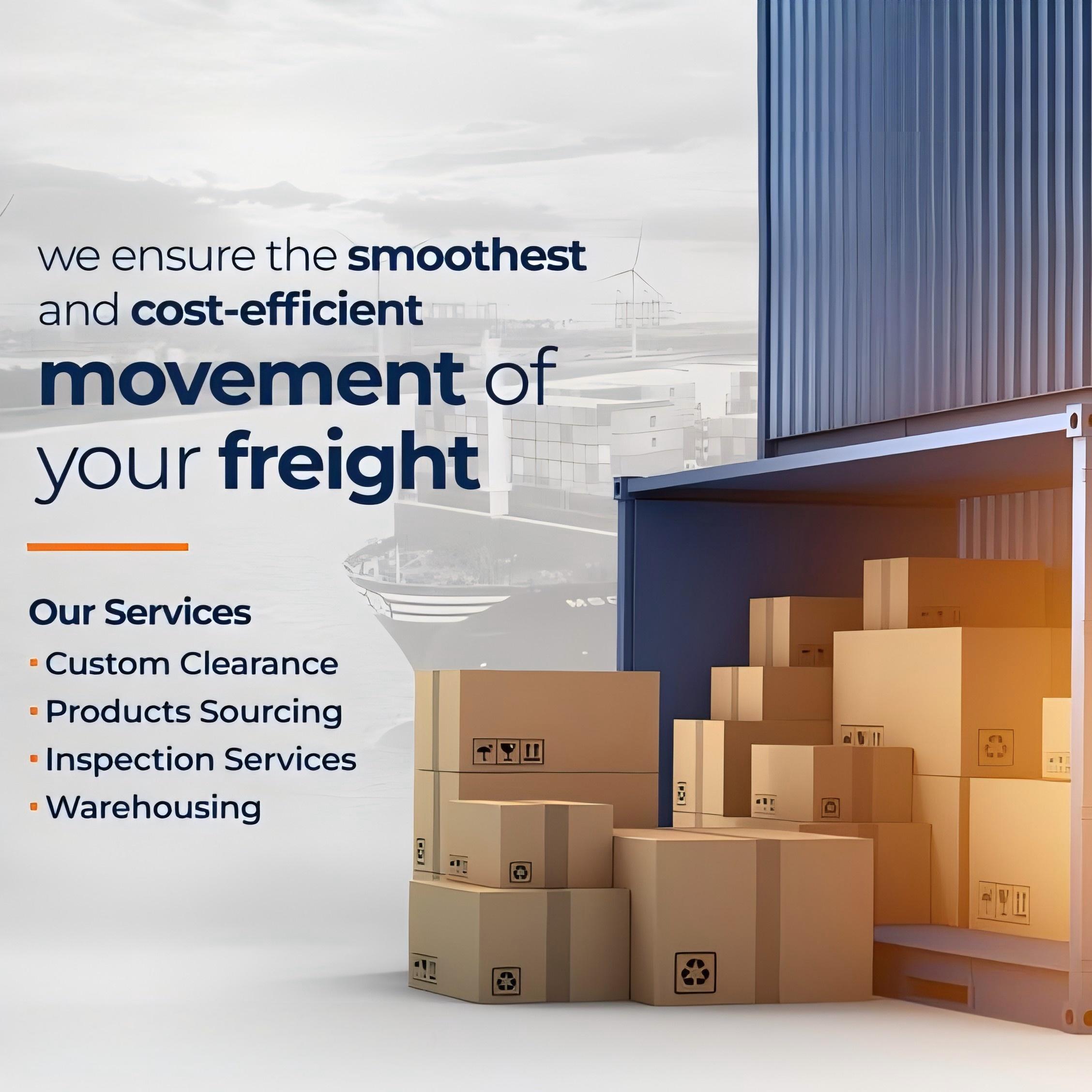
Consequently, exceeding these thresholds necessitates special permits, specific equipment, and careful route planning. For example, a standard 20-foot container might have a maximum payload around 48,000 lbs, but road restrictions often cap the gross vehicle weight much lower. Therefore, managing this weight is crucial for compliance and safety.
Moreover, drayage specifically refers to the short-haul transportation of goods, typically from a port or rail hub to a local destination. When this involves overweight cargo, the complexities multiply. Specialized drayage services become indispensable.
Why is Overweight Cargo a Significant Challenge for US-Thailand Drayage?
Shipping heavy goods from the US to Thailand involves navigating a complex web of regulations and logistical hurdles. Each stage, from origin drayage to destination delivery, demands meticulous attention. Improper handling can lead to costly delays and penalties.
First, US road weight limits vary by state and axle configuration. Therefore, obtaining the correct permits for overweight cargo solutions is a critical initial step. This often requires pre-planning and coordination with state departments of transportation.
Secondly, specialized equipment is essential. Standard chassis may not be adequate for extremely heavy loads, necessitating multi-axle or extendable chassis. Furthermore, the availability and cost of such equipment can impact the overall shipping costs and delivery schedule.
Upon arrival in Thailand, similar challenges arise with local drayage regulations and infrastructure. Thai customs procedures also play a significant role. Consequently, a comprehensive strategy is vital for seamless customs brokerage and delivery.
Key Regulations and Compliance for US-Thailand Overweight Shipments
Navigating the regulatory landscape for US drayage overweight cargo to Thailand is paramount. Both origin and destination countries have distinct rules governing heavy haulage. Ignoring these can result in significant fines, delays, and even cargo seizure.
In the United States, the Department of Transportation (DOT) sets federal guidelines, but individual states enforce their own specific weight limits. Moreover, special permits are required for loads exceeding these limits, often specifying approved routes and travel times. This impacts transit time considerably.
For shipments destined for Thailand, import regulations and customs duties must be thoroughly understood. The Thai Customs Department enforces strict rules on cargo classification, valuation, and documentation. Therefore, accurate paperwork is non-negotiable for smooth entry.
Furthermore, local drayage in Thailand also has its own set of road weight restrictions and permitting requirements. A reputable logistics partner can help navigate these complexities. They ensure compliance at every leg of the journey, mitigating risks effectively.
Essential Documentation for Overweight Cargo
Proper documentation is the backbone of any international shipment, especially for overweight cargo. Without it, your goods can face severe delays at ports and border crossings. Indeed, meticulous preparation prevents many common pitfalls.
Key documents typically include the Bill of Lading, commercial invoice, packing list, and any specific permits for oversized loads. For US drayage overweight cargo Thailand, additional permits from US state DOTs and potentially Thai transport authorities are necessary. Ensuring all documents are accurate and complete is crucial for hassle-free customs clearance.
Moreover, a freight forwarder specializing in project cargo management can assist in preparing and submitting all required paperwork. This expertise simplifies the process significantly. It helps to avoid unexpected issues.
| Document Type | Purpose | Issuing Authority | Notes |
|---|---|---|---|
| Bill of Lading (BOL) | Contract of carriage & title | Carrier | Details cargo, shipper, consignee |
| Commercial Invoice | Proof of sale & value | Exporter | Used for customs valuation & duties |
| Packing List | Details cargo contents | Exporter | Aids in customs inspection & inventory |
| Overweight Permits (US) | Legal authorization for heavy loads | US State DOTs | Route-specific, often time-sensitive |
| Import License (Thailand) | Authorization for specific goods | Thai Ministry of Commerce | Required for certain regulated items |
Planning Your Overweight Cargo Shipment: A Step-by-Step Guide
Effective planning is crucial for successful US drayage overweight cargo to Thailand shipments. A systematic approach minimizes risks and optimizes efficiency. Consider these steps to ensure a smooth process.
Firstly, conduct a thorough cargo assessment. This involves precise measurements of weight and dimensions. Understanding the exact specifications of your heavy goods to Thailand from US is fundamental. It informs equipment selection and route planning.
Secondly, select the appropriate shipping method. While sea freight is common for heavy cargo, specific needs might warrant other options. For instance, extremely urgent or high-value items might consider air freight, despite higher shipping costs. This decision impacts the entire supply chain.
Thirdly, engage with a specialized logistics provider early in the process. Their expertise in US and Thai import regulations, along with access to specialized equipment, is invaluable. They can help navigate the complexities of permits and customs clearance for overweight shipments Thailand.
Finally, meticulous route planning and scheduling are essential. This includes coordinating drayage at both origin and destination, considering road restrictions, and optimizing the delivery schedule. Proper coordination avoids bottlenecks and ensures timely delivery.
Specialized Equipment and Handling for Heavy Haulage
Handling overweight cargo requires more than just strong trucks; it demands specialized equipment and expert techniques. From the initial lift to the final delivery, every step must be meticulously planned. Standard equipment simply will not suffice for these demanding tasks.
For drayage, specialized chassis are often necessary. These include multi-axle chassis, extendable chassis, or gooseneck trailers, designed to distribute weight more evenly. This compliance with road weight limits is critical. It prevents damage to infrastructure and avoids legal issues.
At ports, heavy-lift cranes and specialized rigging equipment are employed for loading and unloading. These operations require skilled operators and precise coordination. The proper selection of lifting gear is paramount to cargo handling safety. It ensures the integrity of the shipment.
Furthermore, securing overweight cargo within containers or on flat racks is an art form. Proper lashing, blocking, and bracing prevent movement during transit. This protects the cargo from damage and ensures safety on the roads and seas. It is a key aspect of risk management overweight shipping.
Ultimately, partnering with a logistics provider experienced in these specific operations is vital. They possess the necessary equipment and trained personnel. This ensures that your heavy goods are handled safely and efficiently throughout their journey.
How Does US Drayage Overweight Cargo Thailand Compare to Other Shipping Options?
When considering US drayage overweight cargo to Thailand, it is important to evaluate all available shipping options. Each method offers distinct advantages and disadvantages regarding cost, speed, and capacity. Understanding these differences helps in optimizing your supply chain Thailand.
Sea freight, undoubtedly, remains the most common and cost-effective method for heavy and oversized cargo. It offers immense capacity for large volumes. However, its transit time is significantly longer. This requires careful planning for inventory management.
Air freight, conversely, provides unparalleled speed, crucial for urgent shipments or high-value, low-volume goods. Nevertheless, its high shipping costs and limited capacity for truly overweight or oversized items make it less suitable for many heavy haulage scenarios. It is often reserved for critical components.
Hybrid solutions, such as sea-air combinations, can offer a balance between speed and cost. For example, shipping by sea to a hub like Singapore, then air freighting to Thailand. This can reduce overall transit time compared to direct sea routes. It is a flexible approach for specific needs.
Ultimately, the best choice depends on your specific cargo, budget priority, and timeline. Evaluating these factors carefully ensures the most efficient and economical delivery. This decision framework is vital for informed logistics choices.
Shipping Method Comparison for US to Thailand
| Shipping Method | Cost Range (per TEU/CBM) | Transit Time (US to Thailand) | Best For | Limitations |
|---|---|---|---|---|
| Full Container Load (FCL) Sea Freight | $3,000 – $6,000 (40HQ) | 30-45 days | Large, heavy, non-urgent cargo | Long transit, port congestion risk |
| Less than Container Load (LCL) Sea Freight | $80 – $150 (per CBM) | 35-50 days | Smaller volumes, cost-sensitive | Longer transit, potential for delays |
| Air Freight | $5 – $10 (per kg) | 5-10 days | Urgent, high-value, light cargo | High cost, weight/size restrictions |
| Project Cargo (Breakbulk/RO-RO) | Custom Quote | 30-50 days | Extremely oversized/heavy items | Specialized handling, limited frequency |
Which Option Should You Choose?
Selecting the optimal shipping method involves a strategic assessment of several key criteria. Your decision directly impacts your budget, delivery schedules, and overall supply chain efficiency. Consider these factors carefully.
If budget priority is your main concern, sea freight, especially FCL for larger volumes, is typically the most economical choice. It offers the lowest cost per unit. However, be prepared for longer transit times.
For speed priority, particularly for time-sensitive components or emergency shipments, air freight is the undisputed champion. It drastically cuts down transit times. Nevertheless, it comes with a significantly higher price tag.
Cargo type considerations also play a crucial role. Extremely heavy or oversized items that cannot fit into standard containers will necessitate specialized project cargo solutions. This involves breakbulk or Roll-on/Roll-off (RO-RO) vessels. Such items require expert heavy haulage.
Finally, volume thresholds for switching methods are important. For shipments under 15 CBM, LCL sea freight might be more economical than a full container. Conversely, if your cargo fills a 20GP or 40HQ, FCL offers better value. A hybrid approach may also be suitable for certain cross-border logistics solutions.

Real-World Success: Case Studies in Overweight Cargo to Thailand
Examining real-world scenarios provides practical insights into managing US drayage overweight cargo to Thailand. These case studies highlight common challenges and effective solutions. They underscore the importance of expert logistics partners for heavy goods to Thailand from US.
Case Study 1: Industrial Machinery for a Factory Expansion
This case involved shipping a large piece of industrial machinery, crucial for a factory upgrade in Thailand. The challenge was its significant weight and specific dimensions, requiring specialized handling from the US factory floor to the Thai installation site. This project demanded precise coordination.
| Detail | Description |
|---|---|
| Route | Houston, USA -> Laem Chabang, Thailand |
| Cargo | Manufacturing Press, 28 CBM, 32,000 kg |
| Container | 1 x 40′ Flat Rack (Overweight) |
| Shipping Details | Carrier: MSC, Port of Loading: Houston, Port of Discharge: Laem Chabang, Route Type: Transshipment via Singapore |
| Cost Breakdown | Ocean Freight: $5,800, Origin Charges: $950, Destination Charges: $700, Customs & Duties (estimated): $1,200, Total Landed Cost: $8,650 |
| Timeline | Booking to Loading: 7 days, Sea Transit: 38 days, Customs Clearance: 4 days, Total Door-to-Door: 50 days |
| Key Insight | US overweight permits and specialized drayage chassis were critical for origin transport. Thai customs required detailed machinery specifications. Q3 2024 market rates reflect stable but elevated flat rack costs due to demand. |
Case Study 2: Construction Equipment for a Major Infrastructure Project
A client needed to transport multiple pieces of heavy construction equipment for a new infrastructure project near Bangkok. The primary concern was coordinating multiple overweight loads from different US suppliers and ensuring timely arrival to meet project deadlines. This required extensive planning.
The project’s success hinged on efficient consolidated shipping and navigating complex import regulations for various machinery types. Sea freight services were leveraged for cost-effectiveness.
| Detail | Description |
|---|---|
| Route | Chicago, USA -> Laem Chabang, Thailand |
| Cargo | 2x Excavator Attachments, 1x Large Generator, Total 45 CBM, 48,000 kg |
| Container | 2 x 20′ Open Top (Overweight) |
| Shipping Details | Carrier: COSCO, Port of Loading: Long Beach, Port of Discharge: Laem Chabang, Route Type: Direct (via feeder from Chicago to Long Beach) |
| Cost Breakdown | Ocean Freight: $9,200, Origin Charges: $1,400, Destination Charges: $1,100, Customs & Duties (estimated): $2,100, Total Landed Cost: $13,800 |
| Timeline | Booking to Loading: 10 days, Sea Transit: 35 days, Customs Clearance: 5 days, Total Door-to-Door: 55 days |
| Key Insight | Consolidation of loads at a US hub minimized costs. Navigating specific US state overweight limits for inland drayage was challenging. Based on early 2025 rates, open top containers require premium booking for stability. |
Case Study 3: Large Power Transformer for Energy Sector
This shipment involved a very large and heavy power transformer destined for a new energy plant in regional Thailand. The critical nature of the cargo and its immense weight demanded a highly specialized approach, including route surveys and escorted transport. This was a complex operation.
The successful delivery showcased meticulous planning, from initial engineering assessments to final site delivery. It exemplifies efficient door-to-door logistics Thailand, even for the most challenging items.
| Detail | Description |
|---|---|
| Route | Cleveland, USA -> Laem Chabang, Thailand |
| Cargo | Power Transformer, 60 CBM, 65,000 kg |
| Container | 1 x Breakbulk (on vessel deck) |
| Shipping Details | Carrier: Maersk Line (Breakbulk Service), Port of Loading: New York, Port of Discharge: Laem Chabang, Route Type: Direct (with heavy lift vessel) |
| Cost Breakdown | Ocean Freight: $18,500, Origin Charges: $2,500, Destination Charges: $2,000, Customs & Duties (estimated): $3,500, Total Landed Cost: $26,500 |
| Timeline | Booking to Loading: 15 days, Sea Transit: 40 days, Customs Clearance: 6 days, Total Door-to-Door: 65 days |
| Key Insight | Breakbulk required specialized vessel and port infrastructure. US road surveys and police escorts were needed for inland drayage. Typical rates as of late 2024 for breakbulk are highly variable and require direct carrier negotiation. |
Optimizing Costs and Transit Times for Your Shipments
Managing costs and transit times effectively is vital for competitive US drayage overweight cargo to Thailand. Several strategies can be employed to achieve optimal results. Understanding current logistics trends and market conditions is key.
Firstly, consider consolidating smaller overweight shipments. This can reduce per-unit shipping costs by utilizing full containers or specialized equipment more efficiently. It requires careful coordination but yields significant savings.
Secondly, explore off-peak shipping periods. Freight rates typically increase 15-25% during August-October peak season due to higher demand. Shipping during quieter months can result in substantial cost reductions. This requires flexible planning.
Thirdly, leverage technology for real-time tracking and supply chain visibility. This allows for proactive problem-solving and reduces the impact of unexpected delays. Efficient data management can streamline operations and improve delivery schedule adherence.
Finally, work with experienced logistics partners who can negotiate favorable freight rates and identify the most efficient routes. Their industry connections and expertise in US and Thai import regulations can provide invaluable cost-saving strategies. Based on Q1 2025, freight rates from Asia have stabilized but remain susceptible to regional disruptions. Note: Freight rates are subject to change based on fuel costs, carrier capacity, and seasonal demand. Contact us for a current quote tailored to your specific shipment.
Choosing the Right Logistics Partner for US Drayage Overweight Cargo Thailand
Selecting a capable logistics partner is perhaps the most critical decision for successful US drayage overweight cargo to Thailand. An experienced partner can transform complex challenges into seamless operations. They bring expertise that is hard to replicate internally.
Look for a provider with a proven track record in heavy haulage and international shipping to Southeast Asia. Their experience with US state-specific drayage regulations and Thai customs procedures is invaluable. This expertise ensures compliance and efficiency.
Furthermore, assess their network and equipment capabilities. Do they have access to specialized chassis, cranes, and experienced personnel for cargo handling? A robust network ensures flexibility and reliability. It supports diverse logistical needs.
Consider their communication and transparency. A good partner provides regular updates and proactive solutions to potential issues. Clear communication is essential for managing expectations and maintaining trust throughout the shipping process. This transparency is a hallmark of quality service.
Ultimately, a strong logistics partner acts as an extension of your team, managing the complexities of your supply chain. They offer peace of mind and ensure your valuable overweight cargo reaches Thailand safely and on schedule. This is crucial for optimizing your operations.
Mastering US Drayage Overweight Cargo to Thailand
Shipping overweight cargo from the US to Thailand is a complex, multi-faceted endeavor. It requires meticulous planning, strict adherence to regulations, and specialized handling at every stage. From origin drayage permits to destination customs clearance, every detail matters.
By understanding the intricacies of weight limits, leveraging appropriate equipment, and partnering with an experienced logistics provider, businesses can navigate these challenges successfully. Ultimately, a well-executed strategy ensures efficient, compliant, and cost-effective delivery of your US drayage overweight cargo Thailand. We are here to support your success.
Get Your Shipping Quote Today
Ready to overcome the challenges of US drayage overweight cargo to Thailand? Contact VeloTactics Logistics today for a tailored solution. Our experts are prepared to discuss your specific heavy haulage needs and provide a comprehensive quote. Get started on your seamless shipping journey now.
Request Quote