
US Drayage: Seamless Ocean-to-Land Transfer from Vietnam
“Navigating the complexities of global trade demands efficient logistics, especially when sourcing from Southeast Asia. For businesses importing from Vietnam, mastering US drayage ocean-to-land transfer from Vietnam is paramount. This intricate process, linking sea freight to inland transportation, often presents significant challenges. Understanding its nuances is crucial for optimizing your supply chain and ensuring timely, cost-effective delivery of goods.”

What is US Drayage in the Context of Vietnam Imports?
❖Drayage specifically refers to the short-haul transportation of goods, typically by truck, from an ocean port or intermodal rail yard to a local destination. This critical segment connects the international leg of a journey with domestic distribution networks. For Vietnam imports, drayage begins immediately after containers are discharged from vessels at US ports.
Essentially, it is the vital link completing the ocean-to-land transfer. This specialized drayage services ensures that cargo moves efficiently from port gates to warehouses, distribution centers, or rail ramps. Proper planning here significantly impacts the overall transit time and cost of your Vietnam import logistics to USA.
Why is Efficient Drayage Critical for Vietnam-US Supply Chains?
❖Efficient drayage is not merely about moving containers; it directly influences your entire supply chain’s performance. Delays at the port can lead to demurrage and detention fees, significantly increasing shipping costs. Moreover, slow drayage impacts delivery schedules and customer satisfaction.
Consequently, optimizing this stage of the supply chain optimization process is crucial. It ensures smoother freight forwarding Vietnam to America, reduces unexpected expenses, and enhances overall operational efficiency. Businesses must prioritize robust drayage strategies for their Vietnam imports.
Key Challenges in Vietnam-US Ocean-to-Land Transfer
❖The ocean-to-land transfer from Vietnam to the US faces several inherent challenges. Port congestion, particularly at major US gateways like Los Angeles/Long Beach, New York/New Jersey, and Savannah, remains a persistent issue. This congestion can cause significant delays in container retrieval.
Furthermore, chassis availability often poses a bottleneck for container drayage services from Vietnam. Driver shortages, fluctuating fuel prices, and complex scheduling also contribute to operational difficulties. Navigating these hurdles requires proactive planning and strong logistical partnerships.
Additionally, unexpected events like severe weather or labor disputes can further disrupt schedules. Managing these variables effectively demands robust contingency planning and flexible operational strategies. Importers must consider these risks when planning their delivery schedule.
How VeloTactics Logistics Streamlines Your Drayage
❖Partnering with an experienced logistics provider is paramount for navigating the complexities of US drayage ocean-to-land transfer from Vietnam. VeloTactics Logistics specializes in optimizing these critical movements. We leverage our extensive network and expertise to ensure your cargo moves efficiently and cost-effectively.
Our comprehensive services include real-time tracking, proactive port management, and strategic inland trucking. We address potential bottlenecks like chassis shortages and port congestion before they impact your delivery schedule. This integrated approach minimizes delays and reduces unforeseen expenses for your Vietnam imports.
Understanding Drayage Costs and Factors
❖Drayage costs are influenced by numerous variables beyond just mileage. Fuel surcharges, port access fees, and potential demurrage or detention charges for delayed pickups are major components. Additionally, driver wages and equipment maintenance contribute to the overall freight rates.
Consequently, understanding these factors is vital for accurate budgeting and managing your total shipping costs. The distance from the port to the final destination, specific cargo handling requirements, and the urgency of delivery also play a significant role in determining the final price.
Moreover, market conditions, such as peak season demand or regional capacity constraints, can significantly impact pricing. For example, drayage rates Vietnam to US destinations can fluctuate based on port volume and local trucking availability. Always seek transparent pricing breakdowns.
Note: Freight rates are subject to change based on fuel costs, carrier capacity, and seasonal demand. Contact us for a current quote tailored to your specific shipment.
| Cost Component | Description | Impact on Total Cost |
|---|---|---|
| Base Rate | Trucking distance from port to destination | Primary cost, varies by mileage and lane |
| Fuel Surcharge (FSC) | Fluctuates with diesel prices | Variable, typically a percentage of base rate |
| Chassis Rental | Cost for using the container chassis | Daily rate, adds up if delays occur |
| Port Congestion Surcharge | Fee for delays at congested ports | Variable, depends on port and wait times |
| Demurrage/Detention | Fees for exceeding free time at port/with chassis | High if not managed efficiently |
| Accessorial Charges | Lift fees, pre-pulls, drop-and-hooks | Specific services, adds to complexity and cost |
How Does Ocean Freight Compare to Other Shipping Options?
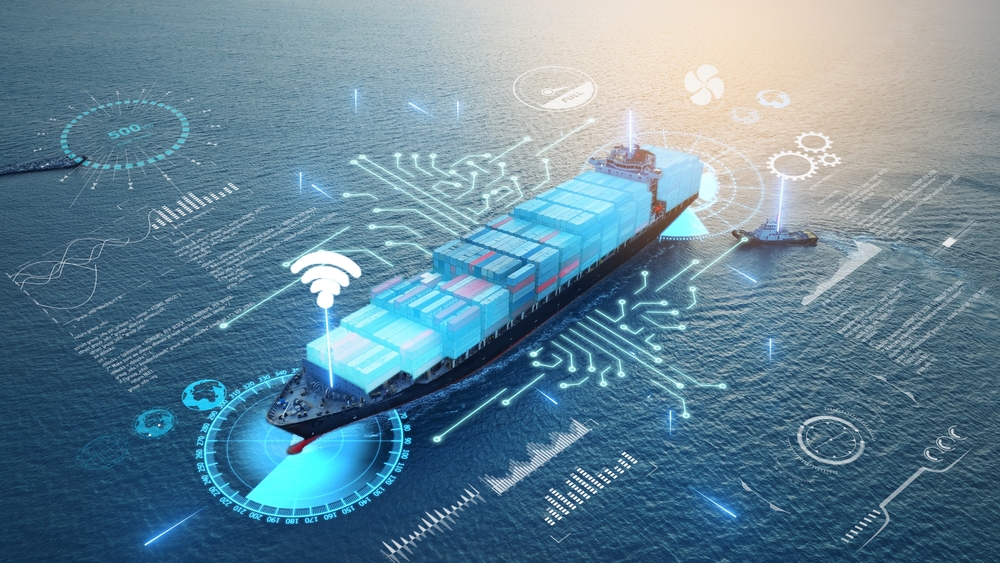
❖When importing from Vietnam, businesses primarily choose between ocean freight and air freight, with hybrid solutions also gaining traction. Each method offers distinct advantages and disadvantages concerning cost, transit time, and cargo type. Evaluating these options is fundamental for strategic import decisions.
Ocean freight remains the most cost-effective solution for large volumes and heavy goods. However, it typically involves longer transit times compared to air freight. Consider ocean freight for non-perishable items where speed is not the ultimate priority.
| Shipping Method | Cost Range (40HQ) | Transit Time | Best For | Limitations |
|---|---|---|---|---|
| Ocean Freight (FCL) | $4,500-7,000 | 25-40 days | Large volumes, non-urgent | Slow, port congestion, drayage needed |
| Air Freight | $15,000-30,000+ | 3-7 days | High-value, urgent, small parcels | Very expensive, limited capacity for heavy goods |
| Sea-Air (Hybrid) | $8,000-15,000 | 15-20 days | Time-sensitive, medium volume | More expensive than ocean, less flexible routes |
Which Option Should You Choose for Your Vietnam Shipments?
❖Selecting the optimal shipping method for your Vietnam imports depends heavily on your specific business priorities. A clear understanding of your budget, delivery speed requirements, and cargo characteristics will guide your decision-making process. This framework helps you make informed choices.
For instance, if budget is your primary concern, ocean freight offers the most economical solution for services moving goods from Vietnam. Conversely, if speed is paramount for high-value or time-sensitive products, air freight becomes the clear winner despite its higher cost. Consider these trade-offs carefully.
| Priority | Recommended Option | Key Considerations |
|---|---|---|
| Budget Priority | Ocean Freight (FCL/LCL) | Lowest cost per unit, longer transit time (25-40 days), drayage planning essential |
| Speed Priority | Air Freight | Fastest delivery (3-7 days), highest cost, ideal for urgent or high-value items |
| Balanced Cost/Speed | Sea-Air Hybrid | Faster than ocean, cheaper than air (15-20 days), good for mid-urgency |
| Cargo Type (Bulky/Heavy) | Ocean Freight (FCL) | Most suitable for large, heavy, non-perishable goods, maximum capacity |
| Cargo Type (Perishable/Fragile) | Air Freight | Best for temperature-controlled or delicate items, minimal handling time |

Real-World Success: Vietnam-US Drayage Case Studies
❖Examining real-world scenarios highlights the importance of strategic drayage and competent logistics partners. These examples demonstrate how effective planning for US drayage ocean-to-land transfer from Vietnam translates into tangible benefits. They showcase diverse challenges and successful resolutions.
Based on Q3 2024 market rates, these case studies illustrate typical freight rates and transit times. They also reveal the complexities involved in managing port-to-door delivery Vietnam. Understanding these insights can inform your own import strategies.
Case Study 1: Apparel Imports to US East Coast
This case involved a US retailer importing seasonal apparel from Ho Chi Minh City, Vietnam. The time-sensitive nature of fashion goods required careful coordination of ocean transit and inland trucking services US ports. Managing peak season demand was a key challenge.
| Field | Detail |
|---|---|
| Route | Ho Chi Minh, Vietnam Savannah, GA, USA |
| Cargo | Seasonal Apparel, 65 CBM, 15,000 kg |
| Container | 40HQ |
| Shipping Details: | |
| – Carrier/Service | Maersk |
| – Port of Loading | Cai Mep International Terminal (CMIT), Vung Tau |
| – Port of Discharge | Port of Savannah, GA |
| – Route Type | Direct |
| Cost Breakdown: | |
| – Ocean Freight | $5,200 |
| – Origin Charges (THC, documentation) | $450 |
| – Destination Charges (THC, chassis, drayage) | $1,100 |
| – Customs & Duties (estimated) | $800 |
| – Total Landed Cost | $7,550 |
| Timeline: | |
| – Booking to Loading | 7 days |
| – Sea Transit | 32 days |
| – Customs Clearance | 3 days |
| – Total Door-to-Door | 45 days |
| Key Insight | Pre-booking drayage and ensuring chassis availability at Savannah during peak season prevented delays. Proactive customs brokerage expedited clearance. |
Case Study 2: Furniture Components to US West Coast
A furniture manufacturer in North Carolina regularly imports components from Hai Phong, Vietnam. Their priority was consistent delivery schedules and cost-effective drayage Vietnam. Avoiding port congestion US was paramount for their production line.
| Field | Detail |
|---|---|
| Route | Hai Phong, Vietnam Los Angeles, CA, USA |
| Cargo | Wood Furniture Components, 50 CBM, 12,000 kg |
| Container | 40GP |
| Shipping Details: | |
| – Carrier/Service | MSC |
| – Port of Loading | Hai Phong Port |
| – Port of Discharge | Port of Los Angeles, CA |
| – Route Type | Transshipment via Busan, Korea |
| Cost Breakdown: | |
| – Ocean Freight | $3,600 |
| – Origin Charges (THC, documentation) | $400 |
| – Destination Charges (THC, chassis, drayage) | $950 |
| – Customs & Duties (estimated) | $600 |
| – Total Landed Cost | $5,550 |
| Timeline: | |
| – Booking to Loading | 5 days |
| – Sea Transit | 20 days |
| – Customs Clearance | 2 days |
| – Total Door-to-Door | 28 days |
| Key Insight | Utilizing a transshipment route offered better rates. Robust communication with the drayage provider ensured timely container pickup despite occasional port delays. |
Case Study 3: Electronics Components to Midwest via Intermodal
An electronics manufacturer in Chicago imported high-value components from Da Nang, Vietnam. Their goal was a balance of cost-effectiveness and reasonable transit time for their intermodal transport Vietnam to US. Minimizing handling and maximizing security was also a priority.
| Field | Detail |
|---|---|
| Route | Da Nang, Vietnam Chicago, IL, USA |
| Cargo | Electronic Components, 25 CBM, 6,000 kg |
| Container | LCL (15 CBM) |
| Shipping Details: | |
| – Carrier/Service | Yang Ming (via NVOCC) |
| – Port of Loading | Da Nang Port |
| – Port of Discharge | Long Beach, CA (then rail to Chicago) |
| – Route Type | Ocean to Rail Intermodal |
| Cost Breakdown: | |
| – Ocean Freight (LCL) | $1,800 |
| – Origin Charges (THC, documentation) | $300 |
| – Destination Charges (Drayage, Rail, Unloading) | $1,500 |
| – Customs & Duties (estimated) | $400 |
| – Total Landed Cost | $4,000 |
| Timeline: | |
| – Booking to Loading | 6 days |
| – Sea Transit | 22 days |
| – Rail Transit | 7 days |
| – Drayage/Delivery | 2 days |
| – Total Door-to-Door | 37 days |
| Key Insight | Utilizing LCL for smaller volume and then intermodal rail for long-haul inland trucking services US ports proved highly cost-effective compared to all-trucking. Careful coordination of rail schedules and local drayage was essential. |
Navigating Customs and Compliance for Vietnam Imports
❖Proper customs clearance is a non-negotiable aspect of any Vietnam to US import. Missteps here can lead to costly delays, fines, and even cargo seizure. Importers must adhere to all US Customs and Border Protection (CBP) regulations.
This includes accurate documentation, correct tariff classifications, and understanding duties and taxes. Engaging experienced customs brokerage services streamlines this complex process. Ensuring compliance regulations Vietnam imports is essential for a smooth supply chain.
Future Trends in US Drayage and Logistics
❖The drayage industry is continuously evolving, driven by technological advancements and changing market demands. Automation, real-time tracking Vietnam shipments, and predictive analytics are increasingly shaping future operations. These innovations promise greater efficiency and transparency.
Furthermore, sustainability initiatives are influencing equipment choices and operational practices. The focus on electric trucks and optimizing routes aims to reduce carbon footprints. Staying abreast of these logistics trends is crucial for long-term supply chain success.
Conclusion
Ultimately, successful importing from Vietnam to the US hinges on a well-executed drayage strategy. The intricate dance of ocean freight, port operations, and inland transportation demands precision and expertise. Overcoming challenges like port congestion and chassis availability requires proactive planning.
By understanding the critical components of US drayage ocean-to-land transfer from Vietnam, businesses can significantly enhance their supply chain efficiency. Partnering with a knowledgeable logistics provider ensures your goods move smoothly from port to final destination.
Ready to streamline your logistics?
Ready to optimize your US drayage ocean-to-land transfer from Vietnam? Partner with VeloTactics Logistics for expert guidance and seamless execution. Contact us today to discuss your specific import needs and receive a tailored quote for your cargo.
Request Quote