
US Drayage Service for Philippines Freight: Your Complete Guide
Navigating the complexities of international shipping, especially from the Philippines to the United States, requires expert handling of every logistics stage. One critical component often overlooked is drayage, the short-haul transport of goods from ports to their final destinations. VeloTactics Logistics understands these challenges and offers tailored solutions to streamline your supply chain. We aim to clarify the intricacies of US drayage service for Philippines freight, ensuring your cargo moves efficiently and cost-effectively.
What is US Drayage Service for Philippines Freight?
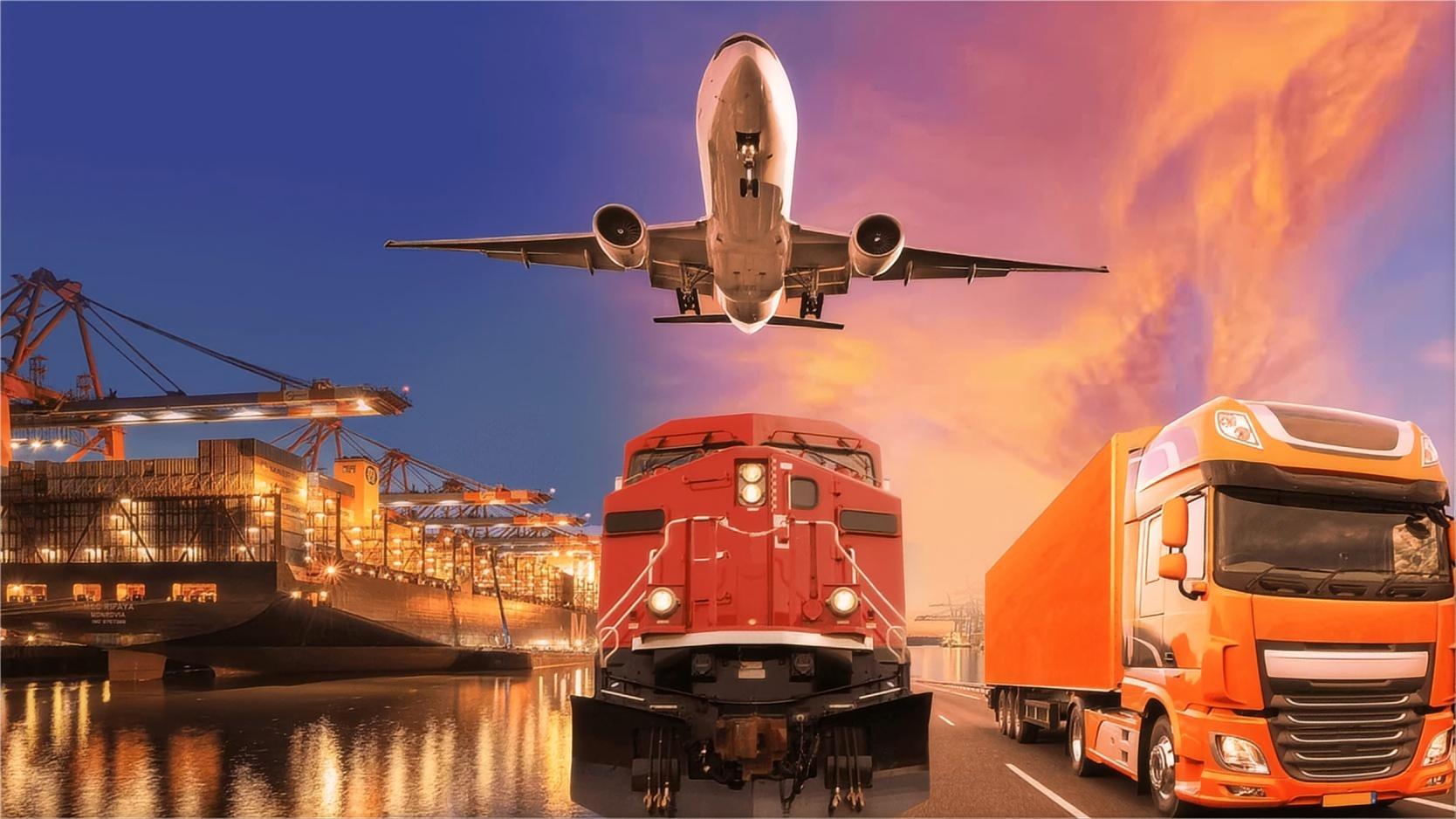
Drayage refers to the specialized transportation of cargo over short distances, typically from a port or rail terminal to a warehouse or distribution center. For freight originating in the Philippines and destined for the US, this service is crucial for the final leg of the journey.
Essentially, it bridges the gap between long-haul transportation and local delivery. This vital link ensures that containers, once offloaded from vessels, are promptly moved to prevent port congestion and minimize delays. It directly impacts the efficiency of your entire supply chain.
Understanding the nuances of US drayage service for Philippines freight is paramount for importers. It involves specific equipment, specialized drivers, and adherence to strict port regulations. Proper drayage management can significantly reduce overall shipping costs and transit times for goods arriving from the Philippines.
The Critical Role of Drayage in the Philippines-US Supply Chain
Drayage acts as the linchpin in the seamless flow of goods from the Philippines to American markets. Without efficient drayage, even the fastest ocean transit can be undermined by delays at the port of discharge. It directly impacts the speed of getting products to consumers.
Moreover, drayage ensures the efficient utilization of port resources. By quickly moving containers off the docks, it frees up valuable space for incoming vessels and prevents bottlenecks. This is especially important at busy US ports handling high volumes of international cargo.
Consequently, effective drayage management helps in avoiding costly demurrage and detention charges. These fees can accumulate rapidly if containers are not picked up or returned within specified free times. Therefore, proactive drayage planning is a key aspect of managing shipping costs.
Ultimately, a well-managed drayage operation contributes significantly to a robust and reliable supply chain. It provides the flexibility needed to handle diverse cargo types and delivery schedules, ensuring goods from the Philippines reach their final destination on time.
Key Factors Influencing US Drayage Costs for Philippines Imports
Several variables contribute to the final cost of US drayage service for Philippines freight. Understanding these factors allows businesses to better estimate their shipping costs and plan budgets effectively. Proactive planning can lead to significant savings.
Firstly, distance from the port of discharge to the final destination is a primary determinant. Longer hauls naturally incur higher fuel and labor costs. Fuel surcharges also fluctuate based on market prices, adding another layer of variability to freight rates.
Secondly, port fees and chassis availability play a significant role. Congestion at major US ports can lead to higher access fees and potential delays in securing a chassis, the specialized trailer used to transport containers. This can impact overall delivery schedule.
Additionally, demurrage and detention charges are critical considerations. These penalties arise when containers are not picked up from the port or returned to the terminal within the allotted free time. Efficient logistics partners, like those offering comprehensive logistics services, help mitigate these risks.
Finally, the type and weight of the cargo can influence costs. Specialized equipment might be required for oversized or overweight shipments, leading to additional expenses. Therefore, accurate cargo handling information is vital for precise quotes.
How Does Drayage Compare to Other Shipping Options for Philippines Freight?
While drayage is a specific component of the overall shipping process, it’s essential to understand how the primary shipping methods from the Philippines to the US impact the need for and cost of drayage. Different transport modes have distinct advantages and disadvantages.
Choosing the right primary shipping method directly affects the subsequent drayage requirements and overall supply chain efficiency. Companies must weigh factors like speed, cost, and cargo volume. Here is a comparison of viable alternatives for importing goods from the Philippines.
For instance, large volumes of goods almost always rely on ocean freight, which necessitates drayage at the destination port. Air freight, on the other hand, might use different local delivery methods from an airport, but often still involves a form of short-haul transport.
| Shipping Method | Cost Range (Philippines to US) | Transit Time (Philippines to US) | Best For | Limitations |
|---|---|---|---|---|
| Ocean Freight (FCL) | $2,500 – $6,000 (40′ HC) | 25 – 40 days | Large volumes, heavy goods, cost-effectiveness | Slower transit, port congestion risks, drayage required |
| Ocean Freight (LCL) | $80 – $150 per CBM | 30 – 45 days | Smaller shipments (under 15 CBM), cost-effective for lower volumes | Longer transit due to consolidation, potential for delays, drayage still needed |
| Air Freight | $4 – $8 per kg | 3 – 7 days | Urgent, high-value, perishable goods, smaller shipments | Very high cost, volume/weight restrictions, larger carbon footprint |
Navigating Customs and Compliance for US Drayage from the Philippines
Successful import from the Philippines to the US involves meticulous attention to customs and compliance regulations. Drayage, while a physical movement, is intrinsically linked to these legal frameworks. Accurate documentation is crucial for smooth transitions.
Before any container can leave the port via drayage, it must clear US Customs. This process requires submitting correct paperwork, including the commercial invoice, packing list, bill of lading, and any necessary permits or licenses. Incorrect documentation can cause significant delays and added costs.
Moreover, importers must be aware of duties and taxes applicable to their specific goods. These tariffs can vary widely based on the product type and country of origin. A knowledgeable customs brokerage service is invaluable in navigating these complexities.
Furthermore, compliance with various US government agencies, such as the FDA or USDA, is often necessary depending on the cargo. Ensuring all products meet safety and quality standards prevents costly detentions. This proactive approach supports efficient drayage operations.
In conclusion, a thorough understanding of import regulations and a robust compliance strategy are essential for avoiding unforeseen issues. Partnering with a logistics provider that offers comprehensive support, including ocean freight and customs clearance, simplifies the entire process from the Philippines.
Optimizing Your Drayage Operations: Strategies for Efficiency
Achieving optimal efficiency in your US drayage service for Philippines freight can significantly impact your bottom line. Implementing smart strategies can reduce transit times and minimize unexpected expenses. Strategic planning is key to success.
Firstly, communicate proactively with your logistics provider regarding shipment details and expected arrival times. Early notification allows for better planning of truck and chassis allocation, reducing wait times at the port. This foresight prevents costly delays.
Secondly, leverage technology for real-time tracking and visibility. Modern logistics platforms offer insights into cargo location and status, enabling quick adjustments to delivery schedules. This transparency is vital for managing complex supply chains.
Additionally, consolidate shipments whenever possible. Combining multiple smaller orders into a single full container load (FCL) can reduce per-unit drayage costs. This strategy is particularly effective for businesses with consistent import volumes from the Philippines.
Finally, choose a drayage partner with a strong network and reliable equipment. A reputable provider, offering dedicated drayage solutions, can ensure timely pickups and deliveries, even during peak seasons or periods of port congestion. Their expertise is invaluable for smooth operations.
Real-World Scenarios: US Drayage for Philippines Shipments
Examining real-world examples helps illustrate the practical application and challenges of US drayage service for Philippines freight. These case studies highlight various factors influencing cost, transit time, and overall logistics success. They offer valuable insights for importers.
Each scenario presents a unique set of circumstances, from cargo type to specific origin and destination. Understanding these differences can inform better decision-making for your own import operations. These examples are based on typical rates as of early 2025.
Case Study 1: Garment Import from Manila to Los Angeles
A fast-fashion retailer needed to import a large volume of apparel from Manila to their distribution center near Los Angeles. Speed was important, but cost-effectiveness was paramount for their high-volume, low-margin products.
| Detail | Description |
|---|---|
| Route | Manila, Philippines -> Los Angeles, USA |
| Cargo | Garments (textiles), 65 CBM, 9,500 kg |
| Container | 40HQ |
| Shipping Details | Carrier: Maersk, Port of Loading: Manila, Port of Discharge: Los Angeles (POLA), Route Type: Direct |
| Cost Breakdown | Ocean Freight: $3,200; Origin Charges: $450; Destination Charges (THC, drayage to DC): $900; Customs & Duties (estimated): $1,500; Total Landed Cost: $6,050 |
| Timeline | Booking to Loading: 5 days; Sea Transit: 20 days; Customs Clearance: 3 days; Total Door-to-Door: 28 days |
| Key Insight | Efficient drayage from POLA to the distribution center within 24 hours of release prevented demurrage. Pre-clearing customs was crucial. |
Case Study 2: Electronics Components from Cebu to Chicago
A manufacturer required a consistent supply of electronics components from Cebu, Philippines, to their factory in Chicago. They opted for an intermodal solution, combining ocean freight with rail drayage from the West Coast. This approach balanced cost and transit time.
| Detail | Description |
|---|---|
| Route | Cebu, Philippines -> Chicago, USA |
| Cargo | Electronics components, 28 CBM, 12,000 kg |
| Container | 20GP |
| Shipping Details | Carrier: Evergreen, Port of Loading: Cebu, Port of Discharge: Seattle (then rail to Chicago), Route Type: Transshipment via Busan, Korea |
| Cost Breakdown | Ocean Freight: $2,800; Origin Charges: $380; Destination Charges (Rail + Drayage): $2,100; Customs & Duties (estimated): $1,800; Total Landed Cost: $7,080 |
| Timeline | Booking to Loading: 7 days; Sea Transit: 28 days; Rail Transit: 7 days; Customs Clearance: 2 days; Total Door-to-Door: 44 days |
| Key Insight | Leveraging intermodal rail from Seattle significantly reduced inland transportation costs compared to all-truck drayage to Chicago. However, transshipment added a few days. |

Case Study 3: Furniture Export from Davao to New York
A furniture exporter from Davao needed to send a specialized, bulky shipment to a showroom in New York. The unique dimensions and fragility of the cargo necessitated careful handling and a reliable end-to-end solution. This required specialized warehousing and drayage.
| Detail | Description |
|---|---|
| Route | Davao, Philippines -> New York, USA |
| Cargo | Custom-made wooden furniture, 45 CBM, 8,000 kg |
| Container | 40HQ |
| Shipping Details | Carrier: COSCO, Port of Loading: Davao, Port of Discharge: New York (Port of NY/NJ), Route Type: Transshipment via Singapore |
| Cost Breakdown | Ocean Freight: $4,500; Origin Charges: $520; Destination Charges (THC, specialized drayage to showroom): $1,200; Customs & Duties (estimated): $2,000; Total Landed Cost: $8,220 |
| Timeline | Booking to Loading: 10 days; Sea Transit: 35 days; Customs Clearance: 4 days; Total Door-to-Door: 50 days |
| Key Insight | Specialized drayage equipment was needed due to the furniture’s dimensions. Longer transit via transshipment was accepted due to the origin port’s limitations and cost-effectiveness. |
Choosing the Right Partner for Your US Drayage Service for Philippines Freight Needs
Selecting an experienced and reliable logistics partner is paramount for successful US drayage service for Philippines freight. A good partner can navigate the complexities of international shipping, ensuring timely and cost-effective delivery. Their expertise directly impacts your operational efficiency.
Look for providers with a strong network in both the Philippines and the US, deep knowledge of customs regulations, and a proven track record in drayage operations. Transparency in pricing and communication is also crucial for building trust. This collaboration minimizes potential headaches.
A comprehensive logistics solution provider can offer integrated services, from initial freight forwarding to final drayage and even warehousing. This holistic approach simplifies your supply chain management significantly. It reduces the number of vendors you need to manage.
Which Option Should You Choose?
Deciding on the best shipping and drayage strategy depends on your specific business priorities. There is no one-size-fits-all solution, as each situation presents unique requirements. Consider these factors carefully.
If **budget is your top priority** for large volumes, ocean freight (FCL) combined with standard drayage is often the most economical choice. For smaller, less urgent shipments, LCL can be more cost-effective. These options offer significant savings.
When **speed is critical**, air freight is the undisputed champion, though at a higher cost. Drayage from the airport to your facility will still be necessary, but typically faster due to smaller cargo sizes. This ensures rapid market entry.
**Cargo type** also dictates the best approach. Fragile, oversized, or hazardous materials may require specialized handling and equipment, influencing both the primary shipping method and the drayage service. Always ensure proper handling protocols are in place.
Finally, **volume thresholds** play a role. If your shipment is less than 15 CBM, LCL might be cheaper. However, as volume increases, FCL becomes more economical, offering better per-unit costs. Always compare full landed costs.
Future Trends in Drayage and Philippines-US Trade
The landscape of US drayage service for Philippines freight is continually evolving, driven by technological advancements and changing global trade dynamics. Staying abreast of these trends is crucial for maintaining a competitive edge and optimizing supply chain resilience.
Digitalization is a major trend, with increasing adoption of real-time tracking, AI-powered route optimization, and automated booking platforms. These innovations enhance efficiency, reduce manual errors, and provide greater visibility across the entire logistics chain. This improves delivery schedule accuracy.
Sustainability is another growing focus. Shippers and logistics providers are increasingly seeking greener drayage solutions, including electric trucks and optimized routes to reduce fuel consumption and emissions. This reflects a broader industry commitment to environmental responsibility.
Furthermore, infrastructure developments at US ports and inland rail hubs will continue to shape drayage operations. Investments in port expansion and intermodal facilities aim to alleviate congestion and improve cargo flow. These improvements directly benefit importers from the Philippines.
In summary, the future of drayage for Philippines-US trade promises greater efficiency, transparency, and environmental consciousness. Adapting to these changes will be key for businesses aiming to optimize their import operations and manage shipping costs effectively.
Conclusion
In conclusion, effective US drayage service for Philippines freight is an indispensable component of successful international trade. It bridges the critical gap between long-haul transportation and final delivery, significantly impacting overall efficiency and cost.
Understanding the various factors influencing drayage costs, navigating complex customs regulations, and choosing the right logistics partner are all vital steps. Proactive planning and leveraging technology can further optimize your operations. Consider VeloTactics Logistics for your needs.
By meticulously managing each stage of your supply chain, from origin in the Philippines to the final US destination, businesses can ensure timely deliveries and control shipping costs. A well-executed drayage strategy is a cornerstone of a resilient and profitable import business.
Need a tailored shipping solution?
Ready to streamline your US drayage service for Philippines freight? Contact us today for a personalized consultation and competitive quote. Our experts are prepared to optimize your supply chain and ensure your cargo reaches its destination efficiently. Visit our website to learn more about our comprehensive logistics solutions.