
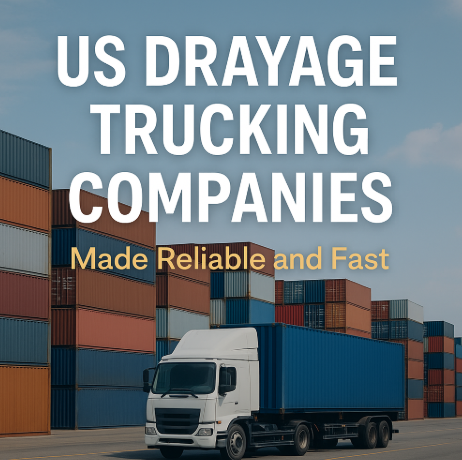
In the world of freight transportation, the most critical yet often overlooked segment is drayage — the short-haul movement of containers between ports, rail terminals, and distribution centers. US drayage trucking companies play a vital role in connecting global trade flows with domestic logistics networks. Without them, containers would remain stuck at ports, causing costly delays and storage fees.
As import and export volumes surge, businesses depend on efficient drayage services to maintain supply chain stability. That’s why logistics providers like Velotac focus on enhancing reliability, visibility, and speed in drayage operations — ensuring every shipment moves seamlessly from port to warehouse.

What Is Drayage in the US Logistics System?
Drayage refers to the short-distance transportation of freight, typically containers, between intermodal facilities such as ports, rail ramps, and warehouses. It forms the first or last leg of a global shipment, bridging maritime and inland logistics.
In the United States, drayage is essential to the functioning of every major port — from Los Angeles and Long Beach to Savannah and New York/New Jersey. The service ensures containers are picked up promptly, cleared through customs, and delivered to their next destination on time.
Why US Drayage Trucking Companies Matter More Than Ever
As e-commerce, manufacturing, and imports expand, the need for fast port clearance grows. Drayage providers help importers avoid congestion and demurrage charges, keeping cargo flowing efficiently.
Additionally, with the rise of intermodal shipping, coordination between rail, sea, and truck transport has become complex. Reliable drayage companies simplify this process by offering end-to-end visibility, GPS tracking, and automated scheduling.
Therefore, efficient drayage doesn’t just move freight — it keeps America’s supply chain alive.
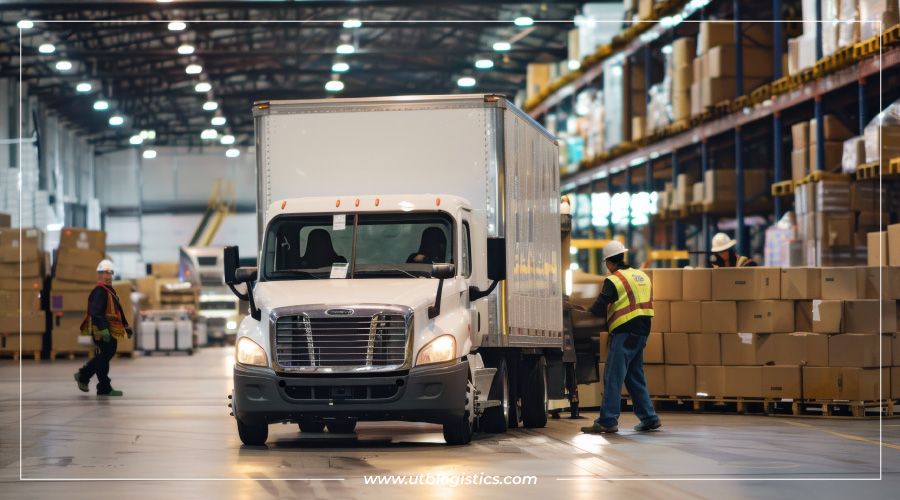
Core Services Offered by US Drayage Trucking Companies
Drayage providers offer a wide range of services beyond simple container hauling. The most common include:
| Service Type | Description | Typical Use Case |
|---|---|---|
| Port Drayage | Moves containers from port terminals to warehouses | Imports & exports |
| Rail Drayage | Transfers cargo between rail ramps and storage yards | Intermodal shipments |
| Container Storage | Temporary holding yards for loaded or empty containers | Overflow or delayed pickups |
| Transloading | Repacking goods from containers to trucks for inland transport | Cross-country distribution |
| Drayage Brokerage | Coordination between shippers and drayage carriers | Large-scale freight networks |
These services form the link between international freight movement and domestic delivery.
Challenges Faced by Drayage Trucking Companies in the US
Despite its importance, drayage logistics faces several challenges that require precision and technology to overcome:
- Port Congestion: Delays caused by terminal bottlenecks and high container volumes.
- Driver Shortages: Fewer qualified drivers available for time-sensitive short hauls.
- Regulatory Compliance: Complex environmental and safety regulations at US ports.
- Equipment Shortages: Limited chassis availability during peak seasons.
- Lack of Visibility: Difficulty tracking containers in real time without digital systems.
However, with modern dispatch tools and data-driven planning, these issues are being reduced significantly. Velotac’s digital dispatch solutions help carriers coordinate port appointments, track shipments, and optimize delivery schedules seamlessly.
How Velotac Improves Drayage Efficiency
Velotac provides advanced dispatch and workflow automation systems tailored for drayage operators. Its platform enables trucking companies and logistics coordinators to:
- Monitor live container status via GPS and API integration
- Automate pickup and delivery scheduling
- Manage port terminal data and driver assignments digitally
- Optimize routes for time and fuel efficiency
- Reduce idle times with automated alerts and ETAs
By combining automation with real-time communication, Velotac empowers dispatchers to manage multiple ports and clients simultaneously without compromising accuracy.
Comparison: Traditional vs. Modern Drayage Operations
| Feature | Traditional Drayage | Modern Drayage (Velotac-Enabled) |
|---|---|---|
| Scheduling | Manual via phone or email | Automated with digital dashboards |
| Tracking | Limited or delayed | Real-time GPS visibility |
| Documentation | Paper-based | Electronic data exchange (EDI) |
| Coordination | Fragmented between carriers | Integrated platform communication |
| Efficiency | 60–70% | 90%+ on-time performance |
Modern systems not only improve accuracy but also strengthen relationships between shippers, carriers, and terminal operators.
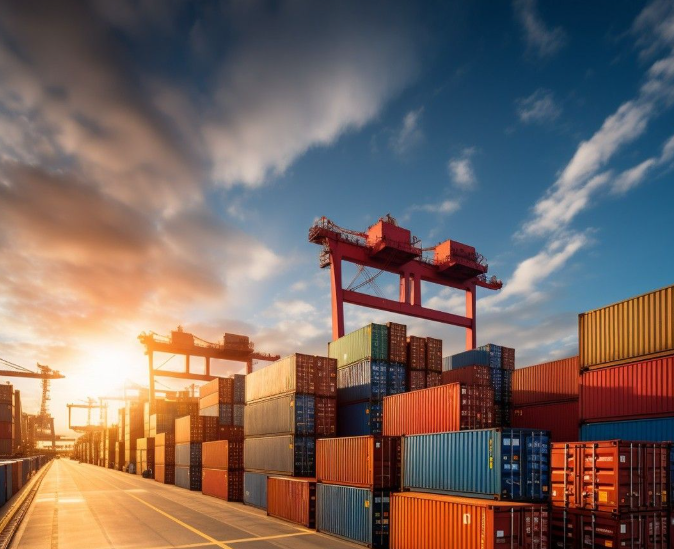
What Makes a Reliable Drayage Company?
To choose the right drayage trucking partner, companies should evaluate these key criteria:
- Proximity to Ports: Strategic yard locations reduce travel time and waiting fees.
- Technology Integration: Use of dispatch platforms like Velotac ensures visibility and automation.
- Fleet Quality: A well-maintained fleet with chassis and reefer options enhances flexibility.
- Compliance & Safety: Adherence to FMCSA and environmental regulations ensures reliability.
- Customer Support: 24/7 communication channels for tracking and issue resolution.
Reliable providers invest not just in trucks, but in technology and transparency — the true differentiators in today’s logistics market.
Average Cost and Transit Time for US Drayage Services
| Route Type | Average Distance | Typical Rate (Per Container) | Estimated Transit Time |
|---|---|---|---|
| Port to Warehouse | 25–50 miles | $200–$450 | 1–2 hours |
| Port to Rail Ramp | 50–100 miles | $350–$600 | 2–4 hours |
| Intermodal Yard to Distribution Center | 100–150 miles | $500–$800 | 3–6 hours |
Rates vary depending on container size, region, and fuel costs. Companies using integrated software like Velotac’s dispatch planner can often reduce overhead by minimizing empty returns and idle time.
Technology Trends Transforming Drayage Logistics
The drayage sector is rapidly digitizing. Several technologies are now redefining short-haul efficiency in the US:
- Automated Gate Entry: Reduces terminal queue times with pre-clearance systems.
- Electronic Logging Devices (ELDs): Enhance compliance and driver accountability.
- Predictive Analytics: Uses data to forecast port delays and demand surges.
- AI-Based Routing: Suggests optimal driver assignments and delivery sequences.
- Real-Time Freight Visibility: Platforms like Velotac integrate GPS, TMS, and API data for transparency.
These advancements allow drayage companies to deliver faster, cheaper, and more sustainably.
Environmental Sustainability in Drayage Trucking
As US ports tighten emission standards, drayage trucking is shifting toward greener alternatives. Electric trucks, LNG-powered fleets, and eco-driving technologies are becoming common investments.
Velotac supports this shift by enabling smart routing and idle-reduction algorithms, helping carriers lower fuel usage and emissions without sacrificing service quality.
The Future of US Drayage Trucking Companies
The future of drayage lies in integration — where ports, carriers, and warehouses share real-time data through digital ecosystems. Automation will continue to replace manual coordination, making every leg of the short-haul process measurable and efficient.
Companies like Velotac are already shaping this transformation with cloud-based dispatch solutions that allow small and large fleets to compete effectively in a data-driven logistics world.
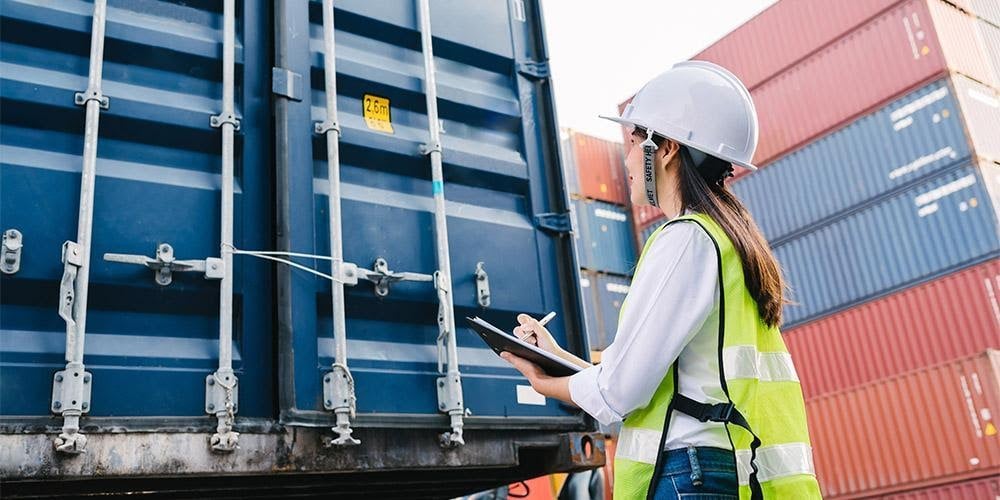
Conclusion
US drayage trucking companies are the backbone of port logistics, ensuring containers move swiftly between global and domestic networks. Their efficiency directly impacts supply chain performance, cost control, and customer satisfaction.
With innovations from Velotac, carriers can embrace automation, improve communication, and maintain operational excellence — making drayage not just reliable but also smarter and more sustainable for the future.
Need a quote?
Ready to get started? Contact us now to request a free shipping quote.
Frequently Asked Questions (FAQ)
It handles short-haul transport of containers between ports, rail ramps, and warehouses, forming a key link in supply chains.
Drayage focuses on short distances within intermodal logistics, while regular trucking covers long-haul or regional routes.
Costs typically range between $200–$800 per container, depending on distance, port fees, and container size.
Using digital scheduling tools like Velotac allows carriers to pre-book appointments and minimize terminal waiting times.
Yes, they must comply with FMCSA safety rules and EPA emission standards, especially in major ports.