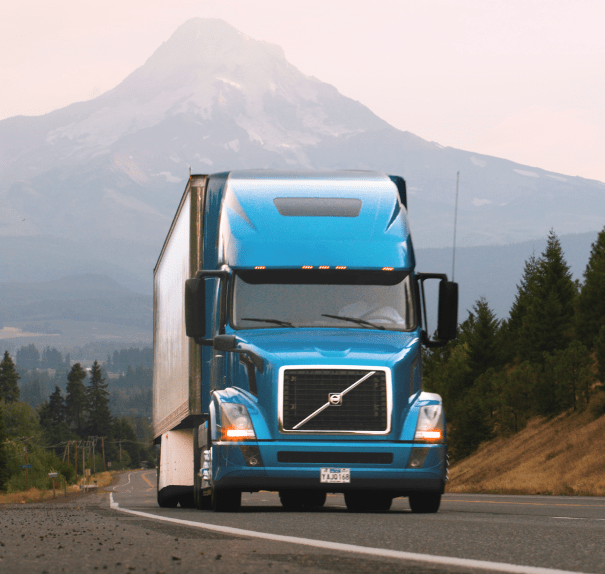
For logistics operators and importers,US drayage trucking compliance is more than just paperwork—it’s a core part of keeping goods moving efficiently. Non-compliance with federal, state, or port regulations can cause severe penalties, shipment delays, and even loss of operating rights. Understanding compliance requirements helps carriers and shippers minimize risks while maintaining cost-effective, reliable transport operations.
What Is US Drayage Trucking Compliance?
US drayage trucking compliance refers to the legal, environmental, and operational standards that govern short-haul container transport in the United States. These rules apply mainly to trucks moving containers between ports, rail terminals, and nearby warehouses.
Key components include:
FMCSA regulations (driver safety, Hours of Service, insurance).
EPA emission standards (engine age and fuel type).
Port authority policies (Clean Truck Programs).
OSHA requirements (workplace and yard safety).
Compliance ensures each drayage truck operates safely, sustainably, and legally within federal and state jurisdictions.
Why Drayage Compliance Matters for Businesses
Ignoring compliance can have direct financial and operational consequences.
Impacts of non-compliance include:
Fines and penalties from the FMCSA or port authorities.
Cargo holds or detention at ports due to missing documentation.
Increased insurance premiums for carriers with safety violations.
Loss of customer trust due to delayed or canceled shipments.
Therefore, compliance not only avoids penalties but also builds long-term reliability and reputation within the supply chain.
Key Federal Regulations Affecting Drayage Trucking
All US drayage carriers must comply with Federal Motor Carrier Safety Administration (FMCSA) and Environmental Protection Agency (EPA) guidelines.
Adhering to these regulations minimizes downtime and keeps trucks legally operational at all US ports.
Port-Level Drayage Compliance Requirements
Each major US port has its own compliance framework tailored to environmental and safety standards.
Understanding port-specific compliance saves carriers from gate entry refusals and costly re-inspections.
How to Maintain Drayage Fleet Compliance
Ensuring compliance is an ongoing process involving regular checks and recordkeeping.
Key steps include:
Maintain documentation: FMCSA registration, insurance, and inspection reports.
Install ELDs: Automate driving-hour logs to meet federal mandates.
Monitor emissions: Replace or retrofit old trucks with EPA-compliant engines.
Driver training: Keep drivers updated on safety and environmental rules.
Audit periodically: Conduct quarterly compliance checks to avoid fines.
Digital compliance platforms can simplify this by integrating vehicle data, driver records, and inspection schedules.
Common Compliance Challenges for Drayage Operators
Despite its importance, drayage compliance remains challenging due to high regulatory variation.
Main pain points include:
Cost of engine upgrades for Clean Truck Programs.
Port-specific rule differences across coastal states.
Complex driver certification processes.
Administrative burden of maintaining inspection logs and ELD data.
However, outsourcing compliance management or partnering with third-party logistics (3PL) providers can help minimize these issues.
Environmental Compliance: Clean Truck Initiatives
Sustainability has become a major driver of US drayage trucking compliance. Many ports now require zero- or near-zero-emission trucks for entry.
Common programs include:
Port of LA Clean Truck Fund: Offers incentives for electric or LNG-powered trucks.
EPA SmartWay Partnership: Recognizes carriers that reduce emissions and fuel use.
California Air Resources Board (CARB) mandates: Restricts diesel use for older fleets.
Adopting green drayage solutions reduces emissions, fuel costs, and compliance risks.
Safety Compliance in Drayage Operations
Driver and vehicle safety are critical elements of compliance.
Requirements include:
Pre-trip and post-trip inspections.
Proper load securing per DOT regulations.
Drug and alcohol testing compliance.
Adherence to Hours of Service rules.
Consistent safety checks reduce accident risks and maintain insurance eligibility.
Technology’s Role in Drayage Compliance
Technology simplifies compliance tracking and ensures real-time visibility across operations.
Top tech solutions include:
TMS (Transportation Management Systems): Store compliance documents and automate reports.
Telematics and GPS: Monitor driver behavior and route efficiency.
Digital inspection apps: Upload maintenance logs instantly.
AI analytics: Predict compliance gaps before violations occur.
These innovations help carriers stay compliant while improving productivity.
Case Study: Compliance Success in Port of Long Beach
A California-based logistics carrier upgraded its 50-truck fleet to meet 2010 EPA standards under the Clean Truck Program.
Results:
Avoided $500,000 in potential fines.
Secured new contracts with eco-conscious importers.
Reduced fuel costs by 12%.
Improved fleet uptime through proactive monitoring.
This shows how compliance investments directly boost both efficiency and profitability.
Conclusion
Meeting US drayage trucking compliance standards is not just a legal obligation—it’s a strategic advantage. From emission control to safety audits, compliance builds trust with customers and keeps your fleet operational across all major US ports. Carriers that proactively manage compliance enjoy fewer fines, faster deliveries, and stronger client relationships.
📦Get a Free Quote
Our logistics experts specialize in port drayage, regulatory consulting, and compliance management systems. Let us help you maintain seamless and legal operations nationwide.