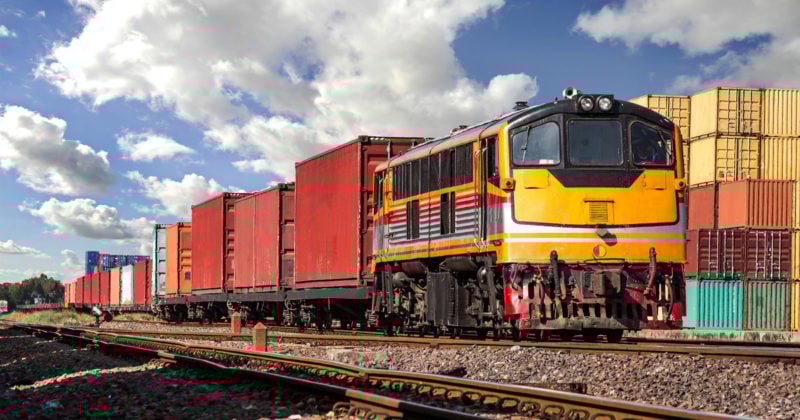
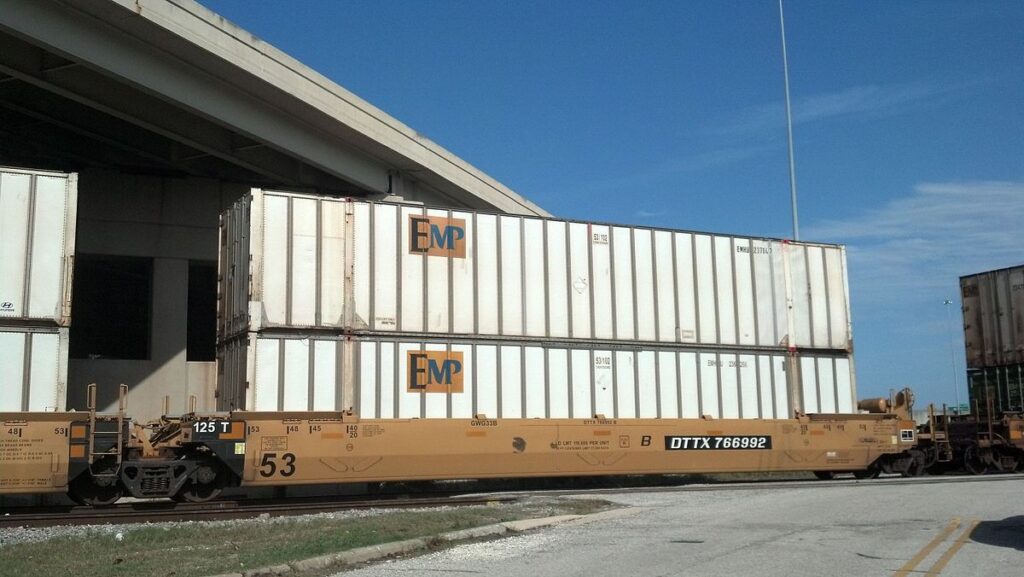
Drayage is the backbone of the U.S. supply chain, connecting ports, rail terminals, and distribution centers. Choosing the right US drayage trucking equipmentcan greatly impact delivery speed, cargo safety, and overall costs. This guide explains how drayage equipment works, what options are available, and how logistics teams can optimize their fleet for better returns.
What Is US Drayage Trucking Equipment and Why Does It Matter?
Drayage trucking equipment refers to the specialized vehicles and chassis used to transport containers between ports, warehouses, or intermodal yards. These short-distance hauls bridge critical gaps in the import/export process. Without well-maintained equipment, delays, penalties, and congestion costs increase dramatically.
How Many Types of Drayage Trucking Equipment Are Used in the US?
The U.S. logistics industry uses various equipment types designed for containerized and bulk freight.
Equipment Type
Description
Ideal Use Case
Average Payload (lbs)
Standard Chassis
Basic steel frame for ISO containers
General drayage
67,200
Tri-Axle Chassis
Three-axle frame for heavy loads
20ft containers over 40,000 lbs
75,000
Gooseneck Chassis
Lower deck for tall cargo
40ft high-cube containers
68,000
Flatbed Trailer
Open bed for oversized cargo
Machinery or non-containerized freight
48,000
Tank Chassis
Equipped with tank mounts
Liquid or chemical transport
How Does Drayage Equipment Impact Port Operations and Costs?
Efficient drayage equipment reduces demurrage charges and port dwell time. For instance, operators using modern chassis fleets with GPS tracking report a 20–30% reduction in idle time. Moreover, electric or hybrid drayage trucks can lower fuel costs by up to 40% over five years, depending on mileage and region.
What Are the Key Components of a Drayage Truck?
A drayage truck is more than a cab and trailer—it’s a system designed for quick container interchange.
Component
Function
Optimization Tip
Fifth Wheel
Connects trailer to truck
Lubricate regularly to avoid lock issues
Air Suspension
Balances heavy cargo
Inspect pressure levels daily
Twist Locks
Secure containers
Replace corroded locks every 6 months
Telematics
Real-time tracking
Use for route optimization and compliance
Diesel Particulate Filter (DPF)
Reduces emissions
Clean per manufacturer interv
Which Drayage Equipment Is Best for Intermodal Freight?
For intermodal logistics, the tri-axle chassis and gooseneck chassis are most popular. They handle heavier weights and ensure compliance with weight restrictions on U.S. highways. Intermodal operators also favor modular chassis for their flexibility in handling 20ft, 40ft, and 45ft containers with one frame system.
How Can Fleet Owners Lower Costs on US Drayage Trucking Equipment?
Fleet managers can reduce expenses by leasing equipment, buying used chassis in certified condition, or participating in chassis pools.
Cost Optimization Table
Strategy
Savings Estimate
Notes
Join chassis pool
15–25%
Share fleet costs with other carriers
Buy refurbished chassis
10–20%
Check FMCSA compliance before purchase
Switch to LNG/CNG trucks
30%
Lower long-term fuel and maintenance costs
Telematics integration
12–18%
Cut unnecessary mileage and idle time
How Is Technology Transforming Drayage Trucking Equipment?
Modern drayage fleets increasingly rely on telematics, ELD systems, and automated dispatch software. Moreover, electric trucks and smart chassis are becoming industry standards at major ports like Los Angeles, Long Beach, and Houston. These advancements improve load visibility and carbon compliance.
Can Sustainable Drayage Equipment Improve ROI?
Yes. Green drayage investments can yield long-term gains through lower fuel costs, tax credits, and enhanced brand reputation. California’s Clean Truck Program, for instance, provides rebates of up to $100,000 per zero-emission truck. Sustainability also improves contract eligibility with eco-conscious importers.
What Are Common Drayage Equipment Maintenance Challenges?
Common issues include brake wear, suspension leaks, twist lock failures, and corrosion. Preventive maintenance should follow a 90-day inspection schedule. For refrigerated or hazmat drayage, stricter checks are required due to temperature or safety compliance.
How to Choose the Right Drayage Partner or Equipment Vendor
When sourcing equipment, always check:
FMCSA compliance and inspection records
Fleet age (under 8 years is ideal)
Available GPS or ELD systems
24/7 roadside support coverage
OEM part compatibility
Working with trusted providers ensures uptime and legal compliance while reducing risk exposure.
Conclusion
Reliable US drayage trucking equipment is the foundation of smooth and cost-efficient port logistics. Selecting the right chassis, maintaining it regularly, and integrating modern technologies can significantly enhance container turnaround and reduce expenses. As sustainability and automation reshape the drayage landscape, companies that adapt early will secure a stronger position in the competitive U.S. logistics market.