In logistics, understanding the US drayage vs line haul differenceis crucial for optimizing freight movement, cost control, and delivery efficiency. Both services are essential parts of the supply chain, yet they serve different functions and operate on different scales. Knowing when and how to use each can help importers, exporters, and manufacturers improve their transport strategies while cutting unnecessary expenses.
What Is Drayage in Freight Transportation?
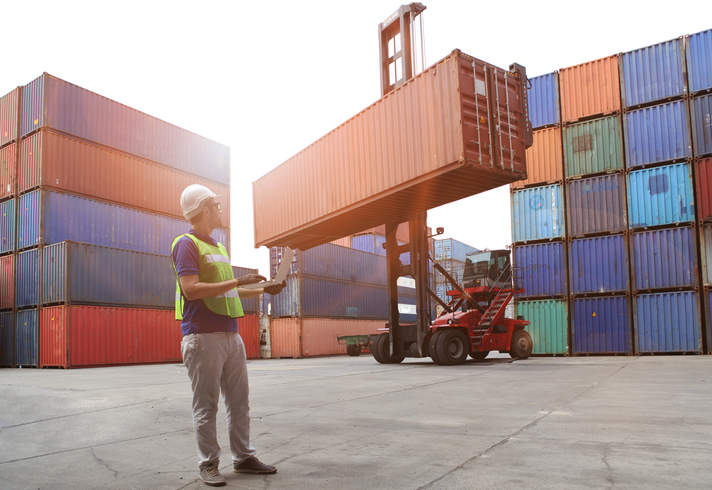
Drayage refers to the short-distance transport of shipping containers, typically between a seaport, rail terminal, or warehouse within the same metro region. Though distances are short, drayage forms a vital link between long-haul transport and final delivery.
Core drayage tasks include:
Picking up loaded containers from marine terminals.
Delivering them to local warehouses or distribution hubs.
Returning empty containers to ports for reuse.
Managing chassis allocation, port scheduling, and customs paperwork.
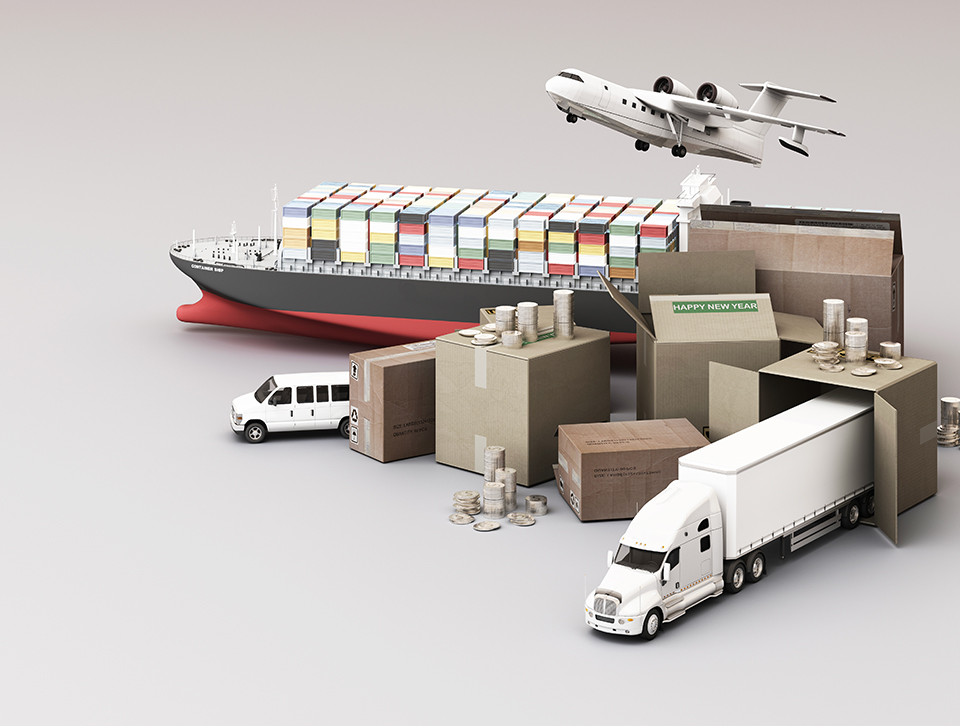
Drayage ensures smooth transitions between different logistics modes—bridging ocean freight, rail, and road transport efficiently.
What Is Line Haul Transport?
Line haul refers to long-distance transportation of goods across regions or states, typically between cities or major distribution centers. It connects logistics nodes such as ports, airports, and inland terminals.
Line haul characteristics:
Covers distances above 250 miles.
Uses full truckload (FTL) or less-than-truckload (LTL) methods.
Focuses on speed, reliability, and cost-per-mile efficiency.
Usually follows fixed schedules and predictable transit times.
In short, drayage handles the first and last mile, while line haul covers the middle mile of a shipment’s journey.
Key Differences Between Drayage and Line Haul
The following table highlights the US drayage vs line haul difference in operational scope, cost, and transit behavior.
Understanding these distinctions ensures your logistics budget and strategy match the actual transport requirements.
How Drayage and Line Haul Work Together in Supply Chains
Both services are sequential steps in container logistics. Typically:
Drayage moves a container from port to warehouse.
Line haul then transports the goods across regions.
Finally, another drayage leg handles the local delivery.
For example, a shipment arriving in Los Angeles from China might use:
Drayage from Port of LA → Inland warehouse (Ontario, CA)
Line haul from Ontario → Dallas
Drayage from Dallas terminal → Final consignee
This coordination ensures that every step of cargo transfer remains seamless and timely.
When to Use Drayage vs Line Haul Services
Choosing the right transport mode depends on your shipment’s stage, urgency, and destination.
Use drayage when:
Containers need movement from ports or intermodal yards.
You require customs clearance or terminal coordination.
Deliveries are within the same metro or state area.
Use line haul when:
Goods travel long distances between cities or regions.
You need high-volume FTL or multi-state distribution.
Time and cost efficiency outweigh short local runs.
Combining both services ensures a complete “port-to-door” logistics solution.
How Technology Enhances Both Drayage and Line Haul
Digitalization has transformed how freight companies coordinate these services.
Modern tools include:
AI dispatching: Predicts optimal routes and driver assignments.
GPS integration: Tracks both short and long-haul delivery progress.
EDI and TMS systems: Facilitate transparent data exchange between ports and carriers.
Predictive analytics: Identifies delays and suggests alternative lanes.
Through technology, drayage and line haul processes are now more synchronized, reducing costs and improving delivery visibility.
Example: Combined Drayage + Line Haul Operation
A Midwest importer used combined drayage and line haul solutions to streamline operations.
Scenario:
Cargo arrived at the Port of Houston.
Local drayage moved containers to a Dallas consolidation center.
Line haul transported consolidated freight to Chicago.
Final drayage delivered goods to multiple retailers.
Results:
Transit time reduced by 22%.
Cost per container lowered by $260.
On-time delivery rate improved to 98.5%.
Environmental Impact Comparison
Sustainability is now a major factor in logistics planning.
Both sectors are shifting toward low-emission equipment, but electric drayage trucks are leading due to shorter operational cycles.
Conclusion
The US drayage vs line haul difference lies in their purpose, distance, and cost structure. Drayage focuses on short-distance, high-frequency moves essential for port logistics, while line haul manages long-distance, intercity freight transfer. Together, they form the foundation of efficient multimodal supply chains.
📦Get a Free Quote
We offer integrated drayage and line haul solutions that reduce transit time, cut costs, and ensure visibility across every shipment. Get expert logistics coordination tailored to your cargo flow.