
US Export Agriculture Goods to Indonesia: Your Comprehensive Guide
The demand for high-quality US agriculture goods in Indonesia continues to grow, presenting significant opportunities for exporters. Navigating the complexities of international trade, however, requires a strategic approach to logistics and compliance. This guide will help you understand the essential steps and considerations for a successful US export agriculture goods to Indonesia journey, ensuring your products reach their market efficiently with VeloTactics Logistics.

Why Export US Agriculture Goods to Indonesia?
Indonesia, with its large and growing population, represents a robust market for US agricultural products. Consumer preferences are shifting towards diverse, high-quality food items, creating significant market demand. This makes it an attractive destination for various US agricultural exports, including grains, fruits, dairy, and meat.
Furthermore, trade relations between the US and Indonesia are generally strong, supported by various agreements aimed at facilitating commerce. Understanding these market dynamics is crucial for any exporter looking to expand their reach.
Understanding Key Regulations and Documentation for US Agriculture Exports
Exporting agricultural goods to Indonesia involves navigating specific regulations and documentation requirements. Compliance with both US export laws and Indonesian import regulations is paramount for smooth transactions. Failing to meet these standards can lead to significant delays and penalties.
Crucially, phytosanitary certificates are often required for plant-based products, ensuring they are free from pests and diseases. Similarly, health certificates are essential for animal products, verifying their safety and origin. Furthermore, accurate labeling and ingredient declarations are vital for customs clearance in Indonesia, aligning with their food safety standards.
Essential Documentation Checklist
Preparing all necessary documents meticulously is a cornerstone of successful agricultural exports. Moreover, errors in paperwork are a common cause of delays at the port of entry. Therefore, a comprehensive checklist can streamline this critical process.
| Document Type | Purpose | Issuing Authority |
|---|---|---|
| Commercial Invoice | Proof of sale, value, terms | Exporter |
| Packing List | Details of cargo contents | Exporter |
| Bill of Lading (B/L) | Contract of carriage, title to goods | Carrier/Freight Forwarder |
| Certificate of Origin | Confirms country of production | Chamber of Commerce/Relevant Authority |
| Phytosanitary Certificate | Ensures plant health (for plants/produce) | USDA/APHIS |
| Health Certificate | Ensures animal product safety (for meat/dairy) | USDA/FSIS |
| Import Permit | Required for specific goods in Indonesia | Indonesian Ministry of Trade/Agriculture |
Choosing the Right Shipping Method: Sea Freight vs. Air Freight
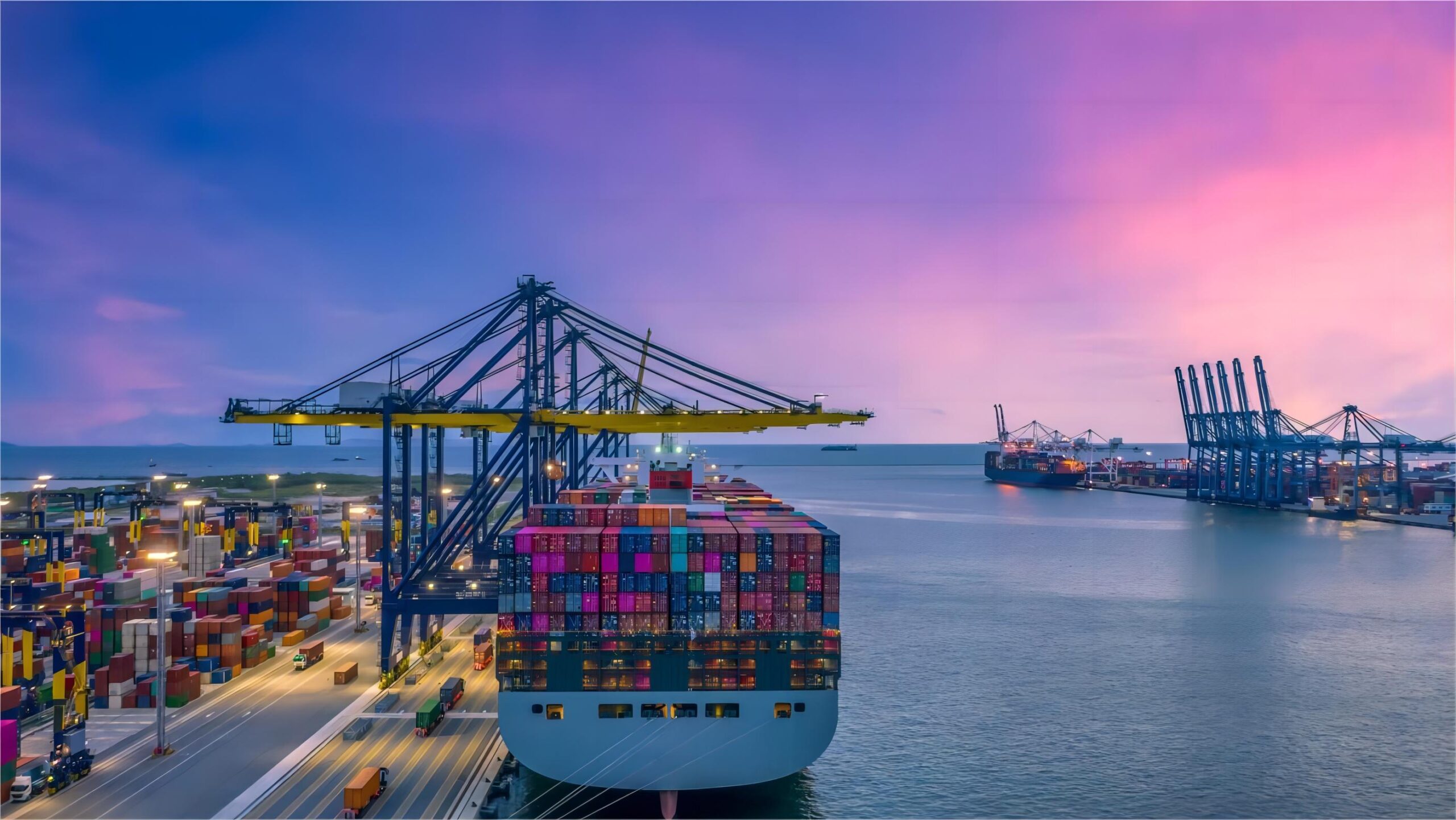
Selecting the optimal shipping method is a critical decision impacting both cost and transit time for your US export agriculture goods to Indonesia. Each option presents distinct advantages and disadvantages. Evaluating your cargo type, urgency, and budget will guide this choice.
Generally, sea freight is the most economical option for large volumes and non-perishable goods. In contrast, air freight offers speed and is ideal for highly perishable items or urgent deliveries. Understanding the nuances of each method is key to optimizing your supply chain.
How Does Sea Freight Compare to Air Freight for Agricultural Goods?
For many US agricultural exporters, sea freight solutions remain cost-effective for large volumes. However, air freight options provide unparalleled speed, crucial for maintaining freshness and meeting tight delivery schedules. Consequently, the best choice depends on the specific product and market demands. Sea freight suits bulk commodities like soybeans; air freight is ideal for high-value, perishable items such as fresh berries.
| Shipping Method | Cost Range (per kg/CBM) | Transit Time (US West Coast to Jakarta) | Best For | Limitations |
|---|---|---|---|---|
| Sea Freight (FCL) | $50-80/CBM | 30-45 days | Bulk, non-perishable, frozen goods | Slow, requires larger volumes |
| Sea Freight (LCL) | $80-150/CBM | 35-50 days | Smaller, non-urgent shipments | Slower, risk of delays, higher per CBM cost than FCL |
| Air Freight (Standard) | $3.00-6.00/kg | 5-10 days | Perishables, high-value, urgent cargo | High cost, volume/weight restrictions |
| Air Freight (Express) | $6.00-12.00/kg | 2-5 days | Extremely urgent, critical shipments | Very high cost, strict weight limits |
Which Option Should You Choose?
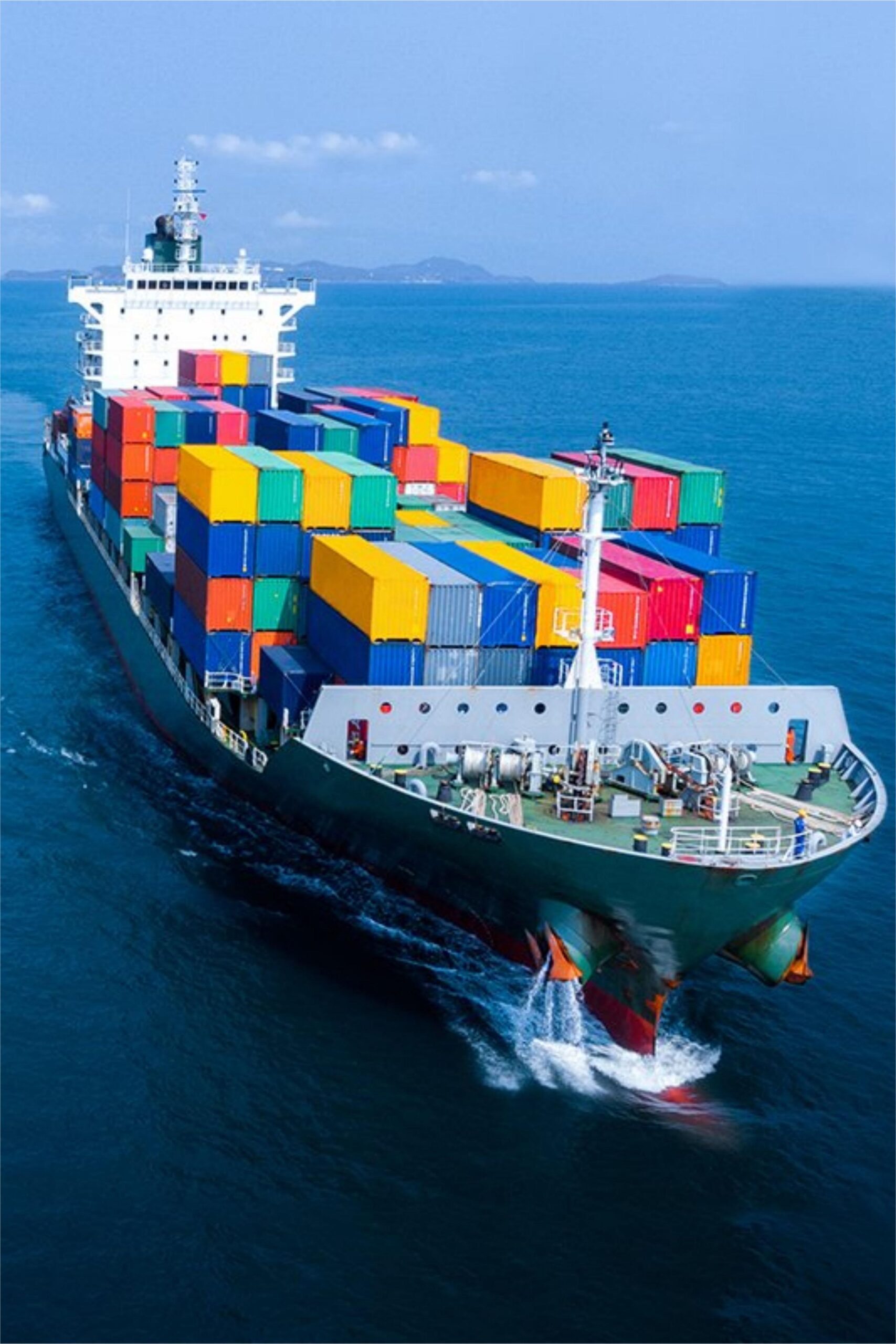
Your decision should align with your business priorities regarding budget, speed, and cargo type. For budget-sensitive shipments of durable goods, sea freight is unequivocally the superior choice. Conversely, if speed is the primary driver, especially for highly perishable items, air freight is indispensable.
Furthermore, cargo type considerations heavily influence the method; delicate or temperature-sensitive goods necessitate specialized handling. Therefore, a careful assessment of these factors is essential for optimizing your logistics for US export agriculture goods to Indonesia.
Navigating Customs, Tariffs, and Import Duties in Indonesia
Successfully exporting to Indonesia requires understanding their customs procedures, tariff rates, and import duties. These factors directly impact your goods’ final landed cost and competitiveness. Proper classification using Harmonized System (HS) codes is crucial for accurate duty calculation.
Indonesia applies various tariffs and taxes, including import duty, VAT, and income tax. Additionally, some agricultural products may face non-tariff barriers, like quotas. Engaging customs brokerage expertise can mitigate risks and streamline this complex process.
Ensuring Cold Chain Integrity for Perishable Goods
For many US agriculture goods, especially fresh produce, dairy, and meat, maintaining cold chain integrity throughout shipping is non-negotiable. Temperature fluctuations lead to spoilage, impacting product quality and market value. Therefore, reliable refrigerated shipping is essential.
Refrigerated containers, or reefers, maintain precise temperature control from origin to destination. Continuous monitoring of temperature and humidity is critical. Furthermore, proper packaging and pre-cooling procedures are vital steps in preserving the freshness and safety of perishable agricultural products during transit to Indonesia.
Case Studies: Real-World US Agriculture Exports to Indonesia
Examining real-world scenarios provides practical insights into the challenges and successful strategies involved in exporting agricultural goods. These case studies highlight diverse cargo types, shipping methods, and routes. They demonstrate the importance of meticulous planning and adaptive logistics solutions for US export agriculture goods to Indonesia.
Case Study 1: Exporting US Frozen Beef to Jakarta
This case illustrates a typical shipment of frozen meat, emphasizing cold chain requirements and efficient sea freight. The client needed a cost-effective solution for regular, large-volume shipments. Ensuring consistent temperature control was paramount.
| Detail | Description |
|---|---|
| Route | Chicago, USA Jakarta, Indonesia |
| Cargo | Frozen Beef Cuts, 25,000 kg (27 CBM) |
| Container | 1 x 40′ Reefer Container (set to -18°C) |
| Shipping Details | Carrier: Maersk, Port of Loading: Long Beach, CA, Port of Discharge: Tanjung Priok, Jakarta, Route Type: Transshipment via Singapore |
| Cost Breakdown (Based on Q3 2024 rates) | Ocean Freight: $5,800, Origin Charges: $950, Destination Charges: $1,200, Customs & Duties (estimated): $2,500, Total Landed Cost: $10,450 |
| Timeline | Booking to Loading: 7 days, Sea Transit: 38 days, Customs Clearance: 4 days, Total Door-to-Door: 49 days |
| Key Insight | Strict cold chain management and robust documentation prevented spoilage and delays. |
Case Study 2: Urgent Shipment of US Fresh Berries to Surabaya
This scenario highlights the need for speed and specialized handling for highly perishable fresh produce. Air freight was the only viable option despite the higher cost. Maintaining product freshness was the absolute priority.
| Detail | Description |
|---|---|
| Route | Los Angeles, USA Surabaya, Indonesia |
| Cargo | Fresh Blueberries, 800 kg (6 CBM) |
| Container | Air Cargo (Temperature Controlled Pallets) |
| Shipping Details | Carrier: Cathay Pacific Cargo, Airport of Loading: LAX, Airport of Discharge: SUB, Route Type: Direct flight with specific cold-chain handling |
| Cost Breakdown (Based on Q4 2024 rates) | Air Freight: $4,800 ($6.00/kg), Origin Charges: $350, Destination Charges: $600, Customs & Duties (estimated): $800, Total Landed Cost: $6,550 |
| Timeline | Booking to Loading: 2 days, Air Transit: 3 days, Customs Clearance: 1 day, Total Door-to-Door: 6 days |
| Key Insight | Expedited air freight and seamless cold chain transfer at airports ensured product freshness. |
Case Study 3: Bulk Grains from US Midwest to Medan
This case study focuses on a large-volume shipment of grains, highlighting intermodal transport and efficient port operations. The client prioritized cost-efficiency and consistent delivery for their staple commodity. Coordination across multiple transport modes was essential.
| Detail | Description |
|---|---|
| Route | Iowa, USA Medan, Indonesia |
| Cargo | Soybeans, 28,000 kg (30 CBM) |
| Container | 1 x 40′ Dry Container |
| Shipping Details | Carrier: MSC, Port of Loading: New Orleans, LA (via rail from Iowa), Port of Discharge: Belawan, Medan, Route Type: Transshipment via Houston and Singapore |
| Cost Breakdown (Based on early 2025 rates) | Ocean Freight: $4,500, Rail Freight (Iowa-New Orleans): $1,500, Origin Charges: $850, Destination Charges: $1,100, Customs & Duties (estimated): $2,000, Total Landed Cost: $9,950 |
| Timeline | Booking to Loading: 10 days, Inland Transit: 5 days, Sea Transit: 40 days, Customs Clearance: 5 days, Total Door-to-Door: 60 days |
| Key Insight | Intermodal solutions (rail+sea) optimized inland costs and managed complex routing for this US export agriculture goods to Indonesia shipment. |

Optimizing Your Supply Chain and Logistics for US Agriculture Exports
An optimized supply chain is fundamental for competitive and profitable US export agriculture goods to Indonesia. This involves more than just shipping; it encompasses warehousing, distribution, and efficient cargo handling. Strategic planning can significantly reduce overall shipping costs and improve delivery schedule reliability.
Consider integrating comprehensive logistics services that cover the entire journey. This includes pre-export inspections, consolidation services, and last-mile delivery within Indonesia. Furthermore, leveraging technology for real-time tracking and inventory management enhances transparency and control over your shipments.
Warehousing and Distribution in Indonesia
Upon arrival, efficient warehousing and distribution are critical for maintaining product quality and reaching diverse markets. Utilizing local warehousing and distribution networks significantly reduces transit times within Indonesia. This is particularly important for perishable items needing immediate market access.
Moreover, strategic placement of distribution centers minimizes inland transportation costs and delays. Partnering with local logistics providers offers invaluable expertise, ensuring products move seamlessly from port to end-consumer.
Common Challenges and Solutions in US-Indonesia Agricultural Trade
Exporters often face several challenges when sending US agriculture goods to Indonesia, ranging from complex regulatory changes to logistical bottlenecks. However, proactive planning and a reliable logistics partner can mitigate many issues. For instance, port congestion or unexpected customs delays are common hurdles.
Having contingency plans and clear communication channels is therefore vital. Furthermore, fluctuating freight rates and currency exchange rates can impact profitability, necessitating careful financial planning and risk management strategies.
Addressing Trade Barriers and Market Access Issues
Indonesia occasionally implements trade barriers, like import quotas or specific licensing requirements, affecting market access. Staying informed about these policy changes is crucial for exporters. Working with experienced trade consultants or your logistics provider helps navigate these complexities.
Moreover, understanding local consumer preferences and adapting product offerings can overcome market acceptance challenges. Building strong relationships with Indonesian importers also facilitates smoother market entry. Ultimately, persistence and adaptability are key to long-term success in this dynamic market.
Conclusion: Cultivating Success in the Indonesian Agricultural Market
Exporting US agriculture goods to Indonesia offers substantial growth opportunities for American producers. However, success hinges on a deep understanding of market dynamics, stringent compliance with regulations, and efficient logistics management. From selecting the right shipping method to navigating customs and ensuring cold chain integrity, each step demands careful attention.
By partnering with experienced logistics providers like VeloTactics Logistics, exporters can overcome common challenges and capitalize on Indonesia’s growing demand. Embracing strategic planning and adapting to market conditions will pave the way for a successful and sustainable presence in this vital Southeast Asian market. Ultimately, a well-executed strategy for US export agriculture goods to Indonesia translates into profitable trade.
Need a tailored shipping solution?
Ready to expand your agricultural exports to Indonesia? Contact VeloTactics Logistics today for tailored solutions. Our experts can help you navigate complex regulations, optimize your shipping routes, and ensure timely delivery of your US export agriculture goods to Indonesia. Request a personalized quote and streamline your supply chain.