
US Export Electronics Freight Singapore: Your Guide
Exporting electronics from the US to Singapore presents unique opportunities and challenges. As a global technology hub, Singapore demands efficient and compliant logistics solutions for high-value goods. Therefore, understanding the intricacies of US export electronics freight to Singapore is paramount for businesses aiming to expand their reach. This comprehensive guide will help streamline your shipping process, ensuring your products arrive safely and on schedule.
✦
Why US Export Electronics Freight to Singapore is Critical
Singapore stands as a pivotal gateway to Southeast Asia, renowned for its advanced technological infrastructure and robust economy. Consequently, it serves as a crucial destination for US-manufactured electronics, from semiconductors to consumer devices. This makes efficient and reliable US export electronics freight to Singapore a cornerstone of international trade.
However, shipping sensitive electronics demands meticulous planning and execution. Consequently, businesses face challenges including stringent regulations, complex customs procedures, and the need for specialized cargo handling. Navigating these complexities effectively ensures market access and customer satisfaction in this competitive region.
Key Considerations for US Export Electronics Freight to Singapore
Before initiating any shipment, several critical factors must be thoroughly addressed. Indeed, careful preparation minimizes delays, reduces costs, and ensures compliance with international trade laws. Understanding these elements is vital for successful electronics export.

Moreover, the nature of electronics cargo, often high-value and delicate, necessitates specific attention to detail. Therefore, choosing the right approach for packaging, insurance, and compliance is non-negotiable.
Regulations and Compliance
Firstly, all US exports, especially electronics, are subject to various US export control regulations, including ITAR and EAR. Therefore, determining the correct Export Control Classification Number (ECCN) is essential for compliance. Additionally, Singapore has its own import regulations and standards.
Furthermore, adhering to these legal frameworks prevents hefty fines and shipment seizures. Consequently, working with experienced customs brokerage services can significantly ease this burden. This ensures all necessary licenses and declarations are accurately filed for seamless transit.
Packaging and Handling
Electronics are inherently fragile and susceptible to environmental damage, including static electricity, moisture, and extreme temperatures. Therefore, proper packaging is crucial for protecting goods during transit. This often involves anti-static materials, shock-absorbing foam, and climate-controlled containers.
Moreover, specialized handling procedures are required to prevent damage. Consequently, selecting a freight forwarder with expertise in sensitive cargo handling is vital for secure electronics transport international. This attention to detail safeguards product integrity from origin to destination.
Insurance and Risk Management
Given the high value of most electronics, comprehensive cargo insurance is not merely an option but a necessity. Indeed, unforeseen events such as accidents, theft, or natural disasters can occur during transit. Therefore, adequate coverage protects your financial investment.
Additionally, proactive risk management involves selecting reputable carriers and routes, as well as implementing robust tracking systems. Consequently, understanding potential vulnerabilities in the supply chain solutions electronics Singapore helps mitigate risks effectively. This ensures peace of mind throughout the entire shipping process.
How Does Shipping Electronics from US to Singapore Compare to Other Options?
When considering US export electronics freight to Singapore, selecting the appropriate shipping method is a pivotal decision. This choice significantly impacts shipping costs, transit time, and the overall efficiency of your supply chain. Therefore, a thorough evaluation of each option is necessary.
Moreover, the ideal method depends heavily on the specific cargo type, its urgency, and budget constraints. Consequently, understanding the pros and cons of air freight, ocean freight, and multimodal solutions is essential for making an informed decision.
| Shipping Method | Cost Range (US to SG) | Transit Time (Days) | Best For | Limitations |
|---|---|---|---|---|
| Air Freight (Express) | $3-$7 per kg | 3-5 | High-value, urgent, small parcels | Highest cost, volume/weight restrictions |
| Air Freight (Economy) | $1.5-$3 per kg | 5-10 | Moderately urgent, mid-value electronics | Higher cost than sea, still has restrictions |
| Ocean Freight (FCL) | $2500-$3800 (40HQ) | 25-35 | Bulk, non-urgent consumer electronics | Slowest, port congestion risks |
| Ocean Freight (LCL) | $80-$150 per CBM | 30-40 | Smaller bulk, non-urgent, flexible volume | Longer transit, potential for damage, minimum charges |
Air Freight: Speed and Security
Air freight is undeniably the fastest option for shipping electronics from US to Singapore. It is ideal for high-value, time-sensitive goods like semiconductors, prototypes, or urgent replacement parts. The reduced transit time minimizes inventory holding costs and accelerates market entry.
However, air freight rates US to Singapore electronics are significantly higher than ocean freight. Despite the cost, the enhanced security and minimal handling often justify the expense for critical shipments. Many logistics providers offer specialized air freight solutions designed for electronics.
Ocean Freight: Cost-Effectiveness for Bulk
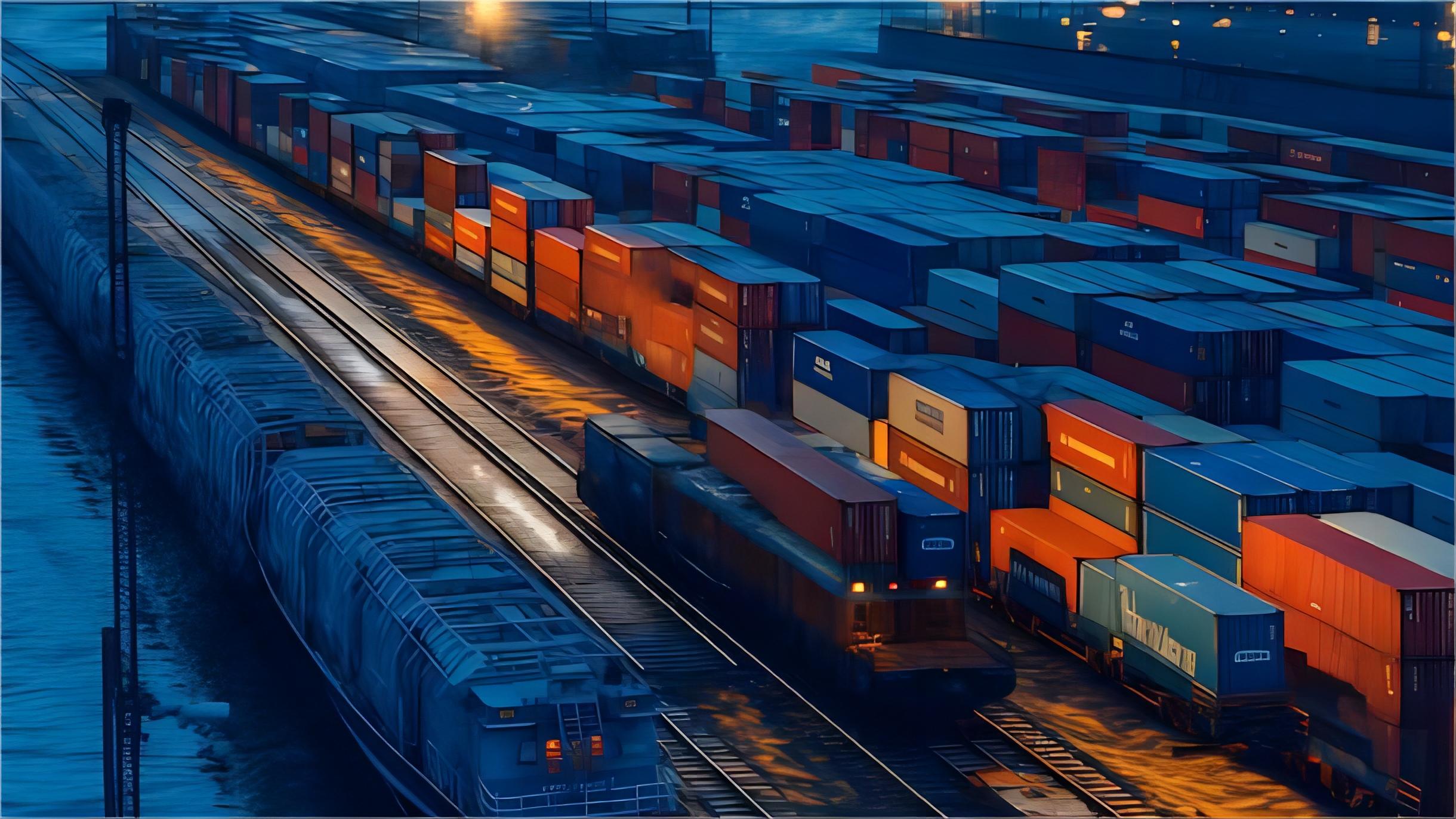
For larger volumes of less time-critical electronics, such as consumer electronics or components, ocean freight offers a more economical solution. While transit times are considerably longer, the cost savings can be substantial, especially for full container loads (FCL). This makes it attractive for bulk shipments.
Furthermore, ocean freight provides greater capacity for oversized or heavy items. Businesses can choose between FCL and Less than Container Load (LCL) options, depending on their volume. You can learn more about sea freight services to determine the best fit for your cargo.
Multimodal Solutions: Balancing Act
Multimodal shipping combines different transport modes, such as sea-air, to strike a balance between speed and cost. For example, goods might be shipped by sea to a hub (e.g., Dubai) and then by air to Singapore. This approach can offer a middle ground for certain types of electronics.
Indeed, multimodal options can be particularly useful when direct air freight is too expensive and direct ocean freight is too slow. Consequently, this flexibility allows businesses to optimize their delivery schedule and budget effectively. It provides a strategic alternative for specific supply chain needs.
Alternative Strategies and Decision Framework
Beyond the primary shipping methods, several alternative strategies can optimize your logistics. For instance, consolidating multiple smaller shipments into one larger consignment can reduce LCL costs. Similarly, utilizing free trade zones in Singapore can defer or reduce import duties electronics Singapore.
Furthermore, hybrid solutions like express air freight for critical components and standard ocean freight for bulk items can create a balanced shipping portfolio. The decision framework for choosing an option hinges on several factors: If budget is the priority, ocean LCL or FCL is recommended. If speed is paramount, air freight is the clear choice. For sensitive or high-value cargo, always prioritize secure, specialized handling, often found in dedicated air cargo services. Volume thresholds also play a role; LCL is economical up to about 15 CBM, beyond which FCL becomes more cost-effective.
Optimizing Your US Export Electronics Freight to Singapore Supply Chain
Achieving maximum efficiency in your electronics supply chain requires more than just choosing a shipping method. Indeed, it involves strategic partnerships and leveraging modern technology. Therefore, optimizing these aspects can lead to significant competitive advantages.
Moreover, a well-optimized supply chain minimizes disruptions, reduces operational costs, and enhances customer satisfaction. Consequently, continuous evaluation and adaptation are key to sustained success in international shipping.
Choosing the Right Logistics Partner
Selecting experienced logistics partners is crucial for managing the complexities of US export electronics freight to Singapore. Look for providers with proven expertise in electronics shipping, strong global networks, and robust logistics services. A reliable partner can navigate customs, manage documentation, and offer end-to-end visibility.
Furthermore, a good freight forwarder offers more than just transportation; they provide strategic advice on routes, compliance, and cost-saving opportunities. Consequently, they become an extension of your team, ensuring seamless operations. VeloTactics Logistics, for example, specializes in tailored solutions for complex international shipments.
Technology in Logistics
Modern logistics heavily relies on technology to enhance efficiency and transparency. For instance, advanced tracking systems provide real-time updates on shipment status, allowing for proactive problem-solving. This visibility is especially valuable for high-value electronics.
Additionally, data analytics can help identify trends, optimize routes, and predict potential delays, improving overall supply chain resilience. Consequently, embracing digital tools ensures better control and informed decision-making for your electronics shipping from US to Singapore.
Navigating Customs Clearance for Electronics in Singapore
Customs clearance is often one of the most challenging aspects of international shipping, particularly for electronics. Therefore, understanding Singapore’s import procedures and required documentation is critical. Indeed, proper preparation can prevent significant delays and penalties.
Moreover, Singapore maintains a strict but efficient customs regime. Consequently, ensuring all paperwork is accurate and complete prior to arrival is paramount for smooth processing. This attention to detail minimizes friction at the border.
Required Documentation
For electronics entering Singapore, a range of documents is typically required. This usually includes a commercial invoice, packing list, bill of lading (for ocean) or air waybill (for air), and a certificate of origin. Additionally, specific licenses or permits may be needed for certain types of electronics or controlled goods.
Furthermore, for some electronics, compliance with Singapore’s safety and technical standards, often managed by Enterprise Singapore, is mandatory. Consequently, ensuring all certifications are in order prevents customs holds. A comprehensive checklist helps manage these requirements efficiently.
| Document Type | Purpose | Key Details | Notes |
|---|---|---|---|
| Commercial Invoice | Customs valuation, duties | Accurate value, HS codes, description | Must match packing list |
| Packing List | Cargo contents verification | Quantity, weight, dimensions per package | Essential for inspection |
| Bill of Lading/Air Waybill | Contract of carriage, title | Shipper, consignee, cargo details | Proof of shipment |
| Certificate of Origin | Source country verification | Country of manufacture | May impact preferential tariffs |
| Permits/Licenses | Regulatory compliance | Specific to certain electronics/controlled items | Obtain before shipment |
Import Duties and Taxes
Singapore is largely a free port with minimal import duties on most goods. However, Goods and Services Tax (GST) is levied on all imports, currently at 9%. Therefore, calculating the estimated GST and any potential duties in advance is crucial for budgeting. This affects the total landed cost.
Moreover, certain electronics might be subject to specific tariffs or excise duties, although this is less common. Consequently, consulting with a customs brokerage expert can clarify any applicable charges. This ensures accurate financial planning and avoids unexpected costs.
Real-World Scenarios: US Export Electronics Freight to Singapore
Examining real-world examples helps illustrate the practical application of these shipping strategies. Indeed, each scenario highlights different challenges and optimal solutions for US export electronics freight to Singapore. Consequently, these case studies offer valuable insights for your own shipments.
Moreover, understanding these diverse situations can guide your decision-making process. This provides a clearer picture of how various factors impact logistics outcomes, from cost to transit time.
Case Study 1: High-Value Semiconductor Components
| Detail | Description |
|---|---|
| Route | San Jose, USA -> Singapore |
| Cargo | Semiconductor wafers and microchips, 2 CBM, 450 kg |
| Container | Air cargo pallets |
| Shipping Details | Carrier/Service: Major air cargo carrier, Port of Loading: SFO, Port of Discharge: SIN, Route Type: Direct Air Freight |
| Cost Breakdown | Air Freight: $2,800, Origin Charges: $350, Destination Charges: $200, Customs & Duties (estimated GST): $250, Total Landed Cost: $3,600 |
| Timeline | Booking to Loading: 2 days, Air Transit: 2 days, Customs Clearance: 1 day, Total Door-to-Door: 5 days |
| Key Insight | Speed was critical for this time-sensitive, high-value shipment. Air freight minimized transit risk and accelerated market entry for a new product line. Typical rates as of early 2025. |
Case Study 2: Bulk Consumer Electronics
| Detail | Description |
|---|---|
| Route | Los Angeles, USA -> Singapore |
| Cargo | Consumer smart devices (e.g., smart speakers), 58 CBM, 8,500 kg |
| Container | 1 x 40HQ |
| Shipping Details | Carrier/Service: Maersk, Port of Loading: POLA, Port of Discharge: SIN, Route Type: Direct Ocean Freight |
| Cost Breakdown | Ocean Freight: $3,200, Origin Charges: $450, Destination Charges: $300, Customs & Duties (estimated GST): $450, Total Landed Cost: $4,400 |
| Timeline | Booking to Loading: 7 days, Sea Transit: 28 days, Customs Clearance: 2 days, Total Door-to-Door: 37 days |
| Key Insight | Cost-effectiveness was paramount for this volume shipment. Ocean FCL provided significant savings over air freight, allowing for competitive pricing in the Singapore market. Based on Q3 2024 market rates. |
Case Study 3: Industrial Electronic Control Units (ECUs)
| Detail | Description |
|---|---|
| Route | Newark, USA -> Singapore |
| Cargo | Industrial ECUs, 8 CBM, 1,200 kg |
| Container | LCL (8 CBM) |
| Shipping Details | Carrier/Service: Hapag-Lloyd (via LCL consolidator), Port of Loading: Port of NY/NJ, Port of Discharge: SIN, Route Type: Ocean LCL, transshipment via Hong Kong |
| Cost Breakdown | Ocean Freight (LCL): $1,040 ($130/CBM), Origin Charges: $280, Destination Charges: $220, Customs & Duties (estimated GST): $180, Total Landed Cost: $1,720 |
| Timeline | Booking to Loading: 5 days, Sea Transit: 35 days, Customs Clearance: 2 days, Total Door-to-Door: 42 days |
| Key Insight | This LCL shipment balanced cost and capacity for a mid-sized, non-urgent consignment. While slower, it offered a much lower price point than air freight for this volume. According to industry benchmarks as of late 2024. Note: Freight rates are subject to change based on fuel costs, carrier capacity, and seasonal demand. Contact us for a current quote tailored to your specific shipment. |
Which Option Should You Choose?
Deciding on the optimal shipping method for your US export electronics freight to Singapore involves a careful evaluation of your priorities. Indeed, there is no one-size-fits-all solution; the best choice depends entirely on your specific business needs. Consequently, a clear decision framework is invaluable.
Consider these factors to guide your selection: First, if budget is your primary concern, ocean freight (especially FCL for larger volumes or LCL for smaller bulk) will generally offer the most cost-effective solution, albeit with longer transit times. Second, if speed is paramount for high-value, time-sensitive, or perishable electronics, air freight is the undisputed choice, despite its higher cost. Third, cargo type considerations are crucial; fragile or highly sensitive electronics often benefit from the quicker transit and specialized handling of air cargo, while robust, bulkier items are well-suited for ocean transport. Finally, volume thresholds for switching methods mean that for shipments under 15 CBM, LCL might be economical, but beyond that, FCL becomes a more efficient option.
Conclusion: Master Your US Export Electronics Freight to Singapore
Successfully navigating the complexities of US export electronics freight to Singapore demands a strategic approach. From understanding intricate regulations and optimizing packaging to selecting the right shipping method, every detail contributes to a seamless supply chain. Consequently, partnering with an experienced logistics provider is paramount for success.
By carefully considering all factors—cost, speed, security, and compliance—businesses can confidently expand their reach into Singapore’s thriving electronics market. Ultimately, efficient and reliable logistics are key to unlocking growth opportunities for US electronics exporters. Master your US export electronics freight to Singapore to ensure your products reach their destination efficiently and securely.