
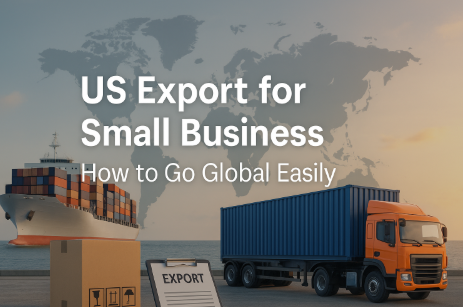
For many small businesses in the United States, international trade might seem like a big step. However, exporting offers massive potential — from increasing revenue to diversifying markets and reducing domestic dependency. This guide will explain how US export for small business works, what steps to take, which documents to prepare, and how logistics partners like Velotac Logistics simplify the entire process.
Why Should Small Businesses in the US Consider Exporting?
Expanding into international markets provides small businesses access to new customers, higher profit margins, and greater brand recognition. According to the U.S. Small Business Administration (SBA), nearly 97% of all U.S. exporters are small firms, yet they account for less than one-third of total export value — meaning the growth potential is enormous.
Moreover, exporting helps small businesses reduce risk by balancing demand between multiple markets. Therefore, entering global trade is not just an opportunity — it’s a strategic move for long-term stability and growth.
What Are the First Steps to Start Exporting from the US?
Getting started with US export for small business begins with careful planning and compliance. Follow these steps to establish a strong export foundation:
- Conduct Market Research: Identify countries with demand for your product. Use tools like the U.S. Commercial Service Market Finder.
- Check Export Regulations: Review product-specific export controls or restrictions under the Bureau of Industry and Security (BIS).
- Register with the U.S. Customs and Border Protection (CBP): Ensure compliance with export control classifications (ECCN).
- Select Shipping Methods: Choose between air freight, sea freight, or express couriers based on cost and transit time.
- Partner with a Freight Forwarder: Companies like Velotac Logistics manage export documentation, customs filing, and transportation efficiently.
What Export Documents Are Needed for Small Businesses?
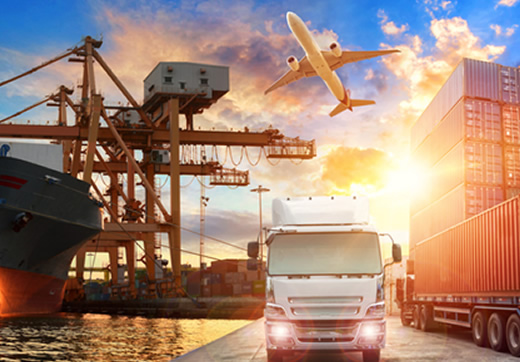
Export documentation ensures smooth customs clearance at both departure and destination ports. Missing or incorrect paperwork can cause delays or fines. Below are the main export documents small businesses should prepare:
| Document | Purpose | Issued By |
|---|---|---|
| Commercial Invoice | Lists shipment details and transaction value | Exporter |
| Packing List | Describes package content and dimensions | Exporter |
| Bill of Lading / Air Waybill | Serves as transport and ownership proof | Carrier |
| Export License (if applicable) | Required for restricted products | U.S. BIS |
| Certificate of Origin | Identifies product’s manufacturing country | Chamber of Commerce |
| Shipper’s Export Declaration (SED) | Filed electronically for customs reporting | Exporter or Forwarder |
In addition, compliance certificates or FDA approvals may be required for medical, food, or chemical goods.
How to Choose the Right Freight Forwarding Option
Small businesses must balance shipping speed and cost when exporting. Understanding available modes of transport helps in making the best decision.
| Transport Mode | Average Cost | Transit Time | Best For | Advantages |
|---|---|---|---|---|
| Air Freight | High | 3–7 days | Urgent shipments | Fast, secure, reliable |
| Sea Freight | Low | 20–40 days | Large or bulk cargo | Economical, scalable |
| Express Courier | Medium | 2–5 days | Small parcels | Door-to-door, easy tracking |
For small businesses starting out, sea freight is cost-efficient for bulk orders, while air freight suits high-value or time-sensitive products. Velotac Logistics offers both options with end-to-end visibility, customs support, and warehousing solutions for flexible export planning.
How to Comply with US Export Laws and Regulations
Compliance is a vital part of export success. Before shipping, confirm that your goods do not require special licenses or restrictions. U.S. export regulations primarily include:
- Export Administration Regulations (EAR): Overseen by BIS, these rules govern technology or sensitive goods.
- International Traffic in Arms Regulations (ITAR): Applies to defense-related items.
- Foreign Trade Regulations (FTR): Requires electronic export information (EEI) filing for shipments above $2,500 in value.
Failing to comply can result in heavy penalties. Therefore, partnering with logistics providers familiar with U.S. export laws ensures that your shipments move safely and legally.
How to Select the Best Market for Export Growth
Choosing the right export destination can make or break your international expansion. Key factors include:
- Demand potential for your product category
- Trade barriers such as tariffs or import quotas
- Shipping costs and delivery times
- Ease of doing business in the target country
- Cultural and language compatibility
Emerging economies like Vietnam, Mexico, and the UAE are growing fast and offer strong opportunities for U.S. exporters. Therefore, a data-driven market selection approach ensures profitability and scalability.
What Financial Support Exists for US Exporters?
Small businesses can access several U.S. government programs designed to help with export financing and risk management:
| Program | Provided By | Main Benefit |
|---|---|---|
| Export Working Capital Program | U.S. Small Business Administration | Offers short-term loans for export operations |
| Export Credit Insurance | Export-Import Bank of the United States (EXIM) | Protects against foreign buyer non-payment |
| Market Development Cooperator Program | U.S. Department of Commerce | Funds international marketing activities |
| STEP Grant | State Trade Expansion Program | Supports trade shows and marketing abroad |
By utilizing these resources, small businesses can secure financial stability and minimize risks in foreign transactions.
How to Find Buyers and Distributors Abroad
Finding reliable overseas partners is a major challenge for new exporters. Here are some proven methods:
- Attend global trade fairs and B2B exhibitions.
- Use verified online marketplaces such as Alibaba, Global Sources, or ThomasNet.
- Work with local chambers of commerce or trade associations.
- Leverage export matchmaking services offered by the U.S. Commercial Service.
Building long-term relationships with distributors ensures repeat business and helps small companies establish a trusted presence in new markets.
What Are Common Export Challenges and How to Overcome Them?
Exporting involves challenges, but preparation minimizes their impact.
1. High Shipping Costs: Optimize routes and consolidate shipments through freight forwarders.
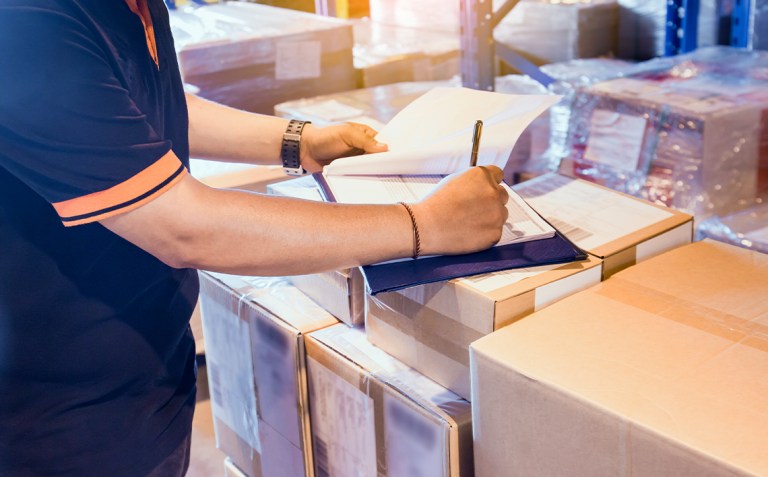
2. Documentation Errors: Use digital systems or expert agents to check forms before submission.
3. Currency Fluctuations: Use USD-based contracts or currency hedging.
4. Customs Delays: Provide complete and accurate data; pre-clear shipments if possible.
5. Communication Gaps: Maintain clear, professional, and multilingual communication with foreign buyers.
Velotac Logistics supports small exporters by managing these operational risks, ensuring timely delivery, and offering real-time tracking and transparent pricing.
How to Build a Scalable Export Strategy for Small Businesses
A scalable export plan allows small businesses to grow internationally without losing control over operations. The key elements include:
- Product Adaptation: Adjust labeling, packaging, and certifications for foreign markets.
- Pricing Strategy: Include freight, insurance, and customs costs in your export price.
- Supply Chain Management: Partner with logistics providers who offer flexible shipping routes.
- Digital Marketing: Use SEO and social media to reach potential buyers globally.
- After-Sales Support: Maintain customer satisfaction with clear policies and communication.
Velotac Logistics provides end-to-end export management, integrating warehousing, customs brokerage, and shipment visibility to support scalable business growth.
Conclusion
Exporting is no longer limited to large corporations. With the right knowledge, planning, and logistics partner, US export for small business can become a sustainable path to global growth. From market selection to compliance and shipping, each step contributes to success. Partnering with Velotac Logistics allows you to navigate complex export procedures confidently — transforming your small business into a global player.
Need a quote?
Ready to get started? Contact us now to request a free shipping quote.
Frequently Asked Questions (FAQ)
Not always. Most products don’t need a license, but restricted goods require BIS or ITAR approval.
Sea freight is typically the most cost-effective option for bulk shipments, though slower than air or express.
Attend international trade shows, use online B2B marketplaces, or connect through U.S. Commercial Service programs.
Yes, but you must comply with temperature control standards and obtain sanitary certificates.
Use EXIM Bank insurance or secure payments through letters of credit.