
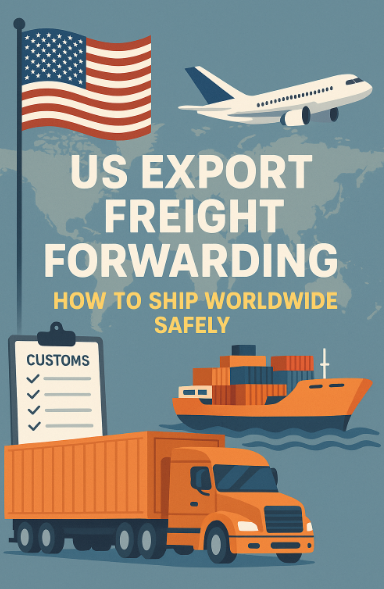
Global trade has never been more dynamic. For U.S. businesses aiming to expand globally, mastering export freight forwarding is essential. From choosing the right transport mode to ensuring compliance with customs regulations, efficient freight management defines success. This guide explains how US export freight forwarding works, what documents are required, and how to streamline international shipping with the right logistics partner such as Velotac Logistics.
What Is US Export Freight Forwarding?
Freight forwarding involves planning, coordinating, and managing the shipment of goods from one country to another. In the context of U.S. export freight, it means organizing all logistics processes for goods leaving the United States.
Freight forwarders handle everything from transportation booking and documentation to customs clearance and delivery scheduling. Their goal is to ensure your cargo arrives safely, on time, and in compliance with trade laws.
Velotac Logistics provides customized freight forwarding services for exporters of all sizes, helping businesses expand into global markets with minimal stress and maximum efficiency.
How Does the US Export Freight Process Work?
The U.S. export process follows a systematic flow involving multiple stages, each requiring accuracy and coordination.
| Step | Process | Responsibility |
|---|---|---|
| 1 | Export Planning | Exporter or freight forwarder |
| 2 | Booking Transportation | Freight forwarder |
| 3 | Preparing Documentation | Exporter and customs broker |
| 4 | Customs Clearance | U.S. Customs and Border Protection (CBP) |
| 5 | International Shipping | Carrier (sea, air, or land) |
| 6 | Destination Customs | Foreign import authority |
| 7 | Final Delivery | Local logistics partner |
Each phase involves compliance with export regulations, tariff codes, and international trade laws. Therefore, professional oversight ensures smooth shipment flow and avoids costly delays.
Why Is Freight Forwarding Crucial for Exporters?
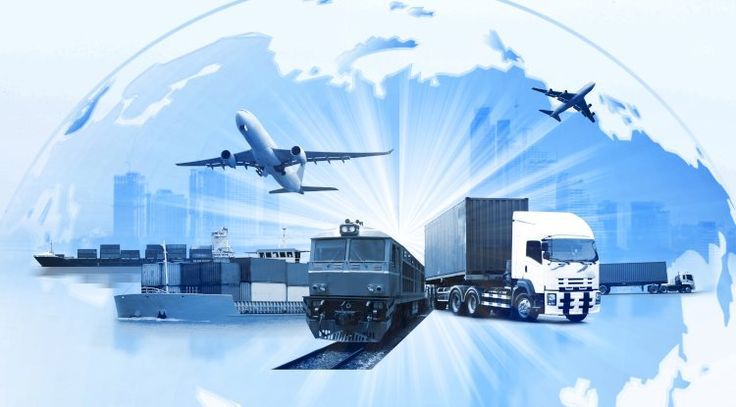
Freight forwarding connects every piece of the supply chain. Without professional logistics coordination, businesses face risks such as document errors, late shipments, or customs penalties.
Here’s why exporters rely on freight forwarding services:
- Regulatory compliance: Ensures all export paperwork meets U.S. and destination country laws.
- Time savings: Freight forwarders manage routing, customs, and carrier coordination.
- Cost control: Optimized shipment methods reduce unnecessary expenses.
- Global access: Forwarders maintain networks with carriers and customs agents worldwide.
Velotac Logistics acts as an extension of your export team — coordinating freight from warehouse pickup to final destination with full transparency.
What Are the Key Shipping Modes for US Export Freight?
Choosing the right transport mode depends on product type, delivery time, and cost priorities. Below is a practical comparison of the main options for U.S. exporters.
| Mode | Transit Time | Cost Level | Best For | Advantages |
|---|---|---|---|---|
| Sea Freight | 20–40 days | Low | Bulk or heavy cargo | Cost-efficient, scalable |
| Air Freight | 2–7 days | High | Urgent or high-value goods | Fastest option, secure |
| Truck Freight | 1–5 days | Medium | Exports to Mexico/Canada | Direct border delivery |
| Rail Freight | 5–10 days | Medium | Large inland shipments | Sustainable and steady |
For most exporters, sea freight offers the best balance between cost and capacity, while air freight is preferred for high-value, time-sensitive goods. Velotac Logistics helps clients select the optimal shipping mode by analyzing routes, cargo volume, and delivery deadlines.
What Export Documents Are Required in the US?
Documentation accuracy is the backbone of international shipping. Incomplete or incorrect paperwork can cause customs delays or penalties.
Here are the essential U.S. export documents:
| Document | Purpose | Issued By |
|---|---|---|
| Commercial Invoice | Lists goods, value, and buyer details | Exporter |
| Packing List | Describes cargo contents and weight | Exporter |
| Bill of Lading / Air Waybill | Proof of shipment and receipt | Carrier |
| Certificate of Origin | Confirms production country | Chamber of Commerce |
| Shipper’s Export Declaration (SED) | Filed for customs compliance | Exporter or broker |
| Insurance Certificate | Protects cargo during transport | Insurer |
Velotac Logistics assists exporters with document verification and electronic filing to prevent compliance issues at both ends of the shipment.
How Do US Export Regulations Work?
Export compliance in the U.S. is managed by several key agencies:
- CBP (Customs and Border Protection): Oversees documentation and clearance.
- BIS (Bureau of Industry and Security): Manages export licenses for controlled goods.
- Census Bureau: Tracks export data and trade reporting.
- Department of State: Regulates defense-related exports.
Exporters must classify products under the Harmonized System (HS) and ensure correct Export Control Classification Number (ECCN) if applicable. Non-compliance can lead to fines or shipment seizure.
Therefore, professional freight forwarders play a vital role in monitoring and maintaining regulatory standards.
What Are the Costs Involved in US Export Freight Forwarding?
Export freight costs depend on multiple variables — shipment size, transport mode, destination, and insurance coverage. Typical charges include:
- Freight rate (per container or per kilogram)
- Port handling and customs fees
- Documentation and brokerage fees
- Cargo insurance premiums
- Fuel and security surcharges
| Cost Factor | Air Freight | Sea Freight |
|---|---|---|
| Cost per kg | $4–10 | $0.20–1.50 |
| Average Transit Time | 2–7 days | 20–40 days |
| Best Use | High-value goods | Bulk cargo |
| Risk Level | Low | Moderate |
Velotac Logistics provides transparent cost breakdowns and competitive rates, helping businesses compare shipping options based on budget and urgency.

How Long Does Export Freight Take from the US?
Transit times vary depending on distance, mode of transport, and customs processing. Below is a general estimate for major export routes.
| Destination | Mode | Estimated Transit Time |
|---|---|---|
| Europe | Sea | 20–25 days |
| Asia | Sea | 25–35 days |
| South America | Sea | 12–20 days |
| Canada | Truck | 2–4 days |
| Mexico | Truck | 1–3 days |
| Middle East | Air | 3–5 days |
Exporters can reduce transit delays by working with logistics providers who pre-clear shipments and use real-time tracking technology. Velotac Logistics ensures full visibility at every stage of the export journey.
How Can Exporters Avoid Common Freight Forwarding Mistakes?
Even experienced exporters encounter challenges in freight forwarding. Here are common pitfalls and how to prevent them:
- Incomplete Documentation: Always cross-check invoice data and HS codes.
- Underestimating Transit Time: Account for customs and port handling delays.
- Ignoring Insurance Coverage: Protect shipments from loss or damage in transit.
- Choosing Wrong Mode: Balance cost with urgency before booking.
- Lack of Tracking: Use digital tracking to monitor cargo progress.
Velotac’s logistics technology provides exporters with end-to-end visibility, ensuring that every shipment remains on schedule and compliant.
Why Choose Velotac Logistics for Export Freight Forwarding?
Velotac Logistics combines experience, global reach, and cutting-edge technology to simplify export freight management.
Key Advantages:
- Expert handling of sea, air, and cross-border shipments.
- Dedicated export documentation and customs support.
- Advanced cargo tracking and digital supply chain tools.
- Strategic partnerships with global carriers and port operators.
Velotac’s team ensures every shipment meets regulatory standards while optimizing cost and delivery time — helping exporters expand confidently across international markets.
Conclusion
Efficient US export freight forwarding is the foundation of successful international trade. From documentation to customs and delivery, every step requires precision and expertise. Partnering with a professional logistics company like Velotac Logistics helps businesses save time, reduce costs, and ensure compliance while reaching markets worldwide.
With decades of industry experience and a global network of partners, Velotac provides exporters with seamless, reliable, and transparent freight forwarding — helping your business ship worldwide safely and confidently.
Need a quote?
Ready to get started? Contact us now to request a free shipping quote.
Frequently Asked Questions (FAQ)
A freight forwarder coordinates transportation, documentation, and customs clearance for export shipments, ensuring smooth delivery.
Yes. Even small exporters benefit from professional logistics coordination to avoid costly errors and delays.
A carrier transports goods directly, while a freight forwarder manages logistics, compliance, and route optimization between multiple carriers.
Most freight forwarders, including Velotac Logistics, provide real-time digital tracking for all export modes.
Controlled goods such as weapons, dual-use technology, or sensitive data require special export licenses under BIS regulations.