
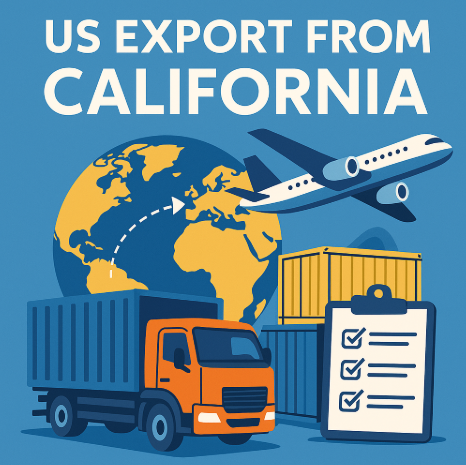
California stands at the heart of the United States’ export economy. As the nation’s largest gateway to the Pacific, the state’s ports, airports, and logistics infrastructure make it a global powerhouse for international trade. From agricultural products to high-tech equipment, US export from California plays a crucial role in connecting American industries with markets in Asia, Europe, and Latin America.
In this comprehensive guide, we’ll explain how to manage exports from California effectively — covering trade statistics, logistics strategies, customs requirements, and how professional freight forwarders like Velotac Logistics help businesses ship worldwide with confidence.
Why Is California a Leader in US Exports?
California accounts for nearly 10% of total US exports, thanks to its geographic position, diverse industries, and advanced logistics systems. According to the U.S. Department of Commerce, the state exported more than $190 billion worth of goods in 2024 — with strong growth across technology, aerospace, and agriculture.
Major export partners include Mexico, Canada, China, Japan, and South Korea. With the ports of Los Angeles, Long Beach, and Oakland serving as global trade arteries, California remains the preferred export hub for both small businesses and multinational corporations.
Therefore, understanding the logistics behind exporting from this region can significantly boost your company’s global reach.
What Are the Top Exports from California?
California’s export economy is highly diversified. From tech to agriculture, each industry contributes to the state’s trade strength.
| Product Category | 2024 Export Value (USD Billion) | Major Destinations |
|---|---|---|
| Computers & Electronics | 44.5 | China, Japan, South Korea |
| Transportation Equipment | 23.8 | Canada, Mexico, Germany |
| Machinery & Components | 20.6 | Mexico, Vietnam, Singapore |
| Agricultural Products | 18.2 | Canada, China, Japan |
| Chemicals & Pharmaceuticals | 13.1 | Netherlands, Singapore, UK |
| Food & Beverages | 10.7 | Australia, South Korea, UAE |
In addition, California is the leading U.S. exporter of fresh fruits, almonds, wine, and medical technology. Therefore, businesses in diverse sectors can benefit from California’s global logistics network and export-friendly policies.
Which Ports and Airports Handle Most California Exports?
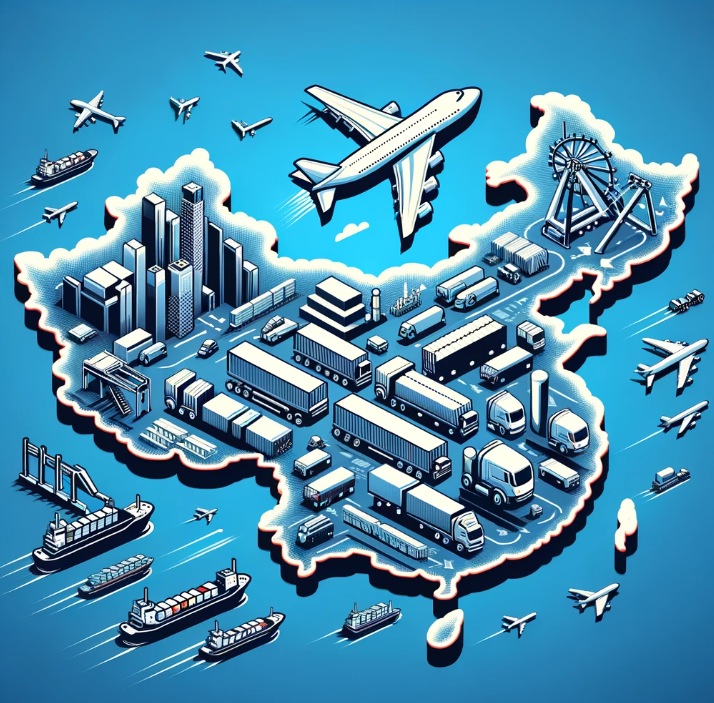
California’s world-class logistics infrastructure gives exporters multiple options for shipping goods internationally.
| Export Hub | Type | Strengths |
|---|---|---|
| Port of Los Angeles | Seaport | Largest U.S. container port; extensive routes to Asia |
| Port of Long Beach | Seaport | Efficient customs clearance; eco-friendly operations |
| Port of Oakland | Seaport | Strong agricultural export hub; direct Asia-Europe links |
| Los Angeles International Airport (LAX) | Air Cargo | Handles high-value electronics and perishables |
| San Francisco International Airport (SFO) | Air Cargo | Ideal for tech and medical shipments |
| San Diego Port | Seaport | Fast routes to Mexico and Latin America |
With multiple air and sea gateways, exporters can choose the best route based on cargo type, urgency, and cost. Velotac Logistics assists clients in selecting optimal hubs to minimize transit times and reduce total shipping costs.
What Are the Best Shipping Methods for California Exports?
The mode of transportation depends on the shipment’s size, budget, and destination. Here’s a practical comparison of available export methods:
| Shipping Mode | Average Cost | Transit Time | Best For | Advantages |
|---|---|---|---|---|
| Sea Freight | Low | 20–40 days | Bulk or large shipments | Economical for high-volume trade |
| Air Freight | High | 2–7 days | Urgent or high-value goods | Fastest and most secure |
| Truck Freight | Moderate | 1–5 days | Exports to Mexico/Canada | Direct delivery and border efficiency |
| Rail Freight | Moderate | 5–10 days | Intermodal or inland shipments | Eco-friendly and stable pricing |
For most California exporters, sea freight remains the most cost-effective option, while air freight suits sensitive or time-critical cargo.
How Does the Export Process Work in California?
Exporting from California involves several steps, each critical for ensuring compliance and efficiency.
- Product Identification – Classify goods using the Harmonized System (HS) code.
- Export License Check – Determine if products require licenses (especially tech or defense-related items).
- Transportation Booking – Choose carrier, shipping route, and logistics partner.
- Documentation Preparation – Create all necessary export paperwork (invoice, bill of lading, etc.).
- Customs Filing – Submit export declarations via the Automated Export System (AES).
- Shipment Delivery – Move goods to port or airport for carrier handover.
- Customs Clearance Abroad – Coordinate with destination authorities for import release.
Velotac Logistics manages each stage seamlessly, ensuring accurate documentation and faster customs clearance across major California ports.
What Export Documents Are Required in the US?
Accurate paperwork is essential for smooth customs processing. Missing or incorrect information can lead to shipment delays or fines.
| Document | Purpose | Issued By |
|---|---|---|
| Commercial Invoice | Declares goods’ value and transaction details | Exporter |
| Packing List | Lists shipment content, weight, and dimensions | Exporter |
| Bill of Lading / Air Waybill | Transport and ownership record | Carrier |
| Certificate of Origin | Verifies U.S. origin for duty exemption | Chamber of Commerce |
| Shipper’s Export Declaration (SED) | Filed for exports above $2,500 | Exporter or forwarder |
| Insurance Certificate | Protects against damage/loss | Insurer |
Velotac’s document verification system helps exporters avoid customs issues, saving time and reducing risk at both U.S. and destination ports.
How Long Does It Take to Ship from California to Major Markets?
Transit times vary based on mode and destination. The table below provides general timelines for reference.
| Destination | Mode | Estimated Delivery Time |
|---|---|---|
| China | Sea | 18–22 days |
| Japan | Sea | 12–16 days |
| Australia | Sea | 20–25 days |
| Europe (Netherlands/Germany) | Sea | 25–35 days |
| Mexico | Truck | 2–4 days |
| Canada | Truck | 3–5 days |
| Middle East | Air | 3–5 days |
By working with experienced freight forwarders, exporters can plan deliveries accurately and minimize delays caused by customs or port congestion.
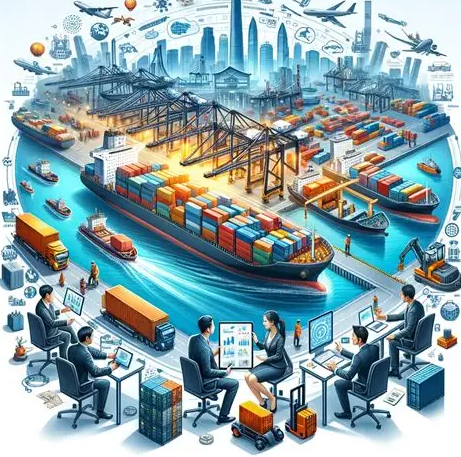
What Are the Most Common Challenges for Exporters in California?
While California offers strong export infrastructure, businesses still face logistical and regulatory hurdles.
Common challenges include:
- Complex Documentation: Errors in invoices or certificates can delay shipments.
- Port Congestion: High export volumes may cause waiting times during peak seasons.
- Customs Delays: Incomplete AES filings can result in penalties.
- Rising Freight Costs: Fluctuating rates affect budgeting.
- Regulatory Changes: Export compliance laws vary by destination country.
Velotac Logistics addresses these challenges through digital documentation systems, transparent pricing, and proactive customs management.
Why Work with a Professional Freight Forwarder?
A trusted freight forwarder simplifies complex export operations. Whether managing full container loads (FCL) or smaller shipments (LCL), professional logistics partners coordinate every stage — from booking and customs to last-mile delivery.
Key advantages of working with Velotac Logistics include:
- Expertise in international freight and customs documentation.
- Strong relationships with major carriers and port authorities.
- Real-time tracking and cargo insurance options.
- Cost optimization through route analysis and consolidation.
In short, Velotac helps businesses scale globally by turning logistical complexity into a smooth, predictable export process.
How Does Customs Clearance Work for California Exports?
Customs clearance is one of the most critical steps in international shipping. Exporters must ensure compliance with both U.S. and destination-country regulations.
At the U.S. port or airport:
- Customs verifies export documentation.
- The Automated Export System (AES) checks electronic declarations.
- Clearance is granted once all information matches shipment records.
At the destination country:
- Local customs evaluate product classification and import duty.
- Consignees pay applicable taxes before goods are released.
Velotac Logistics coordinates customs filing on both ends, ensuring zero disruptions in the shipping process.
Conclusion
California remains the engine of U.S. export trade, powered by its advanced logistics network, global port infrastructure, and diverse manufacturing base. However, successful international shipping demands strategic planning, accurate documentation, and reliable logistics management.
By partnering with Velotac Logistics, exporters gain access to seamless freight forwarding, professional customs support, and optimized trade routes — enabling businesses to ship worldwide easily while saving time and cost.
Whether you’re shipping electronics to Japan, food products to Europe, or machinery to Mexico, Velotac ensures every container moves safely, efficiently, and on schedule.
Need a quote?
Ready to get started? Contact us now to request a free shipping quote.
Frequently Asked Questions (FAQ)
Mexico, Canada, China, Japan, and South Korea are the main destinations for California’s exports.
Electronics, machinery, agricultural goods, and transportation equipment are the top categories.
Yes, professional logistics support ensures compliance and reduces costly errors for smaller exporters.
Sea freight is typically the most affordable method for large or heavy shipments.
Velotac Logistics offers real-time cargo tracking for all international shipments.