
US Export Garments to Indonesia: Your Comprehensive Shipping Guide
Exporting garments from the US to Indonesia presents significant opportunities, yet it involves complex logistics and stringent regulations. Ensuring a smooth and efficient supply chain is paramount for businesses looking to tap into this dynamic market. For comprehensive logistics solutions, consider partnering with VeloTactics Logistics, your reliable expert in international freight forwarding.

Why Export Garments to Indonesia?
Indonesia’s growing economy and expanding middle class make it an attractive destination for US garment exporters. Indeed, demand for high-quality apparel continues to rise, creating a robust market for imported clothing. Understanding this market potential is the first step towards successful international trade.
Furthermore, strategic partnerships and efficient logistics can help American businesses capitalize on these opportunities. Moreover, navigating the import landscape effectively ensures your products reach consumers without unnecessary delays or costs.
What are the Key Shipping Methods for US Export Garments to Indonesia?
When considering US export garments to Indonesia, selecting the right shipping method is crucial for balancing cost and transit time. Primarily, exporters choose between sea freight and air freight, each offering distinct advantages. Your decision depends heavily on factors like shipment volume, urgency, and budget constraints.
For instance, large volumes of non-time-sensitive apparel generally benefit from the cost-effectiveness of sea freight. Conversely, expedited fashion collections or high-value samples often require the speed of air freight. Consequently, understanding these differences is vital for optimizing your logistics strategy.
| Shipping Method | Cost Range (per 40HQ) | Transit Time (US West Coast) | Best For | Limitations |
|---|---|---|---|---|
| Sea Freight (FCL) | $4,000 – $6,500 | 20-30 Days | Large volumes, cost-effective, non-urgent | Longer transit, potential port delays |
| Sea Freight (LCL) | $100 – $180 per CBM | 25-35 Days | Smaller volumes, flexible | More handling, slightly longer transit than FCL |
| Air Freight | $10,000 – $25,000+ | 3-7 Days | Urgent, high-value, samples | High cost, weight/volume restrictions |
Sea Freight for Apparel Shipments
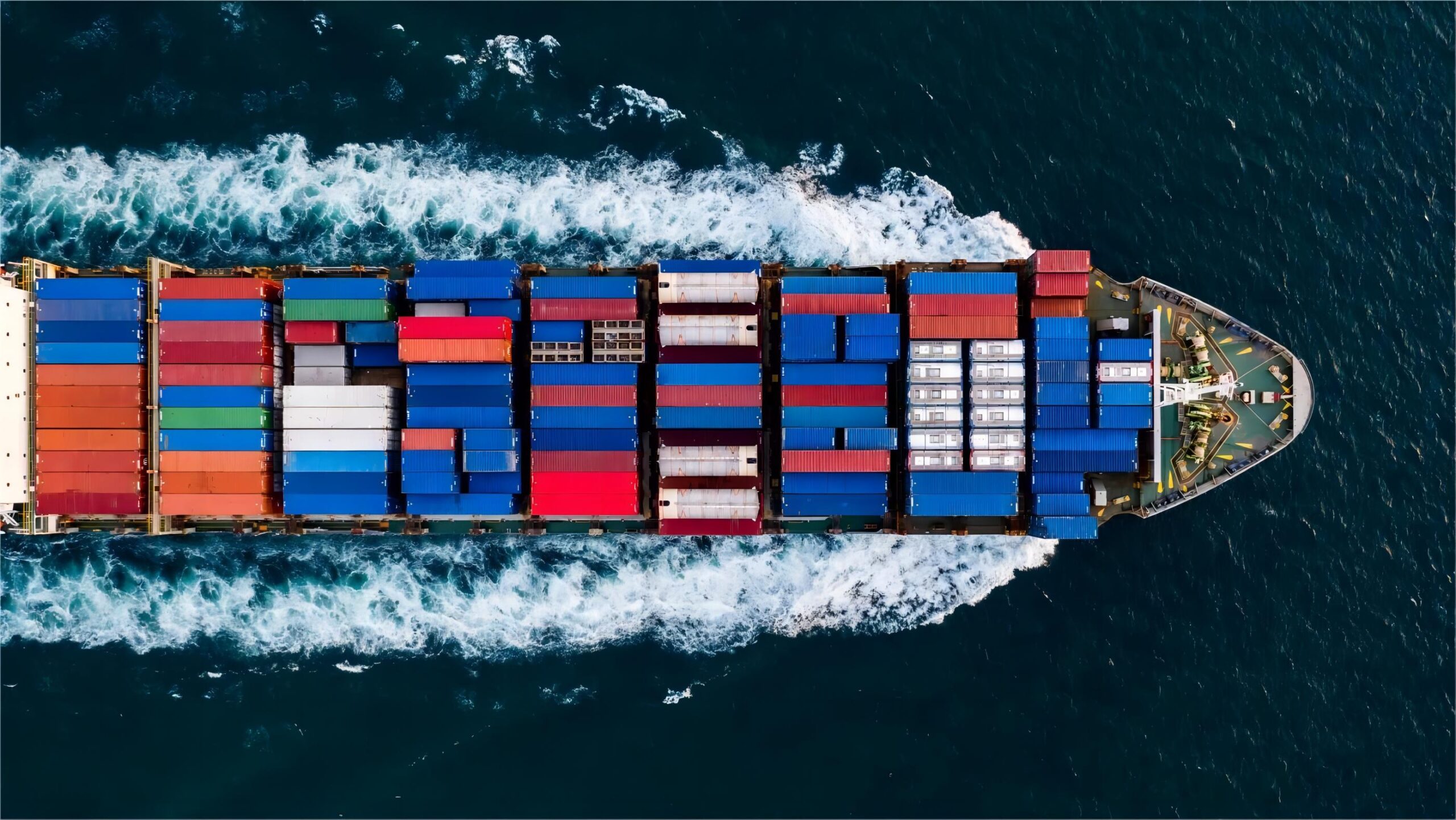
Sea freight is typically the most economical option for shipping garments, particularly for bulk orders or less urgent consignments. It allows for larger volumes, either as Full Container Load (FCL) or Less than Container Load (LCL). Sea freight services offer significant cost savings, although transit times are considerably longer. This method is ideal for inventory replenishment and stable product lines.
However, careful planning is essential due to extended transit times and potential port delays. Therefore, it is important to factor in lead times to maintain a consistent delivery schedule and meet market demand effectively. Despite the longer journey, sea freight remains a cornerstone for global garment supply chains.
Air Freight for Time-Sensitive Garments
For urgent garment exports, such as seasonal collections, fashion show samples, or fast-moving consumer goods, air freight is the preferred choice. While more expensive, it drastically reduces transit time, ensuring quicker market entry. Air freight solutions provide speed and reliability, which can be critical for maintaining competitive advantage.
Nevertheless, air cargo costs are calculated by volumetric weight, making it less suitable for very bulky, low-value items. Therefore, businesses must weigh the premium cost against the benefits of rapid delivery and improved inventory turnover. This method is invaluable for high-value or time-critical apparel.
Navigating Customs and Regulations for Garments into Indonesia
Successfully exporting US export garments to Indonesia requires a thorough understanding of Indonesian customs regulations. Indeed, proper documentation and compliance are essential to avoid delays and penalties. Importers must adhere to specific rules regarding textile classifications and import duties.
Furthermore, working with experienced partners for customs clearance can streamline this complex process. This ensures that all necessary permits and declarations are accurately filed. For example, understanding garment import duties in Indonesia is critical for accurate landed cost calculations.
Key Documentation Requirements
A range of documents is necessary for customs clearance, including commercial invoices, packing lists, bills of lading or air waybills, and certificates of origin. Occasionally, additional permits or licenses may be required depending on the specific type of apparel. Therefore, meticulous preparation of these documents is non-negotiable.
Moreover, accurate Harmonized System (HS) codes for your textile exports are vital for correct duty assessment. Incorrect classification can lead to significant delays and additional costs. Consequently, verifying all documentation prior to shipment departure is a best practice for smooth processing.
| Document | Purpose | Required By | Notes |
|---|---|---|---|
| Commercial Invoice | Details of goods, value, terms of sale | Customs | Accurate pricing and description |
| Packing List | Contents of each package | Customs, Consignee | Crucial for cargo handling and inspection |
| Bill of Lading/Air Waybill | Contract of carriage, title to goods | Carrier, Customs | Proof of shipment and ownership |
| Certificate of Origin (COO) | Country where goods were manufactured | Customs | May affect duty rates (e.g., FTA benefits) |
Optimizing Your Supply Chain for US-Indonesia Garment Trade
An optimized supply chain is fundamental for competitive US export garments to Indonesia. This involves more than just shipping; it encompasses warehousing, inventory management, and last-mile delivery. Effective logistics trends suggest integrated solutions yield the best results.
Considering these factors, businesses should look for partners offering comprehensive logistics services. This includes efficient cargo handling, consolidation options, and robust tracking systems. Ultimately, a streamlined process reduces costs and improves delivery schedule reliability.
Consolidation and Warehousing Strategies
For multiple smaller orders, consolidating shipments (LCL) can significantly reduce freight rates. Utilizing warehousing solutions at origin or destination ports can also provide flexibility. This helps manage inventory and optimize distribution within Indonesia.
Furthermore, strategic warehousing allows for efficient cross-docking and order fulfillment. This approach minimizes storage times and accelerates delivery to various Indonesian retail outlets. Therefore, integrated warehousing solutions are a key component of modern garment logistics.
Real-World Scenarios: US Garment Exports to Indonesia
Examining real-world scenarios provides practical insights into the complexities and solutions for shipping US export garments to Indonesia. These examples highlight how different shipping methods and strategies impact overall logistics. Each case demonstrates a unique approach to managing apparel supply chains.
Based on typical rates as of early 2025, these scenarios illustrate common challenges and successful outcomes. Note: Freight rates are subject to change based on fuel costs, carrier capacity, and seasonal demand. Contact us for a current quote tailored to your specific shipment.
Case Study 1: Seasonal Fashion Collection
| Detail | Description |
|---|---|
| Route | Los Angeles, USA -> Tanjung Priok, Jakarta, Indonesia |
| Cargo | High-end fashion apparel, 12 CBM, 1,500 kg |
| Container | LCL 12 CBM |
| Shipping Method | Sea Freight (LCL) |
| Carrier/Service | Major carrier alliance |
| Port of Loading | Los Angeles |
| Port of Discharge | Tanjung Priok, Jakarta |
| Route Type | Direct |
| Ocean Freight | $1,800 |
| Origin Charges | $350 |
| Destination Charges | $400 |
| Customs & Duties (est.) | $750 (variable by garment type) |
| Total Landed Cost | $3,300 |
| Booking to Loading | 5 days |
| Sea Transit | 22 days |
| Customs Clearance | 3 days |
| Total Door-to-Door | 30 days |
| Key Insight | Cost-effective for a mid-sized, semi-urgent seasonal collection, balancing budget and market entry timing. |
Case Study 2: Urgent Sample Delivery
| Detail | Description |
|---|---|
| Route | New York, USA -> Soekarno-Hatta Int. Airport (CGK), Jakarta, Indonesia |
| Cargo | Prototype garment samples, 0.5 CBM, 100 kg |
| Container | Air Cargo |
| Shipping Method | Air Freight |
| Carrier/Service | Express Air Cargo |
| Port of Loading | JFK, New York |
| Port of Discharge | CGK, Jakarta |
| Route Type | Direct |
| Air Freight | $1,200 |
| Origin Charges | $150 |
| Destination Charges | $200 |
| Customs & Duties (est.) | $100 (minimal for samples) |
| Total Landed Cost | $1,650 |
| Booking to Loading | 2 days |
| Air Transit | 2 days |
| Customs Clearance | 1 day |
| Total Door-to-Door | 5 days |
| Key Insight | High speed was prioritized over cost for critical samples, enabling quick production decisions. |

Which Option Should You Choose for Your Garment Exports?
Deciding on the best shipping strategy for your US export garments to Indonesia depends on your specific business priorities. Indeed, there’s no one-size-fits-all solution, as each option has trade-offs. Therefore, a clear assessment of your needs is crucial before making a choice.
Consider your budget priority, speed requirements, and the nature of your cargo. For example, if budget is your main concern and time is flexible, sea freight is generally the more economical choice. Conversely, if speed is paramount, air freight offers unmatched delivery times.
Decision Framework for Garment Exporters
If your budget is the primary concern, prioritize sea freight, especially LCL for smaller volumes or FCL for larger, stable inventory. This strategy minimizes shipping costs per unit. However, be prepared for longer transit times.
If speed is your top priority, particularly for new collections or urgent orders, choose air freight. While more expensive, it ensures your garments reach the Indonesian market rapidly. This is ideal for capitalizing on fast-changing fashion trends.
For high-volume apparel, FCL sea freight offers the best balance of cost-efficiency and security. For smaller, less frequent shipments, LCL sea freight can be more economical. Moreover, consider hybrid solutions like sea-air for a balance of speed and cost for specific routes.
Conclusion: Mastering Garment Exports to Indonesia
Successfully navigating the landscape of US export garments to Indonesia requires strategic planning and reliable logistics. By understanding the nuances of shipping methods, customs regulations, and supply chain optimization, businesses can unlock significant growth opportunities. Partnering with a knowledgeable freight forwarder is key to ensuring efficiency and compliance.
Ultimately, a well-executed logistics strategy for US export garments to Indonesia will not only reduce costs but also enhance market competitiveness. We are committed to helping you achieve seamless international trade.
Need a tailored shipping solution?
Ready to streamline your US export garments to Indonesia? Our expert team can provide tailored shipping solutions, navigating complexities from customs to delivery. Contact us today for a personalized quote and optimize your international logistics.