
US Export Heavy Machinery to Vietnam: Your Comprehensive Shipping Guide
The demand for US export heavy machinery to Vietnam is steadily increasing, fueled by Vietnam’s rapid infrastructure development and industrial expansion. Navigating the complexities of international logistics, however, requires careful planning and specialized expertise. This comprehensive guide will illuminate the critical steps and considerations involved in successfully shipping your valuable equipment, ensuring a smooth process from origin to destination with VeloTactics Logistics.
Why is US Export Heavy Machinery to Vietnam on the Rise?
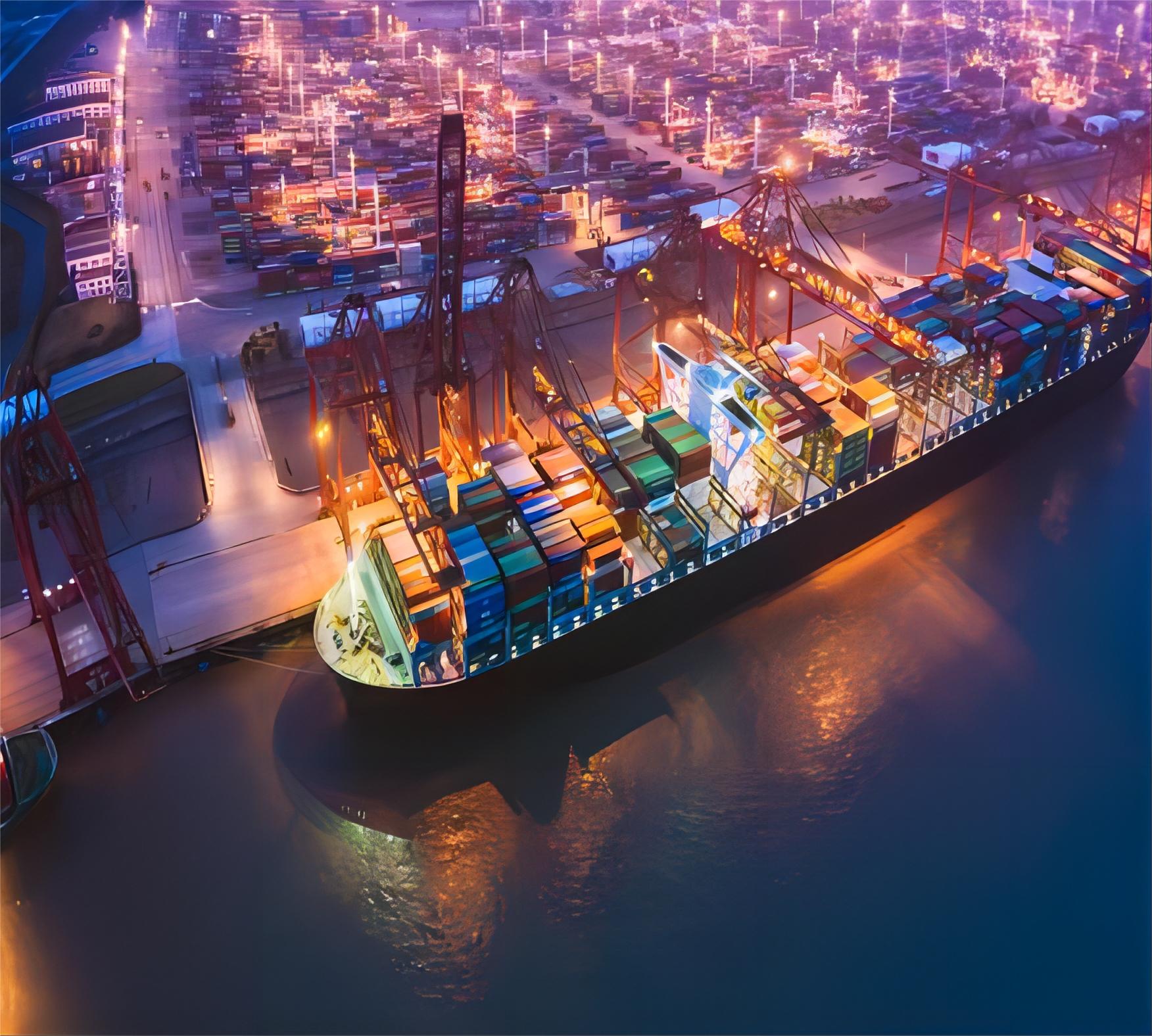
Vietnam’s economy is experiencing robust growth, consequently driving significant infrastructure and industrial development. This expansion includes new roads, ports, energy projects, and burgeoning manufacturing sectors. Therefore, the demand for high-quality, reliable heavy machinery from the United States has surged.
Furthermore, US-made equipment is globally recognized for its durability, advanced technology, and performance. This makes it a preferred choice for Vietnamese companies investing in long-term projects. Consequently, understanding the intricacies of shipping heavy equipment to Vietnam is more crucial than ever for US manufacturers and suppliers.
What Are the Primary Challenges in US Export Heavy Machinery to Vietnam?
Exporting heavy machinery, particularly from the US to Vietnam, presents unique logistical challenges. For instance, regulatory compliance, customs tariffs, and specialized handling requirements demand meticulous attention. Additionally, robust supply chain management is essential to mitigate potential delays and costs.
Moreover, securing heavy machinery for export involves specific preparation, such as dismantling, crating, and proper lashing, to ensure safe transit. Furthermore, navigating diverse cultural and business practices adds another layer of complexity for US manufacturers exporting machinery to Vietnam. Therefore, expert guidance is invaluable.
Understanding Vietnam’s Import Regulations
Vietnam has specific import regulations for various types of machinery, including requirements for import licenses and conformity assessment. For example, used equipment may need pre-shipment inspections and age restrictions often apply. Hence, thorough due diligence on compliance for machinery export is critical.
Similarly, understanding the correct Harmonized System (HS) codes for your machinery is paramount. This ensures accurate tariff assessment and avoids customs delays. Moreover, staying updated on any changes in Vietnam’s trade policies or environmental standards is also vital for smooth operations.
How Does Sea Freight Compare to Other Shipping Options for Heavy Machinery?
When considering the best way to export construction equipment to Vietnam, sea freight remains the most common and cost-effective method for heavy machinery. This option includes Full Container Load (FCL) for standard-sized equipment, or specialized services like Roll-on/Roll-off (Ro-Ro) for wheeled vehicles and breakbulk for oversized or project cargo. Therefore, choosing the right method significantly impacts shipping costs and transit time.
Alternatively, air freight is an option for urgent, high-value, or smaller heavy components, but it comes at a significantly higher cost. Meanwhile, multimodal solutions combining sea and air can offer a balance of speed and cost for specific scenarios. Ultimately, the decision depends on budget, urgency, and the specific dimensions of the cargo.
| Shipping Method | Cost Range | Transit Time | Best For | Limitations |
|---|---|---|---|---|
| Sea Freight (FCL/Breakbulk) | Low to Moderate | 25-40 days | Large, heavy, non-urgent cargo | Slower, potential port congestion |
| Air Freight (Charter/Cargo) | High | 3-7 days | Urgent, high-value, smaller heavy equipment | Very expensive, size/weight restrictions |
| Multimodal (Sea-Air) | Moderate to High | 15-25 days | Balanced speed and cost for specific routes | Complex coordination, higher risk points |
What Documentation is Required for Exporting Heavy Machinery to Vietnam?
Accurate and complete documentation is crucial for smooth logistics for US-Vietnam machinery and customs clearance. Key documents typically include a commercial invoice, packing list, and the bill of lading or airway bill. Furthermore, a certificate of origin is often required, particularly for preferential tariff treatments under trade agreements.
Additionally, depending on the type of heavy machinery, specific import permits, inspection certificates, or conformity declarations may be necessary. For example, used equipment usually mandates additional pre-shipment inspections. Therefore, meticulous preparation of these documents is vital to avoid delays and penalties at Vietnamese customs.
Essential Customs Documents Checklist
Ensuring every document is correctly prepared and submitted is a cornerstone of successful international shipping. Any discrepancies can lead to significant delays, storage fees, or even rejection of the shipment. Consequently, working with experts in customs clearance is highly recommended for complex cargo like heavy machinery.
| Document | Purpose | Key Details |
|---|---|---|
| Commercial Invoice | Value declaration for customs | Accurate description, HS codes, Incoterms |
| Packing List | Details of cargo contents | Dimensions, weight, number of packages |
| Bill of Lading (B/L) / Airway Bill (AWB) | Contract of carriage & proof of ownership | Consignee info, port of loading/discharge |
| Certificate of Origin | Country of manufacture | Required for tariff benefits, e.g., under FTAs |
| Import Permit/License | Regulatory approval for specific goods | Varies by machinery type (e.g., used, specialized) |
| Inspection Certificate | Quality/safety check (if required) | Often for used equipment or specific industries |
Case Studies: Successful US Export Heavy Machinery to Vietnam
Examining real-world scenarios provides practical insights into the complexities and solutions for shipping heavy equipment to Vietnam. These examples highlight the various factors influencing cost, transit time, and overall project success. Moreover, they underscore the importance of tailored logistics planning for diverse types of machinery.
Case Study 1: Large Excavator for Infrastructure Project
| Detail | Description |
|---|---|
| Route | Houston, USA -> Haiphong, Vietnam |
| Cargo | Used Caterpillar 336 Excavator (1 unit), 25 CBM, 38,000 kg |
| Container | Breakbulk (Out-of-Gauge) |
| Shipping Details | Carrier: Maersk, Port of Loading: Houston, Port of Discharge: Haiphong, Route Type: Transshipment via Singapore |
| Cost Breakdown | Ocean Freight: $12,500, Origin Charges: $1,800, Destination Charges: $1,200, Customs & Duties (estimated): $3,500, Total Landed Cost: $19,000 |
| Timeline | Booking to Loading: 7 days, Sea Transit: 32 days, Customs Clearance: 4 days, Total Door-to-Door: 43 days |
| Key Insight | Navigating oversized cargo required meticulous planning and specialized handling equipment at both ports. Timely permit acquisition was critical. (Typical rates as of early 2025) |

Case Study 2: Agricultural Tractors for Rural Development
| Detail | Description |
|---|---|
| Route | Long Beach, USA -> Ho Chi Minh City, Vietnam |
| Cargo | 2 New John Deere 6120M Tractors, 40 CBM total, 10,000 kg each |
| Container | 2 x 40′ Flat Rack Containers |
| Shipping Details | Carrier: COSCO, Port of Loading: Long Beach, Port of Discharge: Cat Lai (HCMC), Route Type: Direct |
| Cost Breakdown | Ocean Freight: $9,800 (for both), Origin Charges: $1,500, Destination Charges: $1,000, Customs & Duties (estimated): $2,800, Total Landed Cost: $15,100 |
| Timeline | Booking to Loading: 10 days, Sea Transit: 28 days, Customs Clearance: 3 days, Total Door-to-Door: 41 days |
| Key Insight | Securing flat rack containers during peak season required early booking. Direct route minimized transit time. (Based on Q3 2024 market rates) |
Case Study 3: Specialized Drilling Rig Components
For highly specialized and oversized items, such as drilling rig components, the expertise in project cargo becomes indispensable. These shipments often involve unique challenges, including abnormal dimensions and weights, requiring customized transport solutions. Therefore, careful planning and coordination are paramount.
| Detail | Description |
|---|---|
| Route | New Orleans, USA -> Vung Tau, Vietnam |
| Cargo | Drilling Rig Mast Section (1 unit), 60 CBM, 55,000 kg |
| Container | Breakbulk (Heavy Lift) |
| Shipping Details | Carrier: OOCL, Port of Loading: New Orleans, Port of Discharge: Vung Tau, Route Type: Transshipment via Hong Kong |
| Cost Breakdown | Ocean Freight: $18,000, Origin Charges: $2,500, Destination Charges: $1,500, Customs & Duties (estimated): $4,000, Total Landed Cost: $26,000 |
| Timeline | Booking to Loading: 14 days, Sea Transit: 38 days, Customs Clearance: 5 days, Total Door-to-Door: 57 days |
| Key Insight | Required heavy lift cranes at both ports and specialized inland transport in Vietnam. Complex customs documentation for energy equipment. (Based on current market rates, Q1 2025) |
Cost-Saving Strategies and Trade-offs for Heavy Machinery Shipments
Optimizing the cost to ship heavy machinery to Vietnam involves several strategic decisions. For instance, evaluating FCL versus LCL for smaller components or accessories can lead to significant savings. Similarly, choosing direct routes versus transshipment can impact both cost and transit time, presenting a clear trade-off.
Furthermore, negotiating favorable Incoterms with your buyer or seller can allocate costs and risks more efficiently. Moreover, optimizing packaging to reduce overall dimensions and weight, where feasible, can lower freight rates. Understanding current logistics trends and seasonal freight rates is also crucial for strategic planning.
Which Option Should You Choose? A Decision Framework
Selecting the optimal shipping method requires a clear understanding of your priorities and cargo specifications. Consequently, a structured decision-making process can help streamline your choices and manage expectations effectively.
If budget is your primary priority, sea freight, particularly FCL or breakbulk, is generally the most economical choice for US export heavy machinery to Vietnam. Consider LCL for smaller, non-urgent heavy components or spare parts. However, be mindful of longer transit times and potential port congestion.
Conversely, if speed is paramount, air freight for critical components or an urgent, smaller piece of heavy equipment is advisable, despite the significantly higher cost. For a balance of speed and cost, a sea-air multimodal solution might be suitable for specific routes and cargo types.
Cargo type also dictates the method. Wheeled vehicles often benefit from Ro-Ro services, while oversized or uniquely shaped equipment typically requires breakbulk or specialized flat rack containers. Always ensure the chosen method accommodates the dimensions and weight of your heavy lift shipping to Vietnam.
Finally, volume thresholds play a role. Shipments over 15 CBM generally become more cost-effective with FCL rather than LCL. Conversely, for smaller volumes, LCL can be a viable option, but consolidating multiple shipments might also be beneficial for overall freight rates.
Choosing the Right Logistics Partner for US-Vietnam Trade Heavy Equipment
Partnering with an experienced freight forwarder is paramount for navigating the complexities of US-Vietnam trade heavy equipment. A reputable logistics provider offers invaluable expertise in documentation, customs regulations, and specialized transport. Therefore, they can significantly streamline the entire export process.
Furthermore, a reliable partner offers end-to-end services, from origin pick-up and proper cargo handling to destination delivery and customs clearance. This comprehensive support minimizes risks, reduces administrative burden, and ensures timely delivery of your valuable machinery. Consequently, it allows you to focus on your core business operations.
Market Trends and Future Outlook for Heavy Machinery Exports
The market for US export heavy machinery to Vietnam is continually evolving, influenced by global geopolitical factors and bilateral trade agreements. For example, ongoing infrastructure projects and industrialization efforts in Vietnam ensure a sustained demand for construction and industrial equipment. Consequently, understanding these dynamics is key for long-term planning.
Moreover, sustainability initiatives and technological advancements are increasingly shaping logistics trends. Exporters should also be aware of seasonal patterns, as freight rates typically increase by 15-25% during August-October peak season due to higher demand. Note: Freight rates are subject to change based on fuel costs, carrier capacity, and seasonal demand. Contact us for a current quote tailored to your specific shipment.
Conclusion: Mastering US Export Heavy Machinery to Vietnam
In summary, successfully navigating the US export heavy machinery to Vietnam market demands a strategic approach to logistics, robust customs compliance, and a reliable freight forwarding partner. By understanding the key considerations and optimizing your shipping methods, you can efficiently tap into Vietnam’s booming industrial sector. Ultimately, informed decisions and expert partnerships are crucial for success in this dynamic trade lane.
Start Your Shipment
Ready to streamline your US export heavy machinery to Vietnam? Do not let logistical complexities slow down your business growth. Contact us today for a personalized consultation and a competitive quote tailored to your specific heavy equipment shipping needs. Our experts are prepared to assist with all your specialized transport requirements.
Request Quote