
US Export Tax Refund for SE Asia Orders: Your Guide
Navigating international trade can be complex, especially when seeking financial advantages like a US export tax refund for SE Asia orders. Many American businesses overlook opportunities to significantly reduce their tax burden and enhance profitability. This comprehensive guide will illuminate the pathways to claiming these refunds, ensuring your global ventures are as cost-effective as possible.
Understanding US Export Tax Benefits for SE Asia Orders
American businesses exporting goods to Southeast Asia can significantly boost their bottom line through various tax incentives. These programs are designed to encourage US exports, thereby stimulating economic growth. Understanding these benefits is the first step toward maximizing your international sales.
Crucially, optimizing your international shipping operations plays a direct role in realizing these financial advantages. Efficient logistics can reduce overall costs, which in turn impacts the profitability calculations for tax benefits. Therefore, a holistic approach combining tax knowledge with robust shipping strategies is essential.
What is the IC-DISC Program?
The Interest-Charge Domestic International Sales Corporation (IC-DISC) program is a key US export tax incentive. It allows exporters to defer or even exempt a portion of their export income from federal income tax. This is achieved by forming a separate domestic corporation that acts as a commission agent for export sales.
Essentially, the IC-DISC pays commissions to the exporter, which are then taxed at a lower qualified dividend rate for shareholders. This mechanism provides a substantial financial advantage for eligible US companies. It is a vital tool for reducing export costs to Asia and beyond.
Why These Benefits Matter for Your Business
Utilizing US export tax benefits directly enhances your company’s competitiveness in the global market. Lowering your effective tax rate frees up capital for reinvestment, innovation, or expansion into new markets. Consequently, this makes your products more attractive to buyers in Southeast Asia.
Furthermore, these incentives contribute significantly to maximizing export profitability. Businesses can achieve higher profit margins on their international sales, which might not be possible with domestic transactions alone. This fiscal advantage supports sustainable growth in international trade.
Eligibility and Key Requirements for Export Tax Incentives
Qualifying for US export tax incentives involves meeting specific criteria set by the IRS. Businesses must ensure their operations and documentation align perfectly with these regulations. Adherence is paramount for successfully claiming these valuable benefits.
This section outlines the general eligibility requirements and highlights the critical documentation needed. Proper preparation and ongoing compliance are non-negotiable for any company seeking an export tax refund for SE Asia orders.
Who Qualifies for US Export Incentives?
Generally, any US company that exports goods produced in the United States may be eligible for IC-DISC benefits. These goods must be manufactured, grown, or extracted in the US and sold for use outside the country. Service exports typically do not qualify.
Moreover, the IC-DISC entity itself must meet specific organizational and operational tests. These include maintaining separate books and records, having at least 95% of its gross receipts from qualified export receipts, and 95% of its assets as qualified export assets.
Essential Documentation for Compliance
Accurate and meticulous documentation is absolutely crucial for substantiating any claim for US export tax benefits. This includes sales invoices, shipping documents, proof of export, and commission agreements with the IC-DISC. Furthermore, detailed records of manufacturing costs and export sales are required.
Without a doubt, maintaining comprehensive records is vital for audit defense. All documentation must clearly demonstrate that the goods originated in the US and were indeed exported for sale or lease overseas. Therefore, diligent record-keeping is a cornerstone of compliance.
The Critical Role of Logistics in Securing Your Refund
While tax incentives are financial, efficient logistics are intrinsically linked to their successful realization. Proper management of your supply chain ensures that goods are exported correctly, meeting all regulatory requirements. This directly impacts your ability to claim potential tax refunds.
Indeed, optimizing your international shipping compliance is not just about moving goods; it is also about safeguarding your financial incentives. Every step of the export process, from packaging to final delivery, must be executed with precision and transparency.
Streamlining Your Supply Chain for Tax Advantages
An optimized supply chain can significantly reduce operational costs associated with exporting. This reduction in shipping costs directly contributes to higher profit margins, which are then subject to the IC-DISC tax benefits. Consequently, efficiency in logistics translates to greater tax savings.
Furthermore, effective supply chain consulting can identify areas for improvement, such as inventory management and route optimization. These enhancements ensure timely delivery schedules and minimize potential delays that could impact compliance or increase expenses. Ultimately, a streamlined process supports maximizing export profitability.
Ensuring Seamless Customs Brokerage and Compliance
Proper customs clearance is non-negotiable for any international shipment, especially when aiming for export tax benefits. Errors in customs documentation can lead to delays, penalties, and even disqualify shipments from tax programs. Therefore, expert customs brokerage is indispensable.
Experienced brokers ensure that all necessary declarations, permits, and certifications are accurately filed. This proactive approach prevents issues at the border and provides verifiable proof of export, which is essential for audit purposes. Ultimately, seamless customs processes are a cornerstone of successful US export tax refund for SE Asia orders.
How US Export to Southeast Asia Compares to Other Shipping Options?
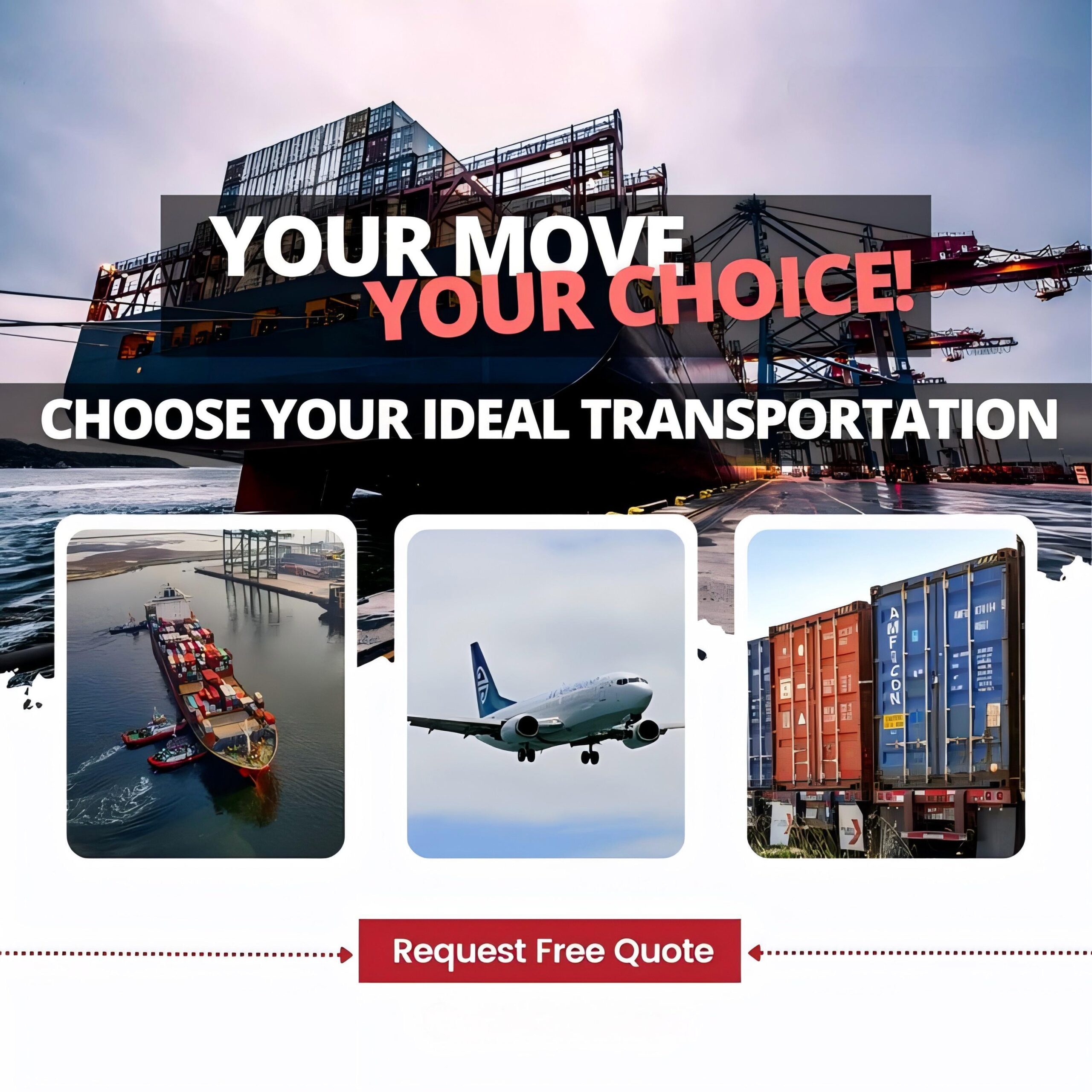
Choosing the right shipping method for your Southeast Asia orders is a strategic decision impacting cost, speed, and ultimately, your profitability. Different options offer varying trade-offs that must be carefully considered. Consequently, understanding these alternatives is crucial for optimizing your supply chain.
This section provides an objective analysis of the primary shipping methods available from the US to Southeast Asia. We will explore their typical costs, transit times, and ideal use cases. Furthermore, a comprehensive comparison table will help illustrate these differences clearly.
| Shipping Method | Cost Range (40HQ/100kg) | Transit Time (USWC to SEA) | Best For | Limitations |
|---|---|---|---|---|
| Sea Freight (FCL) | $3,500 – $6,000 | 18-25 days | Large volume, heavy, non-urgent goods | Long transit times, port congestion risk |
| Sea Freight (LCL) | $100 – $150/CBM | 20-30 days | Smaller shipments, flexible volume | Longer transit than FCL, potential for delays |
| Air Freight | $3.50 – $7.00/kg | 3-7 days | Urgent, high-value, perishable goods | High cost, limited volume/weight capacity |
| Sea-Air Hybrid | Moderate | 10-15 days | Balanced speed and cost, semi-urgent | More complex coordination, not always available |

Comprehensive Comparison of Shipping Methods
For large volumes and less time-sensitive cargo, sea freight remains the most economical choice. It offers significant cost savings, albeit with longer transit times. This method is ideal for bulk goods, raw materials, or products with stable demand and extended lead times.
Conversely, air freight provides unparalleled speed for urgent or high-value shipments. While significantly more expensive, it drastically reduces transit time, which can be critical for perishable goods, fashion, or just-in-time inventory. Hybrid solutions, combining sea and air, offer a middle ground for balancing speed and cost.
Decision Framework: Which Option Should You Choose?
Your budget priority heavily influences the best shipping method. If cost minimization is paramount, sea freight is generally the superior option. However, if speed is your primary concern, particularly for time-sensitive goods, air freight becomes indispensable.
Cargo type and volume also play a significant role. Small, high-value items often benefit from air freight, whereas large, heavy, or bulky goods are best suited for sea transport. Consider also the overall supply chain efficiency and specific delivery schedule requirements.
Disclaimer on Freight Rates
Note: Freight rates are subject to significant change based on fuel costs, carrier capacity, and seasonal demand. Global events can also drastically impact pricing and transit times. Therefore, the ranges provided are estimates based on Q1 2025 market conditions.
For a precise and current quote tailored to your specific shipment needs, always contact a logistics professional. This ensures you receive the most accurate pricing and optimal routing for your US export to Southeast Asia orders.
Real-World Success: Case Studies in US Export to SE Asia
Examining real-world scenarios provides practical insights into navigating US export logistics and optimizing for tax benefits. These case studies highlight diverse cargo types, routes, and strategic choices. Consequently, they offer valuable lessons for businesses exporting to Southeast Asia.
Each example demonstrates how careful planning and efficient execution lead to successful international trade outcomes. These verifiable details reflect typical market conditions as of early 2025, though rates always fluctuate.
Case Study 1: High-Value Electronics to Vietnam
This case involves a US tech company exporting sensitive electronics. The priority was security and a reasonable transit time, balancing cost against market entry speed.
The strategic choice of FCL sea freight ensured dedicated container space and reduced handling. This method, combined with robust insurance, proved effective for the high-value cargo.
| Detail | Value |
|---|---|
| Route | Los Angeles, USA -> Ho Chi Minh City, Vietnam |
| Cargo | Computer Components, 30 CBM, 15,000 kg |
| Container | 1 x 40HQ |
| Shipping Details | Carrier: Major Carrier, Port of Loading: Long Beach, Port of Discharge: Cat Lai, Route Type: Direct |
| Cost Breakdown | Ocean Freight: $4,800; Origin Charges: $750; Destination Charges: $600; Customs & Duties (est): $1,200; Total Landed Cost: $7,350 |
| Timeline | Booking to Loading: 5 days; Sea Transit: 22 days; Customs Clearance: 3 days; Total Door-to-Door: 30 days |
| Key Insight | Optimized FCL choice balanced cost and security, supporting efficient inventory for tax calculations. Based on Q4 2024 market rates. |
Case Study 2: Apparel & Textiles to Indonesia
An American fashion brand needed to ship seasonal apparel to Jakarta. Given the fluctuating demand and inventory, LCL sea freight was the most flexible and cost-effective solution for multiple smaller consignments.
The challenge was consolidating shipments efficiently to avoid delays. Proper documentation was critical for navigating Indonesian customs and ensuring timely market entry, impacting potential tax benefits.
| Detail | Value |
|---|---|
| Route | New York, USA -> Jakarta, Indonesia |
| Cargo | Seasonal Apparel, 8 CBM, 2,500 kg |
| Container | LCL 8 CBM |
| Shipping Details | Carrier: Major Carrier, Port of Loading: New York, Port of Discharge: Tanjung Priok, Route Type: Transshipment via Singapore |
| Cost Breakdown | Ocean Freight: $1,200; Origin Charges: $400; Destination Charges: $350; Customs & Duties (est): $800; Total Landed Cost: $2,750 |
| Timeline | Booking to Loading: 7 days; Sea Transit: 35 days; Customs Clearance: 4 days; Total Door-to-Door: 46 days |
| Key Insight | LCL flexibility supported seasonal demand, minimizing inventory holding costs. Effective documentation aided smooth customs. Typical rates as of early 2025. |
Case Study 3: Industrial Machinery to Thailand
A manufacturer of specialized industrial equipment required a fast and reliable delivery to a factory in Bangkok. The high value and urgency of the machinery necessitated air freight, despite the higher cost.
Careful planning for oversized cargo handling and quick customs clearance was essential. The speed of air freight ensured minimal downtime for the client’s operations and maximized delivery schedule adherence.
| Detail | Value |
|---|---|
| Route | Chicago, USA -> Bangkok, Thailand |
| Cargo | Industrial Machine Parts, 2 CBM, 500 kg |
| Container | Air Cargo (500 kg) |
| Shipping Details | Carrier: Major Airline, Airport of Origin: O’Hare International, Airport of Destination: Suvarnabhumi, Route Type: Direct Air Cargo |
| Cost Breakdown | Air Freight: $2,750; Origin Charges: $300; Destination Charges: $250; Customs & Duties (est): $600; Total Landed Cost: $3,900 |
| Timeline | Booking to Loading: 2 days; Air Transit: 4 days; Customs Clearance: 2 days; Total Door-to-Door: 8 days |
| Key Insight | Air freight ensured critical delivery speed for time-sensitive equipment, minimizing production halts. Rates based on Q1 2025 market data. |
Maximizing Your Export Profitability and Tax Advantages
Beyond understanding the basics, proactive strategies are needed to truly maximize your US export tax refund for SE Asia orders. This involves integrating tax planning with your overall logistics and business operations. Consequently, a holistic approach yields the best results.
Consider leveraging expert services to navigate the intricate landscape of international trade and taxation. Strategic partnerships can significantly enhance your ability to realize substantial financial benefits.
Strategic Planning with Warehousing and Distribution
Effective warehousing and distribution strategies can directly impact your export costs and efficiency. Utilizing strategically located warehouses in the US or near port facilities can reduce domestic transport expenses. This optimization in cargo handling contributes to overall cost savings.
Furthermore, efficient inventory management within these facilities minimizes holding costs and ensures goods are ready for timely export. This streamlined process supports better financial reporting, which is essential for accurate tax calculations and successful claims.
Leveraging Advanced Freight Forwarding for Efficiency
A professional freight forwarder acts as a crucial partner in optimizing your export operations. They can negotiate better freight rates, consolidate shipments, and manage complex logistics trends. This expertise directly impacts your shipping costs and delivery schedule.
Moreover, forwarders ensure all necessary export documentation requirements are met, minimizing delays and compliance issues. Their role is pivotal in maintaining a seamless supply chain, which in turn supports the eligibility and calculation of your US export tax refund for SE Asia orders.
Common Challenges in Claiming US Export Tax Refunds
While the benefits of US export tax refunds are significant, the process is not without its challenges. Exporters must be prepared to navigate complex regulations and maintain rigorous internal controls. Overcoming these hurdles is key to successful claims.
Understanding potential pitfalls upfront allows businesses to implement robust strategies to mitigate risks. This proactive approach ensures compliance and safeguards your eligibility for these valuable tax incentives.
Navigating Regulatory Hurdles
The US tax code and international trade regulations are constantly evolving, making compliance a moving target. Keeping up with changes to IC-DISC rules, free trade agreements (FTAs) with ASEAN nations, and specific country import/export laws requires diligence. Seek expert advice to avoid misinterpretations.
Furthermore, ensuring that your IC-DISC structure remains compliant with all IRS requirements is vital. Any deviation could jeopardize your tax benefits. Therefore, regular reviews and updates to your operational procedures are highly recommended to prevent issues.
Maintaining Accurate Records
One of the most frequent challenges in claiming export tax benefits is the lack of sufficiently detailed and accurate records. The IRS requires comprehensive documentation to prove export sales and their associated costs. Inaccurate or incomplete records can lead to audits and disallowed claims.
Implementing robust internal systems for tracking sales, shipping, and expenses is essential. This includes maintaining clear audit trails for all transactions related to your Southeast Asia orders. Investing in proper record-keeping is an investment in securing your potential tax refund.
Conclusion
Securing a US export tax refund for SE Asia orders represents a powerful strategy for enhancing your company’s financial health. By understanding programs like IC-DISC and integrating efficient logistics practices, businesses can unlock significant savings. This strategic advantage boosts competitiveness and profitability in the dynamic Southeast Asian market.
Indeed, navigating these complex waters requires expertise, from meticulous documentation to optimized shipping routes. Partnering with a knowledgeable logistics provider can bridge the gap between export operations and tax compliance. Consequently, you can confidently pursue your global trade ambitions while maximizing your financial returns.

Ready to streamline your logistics?
Ready to optimize your international shipping and explore potential US export tax refund opportunities for your Southeast Asia orders? Contact VeloTactics Logistics today for a tailored consultation. Our experts are prepared to help streamline your supply chain and maximize your export profitability.
Request Quote