
Table of Contents
Expanding into European markets offers unmatched growth potential for American businesses, but success depends on understanding every detail of US export to Europe. From customs paperwork to transit time and freight options, each step influences profitability and delivery efficiency. With expert coordination from VELOTACTICS LOGISTICS, exporters can simplify global trade, reduce costs, and ensure every shipment meets EU import standards.
Why Exporting to Europe Is So Important for US Businesses
Europe remains one of the largest destinations for US exports, with annual trade exceeding $350 billion. The region’s diverse industries — from automotive to pharmaceuticals — create vast demand for American technology, agricultural products, and energy.
| Key European Markets | US Export Value (USD Billion) | Top Exported Goods |
|---|---|---|
| Germany | 77 | Machinery, vehicles, aircraft |
| Netherlands | 63 | Chemicals, electronics |
| France | 52 | Aerospace, pharmaceuticals |
| Italy | 35 | Machinery, apparel |
| Spain | 27 | Energy products, foodstuffs |
Exporting to Europe is more than logistics — it’s about navigating regulations, certifications, and shipping methods to maintain consistent delivery.
What Documents Are Required for US Export to Europe?
Documentation is the backbone of any international shipment. Exporters must ensure accuracy to comply with both US and EU regulations.
| Document | Description | Required By |
|---|---|---|
| Commercial Invoice | Declares goods’ value and origin | Customs authorities |
| Packing List | Lists cargo details and dimensions | Freight forwarder |
| Shipper’s Export Declaration (EEI) | Filed electronically via AES | US Census Bureau |
| Certificate of Origin | Confirms US origin for EU customs | Exporter or chamber |
| Export License | Required for restricted goods | BIS/DDTC |
| Insurance Certificate | Confirms cargo coverage | Carrier or insurer |
Exporters often rely on Customs Brokerage partners to avoid delays and ensure all documents meet EU import compliance standards.
How to Choose the Best Freight Method from the US to Europe
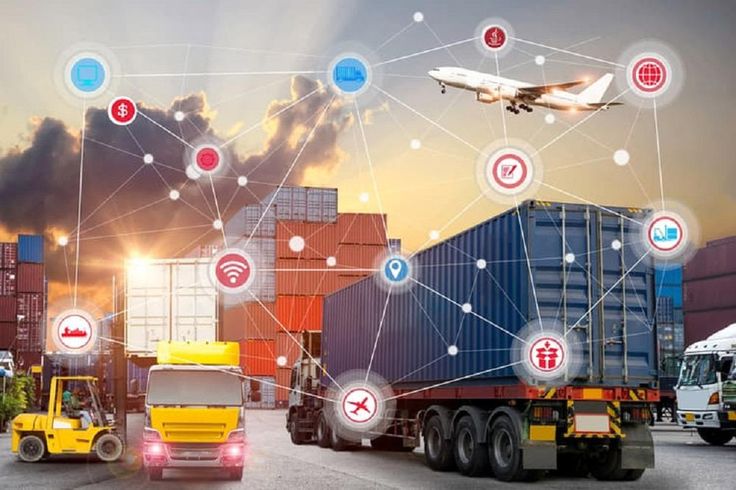
The choice between air, sea, and express shipping depends on your budget, timeline, and cargo type.
| Method | Avg. Cost (USD/CBM) | Transit Time | Best For | Key Advantage |
|---|---|---|---|---|
| Sea Freight | 1–3 | 20–35 days | Large & heavy cargo | Cost-effective |
| Air Freight | 8–12 | 3–7 days | Urgent or high-value goods | Fast & reliable |
| Express Freight | 10–15 | 1–5 days | Samples or small parcels | Speed & convenience |
| Door To Door | Custom | 10–30 days | SMEs & e-commerce | Simplified process |
Most exporters use Sea Freight for bulk goods and Air Freight for time-sensitive shipments.
👉 Optimize your next Europe shipment with VELOTACTICS — Send Inquiry →
What Are the Main Ports and Routes for US Export to Europe?
Strategic port selection directly impacts delivery time and cost.
| US Port of Departure | European Destination | Average Transit Days | Main Cargo |
|---|---|---|---|
| New York | Rotterdam | 16–20 | Machinery, textiles |
| Savannah | Antwerp | 20–25 | Chemicals, furniture |
| Houston | Hamburg | 25–30 | Energy products |
| Los Angeles | Valencia | 30–35 | Electronics, apparel |
| Charleston | Le Havre | 22–27 | Automotive parts |
Efficient routing via trusted carriers helps exporters reduce demurrage charges and customs delays. VELOTACTICS manages these through optimized Door To Door operations.
How to Calculate Shipping Costs for US Export to Europe
Shipping costs vary based on weight, volume, destination, and mode. Below is a simplified estimate:
| Cargo Type | Weight/CBM | Sea Freight | Air Freight |
|---|---|---|---|
| Small Electronics | 1 CBM / 250 kg | $300 | $1,200 |
| Apparel | 5 CBM / 1,000 kg | $1,000 | $4,800 |
| Machinery Parts | 10 CBM / 2,500 kg | $2,500 | $9,000 |
| Furniture | 25 CBM / 5,000 kg | $4,200 | $12,000 |
Additional costs include insurance, documentation, and customs handling — all of which VELOTACTICS manages through its full Service suite.
What Are the EU Customs Procedures for US Exports?
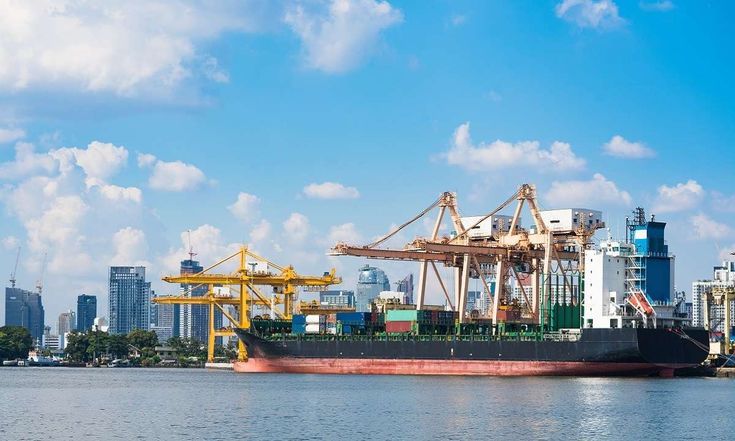
Before goods enter the EU, they undergo customs clearance at the port of arrival. Exporters must provide electronic declarations under the EU Customs Code (UCC).
| Stage | Process | Responsible Party |
|---|---|---|
| 1 | Import declaration submission | Customs broker |
| 2 | Inspection & document verification | EU customs |
| 3 | Tariff classification (HS Code) | Broker/exporter |
| 4 | Duty & VAT assessment | Importer |
| 5 | Goods release | Carrier or consignee |
Delays often occur due to incomplete paperwork or misclassified goods. VELOTACTICS helps mitigate risks with expert document review and digital customs filing.
How Long Does It Take to Ship from the US to Europe?
Transit time depends on port congestion, route, and freight type.
| Route | Shipping Method | Estimated Transit Days |
|---|---|---|
| New York to Rotterdam | Sea Freight | 18–25 |
| Miami to Barcelona | Sea Freight | 23–30 |
| Los Angeles to Hamburg | Sea Freight | 28–35 |
| Chicago to Paris | Air Freight | 3–6 |
| Atlanta to London | Air Freight | 3–5 |
For time-critical goods, Express Service guarantees faster customs clearance and priority handling.
Common Challenges in Exporting to Europe
Even experienced exporters face obstacles when trading with the EU. The main challenges include:
- Complex documentation for multi-country shipments.
- Tariff variations across different EU members.
- Strict environmental and packaging standards.
- Currency fluctuations affecting profitability.
Working with VELOTACTICS LOGISTICS minimizes these issues through proactive planning and dedicated account management.
Case Study: Exporting Medical Equipment to Germany
A Florida-based manufacturer exported diagnostic devices to Germany. The company partnered with VELOTACTICS for Door To Door delivery:
- All documents verified within 48 hours.
- Used air freight with temperature-controlled storage.
- Delivery completed in five days with no customs delays.
- Insurance coverage included full cargo protection.
This case shows that reliable logistics coordination ensures compliance and efficiency for sensitive exports.
👉 Let VELOTACTICS streamline your exports — Send Inquiry →
Forecast: The Future of US Export to Europe
The trade relationship between the US and Europe is expected to grow by 4–6% annually through 2027. Key drivers include:
- Growth in renewable energy and technology exports.
- Adoption of automated customs clearance systems.
- Strengthening digital trade agreements under the US-EU framework.
Exporters embracing innovation and compliance will remain competitive across European markets.

Conclusion:
The process of US export to Europe combines opportunity with complexity. From documentation and freight choices to customs and insurance, each step affects speed and profitability. By partnering with VELOTACTICS LOGISTICS, exporters gain end-to-end visibility, compliance assurance, and optimized delivery — turning cross-Atlantic challenges into growth opportunities.
Get a Quote
Ready to expand your business into Europe? 🌍 Get a customized quote from VELOTACTICS LOGISTICS within 24 hours. Enjoy exclusive rates, faster customs handling, and reliable insurance coverage — request your quote today and start exporting smarter!
FAQ
Machinery, electronics, energy products, and medical equipment dominate US exports to Europe.
Sea freight is ideal for large or heavy cargo, while air freight suits urgent deliveries.
Sea freight takes 20–35 days on average, and air freight 3–7 days, depending on the route.
Exporters need a commercial invoice, packing list, EEI, and certificate of origin.
Yes. Cargo insurance protects against loss or damage during the transatlantic journey.
VELOTACTICS provides full freight coordination, customs clearance, and cargo insurance services.