
Table of Contents
The world economy thrives on US exports and imports, influencing supply chains, consumer prices, and trade relationships worldwide. Whether you’re a small business or a multinational manufacturer, understanding how to optimize your trade flow with expert logistics management from VELOTACTICS LOGISTICS ensures smoother operations, compliance, and savings across every shipment.
What Defines the Core of US Exports and Imports?
US exports and imports represent the foundation of the nation’s economic power. Exports strengthen domestic industries through innovation and competitiveness, while imports offer American consumers access to affordable, diverse products.
| Category | Major US Exports | Major US Imports |
|---|---|---|
| Technology & Machinery | Computers, aircraft parts | Smartphones, chips |
| Energy & Chemicals | Refined oil, plastics | Crude oil, fertilizers |
| Automotive | Cars, auto parts | Engines, electric vehicles |
| Agriculture | Soybeans, grains | Coffee, fruits, seafood |
| Consumer Goods | Apparel, pharmaceuticals | Furniture, electronics |
👉 Optimize your global trade with professional freight solutions — Send Inquiry.
How Does the US Trade Process Work?
From origin to delivery, the trade process involves multiple interconnected steps:
- Documentation – Includes invoices, bills of lading, and customs forms.
- Customs Clearance – Overseen by U.S. Customs and Border Protection (CBP).
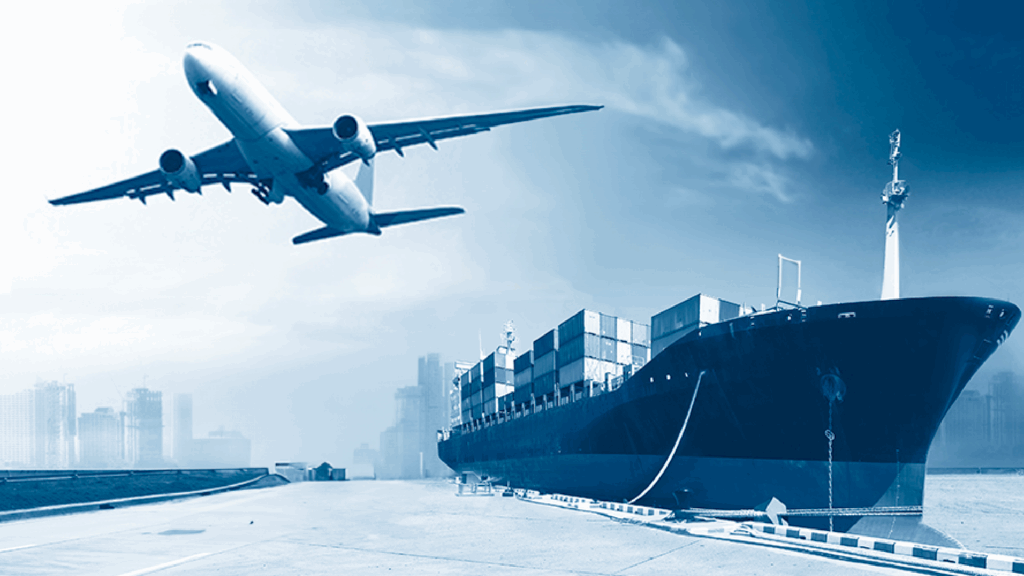
- Transportation & Distribution – Using the most cost-effective routes by sea, air, or land.
- Delivery & Settlement – Ensures timely delivery and correct duty payment.
Proper management of these steps minimizes risk and accelerates delivery.
What Are the Main Trade Routes for US Shipments?
| Trade Route | Primary Focus | Typical Goods | Mode |
|---|---|---|---|
| Asia-Pacific | Electronics, textiles | Imports from China, Vietnam | Sea & Air |
| Europe | Machinery, vehicles | Bilateral goods trade | Sea & Air |
| North America (USMCA) | Automotive & produce | Cross-border trade | Road & Rail |
| South America | Agricultural goods | Processed foods | Sea & Air |
These routes form the backbone of U.S. trade and rely on efficient port and logistics coordination.
What Are the Key Shipping Options for US Trade?
| Method | Cost Range | Transit Time | Pros | Cons |
|---|---|---|---|---|
| Sea Freight | $50–$120/CBM | 20–40 days | Economical for bulk | Slower transit |
| Air Freight | $5–$10/kg | 3–7 days | Fast & secure | High cost |
| Rail Freight | $2–$4/kg | 10–18 days | Reliable & sustainable | Regional limits |
| Truck Freight | $1–$3/mile | 1–5 days | Flexible | Border delays possible |
For high-value or time-sensitive shipments, air freight is preferred. For bulk goods, sea freight provides maximum savings.
👉 Find out which mode fits your cargo best — Send Inquiry.
What Documents Are Needed for Imports and Exports?
| Document | Description |
|---|---|
| Bill of Lading / Air Waybill | Transport document from carrier |
| Commercial Invoice | Declares shipment’s value |
| Packing List | Details product type and quantity |
| Certificate of Origin | Determines applicable tariffs |
| Import Security Filing (ISF) | Required for ocean imports |
| Customs Bond | Ensures duties are paid |
Accuracy is vital — incorrect paperwork can cause delays or fines.
How Are Tariffs and Duties Calculated?
Tariffs are determined using the Harmonized Tariff Schedule (HTS), which classifies goods into categories.
| Product Type | Duty Rate | Responsible Agency |
|---|---|---|
| Electronics | 0–5% | CBP |
| Apparel | 10–32% | CBP |
| Vehicles | 2.5–25% | DOT, EPA |
| Food Items | 5–15% | USDA, FDA |
Leveraging free trade agreements (like USMCA or CAFTA) can significantly reduce costs.
What Are the Leading Partners for US Trade?
| Country | Export Share | Import Share | Main Goods |
|---|---|---|---|
| Canada | 18% | 14% | Energy, vehicles |
| Mexico | 16% | 13% | Machinery, food |
| China | 7% | 17% | Electronics, machinery |
| European Union | 10% | 9% | Pharmaceuticals, chemicals |
These relationships fuel stable trade flows and drive logistics innovations.
How Do Logistics Providers Support US Trade?
Partnering with a reliable forwarder like VELOTACTICS LOGISTICS Services simplifies the entire trade process — from shipment planning to customs clearance and warehousing.
They provide:
- Real-time cargo tracking
- Automated customs filing
- Optimized container load plans
- End-to-end documentation support
Technology-backed logistics minimize risks, ensuring shipments arrive on time and under budget.
What Are the Challenges in US Exports and Imports?
| Challenge | Impact | Solution |
|---|---|---|
| Tariff Fluctuations | Price instability | Use FTAs & diversify sourcing |
| Customs Delays | Missed deadlines | Digital pre-clearance |
| Regulatory Shifts | Risk of non-compliance | Work with licensed experts |
| Supply Chain Disruptions | Rising freight cost | Strategic warehousing |
Effective supply chain planning helps mitigate these risks and ensures resilience.
Real-World Example: Reducing Freight Costs
A Texas-based manufacturer reduced logistics expenses by 20% by consolidating shipments to Mexico and digitizing customs processes through an integrated freight solution.
By partnering with an experienced forwarder, their average transit time dropped from 14 to 9 days.
👉 Simplify your logistics today — Send Inquiry.

Conclusion:
Mastering US exports and imports requires understanding trade policies, tariff systems, and the right freight strategy. Businesses that integrate professional logistics services gain an advantage in speed, reliability, and compliance. With VELOTACTICS LOGISTICS, every shipment is managed with precision and transparency — from documentation to doorstep delivery.
Get a Quote
🚢 Want to optimize your trade shipments?
Get your custom freight quote in under 24 hours and access special rate discounts for new clients.
Trusted by 5,000+ global importers, VELOTACTICS LOGISTICS delivers dependable, compliant, and cost-efficient shipping.
FAQ
Machinery, vehicles, and energy dominate exports; electronics and consumer goods lead imports.
Consolidate shipments, use free trade agreements, and select optimized container routes.
Usually 1–3 business days, depending on inspection and document accuracy.
Air freight suits urgent shipments; sea freight is best for large, non-urgent cargo.
Yes, especially for commercial goods. Licensed brokers manage classification and duty filings.
Automation, e-commerce growth, and sustainability practices are driving next-generation logistics strategies.