

US Import Cargo Scanning Malaysia: Your Guide to Compliance
Navigating the complexities of international trade, especially for US import cargo scanning from Malaysia, presents unique challenges. Importers frequently face stringent regulations, potential delays, and the critical need for robust security measures. This comprehensive guide, brought to you by VeloTactics Logistics, aims to demystify the process, offering insights and solutions to ensure your shipments are compliant, secure, and delivered efficiently.

Why is US Import Cargo Scanning from Malaysia Critical?
Firstly, the United States places a high priority on national security, thus implementing rigorous screening protocols for all incoming cargo. These measures are designed to prevent the entry of illicit goods, contraband, and potential threats, thereby safeguarding both national interests and public safety. Consequently, understanding and complying with these requirements is paramount for any business engaged in US import cargo scanning from Malaysia.
Furthermore, effective cargo scanning significantly mitigates risks within the global supply chain. It provides an essential layer of protection against theft, tampering, and other security breaches, ensuring the integrity of your goods. Moreover, stringent adherence to these security standards helps to avoid costly penalties, delays, and reputational damage for importers, ultimately streamlining the entire import process for Malaysian exports to the USA.
Understanding US Customs and Border Protection (CBP) Requirements
The US Customs and Border Protection (CBP) mandates specific procedures for all imports, including those originating from Malaysia. Key among these is the 10+2 rule, which requires importers and carriers to submit detailed cargo information to CBP prior to shipment loading. This crucial data allows authorities to assess risk proactively, ensuring that cargo security Malaysia to US is maintained from the outset.
Moreover, CBP employs Non-Intrusive Inspection (NII) technologies, such as X-ray and gamma-ray scanning, at various points of entry. These technologies enable officers to examine cargo contents without physically opening containers, thereby expediting the inspection process. Therefore, familiarity with these container scanning regulations USA is vital for smooth customs clearance Malaysia US, helping to prevent unforeseen delays and ensure trade compliance Malaysia US.
The Cargo Scanning Process: From Malaysia to US Ports
The journey of US import cargo scanning from Malaysia typically begins even before the vessel departs. Malaysian ports, in cooperation with US security initiatives, often conduct preliminary screenings. This initial phase helps identify high-risk shipments early, consequently reducing congestion and processing times upon arrival in the United States. Such proactive measures are integral to modern port security protocols.
Upon arrival at a US port, every container undergoes a risk assessment. High-risk containers are then directed for NII scanning, where advanced technology provides detailed images of the cargo. Should anomalies be detected during this non-intrusive inspection Malaysia, a physical examination may be required. This layered security approach is designed to balance efficient cargo handling with stringent security requirements, ultimately enhancing overall supply chain security US imports.
How Does Sea Freight Compare for US Imports from Malaysia?
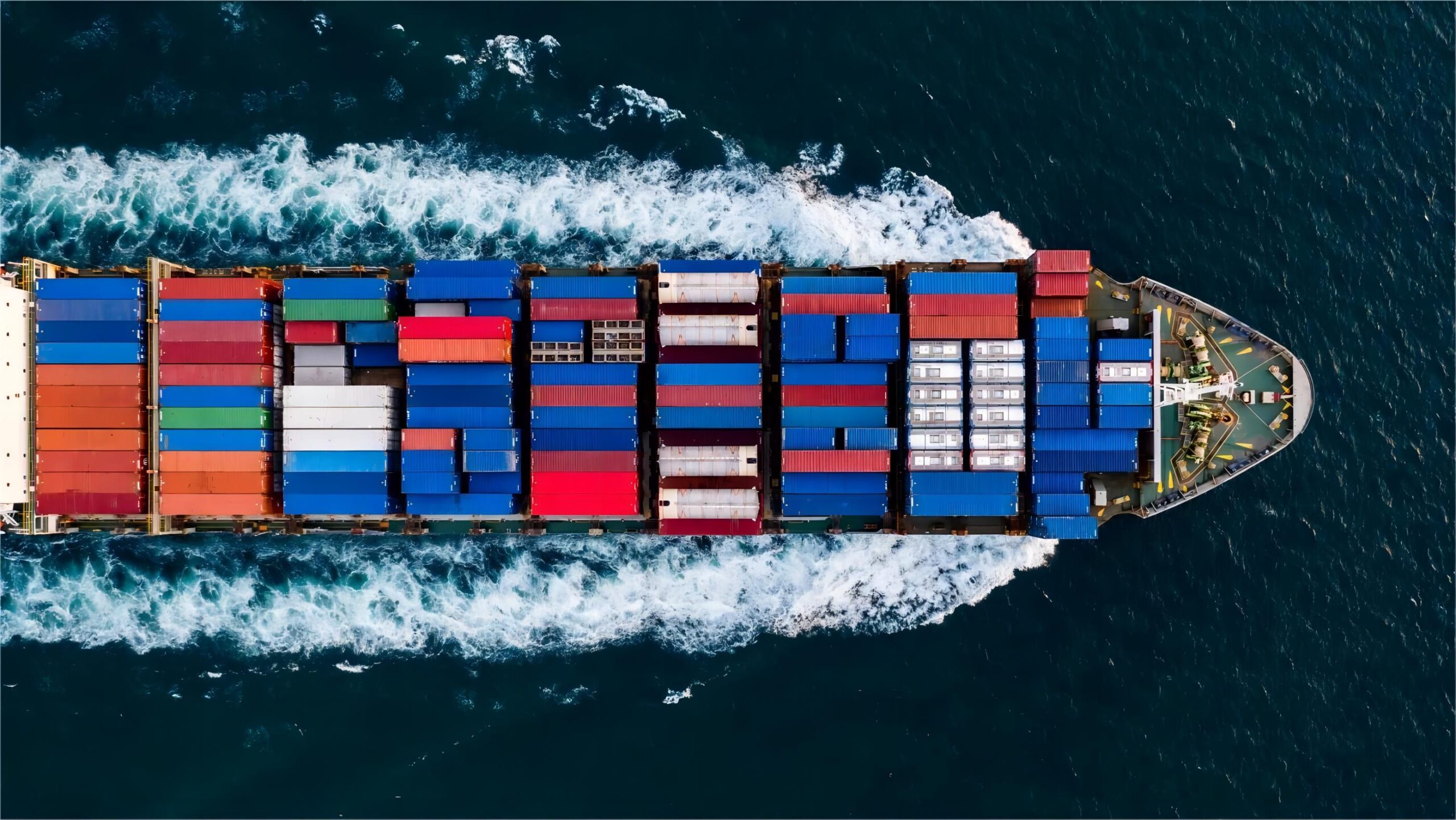
When considering US import cargo scanning from Malaysia, the choice of shipping method significantly impacts transit time and overall shipping costs. Sea freight remains the most popular option for large volumes due to its cost-effectiveness, despite longer transit times. Conversely, air freight offers speed but at a considerably higher price point, making it suitable for urgent or high-value goods. Therefore, evaluating these options is crucial for optimizing your logistics strategy.
For instance, a standard 40HQ container shipped via sea freight from Port Klang to Los Angeles might cost between $3,000 and $4,500, with a transit time of approximately 25-35 days. In contrast, air freight for a similar volume would incur costs upwards of $15,000-$25,000, albeit delivering in just 5-7 days. This disparity highlights the trade-offs involved, prompting careful consideration of your delivery schedule and budget. For comprehensive solutions, explore sea freight options.
| Shipping Method | Cost Range (Port Klang to LA) | Transit Time | Best For | Limitations |
|---|---|---|---|---|
| Sea Freight (FCL) | $3,000 – $4,500 (40HQ) | 25-35 days | Large volumes, heavy goods, cost-sensitive shipments | Longer transit times, potential for port delays |
| Sea Freight (LCL) | $80 – $120/CBM | 30-40 days | Smaller shipments (under 15 CBM), less urgent cargo | Consolidation delays, higher per-unit cost than FCL |
| Air Freight | $5,000 – $10,000+ (per ton, varies) | 5-7 days | Urgent, high-value, perishable, or time-critical goods | High cost, weight/volume restrictions, environmental impact |
Key Challenges and Solutions in Malaysian-US Cargo Logistics
Several hurdles can complicate US import cargo scanning from Malaysia. Customs delays US Malaysia are a common concern, often stemming from incomplete documentation or misdeclared goods. Furthermore, fluctuating freight rates and port congestion can significantly impact shipping costs and delivery schedules. Addressing these issues proactively is essential for efficient logistics.
To overcome these challenges, importers should prioritize meticulous documentation and engage experienced freight forwarders. Implementing robust communication channels with suppliers and logistics partners also helps in managing expectations and responding swiftly to unforeseen issues. Moreover, leveraging technology for real-time tracking and predictive analytics can further enhance operational efficiency, thus reducing import risks Malaysia.
Streamlining Documentation for Faster Clearance
Accurate and complete documentation is the bedrock of smooth international shipping. Any discrepancies can lead to significant customs delays, increased inspection rates, and potential fines. Therefore, ensuring all paperwork is perfectly aligned with both Malaysian export regulations and US import requirements is non-negotiable. This meticulous approach is key to expediting US imports from Malaysia.
Working with a knowledgeable customs brokerage service can prove invaluable. They possess expertise in navigating complex regulatory frameworks, ensuring all declarations, permits, and certificates are correctly prepared and submitted. This professional assistance helps to prevent common pitfalls, ultimately guaranteeing a more secure shipping from Malaysia experience.
| Document Type | Purpose | Key Details |
|---|---|---|
| Commercial Invoice | Proof of sale, value of goods | Buyer/Seller details, item description, quantity, price, Incoterms |
| Packing List | Details of cargo contents | Weight, dimensions, contents of each package, marks and numbers |
| Bill of Lading (B/L) | Contract of carriage, title to goods | Shipper, consignee, notify party, vessel, port of loading/discharge |
| Certificate of Origin | Verifies country of production | Required for preferential tariffs or trade agreements |
| Import/Export Licenses | Regulatory compliance for specific goods | Required for controlled items (e.g., textiles, certain electronics) |
Leveraging Technology for Enhanced Supply Chain Security
Modern logistics trends increasingly rely on advanced technology to bolster supply chain security. For US import cargo scanning from Malaysia, this includes sophisticated tracking systems, real-time data analytics, and AI-powered risk assessment tools. Such innovations provide unparalleled visibility into the movement of goods, allowing for proactive identification and mitigation of potential threats or delays. Consequently, investing in these technologies can significantly streamline operations.
Furthermore, blockchain technology is emerging as a powerful tool for enhancing transparency and traceability across the supply chain. By creating immutable records of every transaction and movement, it helps ensure the authenticity and integrity of cargo. This level of digital security complements physical scanning, offering a holistic approach to protecting your Malaysian export to USA logistics. For more advanced solutions, consider supply chain consulting.
Real-World Scenarios: Successful US Imports from Malaysia
Understanding real-world applications of US import cargo scanning from Malaysia provides valuable context for importers. These case studies highlight effective strategies for managing various types of cargo and overcoming common logistical challenges. They demonstrate how meticulous planning and the right partnerships lead to successful outcomes, even with complex regulations and diverse cargo types. Based on Q3 2024 market rates, these examples offer practical insights into typical shipping scenarios.
Note: Freight rates are subject to change based on fuel costs, carrier capacity, and seasonal demand. Contact us for a current quote tailored to your specific shipment.
Case Study 1: Electronics Components for US Assembly Plant
| Detail | Description |
|---|---|
| Route | Port Klang, Malaysia Long Beach, USA |
| Cargo | Sensitive Electronics Components, 28 CBM, 12,500 kg |
| Container | 1 x 20GP |
| Shipping Details | Carrier: Evergreen; Port of Loading: Port Klang; Port of Discharge: Long Beach; Route Type: Direct |
| Cost Breakdown (Estimated) | Ocean Freight: $2,200; Origin Charges: $450; Destination Charges: $600; Customs & Duties (estimated): $1,800; Total Landed Cost: $5,050 |
| Timeline | Booking to Loading: 5 days; Sea Transit: 28 days; Customs Clearance: 3 days; Total Door-to-Door: 36 days |
| Key Insight | Pre-filing ISF and accurate commodity codes ensured smooth CBP clearance. Non-intrusive scanning was completed quickly due to compliant documentation, avoiding physical inspection. |

Case Study 2: Apparel and Textiles for Retail Distribution
| Detail | Description |
|---|---|
| Route | Penang, Malaysia New York, USA |
| Cargo | Finished Apparel & Textiles, 55 CBM, 8,000 kg |
| Container | 1 x 40HQ |
| Shipping Details | Carrier: Maersk; Port of Loading: Penang; Port of Discharge: Port of New York & New Jersey; Route Type: Transshipment via Singapore |
| Cost Breakdown (Estimated) | Ocean Freight: $4,200; Origin Charges: $600; Destination Charges: $850; Customs & Duties (estimated): $2,500; Total Landed Cost: $8,150 |
| Timeline | Booking to Loading: 7 days; Sea Transit: 35 days; Customs Clearance: 4 days; Total Door-to-Door: 46 days |
| Key Insight | Careful management of transshipment via Singapore saved costs compared to direct services, despite adding a few days to transit. Proactive communication about potential customs delays for textiles was crucial. |
Case Study 3: Rubber Gloves for Medical Supply Chain
| Detail | Description |
|---|---|
| Route | Port Klang, Malaysia Houston, USA |
| Cargo | Medical Rubber Gloves, 20 CBM, 10,000 kg |
| Container | 1 x 20GP (LCL consolidation) |
| Shipping Details | Carrier: COSCO (LCL service); Port of Loading: Port Klang; Port of Discharge: Houston; Route Type: Direct LCL service |
| Cost Breakdown (Estimated) | Ocean Freight: $1,800 (LCL base); Origin Charges: $350; Destination Charges: $550; Customs & Duties (estimated): $1,500; Total Landed Cost: $4,200 |
| Timeline | Booking to Loading: 6 days; Sea Transit: 32 days; Customs Clearance: 3 days; Total Door-to-Door: 41 days |
| Key Insight | LCL consolidation was the most economical choice for this smaller, dense shipment. Collaboration with a customs broker specializing in medical devices ensured compliance with FDA regulations, facilitating quicker clearance after scanning. |
Optimizing Your Logistics Partner for US Import Cargo Scanning Malaysia
Selecting the right logistics partner is arguably the most critical decision for successful US import cargo scanning from Malaysia. An experienced freight forwarder, such as VeloTactics Logistics, possesses in-depth knowledge of both Malaysian export procedures and complex US import requirements. We can navigate the intricacies of trade routes, optimize freight rates, and manage cargo handling with precision.
Furthermore, a reliable partner offers comprehensive services, from origin pickup and documentation preparation to customs clearance and final delivery. This end-to-end management minimizes your administrative burden and ensures consistent compliance, ultimately reducing the likelihood of customs delays. Choosing a partner with a proven track record in Malaysian-US trade will undoubtedly enhance your supply chain’s efficiency and security.
Which Shipping Option Should You Choose? A Decision Framework
Making an informed decision about your shipping method for US imports from Malaysia requires a clear understanding of your priorities. The optimal choice balances speed, cost, and cargo characteristics. Consider these factors to determine the best approach for your specific needs, ensuring efficient and compliant US import cargo scanning from Malaysia.
If budget is your primary concern, sea freight (FCL or LCL) is almost always the most economical choice, especially for larger or heavier shipments. Conversely, if speed is paramount, perhaps for time-sensitive inventory or perishable goods, air freight offers significantly faster transit times. Cargo type also plays a role; delicate or high-value items might benefit from the reduced handling and quicker transit of air freight, while bulk commodities are best suited for sea transport.
Conclusion: Navigating US Import Cargo Scanning from Malaysia with Confidence
Successfully managing US import cargo scanning from Malaysia demands a comprehensive understanding of regulations, robust security measures, and efficient logistics planning. By prioritizing meticulous documentation, leveraging advanced technology, and partnering with an experienced freight forwarder, businesses can navigate these complexities with greater confidence. Ultimately, a proactive approach to compliance and supply chain security ensures timely deliveries and minimizes potential disruptions.
The insights provided in this guide aim to empower importers with the knowledge needed to optimize their shipping strategies. For tailored support and to further enhance your US import cargo scanning Malaysia processes, reaching out to logistics professionals remains the most effective step.
Ready to streamline your logistics?
Ready to streamline your US imports from Malaysia and ensure full compliance with cargo scanning regulations? Contact VeloTactics Logistics today for a personalized consultation. Our experts are prepared to assist you with robust solutions tailored to your specific shipping needs, making your next US import cargo scanning Malaysia experience seamless and secure.
Request Quote