
US Import Clearance from Thailand: Your Complete Guide
Navigating the complexities of US import clearance from Thailand can be a significant challenge for businesses. Understanding the intricate regulations, documentation, and associated costs is crucial for avoiding delays and penalties. This comprehensive guide, brought to you by VeloTactics Logistics, will demystify the process and help you achieve seamless imports.
What is US Import Clearance from Thailand?
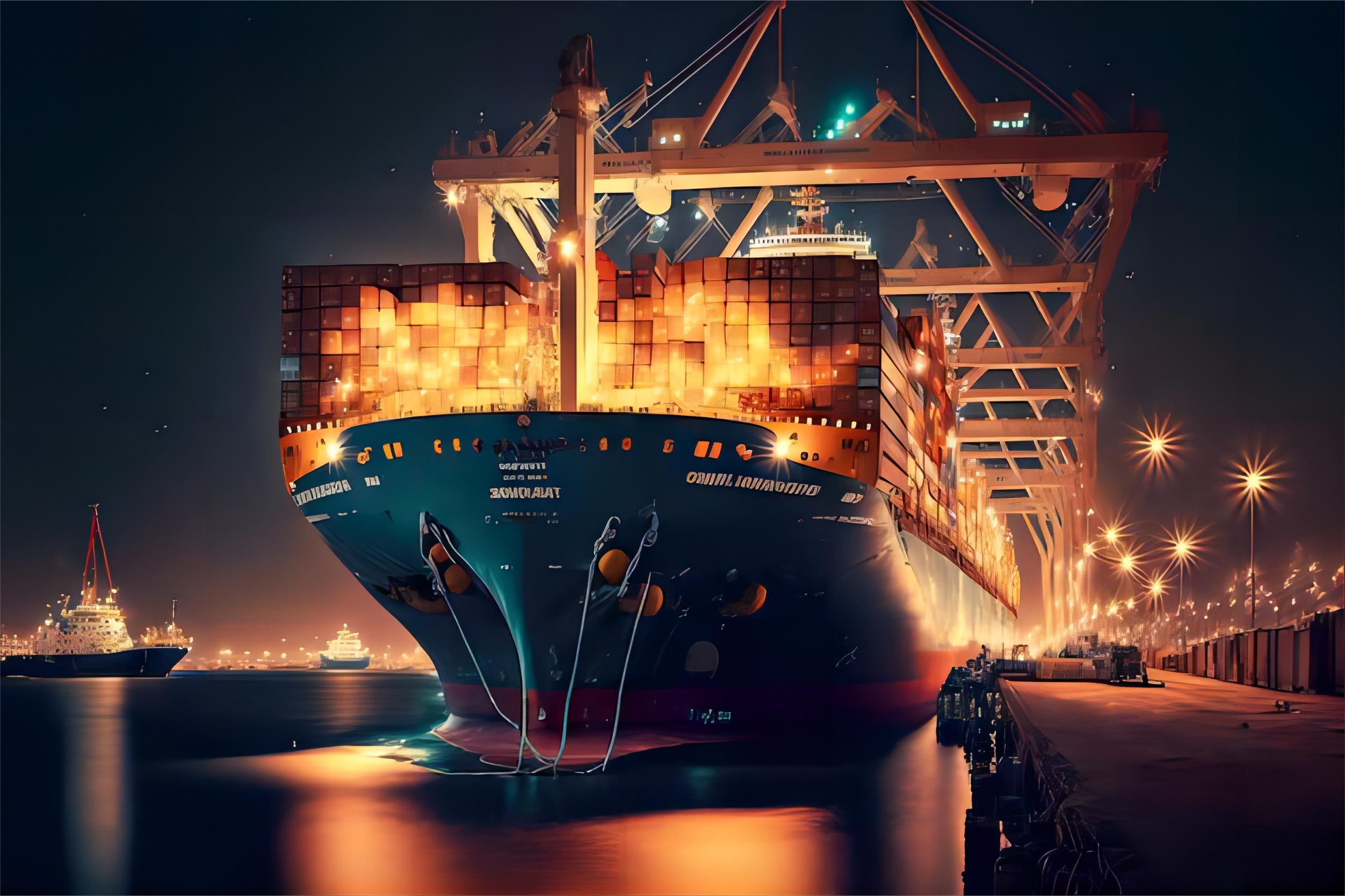
US import clearance from Thailand refers to the mandatory process of getting goods approved by US Customs and Border Protection (CBP) and other government agencies upon arrival. This involves submitting accurate documentation, paying duties and taxes, and ensuring compliance with all US import laws. Furthermore, successful clearance is essential for your products to enter the US market legally.
Ultimately, this process ensures that imported goods meet safety standards, intellectual property rights, and other regulatory requirements. Consequently, understanding each step can significantly streamline your supply chain and prevent costly disruptions. Many businesses seek professional assistance for this intricate procedure, especially for high-volume or specialized cargo.
Key Documentation Required for Thailand to US Imports
Proper documentation is the backbone of efficient US import clearance from Thailand. Therefore, compiling all necessary papers accurately and submitting them on time is paramount. Missing or incorrect documents can lead to severe delays, fines, and even seizure of goods.
Indeed, preparing these documents meticulously can save considerable time and resources. Consider seeking expert guidance for your logistics services to ensure all paperwork is in order. Moreover, maintaining clear records of all submitted documents is a best practice for future reference and audits.
| Document Type | Purpose | Key Information |
|---|---|---|
| Commercial Invoice | Details of goods, value, and sale terms | Seller/Buyer, Description, Quantity, Price, Terms of Sale |
| Packing List | Itemizes contents of each package | Marks, Numbers, Weight, Dimensions, Contents of each package |
| Bill of Lading/Air Waybill | Contract of carriage, title to goods | Shipper, Consignee, Carrier, Port of Loading/Discharge |
| Certificate of Origin | Confirms country of manufacture | Country of Origin, HS Code, Product Description |
| Import License/Permit | Required for certain regulated goods | Specific agency approval (e.g., FDA, FCC, USDA) |
| Customs Bond | Guarantees payment of duties/fees | Importer information, Bond amount, Surety details |
Understanding Customs Duties and Taxes for US Imports
When importing from Thailand, understanding customs duties and taxes is critical for accurate cost estimation and compliance. These charges are typically based on the Harmonized Tariff Schedule (HTS) classification of your goods. Consequently, misclassification can lead to overpayment or underpayment, both of which can result in penalties.
Furthermore, various trade agreements might impact the duty rates applicable to your specific products. For example, some goods may qualify for reduced or zero duties under certain programs. Calculating these costs accurately is a vital step in financial planning for your import operations. Always factor in potential unforeseen charges.
How Does Shipping Method Impact US Import Clearance from Thailand?
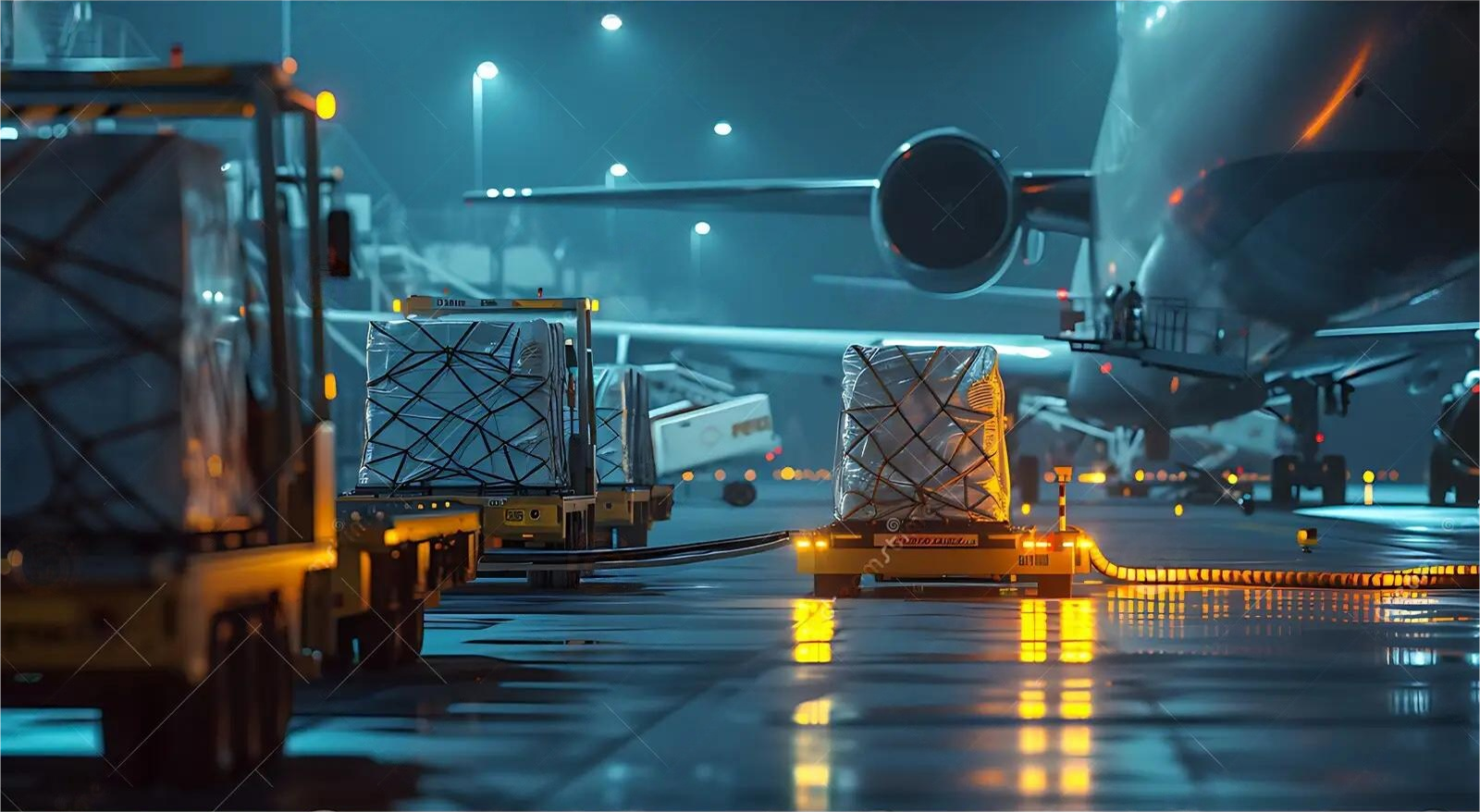
The choice of shipping method significantly influences both the transit time and the import clearance process. Generally, sea freight and air freight are the primary options for moving goods from Thailand to the US. Each method presents distinct advantages and considerations regarding speed, cost, and handling requirements.
Selecting the optimal method depends heavily on your cargo’s characteristics, urgency, and budget. For instance, perishable goods or high-value electronics often necessitate faster, more secure options. Meanwhile, bulk commodities benefit from more economical solutions. Therefore, careful consideration of these factors is essential for effective logistics planning.
| Shipping Method | Cost Range (40HQ/1000kg) | Transit Time | Best For | Limitations |
|---|---|---|---|---|
| Sea Freight (FCL) | $3,000 – $5,500 | 25-35 days | Large, heavy, non-urgent goods | Slower, port congestion risks |
| Sea Freight (LCL) | $80 – $150 per CBM | 30-40 days | Smaller shipments (under 15 CBM) | Longer transit, potential for delays |
| Air Freight (Standard) | $5 – $10 per kg | 5-10 days | Urgent, high-value, perishable goods | High cost, weight/volume restrictions |
| Air Freight (Express) | $10 – $20 per kg | 2-4 days | Extremely urgent, small parcels | Highest cost, strict size limits |
Streamlining Your Import Process: Tips and Best Practices
Achieving efficient US import clearance from Thailand requires proactive planning and adherence to best practices. Many businesses find that partnering with experienced logistics providers significantly eases the burden. Such partnerships offer expertise in navigating complex regulations and can prevent common pitfalls.
Moreover, investing in robust internal processes for documentation and compliance is vital. Regular communication with your suppliers and freight forwarders also ensures everyone is aligned on requirements and timelines. Ultimately, these strategies contribute to a smoother, more predictable import operation.
Consider leveraging customs brokerage services to manage the intricate details of declarations and duty payments. This ensures accuracy and compliance, thereby minimizing the risk of delays. Furthermore, staying informed about changes in trade policies and regulations is a continuous requirement for importers.
How Does Thailand to USA Freight Compare to Other Shipping Options?
When planning imports, comparing various freight options is crucial for optimizing cost, speed, and reliability. The choice between Full Container Load (FCL) and Less than Container Load (LCL) via sea, or opting for air freight, has significant implications for your supply chain. Each method caters to different business needs and cargo types.
For instance, while sea freight is generally the most economical for large volumes, air freight offers unparalleled speed for urgent shipments. Understanding these trade-offs is essential for making informed decisions. Additionally, the specific route and port choices can also influence transit times and overall costs. Therefore, a comprehensive analysis is always recommended before committing to a shipping strategy.
| Shipping Method | Cost Range (Thailand to US East Coast) | Transit Time | Best For | Limitations |
|---|---|---|---|---|
| Sea FCL (40HQ) | $3,800 – $5,800 | 30-38 days | Large, non-urgent, cost-sensitive goods | Slow, susceptible to port congestion |
| Sea LCL (1 CBM) | $120 – $200 per CBM | 35-45 days | Small to medium volumes, cost-effective | Longer transit, consolidation delays |
| Air Cargo (1000kg) | $6,000 – $12,000 | 5-10 days | Urgent, high-value, time-sensitive cargo | High cost, volume/weight limits |
| Express Air Parcel | $1,500 – $3,000 (for 100kg) | 2-4 days | Very small, urgent samples/documents | Highest cost per kg, strict size limits |
Which Option Should You Choose for Your US Import Clearance from Thailand?
Selecting the right shipping and clearance strategy for your US import from Thailand hinges on several key factors. Your budget, desired speed, cargo type, and shipment volume are the primary determinants. Consequently, a tailored approach often yields the best results, balancing efficiency with cost-effectiveness.
Moreover, considering potential risks and market fluctuations is also important. For example, peak seasons or unforeseen global events can impact transit times and freight rates. Therefore, flexibility and robust contingency planning are invaluable in international shipping.
If budget is your top priority, sea freight (LCL for smaller volumes, FCL for larger) is generally recommended. However, for time-sensitive goods or urgent inventory replenishment, air freight solutions are indispensable despite higher costs. For specialized cargo like dangerous goods or temperature-controlled items, specific carriers and routes are necessary.
Furthermore, for shipments exceeding 15 CBM, moving from LCL to FCL often becomes more economical and offers better control over transit. For comprehensive supply chain management, exploring warehousing and distribution services in the US can further optimize your logistics. Ultimately, a strategic blend of these considerations will guide your optimal choice.

Case Studies: Real-World US Import Clearance from Thailand
Examining real-world scenarios provides valuable insights into the complexities and solutions involved in US import clearance from Thailand. These examples highlight how different factors, from cargo type to shipping method, influence the overall logistics process. Moreover, they demonstrate the importance of meticulous planning and expert execution.
These case studies, based on Q1 2025 market rates, illustrate typical challenges and successful outcomes. Note: Freight rates are subject to change based on fuel costs, carrier capacity, and seasonal demand. Contact us for a current quote tailored to your specific shipment.
Case Study 1: Electronics Component Shipment (FCL)
This case involved a large volume of sensitive electronics components, requiring careful handling and efficient transit. The client prioritized cost-effectiveness while ensuring timely delivery for their manufacturing schedule. Consequently, a direct FCL sea freight route was chosen for optimal balance.
| Detail | Description |
|---|---|
| Route | Laem Chabang, Thailand -> Port of Long Beach, USA |
| Cargo | Electronics Components, 55 CBM, 12,000 kg |
| Container | 40HQ |
| Shipping Details | |
| – Carrier/Service | Maersk Line (direct service) |
| – Port of Loading | Laem Chabang |
| – Port of Discharge | Port of Long Beach |
| – Route Type | Direct |
| Cost Breakdown | |
| – Ocean Freight | $4,200 |
| – Origin Charges (THC, documentation) | $350 |
| – Destination Charges (DDC, chassis, port fees) | $600 |
| – Customs & Duties (estimated, 2.5% avg) | $1,500 |
| – Total Landed Cost | $6,650 |
| Timeline | |
| – Booking to Loading | 5 days |
| – Sea Transit | 22 days |
| – Customs Clearance | 3 days |
| – Total Door-to-Door | 30 days |
| Key Insight | Direct FCL service minimized transit time and handling, reducing risk for sensitive cargo. Pre-clearance was key. |
Case Study 2: Apparel Samples (Air Freight)
A fashion brand needed urgent delivery of new season apparel samples for an upcoming trade show. Speed was the absolute priority, despite the higher cost. Therefore, a premium air freight service was selected to meet the tight deadline and ensure market readiness.
| Detail | Description |
|---|---|
| Route | Suvarnabhumi Airport (BKK), Thailand -> Los Angeles International Airport (LAX), USA |
| Cargo | Apparel Samples, 2 CBM, 250 kg |
| Container | Air Cargo Pallet |
| Shipping Details | |
| – Carrier/Service | Cathay Pacific Cargo |
| – Port of Loading | BKK |
| – Port of Discharge | LAX |
| – Route Type | Direct |
| Cost Breakdown | |
| – Air Freight | $1,750 |
| – Origin Charges (handling, documentation) | $180 |
| – Destination Charges (handling, trucking) | $250 |
| – Customs & Duties (estimated, 16% avg) | $500 |
| – Total Landed Cost | $2,680 |
| Timeline | |
| – Booking to Loading | 2 days |
| – Air Transit | 3 days |
| – Customs Clearance | 1 day |
| – Total Door-to-Door | 6 days |
| Key Insight | Expedited air freight ensured samples arrived well before the critical trade show, showcasing new designs on time. |
Case Study 3: Furniture & Decor (LCL)
A small business was importing a diverse range of furniture and home decor items, not enough to fill a full container. Cost-effectiveness was a major concern, but they also needed reliable transit. Hence, LCL sea freight with a reputable consolidator was the chosen solution. This also involved careful coordination and supply chain consulting.
| Detail | Description |
|---|---|
| Route | Laem Chabang, Thailand -> Port of Houston, USA |
| Cargo | Furniture & Decor, 10 CBM, 2,500 kg |
| Container | LCL (Less than Container Load) |
| Shipping Details | |
| – Carrier/Service | COSCO (via Singapore transshipment) |
| – Port of Loading | Laem Chabang |
| – Port of Discharge | Port of Houston |
| – Route Type | Transshipment via Singapore |
| Cost Breakdown | |
| – Ocean Freight (per CBM) | $1,500 |
| – Origin Charges (handling, documentation) | $200 |
| – Destination Charges (CFS, trucking) | $450 |
| – Customs & Duties (estimated, 5% avg) | $800 |
| – Total Landed Cost | $2,950 |
| Timeline | |
| – Booking to Loading | 7 days |
| – Sea Transit | 35 days |
| – Customs Clearance | 4 days |
| – Total Door-to-Door | 46 days |
| Key Insight | LCL was cost-effective for smaller volume, but transshipment added transit time. Clear communication with consolidator was vital. |
Conclusion: Navigating US Import Clearance from Thailand with Confidence
Successfully managing US import clearance from Thailand is a multifaceted process that demands precision, compliance, and strategic planning. From understanding complex documentation to selecting the right shipping method and navigating customs duties, each element plays a critical role. Ultimately, partnering with an experienced logistics provider can transform these challenges into opportunities for efficiency.
By applying the insights and best practices outlined in this guide, businesses can significantly streamline their import operations. This proactive approach not only minimizes risks but also optimizes costs and transit times. Therefore, informed decisions and expert support are invaluable for achieving seamless US import clearance from Thailand consistently.
Ready to streamline your logistics?
Ready to simplify your US import clearance from Thailand? Our expert team at VeloTactics Logistics is here to help you navigate every step. Contact us today for a personalized quote and ensure your shipments arrive smoothly and on time.
Request Quote