us import customs clearance near port thailand

Managing US import customs clearance near port Thailand can be stressful due to strict documentation checks and complex tariff rules. Many importers face delays simply because paperwork is incomplete or filings are inconsistent. However, with proper preparation and clear coordination between Thailand’s ports and US customs, clearance becomes smooth, predictable, and cost-efficient.

What Makes US Import Customs Clearance Near Port Thailand Challenging?

Many importers encounter issues because customs requirements in Thailand and the US differ in structure and terminology. Mismatched values, incorrect HS codes, missing invoices, and inaccurate packing lists are among the most common causes of delay.

Additionally, even though sailings from Laem Chabang and Bangkok Port are frequent, clearance relies heavily on timely ISF filing, AMS accuracy, and tariff classification. Therefore, consistency matters more than speed when preparing for customs.

Why Does Proper Documentation Matter So Much?

Correct documents allow US Customs and Border Protection (CBP) to validate shipment details quickly. Moreover, well-prepared paperwork reduces the chances of inspection or penalty.

Below is a concise reference table:

Customs Documents Checklist

Document TypeRequired ForNotes
Commercial InvoiceCustoms value confirmationMust match HS code declarations
Packing ListCargo measurement/weightCBM must be precise
Bill of LadingShipment releaseAMS info must match documents
ISF FilingUS import requirementMust be filed 24 hours before loading
Certificate of OriginDuty verificationNeeded for certain goods
us import customs clearance near port thailand

How Does Clearance Work for US-Bound Cargo Near Port Thailand?

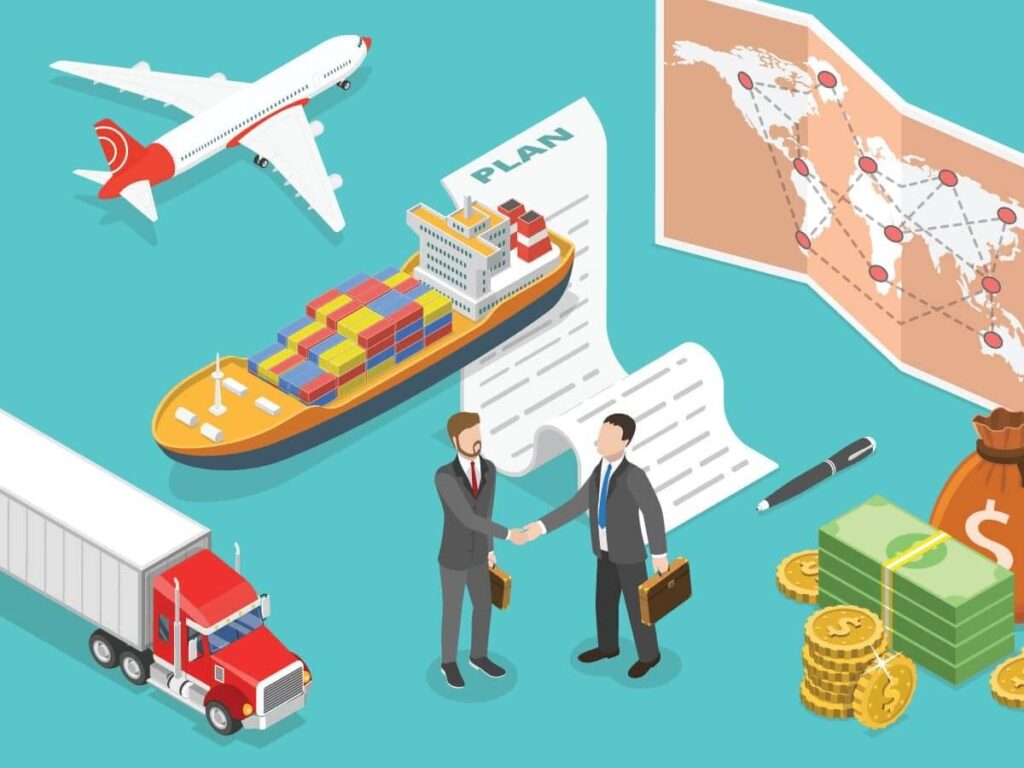
Cargo starts at the origin port in Thailand, where export clearance takes place. After loading, the shipment travels toward the US while CBP reviews ISF, AMS, and cargo details.

Once the vessel arrives, US customs checks documentation, verifies duties, and inspects the shipment if necessary. Consequently, well-prepared cargo usually clears in 1–3 days, while shipments with discrepancies may face delays of 5–14 days.

Which Shipping Method Supports Faster Customs Clearance?

Although most Thailand-to-US shipments move via sea freight, choosing the right mode improves timeline predictability. FCL often experiences fewer inspections, LCL offers flexibility, and air freight provides the shortest transit time.

Shipping Method Comparison

MethodTransit TimeCost LevelClearance SpeedBest For
FCL Sea Freight22–30 daysLowFastLarge shipments
LCL Sea Freight25–35 daysLow–MediumMediumSmall cargo
Air Freight3–7 daysHighVery FastUrgent goods
Express Courier2–5 daysMedium–HighFastSamples & parts

Although air freight is fast, documentation accuracy remains the main factor in achieving quick customs release.

How to Reduce Clearance Delays Effectively?

Several methods help importers shorten the clearance timeline:

  • Verify HS codes before shipping
  • Align invoice values with your supplier
  • Ensure packing list measurements match cargo
  • Prepare ISF early
  • Submit clear product descriptions
  • Maintain strong communication with export agents and US customs brokers

Additionally, coordinating with Thailand-based logistics partners prevents mismatches between on-site information and paperwork submitted to CBP.

Why Working With a Reliable Logistics Partner Matters?

A professional forwarder understands both Thai export procedures and US import requirements. Velotactlcs Logistics offers:

Pre-departure document reviewing

Practical HS code guidance

Consistent status updates

Port coordination in Thailand and at US arrival

End-to-end clearance support

Because of this, businesses experience fewer delays, fewer inspections, and smoother supply-chain operations.

us import customs clearance near port thailand

What Costs Should Importers Expect During Clearance?

Customs clearance involves several standard fees. Planning ahead prevents unexpected charges.

Estimated US Clearance-Related Costs

Fee TypeEstimated RangeNotes
Duty Rate0–20%Depends on HS code
Merchandise Processing Fee0.3464%Minimum fee applies
Customs BondUSD 50–100Required for import
Inspection FeeUSD 150–350Only if inspected
Broker FeeUSD 80–150Covers filing and processing

Therefore, preparing accurate documents remains the simplest way to reduce overall expenses.

How Can Importers Ensure Compliance From Thailand to the USA?

Importers should ensure:

  • Consistent data across all documents
  • Reliable supplier communication
  • Updated understanding of tariff rules
  • Clear product descriptions
  • Regular review of documentation templates

Additionally, creating a master HS code sheet for frequently shipped products helps maintain long-term accuracy.

Real Case Study

What Are the Most Common Mistakes and How to Avoid Them?

Frequent mistakes include:

  • Missing or late ISF filing
  • Incorrect HS code assignment
  • Inconsistent invoice values
  • Missing certificate of origin
  • Poor coordination between partners

Avoiding these significantly reduces clearance time and inspection risks.

us import customs clearance near port thailand

Conclusion

In short, achieving smooth US import customs clearance near port Thailand depends on proper documentation, proactive coordination, and reliable logistics support. When these elements align, businesses enjoy faster cargo release, lower inspection rates, and more predictable supply-chain performance. If you need faster clearance and expert guidance for shipments from Thailand to the US, Velotactlcs Logistics is ready to help streamline the entire process.

Need a quote?

Ready to get started? Contact us now to request a free shipping quote.

Frequently Asked Questions (FAQ)

Clearance typically takes 1–3 days when documents are correct and no inspection is required.

Yes. ISF must be filed at least 24 hours before the vessel loads at the Thai port.

Items such as cosmetics, food, nutritional supplements, and medical devices require FDA notice before arrival.

They can, because mixed cargo consolidation increases screening probability.

Verifying HS codes and double-checking documentation with the supplier and broker helps significantly.