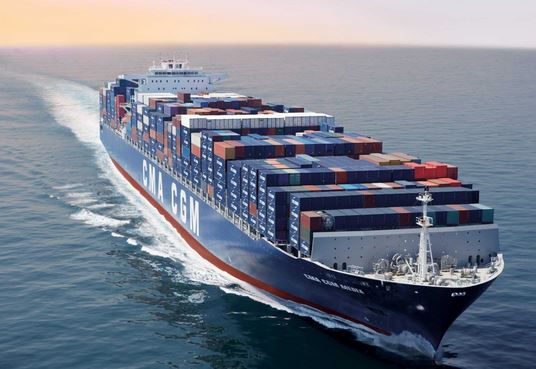
us import delivery to final warehouse vietnam

Managing the final leg of a supply chain is often the hardest part for importers working with Vietnam. Although shipping from Ho Chi Minh, Hanoi, or Hai Phong to the United States appears straightforward, many delays, errors, and extra costs usually happen after the cargo lands in the US. Because final-warehouse delivery involves routing, deconsolidation, documentation, customs coordination, and last-mile trucking, the risks increase when the supply chain is not connected. This guide explains how us import delivery to final warehouse vietnam works—and how to make the entire process smooth, predictable, and cost-efficient.

What Does “Delivery to Final Warehouse” Mean for Vietnam–US Imports?

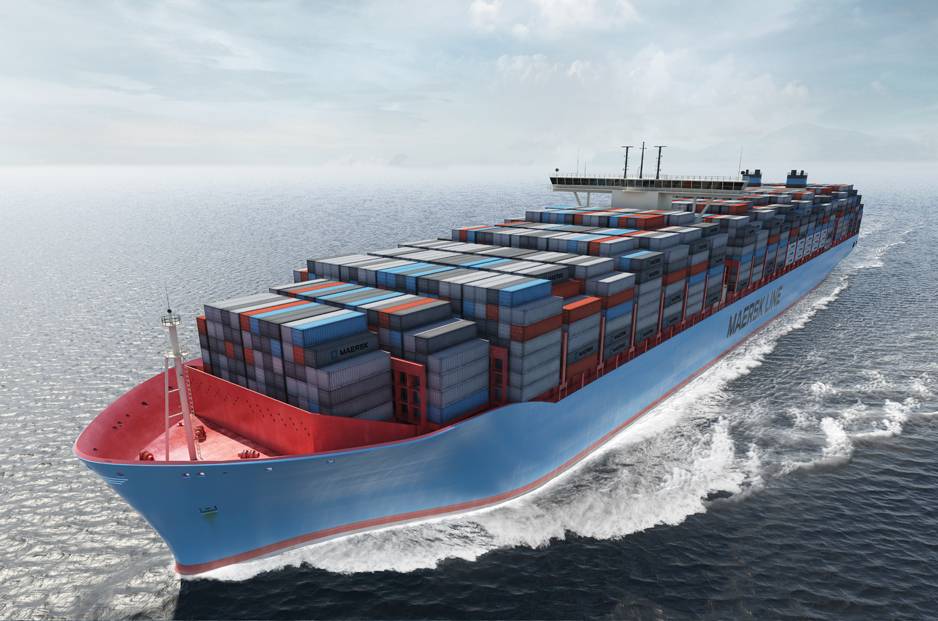
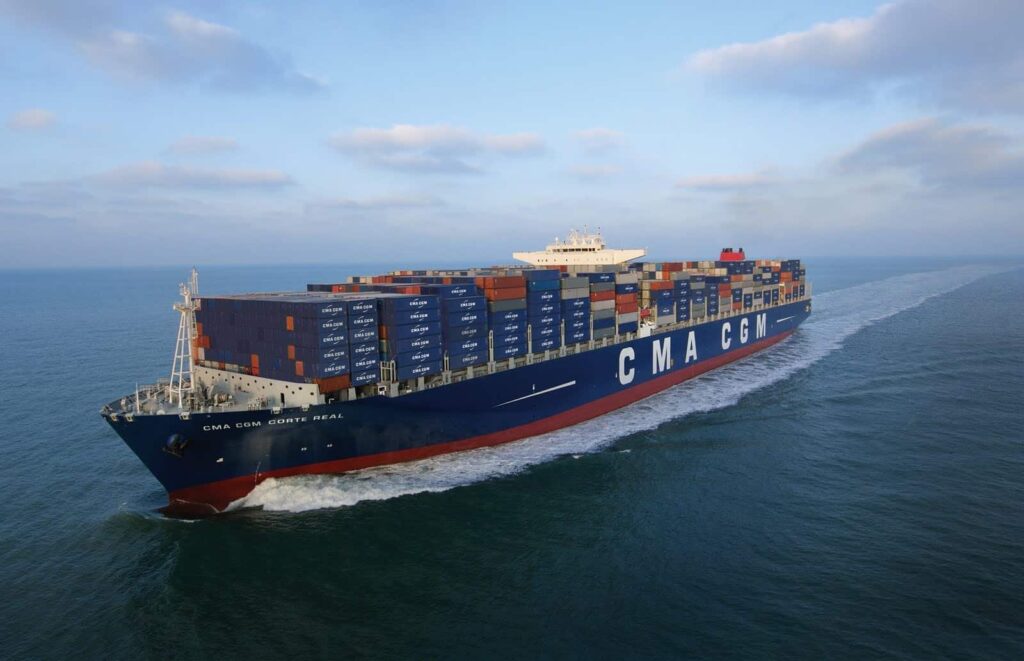
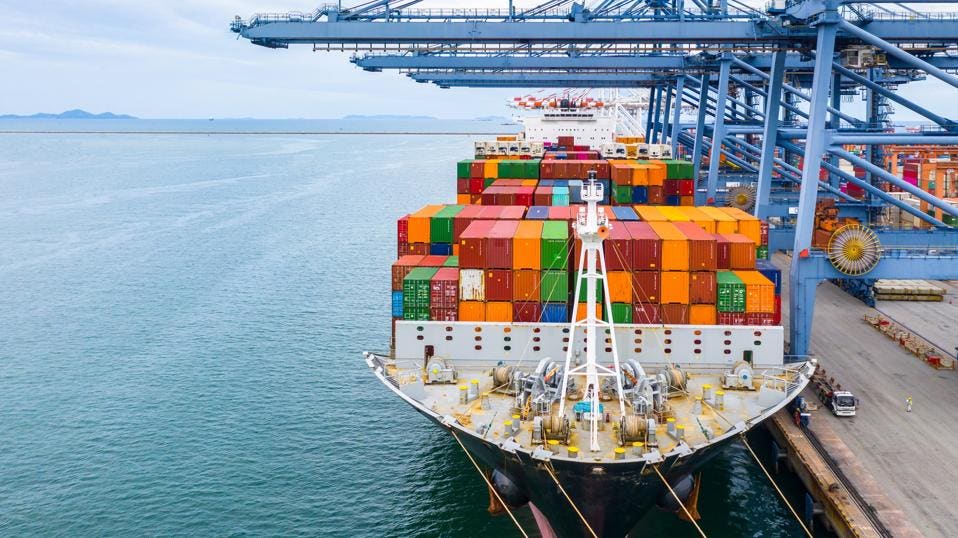
Final-warehouse delivery refers to the full movement from the port of arrival (Los Angeles, Houston, New York, etc.) to the consignee’s warehouse, fulfillment center, or distribution hub. Moreover, this stage is where most real-world supply chain challenges occur because timing, equipment, and document accuracy must perfectly align.

The final-warehouse delivery chain includes:

  • Port terminal container release
  • Customs clearance completion
  • CFS deconsolidation (for LCL shipments)
  • Delivery appointments
  • Trucking or transloading
  • Pallet breakdown or re-labeling
  • Warehouse receiving & check-in

Because these steps involve multiple teams, importers benefit from a centralized logistics partner rather than scattered carriers.

Why Is Delivery to Final Warehouse So Important for Vietnam Importers?

Delivery timing affects inventory availability, stock turnover, and e-commerce sales flow. Additionally, most delays occur during:

  • Terminal congestion
  • Chassis shortages
  • Slow CFS processing
  • Appointment bottlenecks
  • Warehouse receiving limitations
  • Incorrect routing instructions

Therefore, smooth final-warehouse delivery greatly influences overall supply chain performance.

us import delivery to final warehouse vietnam

How Does Routing Work in US Import Delivery From Vietnam?

Routing determines how cargo moves from port to warehouse. The routing choice depends on shipment type, warehouse distance, urgency, and cost.

Common Routing Methods

Routing TypeDescriptionBest For
Port → Warehouse DirectNo stops, fastestFCL shipments
Port → CFS → WarehouseLCL breakdownSmall orders
Port → Transload → WarehouseContainer transfer for speedE-commerce
Port → Rail → WarehouseIntermodal movementMidwest destinations

Additionally, routing must match warehouse appointments to avoid detention and redelivery fees.

What Happens During the Deconsolidation Process?

Most Vietnam exporters ship small-to-medium volumes, making LCL a popular choice. Consequently, deconsolidation at the CFS becomes a key step.

CFS deconsolidation includes:

  • Breaking down consolidated container
  • Carton sorting
  • Palletization
  • Label checks
  • Weight & measurement confirmation
  • Warehouse release notice

Because errors here can cause mismatches in inventory systems, precision is crucial.

How Does US Inland Trucking Connect With the Warehouse Delivery Flow?

Once cargo is released from the terminal or CFS, inland trucking completes the final journey. Moreover, choosing the right trucking model reduces transit time and delivery cost.

Trucking Options for Vietnam Imports

Trucking TypeAdvantagesBest For
FTL (Full Truckload)Fast, secureBulk orders
LTL (Less-Than-Truckload)Cost-efficientPartial pallets
Local Drayage + TransferFlexibleShort-distance delivery
Long-Haul TruckingCross-state deliveriesDistant warehouses

Because warehouse receiving windows are strict, trucking must be coordinated precisely.

What Documents Are Required for Smooth Final-Warehouse Delivery?

Accurate paperwork ensures release and prevents costly CFS storage fees.

Essential Documentation Checklist

DocumentFunction
Bill of LadingShipment identity
Arrival NoticePickup details
Delivery OrderAuthorizes release
Customs EntryMust be cleared first
CFS Release FormFor LCL cargo
Warehouse Appointment SheetSecures receiving slot
Pallet/Carton LabelsWarehouse scanning

Because missing labels or incorrect documents can delay receiving, Velotactlcs Logistics conducts a pre-delivery audit for Vietnam imports.

us import delivery to final warehouse vietnam

What Are the Most Common Challenges in Final-Warehouse Delivery?

The last leg is known for bottlenecks. Furthermore, many issues arise from miscommunication between port handlers, trucking companies, and warehouses.

Typical Problems

  • Warehouse refuses cargo due to wrong appointment
  • Trucks miss cut-off windows
  • Inventory labels don’t match ASNs
  • CFS delays cause late release
  • Terminals require long queue times
  • Incorrect pallet configuration
  • Lack of truck capacity during peak seasons

Because these bottlenecks cost money, importers require proactive monitoring.

Real Case Studies: US Import Delivery to Final Warehouse Vietnam

How Can Importers Speed Up Final-Warehouse Delivery?

To accelerate the process, importers should follow structured steps:

  • Use pre-clearance to avoid port delays
  • Send ASNs to warehouses before cargo arrives
  • Confirm receiving hours
  • Optimize pallet configuration
  • Pre-book drayage in advance
  • Reduce multi-stop deliveries
  • Use regional warehouses when possible

Moreover, transparent communication remains the most effective strategy to shorten the last-mile timeline.

us import delivery to final warehouse vietnam

Why Velotactlcs Logistics Is Ideal for Final-Warehouse Delivery

Velotactlcs Logistics provides unified coordination for Vietnam-origin cargo arriving in the US.

We support:

  • Port drayage
  • CFS deconsolidation
  • Transloading
  • Warehouse appointments
  • Labeling and palletizing
  • FTL/LTL trucking
  • Multi-warehouse distribution

Because we manage all last-mile steps under one system, your US delivery process becomes smoother, faster, and far more predictable.

Conclusion

The us import delivery to final warehouse vietnam process relies on accurate routing, fast deconsolidation, and well-coordinated trucking. When importers simplify these steps, they reduce delays, improve inventory availability, and strengthen overall supply chain performance. Velotactlcs Logistics supports every stage—from port release to warehouse receiving—ensuring your shipments reach their final destination safely and on time.

Need a quote?

Ready to get started? Contact us now to request a free shipping quote.

Frequently Asked Questions (FAQ)

Most deliveries take 1–4 days after port release, depending on distance and CFS speed.

LCL requires deconsolidation, which adds handling time but increases flexibility.

Yes, as long as the warehouse has available receiving windows and proper ASNs.

Congestion slows container release, which delays drayage and warehouse scheduling.

Redelivery is required; coordinated appointments help prevent this.