
Southeast Asia has become one of the fastest-growing sourcing hubs for U.S. importers; however, many businesses still struggle with complex paperwork, regulatory requirements, and inconsistent supplier documentation. Because of these challenges, companies sourcing from Thailand, Vietnam, Indonesia, Malaysia, Singapore, and the Philippines increasingly need a reliable framework to manage us import documentation for SE Asia suppliers without delays or compliance risks.

Why Is Us Import Documentation for SE Asia Suppliers So Important?
Although Southeast Asia offers competitive cost advantages, documentation accuracy often determines whether a shipment moves smoothly—or becomes stuck in customs. Moreover, U.S. Customs and Border Protection (CBP) enforces strict rules on classification, valuation, country-of-origin marking, and security filings. Therefore, importers need a clear structure to manage supplier paperwork from the beginning.
Additionally, SE Asia suppliers use different documentation formats depending on country and industry, which increases the risk of mismatched data and delays. When correctly managed, documentation ensures compliance, protects margins, and improves delivery predictability.
What Documents Do SE Asia Suppliers Need for U.S. Imports?
Since U.S. import procedures require consistent and verifiable data, every importer should confirm the following core documents:
Essential Documentation Checklist
| Document | Purpose | Notes |
|---|---|---|
| Commercial Invoice | Declares product value and description | Must match HS code and CBP requirements |
| Packing List | Shows weight, volume, and carton breakdown | Critical for consolidation shipments |
| Bill of Lading | Shipping contract and receipt | Ocean BL or Air Waybill |
| Country of Origin Certificate | Confirms manufacturing origin | Required for marking compliance |
| ISF 10+2 | Security filing before loading | Must be submitted 24 hours before vessel loading |
| HS Code Classification | Determines duty rate | Use CBP CROSS or expert review |
| Importer Security Documents | Compliance and risk review | Required by U.S. CBP and carriers |
Additionally, importers dealing with electronics, chemicals, food items, medical devices, or machinery may require special permits such as FDA, USDA, or FCC approvals.

How Should Importers Prepare Documentation With SE Asia Suppliers?
Because suppliers across Southeast Asia vary in experience, importers must set clear expectations. Furthermore, providing your suppliers with templates, examples, and formatting guidelines reduces errors significantly.
Best Practices for Supplier Preparation
- Provide invoice and packing list templates
- Share your HS code list with suppliers
- Offer a sample “perfect shipment document set”
- Require suppliers to use consistent product naming
- Verify factory address and tax ID before booking
- Ask for pre-shipment document drafts
Moreover, always confirm that SE Asia suppliers correctly list the Incoterms (FOB, EXW, FCA, CIF, etc.), as incorrect terms create valuation disputes at U.S. customs.
What Common Documentation Errors Cause Delays in U.S. Imports?
Documentation mistakes often trigger customs holds, inspections, or penalty assessments. Additionally, errors also increase warehouse charges, demurrage, and detention.
Frequent Errors Include:
- Incorrect HS codes
- Missing signatures on commercial invoices
- Weight and volume mismatch between invoice and packing list
- Wrong port of loading
- Missing container numbers
- Inconsistent country-of-origin markings
However, nearly all these issues can be prevented with a documentation review process before the container leaves the origin port.
How to Classify SE Asia Supplier Products Correctly for U.S. Import?
Classification accuracy affects duty rates, compliance risk, and customs release speed. Because SE Asia suppliers often guess HS codes rather than using U.S. classification standards, importers should always validate them independently.
HS Code Verification Methods
- Use CBP CROSS database for precedent rulings
- Request a binding ruling for complex items
- Consult a licensed customs broker
- Compare classification among similar products
- Avoid using supplier-provided HS codes as final
Consequently, correct classification prevents duty overpayment and compliance penalties.
What Are the Benefits of Standardizing Documentation for SE Asia Suppliers?
Standardized documentation eliminates confusion, improves communication, and enforces accuracy. Therefore, importers must create repeatable workflows rather than handling documents on a shipment-by-shipment basis.
Key Benefits of Standardization
- Faster customs clearance
- Lower risk of misdeclared value
- Better supplier accountability
- Procedural consistency across the supply chain
- Reduced email back-and-forth with suppliers
Additionally, standardization allows importers to automate parts of their documentation checks using digital tools.
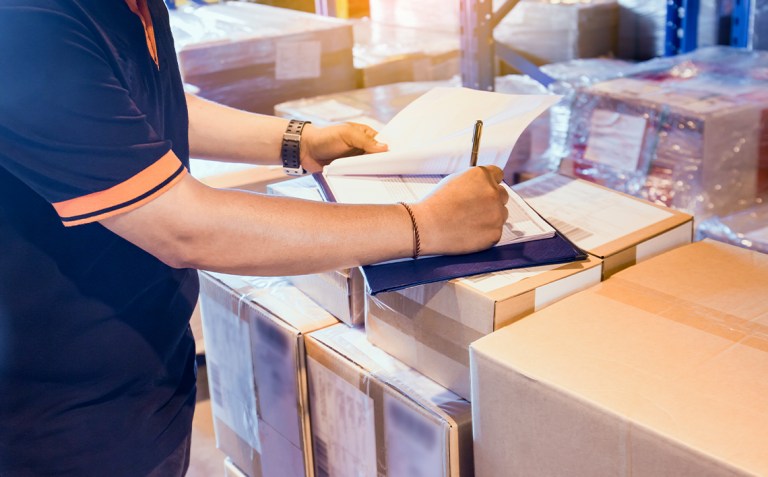
How Velotactics Logistics Helps Streamline U.S. Import Documentation
Velotactics Logistics specializes in handling U.S. import documentation from Southeast Asia, ensuring that suppliers meet compliance standards before shipping. Moreover, our team performs full document verification, HS code checks, ISF filing, and customs preparation, reducing delays and improving shipment transparency.
Our Support Includes:
- End-to-end documentation management
- ISF 10+2 submission
- Supplier coordination and correction handling
- Customs compliance review
- Real-time tracking and milestone updates
Therefore, importers receive smoother customs clearance, predictable delivery timelines, and improved supply chain stability.
Real Case Examples From SE Asia to the U.S.
· Cargo: 18 CBM LED lights
· Method: 40HQ FCL
· Cost: USD 3,200
· Transit Time: 24 days
· Result: Documentation corrected pre-loading; shipment cleared within 1 day of arrival.
· Cargo: 12 tons textile rolls
· Method: LCL consolidation
· Cost: USD 1,450
· Transit Time: 28 days
· Result: Supplier misdeclared weight; Velotactics corrected documents before ISF, preventing penalties.
· Cargo: 9 pallets, mixed SKUs
· Method: Air freight
· Cost: USD 6,700
· Transit Time: 3 days
· Result: HS code review avoided classification dispute and ensured smooth customs clearance.
What Additional Permits May Be Required for SE Asia Suppliers?
Although most general cargo needs only basic documents, several industries require additional compliance checks.
Special Permit Requirements
| Product Type | Required Permit | Governing Agency |
|---|---|---|
| Food / Supplements | FDA Prior Notice | FDA |
| Electronics | FCC Declaration | FCC |
| Wooden Products | Phytosanitary Documents | USDA |
| Cosmetics | FDA Label Compliance | FDA |
| Machinery with Engines | EPA Declaration | EPA |
Furthermore, confirming these permits early prevents expensive port delays and storage fees.

How to Ensure Faster U.S. Customs Clearance for SE Asia Shipments?
Because customs clearance is influenced by document quality, importers should follow this streamlined workflow:
Clearance Optimization Steps
- Submit ISF early
- Validate HS codes
- Use consistent SKU naming conventions
- Review quantity, weight, and value alignment
- Pre-approve supplier invoices
- Engage a proactive customs broker
Additionally, digitalizing your documentation archive provides traceability and reduces errors.
Conclusion
If you want to simplify and accelerate us import documentation for SE Asia suppliers, Velotactics Logistics can manage your paperwork, coordinate with suppliers, and prepare complete compliance files before departure. Our expert team ensures accurate filing, fewer delays, and smoother clearance into any U.S. port. Contact us to build a customized documentation workflow for your SE Asia supply chain.
Need a quote?
Ready to get started? Contact us now to request a free shipping quote.
Frequently Asked Questions (FAQ)
Suppliers should prepare drafts 3–5 days before cargo loading so importers can review and correct errors.x
ISF provides security data to CBP. Filing late can cause penalties and delays, so early submission is essential.
Not recommended. Always verify HS codes independently to avoid duty errors or compliance issues.
Differences in naming, weight, or SKU details often cause mismatches. Standardized templates reduce these issues.
Most do, especially for marking compliance. Ensure the origin matches manufacturing location.