
Importing hazardous goods from Vietnam into the United States requires strict control, precise documentation, and expert handling. Many importers struggle with DG (Dangerous Goods) packing rules, customs requirements, carrier restrictions, and safety protocols. However, with proper planning and the right logistics partner, the process becomes more predictable, compliant, and secure. This guide explains every step of the US import hazardous goods Vietnam workflow—helping you avoid delays, penalties, and safety risks across your supply chain.

What Are Hazardous Goods in US–Vietnam Trade?
Businesses often wonder how US regulations treat hazardous materials originating from Vietnam. Dangerous goods include items that pose risks to health, property, or the environment. Additionally, DG cargo follows strict classifications under UN, IMDG, IATA, and 49 CFR standards.
Common hazardous goods exported from Vietnam include:
- Lithium batteries (UN3480 / UN3481)
- Paints, coatings, solvents
- Aerosols
- Chemicals and adhesives
- Pressurized containers
- Laboratory reagents
- Automotive fluids
Because these items require specialized packing and labeling, importers must follow DG protocols closely to avoid rejection or customs delays.
Why Are Hazardous Goods From Vietnam Strictly Controlled by US Customs?
The United States imposes strict security and safety regulations on all DG shipments. Moreover, dangerous goods are more likely to cause fire, pressure hazards, environmental contamination, or injury during transport. Therefore, CBP, PHMSA, and DOT enforce strict rules to ensure goods are packed correctly and accompanied by accurate DG declarations.
Additionally, shipping lines and airlines apply their own acceptance criteria, making professional DG preparation essential.

How Are Hazardous Goods Classified for US Import?
Because proper DG classification determines packaging, labeling, carrier acceptance, and customs compliance, importers must understand the basic categories.
Hazardous Goods Classification Table
| DG Class | Description | Example Cargo |
|---|---|---|
| Class 1 | Explosives | Fireworks |
| Class 2 | Gases | Aerosols, refrigerants |
| Class 3 | Flammable Liquids | Paints, solvents |
| Class 4 | Flammable Solids | Matches, metal powders |
| Class 5 | Oxidizers | Bleaching chemicals |
| Class 6 | Toxic Substances | Laboratory chemicals |
| Class 8 | Corrosives | Acids, cleaners |
| Class 9 | Misc. Dangerous Goods | Lithium batteries |
Because Vietnam exports many Class 3 and Class 9 materials, verifying the correct classification helps minimize compliance risks.
How Does DG Packaging Work for US Import Hazardous Goods Vietnam?
Packaging plays the biggest role in safety. Moreover, DG packing must comply with UN-certified standards, including:
- UN-rated drums
- UN fiberboard boxes
- Metal pails
- Composite containers
- Special absorbent materials
- Pressure-tested packaging
DG shipments also require:
- Proper UN number marking
- Class label (e.g., Class 3 flame label)
- Orientation arrows
- Net weight / gross weight details
- 24-hour emergency contact information
Velotactlcs Logistics assists importers with DG packaging consultations to ensure compliance before cargo leaves Vietnam.
What Documents Are Required for Importing Hazardous Goods?
Documentation accuracy is crucial for DG cargo because customs officers and carriers screen information carefully.
Required Documents for DG Imports From Vietnam
| Document | Purpose |
|---|---|
| DG Declaration (DGD) | Confirms hazard class & packing |
| SDS (Safety Data Sheet) | Describes chemical properties |
| Commercial Invoice | Lists value & specifications |
| Packing List | Verifies packaging & quantity |
| UN Packaging Certificate | Proves DG container compliance |
| Bill of Lading or Air Waybill | Confirms transport mode |
| Importer Security Filing (ISF) | Required for ocean cargo |
Because mistakes in DG documents often trigger customs holds, importers rely on inspection and verification support before departure.
Why Is Carrier Acceptance Important for DG Cargo From Vietnam?
Carriers—both airlines and ocean lines—follow strict DG acceptance rules. Additionally, some carriers restrict certain classes due to safety risks.
For example:
- Airlines restrict Lithium battery UN3480 Section IA
- Ocean carriers limit certain Class 3 flammable liquids
- Some ports require pre-approval for Class 2 gases
Therefore, booking early and confirming acceptance saves time and avoids costly rejections at origin.
Velotactlcs Logistics works directly with carriers in Ho Chi Minh City, Hanoi, and Haiphong to secure DG slots and reduce uncertainty.
What Are the Best Transport Modes for US Import Hazardous Goods Vietnam?
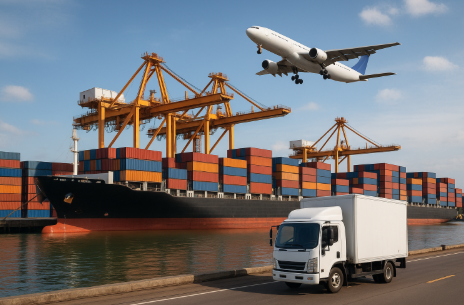
Importers often compare air, sea, and express DG options. The following table helps you select the safest method.
Transport Mode Comparison for DG Cargo
| Mode | Advantages | Limitations | Best For |
|---|---|---|---|
| Air Freight | Fast, secure, stable | Strict DG limits, costly | Lithium batteries, small DG shipments |
| Sea Freight | Cost-efficient, higher capacity | Longer transit time | Bulk chemicals, flammable liquids |
| Express Courier (DG-approved) | Fastest processing | Only certain DG types allowed | Small electronics, samples |
Because DG cargo often demands both safety and predictable timing, choosing the right mode ensures regulatory compliance and cost efficiency.
Real Case Studies: US Import Hazardous Goods Vietnam
- Volume: 2.3 CBM
- DG Class: Class 9 (UN3480)
- Mode: Air Freight
- Transit Time: 4 days
- Issues Found: Incorrect battery test summary
- Solution: Velotactlcs Logistics corrected documentation
- Outcome: Shipment cleared without carrier rejection
- Volume: 11.5 CBM
- DG Class: Class 3
- Mode: Sea Freight
- Transit Time: 23 days
- Issues Identified: Non-UN-rated metal cans
- Action: Repacked into UN-certified containers
- Outcome: Avoided $12,000 in rejected cargo fees
- Cartons: 9,800 pcs
- DG Class: Class 2
- Mode: Sea + Truck
- Transit Time: 28 days
- Issue: Missing pressure test reports
- Solution: Supplier audit + DG re-testing
- Outcome: Shipment passed CBP inspection in 48 hours
How Do Inspections Improve Safety and Compliance?
Inspection services in Vietnam help verify:
- Correct DG labeling
- Proper UN packaging
- Accurate SDS and DG declarations
- Supplier compliance with DG regulations
- Container loading with segregation rules
- Emergency response information
Because DG cargo is high-risk, inspections prevent safety violations and customs penalties.

Should You Combine DG Inspection With Logistics Services?
Yes, because DG logistics involves documentation, packing, equipment selection, routing, and customs entry. Additionally, combining both services provides:
- Faster acceptance by carriers
- Correct documentation from the start
- Reduced discrepancies
- Emergency handling preparedness
- Direct communication with DG-approved depots
Velotactlcs Logistics provides integrated DG logistics covering inspection, packing, booking, and customs clearance, ensuring a safer and more reliable import process.
Conclusion
Importing dangerous materials from Vietnam requires disciplined planning, strict safety controls, and compliant documentation. When handled correctly, us import hazardous goods vietnam operations become more reliable, cost-efficient, and safer for the entire supply chain. Velotactlcs Logistics provides full DG compliance support—from packing to customs coordination—helping your business import hazardous goods with confidence and consistency.
Need a quote?
Ready to get started? Contact us now to request a free shipping quote.
Frequently Asked Questions (FAQ)
Class 3 flammable liquids, Class 9 lithium batteries, and Class 2 aerosols are the most frequently exported hazardous materials.
Not all carriers do; acceptance depends on DG class, packaging type, and routing. Booking early helps avoid rejection.
Inspections are not legally required but significantly reduce the risk of customs holds and safety violations.
Some express carriers accept certain DG classes, mainly lithium batteries and selected aerosols, depending on UN tests.
Documents should be finalized 3–7 days before departure to allow approval from carriers and customs.