
US Import Pharma from Singapore: A Comprehensive Guide
The United States relies heavily on a global supply chain for pharmaceutical products. Therefore, understanding the intricacies of US import pharma from Singapore is crucial for businesses aiming to expand their reach and ensure timely delivery. This guide will meticulously outline the regulatory landscape, logistical challenges, and strategic solutions for successful pharmaceutical imports. For seamless international shipping, consider partnering with VeloTactics Logistics, your expert in complex global supply chains.
Why US Import Pharma from Singapore is Gaining Traction
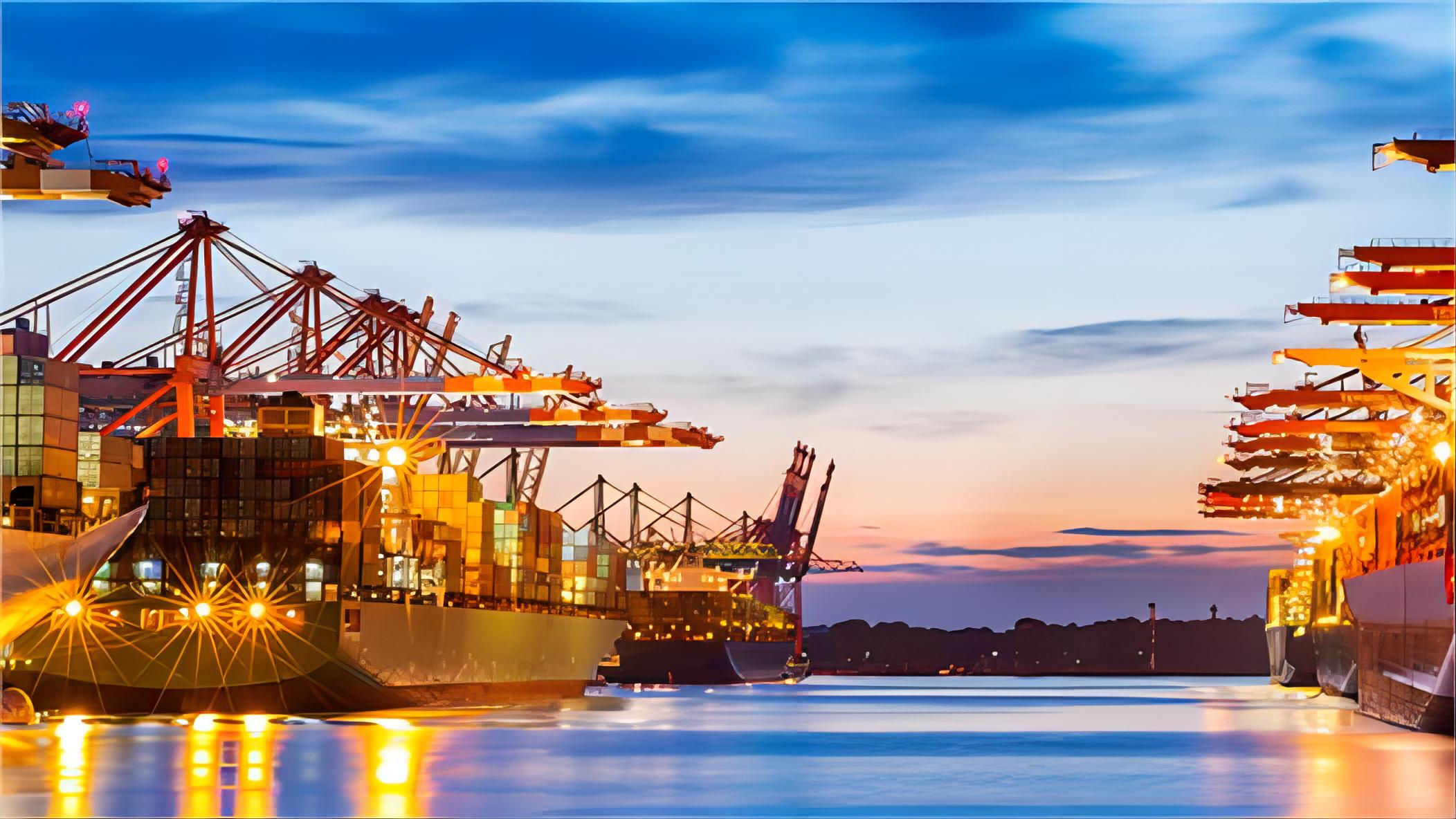
Singapore has emerged as a key hub for pharmaceutical manufacturing and distribution in Asia. Consequently, its strategic location and robust infrastructure make it an attractive source for US pharmaceutical imports. Moreover, the nation’s commitment to high-quality standards and advanced logistics capabilities further enhances its appeal.
Furthermore, Singapore boasts a strong regulatory framework, aligning closely with international Good Manufacturing Practices (GMP). This synergy simplifies compliance for US importers, reducing potential delays and ensuring product integrity. Additionally, the availability of skilled labor and advanced technology supports complex pharmaceutical production.

Navigating Regulatory Compliance for US Import Pharma from Singapore
Importing pharmaceuticals into the US involves navigating a complex web of regulations, primarily enforced by the Food and Drug Administration (FDA). Indeed, compliance is paramount to avoid costly delays, product seizures, or even legal penalties. Therefore, understanding both US FDA and Singapore’s Health Sciences Authority (HSA) requirements is essential.

Key requirements include ensuring that the foreign manufacturer is registered with the FDA and that the imported products meet US quality standards. Furthermore, detailed documentation, including Certificates of Analysis (CoA) and Good Distribution Practice (GDP) adherence, is often mandatory. Consequently, meticulous preparation of paperwork is non-negotiable for smooth customs clearance.
Essential Documentation Checklist for Pharma Imports
Proper documentation is the backbone of compliant pharmaceutical imports. Without a doubt, missing or incorrect paperwork can halt your shipment at the border. Therefore, a comprehensive checklist is vital for every consignment.
| Document | Purpose | Issuing Body | Notes |
|---|---|---|---|
| Commercial Invoice | Details of goods, value, terms of sale | Exporter | Crucial for customs valuation |
| Packing List | Details of contents in each package | Exporter | Aids in cargo inspection |
| Bill of Lading / Air Waybill | Contract of carriage, title to goods | Carrier | Proof of shipment |
| Certificate of Analysis (CoA) | Confirms product specifications and quality | Manufacturer | Ensures product meets standards |
| Certificate of Origin | Declares country of manufacture | Chamber of Commerce/Exporter | Affects tariffs and duties |
| FDA Prior Notice | Notification of food/drug imports | Importer (FDA) | Mandatory for all regulated products |
| FDA Import Entry Form (e.g., FD701) | Detailed product information for FDA | Importer/Broker (FDA) | Specific to pharmaceutical products |
| Temperature Log (if applicable) | Records temperature throughout transit | Carrier/Shipper | Critical for cold chain integrity |
Cold Chain Logistics: A Critical Component for Pharma Imports
Many pharmaceutical products, especially biologics and vaccines, are temperature-sensitive. Consequently, maintaining an unbroken cold chain from Singapore to the US is absolutely critical. Any deviation can compromise product efficacy and safety, leading to significant financial losses and reputational damage.
Specialized equipment, such as reefer containers for ocean freight and active temperature-controlled units for air cargo, is essential. Moreover, real-time temperature monitoring and contingency plans for excursions are vital. For expedited and temperature-controlled shipments, consider expedited air freight services, which offer speed and precision for sensitive cargo.
Furthermore, choosing experienced logistics partners with expertise in pharmaceutical cold chain management is non-negotiable. They can provide validated processes, qualified personnel, and the necessary infrastructure. This includes specialized warehousing and distribution facilities at both origin and destination.

How Does Shipping Pharma from Singapore to the US Compare to Other Options?
When considering US import pharma from Singapore, selecting the appropriate shipping method is paramount. Each option presents distinct advantages and disadvantages concerning cost, speed, and cargo suitability. Indeed, a thorough evaluation is necessary to align with specific supply chain objectives.
For instance, while air freight offers unparalleled speed, its cost can be prohibitive for larger volumes. Conversely, sea freight is more economical but involves significantly longer transit times. Consequently, understanding these trade-offs is crucial for optimizing your pharmaceutical supply chain.
| Shipping Method | Cost Range (per kg/CBM) | Transit Time (Singapore-US) | Best For | Limitations |
|---|---|---|---|---|
| Air Freight (Standard) | $5-15/kg | 5-7 days | High-value, urgent, temperature-sensitive, smaller volumes | High cost, limited capacity for very large shipments |
| Air Freight (Express/Charter) | $15-30+/kg | 2-4 days | Extremely urgent, critical, very high-value cargo | Very high cost, requires specialized handling |
| Ocean Freight (FCL Reefer) | $100-300/CBM (container rate varies) | 25-35 days | Large volumes, less urgent, stable temperature products | Long transit times, port congestion risks |
| Ocean Freight (LCL Reefer) | $150-400/CBM | 30-40 days | Smaller volumes not suitable for air, cost-sensitive | Longer transit, potential for delays due to consolidation |
| Sea-Air Hybrid | Variable, often 2-3x sea freight | 15-20 days | Moderately urgent, balanced cost/speed needs | More complex coordination, potential for transshipment delays |
Which Shipping Option Should You Choose for US Pharma Imports?
Determining the optimal shipping method for your US import pharma from Singapore depends on several critical factors. Therefore, a careful assessment of your priorities is essential. This framework helps guide your decision-making process.
Budget priority: If cost minimization is your primary concern, specialized sea freight solutions, particularly FCL (Full Container Load) reefers, offer the most economical option for large volumes. However, be prepared for extended transit times. LCL (Less than Container Load) sea freight is also viable for smaller, cost-sensitive shipments.
Speed priority: For urgent pharmaceuticals, such as clinical trial materials or short-shelf-life products, air freight is the undisputed choice. Although more expensive, it significantly reduces transit time, ensuring prompt delivery. Express air freight or even charter services are available for critical timelines.
Cargo type considerations: Temperature-sensitive products necessitate robust cold chain solutions, available in both air and sea freight. However, air freight generally provides more consistent temperature control for highly delicate items. Non-temperature-sensitive bulk APIs might be more suitable for standard sea freight.
Volume thresholds for switching methods: Smaller, high-value shipments (e.g., under 1 CBM or 100 kg) often favor air freight. Conversely, shipments exceeding 10-15 CBM typically become more cost-effective via sea freight. Hybrid solutions can bridge the gap for mid-range volumes requiring a balance of speed and cost.
Note: Freight rates are subject to change based on fuel costs, carrier capacity, and seasonal demand. Contact us for a current quote tailored to your specific shipment.
Real-World Scenarios: Successful Pharma Imports from Singapore to US
Examining actual case studies provides valuable insights into the practicalities of importing pharmaceuticals. These examples highlight diverse challenges and effective solutions in the US import pharma from Singapore corridor. Each scenario underscores the importance of strategic planning and expert logistics.
Case Study 1: Expedited Vaccine Shipment to East Coast
This case involved a critical vaccine shipment requiring rapid delivery to a US East Coast distribution center. Maintaining ultra-low temperatures was paramount throughout the journey. Timely execution was crucial to meet public health demands.
| Detail | Description |
|---|---|
| Route | Singapore Changi Airport (SIN) New York JFK Airport (JFK), USA |
| Cargo | Vaccines, 2 CBM, 450 kg (palletized) |
| Container | Active temperature-controlled air freight unit (e.g., Envirotainer RKN e1) |
| Shipping Details | Carrier: Major cargo airline; Port of Loading: SIN; Port of Discharge: JFK; Route Type: Direct Air Freight |
| Cost Breakdown | Ocean Freight: N/A; Air Freight: $6,750; Origin Charges: $350; Destination Charges: $450; Customs & Duties (estimated): $1,200; Total Landed Cost: $8,750 (Based on Q3 2024 market rates) |
| Timeline | Booking to Loading: 1 day; Air Transit: 1 day; Customs Clearance: 1 day; Total Door-to-Door: 3-4 days |
| Key Insight | Direct air freight with active cold chain solutions ensured rapid delivery and temperature integrity for a high-value, critical product. |
Case Study 2: Bulk API Import via Ocean Freight to West Coast
A pharmaceutical manufacturer needed to import a large volume of Active Pharmaceutical Ingredients (APIs) with stable temperature requirements. Cost-efficiency was a primary concern, alongside maintaining product quality over a longer transit period. This required careful planning for comprehensive logistics services.
Choosing ocean freight for this bulk shipment significantly reduced overall transportation costs. Furthermore, selecting a reliable carrier with proven reefer container capabilities was key to success. Proper planning mitigated potential delays at port.
| Detail | Description |
|---|---|
| Route | Singapore Port (SG) Los Angeles Port (LAX), USA |
| Cargo | Active Pharmaceutical Ingredients (APIs), 25 CBM, 15,000 kg (palletized) |
| Container | 40-foot Reefer Container (40’RF) |
| Shipping Details | Carrier: Major ocean carrier; Port of Loading: SG; Port of Discharge: LAX; Route Type: Direct Ocean Freight |
| Cost Breakdown | Ocean Freight: $3,800; Origin Charges: $550; Destination Charges: $700; Customs & Duties (estimated): $2,500; Total Landed Cost: $7,550 (Typical rates as of early 2025) |
| Timeline | Booking to Loading: 7 days; Sea Transit: 18 days; Customs Clearance: 3 days; Total Door-to-Door: 28-30 days |
| Key Insight | Cost-effective ocean freight with dedicated reefer containers proved ideal for bulk, temperature-stable APIs, balancing budget and quality. |
Case Study 3: Specialty Drug Import with Hybrid Solution
This scenario involved a specialty drug requiring moderate urgency and precise temperature control, but at a lower cost than pure air freight. Therefore, a hybrid sea-air solution was explored to achieve the optimal balance. This strategy leveraged the strengths of both transport modes.
The initial sea leg from Singapore to a transit hub in the Middle East or Europe allowed for cost savings on the bulk of the journey. Subsequently, air freight completed the final leg to the US, accelerating delivery. This approach provides flexibility for specific product needs.
| Detail | Description |
|---|---|
| Route | Singapore (SG) Dubai (DXB) by Sea Chicago (ORD), USA by Air |
| Cargo | Specialty Pharmaceutical, 5 CBM, 1,200 kg |
| Container | Reefer container (sea leg), active temperature-controlled unit (air leg) |
| Shipping Details | Carrier: Multiple carriers; Port of Loading: SG; Transshipment: DXB; Port of Discharge: ORD; Route Type: Sea-Air Hybrid |
| Cost Breakdown | Ocean Freight: $1,200 (SG-DXB); Air Freight: $4,800 (DXB-ORD); Origin/Transshipment Charges: $600; Destination Charges: $500; Customs & Duties (estimated): $1,800; Total Landed Cost: $8,900 (Industry average for this route, Q4 2024) |
| Timeline | Booking to Loading: 5 days; Sea Transit: 10 days; Air Transit: 3 days; Customs Clearance: 2 days; Total Door-to-Door: 20-22 days |
| Key Insight | A sea-air hybrid approach offered a balanced solution for moderately urgent, temperature-sensitive cargo, optimizing both cost and speed. |
Mitigating Risks and Ensuring Quality in Pharma Imports
Importing pharmaceuticals carries inherent risks, from supply chain disruptions to regulatory non-compliance. Therefore, robust risk management strategies are indispensable. Proactive identification and mitigation of these risks safeguard product quality and business continuity.
Indeed, comprehensive insurance coverage, supplier qualification, and continuous monitoring of logistics trends are vital. Furthermore, having a contingency plan for unforeseen events, such as port congestion or extreme weather, is crucial. Partnering with a logistics provider offering expert customs brokerage can significantly reduce compliance risks.
Partnering for Success: Your Logistics Provider for US Import Pharma from Singapore
Given the complexities, partnering with an experienced logistics provider is not merely an option, but a necessity. A specialized partner offers expertise in regulatory compliance, cold chain management, and efficient customs clearance. Consequently, they streamline the entire import process.
Look for a provider with a proven track record in pharmaceutical logistics, global reach, and advanced technology for tracking and monitoring. Such a partner can act as an extension of your supply chain, ensuring seamless and compliant US import pharma from Singapore operations. Moreover, they can offer valuable insights into logistics trends and cost-saving strategies.
Conclusion: Mastering Your US Import Pharma from Singapore Strategy
Successfully navigating the landscape of US import pharma from Singapore requires a multifaceted approach. This involves a deep understanding of regulatory compliance, meticulous cold chain management, and strategic selection of shipping methods. Furthermore, leveraging technology and partnering with experienced logistics providers are key drivers of success.
By implementing these strategies, businesses can ensure the safe, compliant, and cost-effective import of vital pharmaceutical products. Ultimately, a well-executed import strategy strengthens your supply chain and supports public health initiatives. Indeed, a robust plan for US import pharma from Singapore is an investment in future growth.
Get Your Shipping Quote Today
Ready to optimize your US import pharma from Singapore operations? Contact us today for a personalized consultation and a tailored shipping quote. Our experts are prepared to assist you with every aspect of your pharmaceutical logistics needs. Learn more at VeloTactics Logistics.
Request Quote