
US Import Seafood from Vietnam: An Essential Logistics Guide
The United States boasts a significant appetite for diverse, high-quality seafood, making Vietnam an increasingly vital sourcing nation. However, navigating the complex landscape of US import seafood from Vietnam demands a thorough understanding of regulations, logistics, and market dynamics. This comprehensive guide provides critical insights to streamline your supply chain, ensuring efficiency and compliance, and for robust logistical support, consider VeloTactics Logistics.
Why Source Seafood from Vietnam for US Import?
Vietnam has emerged as a powerhouse in the global seafood market, consistently offering a wide array of products highly sought after by US consumers. Indeed, its strategic location and extensive coastline contribute significantly to a thriving aquaculture and fishing industry. This makes the country an attractive option for businesses looking to diversify their sourcing for US import seafood from Vietnam.
Furthermore, Vietnamese seafood, particularly shrimp, pangasius, and tuna, is renowned for its quality and taste. Many Vietnamese producers adhere to international food safety standards, providing confidence to importers. Consequently, this focus on quality ensures that products meet the stringent requirements of the American market, fostering strong trade relationships.
Key Regulations and Compliance for US Import Seafood from Vietnam
Importing seafood into the US from Vietnam involves navigating a strict regulatory framework designed to ensure food safety and environmental protection. Therefore, understanding and complying with these regulations is paramount to avoid delays and penalties. Proper documentation and adherence to specific guidelines are non-negotiable for a smooth import process.
Moreover, the Food and Drug Administration (FDA) mandates that all seafood products meet US public health standards. Importers must file prior notice and ensure products are from FDA-registered facilities. Additionally, the National Oceanic and Atmospheric Administration (NOAA) oversees seafood traceability and sustainable fishing practices, including the critical Lacey Act provisions. These requirements are vital for legal entry and distribution.
FDA Requirements for Imported Seafood
All seafood entering the US must comply with FDA regulations, which cover everything from processing standards to labeling. Therefore, importers must ensure their Vietnamese suppliers maintain Hazard Analysis and Critical Control Point (HACCP) plans. Furthermore, adequate record-keeping for each shipment is crucial for demonstrating compliance and facilitating inspections, which can affect the overall delivery schedule.
NOAA and the Lacey Act
The Lacey Act combats illegal wildlife trade, requiring importers to declare the scientific name of the species and harvest location for certain seafood products. Consequently, accurate and verifiable documentation is essential to prove the legality of the catch. This helps ensure sustainable seafood sourcing from Vietnam and protects marine ecosystems, impacting the overall supply chain.
Understanding Shipping Methods for Seafood Imports
Choosing the appropriate shipping method is critical when handling US import seafood from Vietnam, directly impacting transit time, shipping costs, and product integrity. Generally, the decision hinges on factors like cargo volume, urgency, and the seafood’s shelf life. Each method presents distinct advantages and considerations for your logistics trends.
Ultimately, maintaining the cold chain is non-negotiable for seafood. Therefore, regardless of the chosen transport mode, specialized handling and temperature-controlled environments are essential. This ensures the quality and safety of the product from the point of origin to its final destination, safeguarding your investment and reputation.
| Shipping Method | Key Benefit | Considerations | Best For |
|---|---|---|---|
| Air Freight | Speed, reduced transit time | Higher cost, limited volume, potential for delays | High-value, perishable, time-sensitive fresh seafood |
| Sea Freight (FCL/LCL) | Cost-effective for large volumes | Longer transit time, port congestion risks | Frozen seafood, bulk shipments, less time-sensitive cargo |
| Multimodal (Sea-Air) | Balanced speed and cost | More complex coordination, additional transfer points | Semi-perishables, when sea is too slow but air is too costly |
How to Optimize Your Supply Chain for US Import Seafood from Vietnam
Optimizing your supply chain is crucial for efficient and profitable US import seafood from Vietnam. This involves strategic planning, meticulous execution, and robust partnerships. Ultimately, a well-managed supply chain can significantly reduce operational costs and enhance delivery schedules.
Moreover, effective cargo handling and inventory management are vital for perishable goods. Utilizing technology for real-time tracking and temperature monitoring provides transparency and control. Consequently, this proactive approach minimizes spoilage and ensures product freshness upon arrival, which is paramount for frozen seafood import costs.
Selecting the Right Freight Forwarder
A knowledgeable freight forwarder is indispensable for navigating the complexities of international seafood shipping from Vietnam to USA. They can manage everything from customs brokerage to cold chain logistics, offering end-to-end solutions. Look for a partner with proven experience in perishable goods and a strong network in both Vietnam and the US, such as VeloTactics Logistics’ freight forwarding services. A reliable forwarder provides invaluable support, from documentation to dealing with port congestion.
Minimizing Transit Times and Costs
Reducing transit time is often a trade-off with shipping costs. For instance, while air freight offers speed, sea freight provides cost-effectiveness for larger volumes. Consider consolidating shipments through strategic warehousing solutions to reduce per-unit costs. Furthermore, optimizing routes and avoiding peak seasons can also lead to significant savings, influencing overall freight rates.
Mitigating Risks in the Supply Chain
Supply chain risks, including port delays, customs issues, and cold chain breaches, can severely impact seafood imports. Therefore, implementing robust risk management strategies is essential. This includes securing comprehensive cargo insurance and having contingency plans for unforeseen circumstances. Moreover, working with experienced customs brokers can help with efficient customs clearance and reduce potential hold-ups, particularly for complex items like pangasius import USA.
Real-World Scenarios: Successful Seafood Imports
Examining actual import scenarios provides practical insights into the challenges and solutions involved in bringing US import seafood from Vietnam to market. These examples highlight the importance of meticulous planning and adaptive logistics. They demonstrate how different shipping methods and strategies are applied based on specific cargo requirements and market conditions.
Case Study 1: Frozen Shrimp via Sea Freight
| Detail | Description |
|---|---|
| Route | Ho Chi Minh City, Vietnam Los Angeles, USA |
| Cargo | Frozen Black Tiger Shrimp, 24 CBM, 18,000 kg |
| Container | 1 x 40HQ Reefer Container |
| Shipping Details | Carrier: MSC; Port of Loading: Cat Lai Port; Port of Discharge: Port of Los Angeles; Route Type: Direct |
| Cost Breakdown (Typical rates as of Q3 2024) | Ocean Freight: $3,800; Origin Charges: $450; Destination Charges: $600; Customs & Duties (estimated): $1,200; Total Landed Cost: $6,050 |
| Timeline | Booking to Loading: 5 days; Sea Transit: 22 days; Customs Clearance: 3 days; Total Door-to-Door: 30 days |
| Key Insight | Strategic booking during off-peak season secured competitive freight rates, optimizing frozen seafood import costs. Maintaining consistent cold chain monitoring prevented any temperature deviations, ensuring product quality. This was a smooth experience for Vietnam shrimp export to US. |
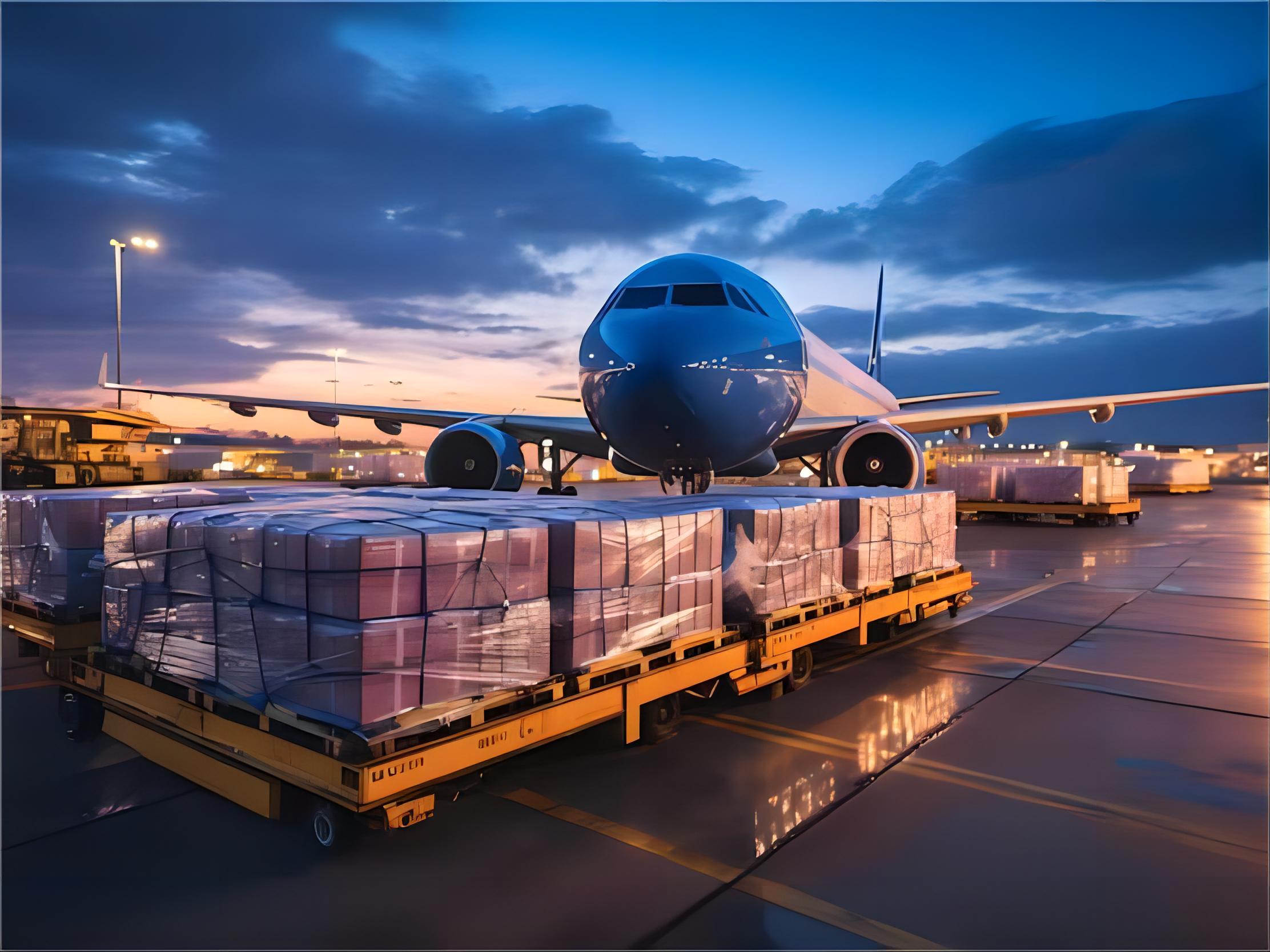
Case Study 2: Fresh Tilapia Fillets via Air Freight
| Detail | Description |
|---|---|
| Route | Hanoi, Vietnam Dallas/Fort Worth, USA |
| Cargo | Fresh Tilapia Fillets (chilled), 2 CBM, 800 kg |
| Container | Insulated air cargo containers |
| Shipping Details | Carrier: Cathay Pacific Cargo; Port of Loading: Noi Bai International Airport; Port of Discharge: DFW International Airport; Route Type: Direct |
| Cost Breakdown (Based on Q4 2024 market rates) | Air Freight: $4,500; Origin Charges: $300; Destination Charges: $250; Customs & Duties (estimated): $200; Total Landed Cost: $5,250 |
| Timeline | Booking to Loading: 2 days; Air Transit: 1 day; Customs Clearance: 1 day; Total Door-to-Door: 4 days |
| Key Insight | The high value and short shelf-life of fresh fish justified the premium cost of air freight. Pre-clearing customs and having dedicated ground transport at DFW were crucial for achieving a rapid door-to-door delivery, emphasizing the importance of efficient cargo handling. |
How Does Sea Freight Compare to Other Shipping Options?
When planning US import seafood from Vietnam, a critical decision involves selecting the most suitable shipping method. This choice directly impacts your budget, delivery timeline, and the condition of your perishable cargo. Therefore, a thorough comparison of all viable options is essential for strategic logistics planning.
Furthermore, various factors, including cargo volume, required transit time, and the specific type of seafood, dictate the optimal choice. For example, while sea freight is economical for bulk frozen goods, air freight is indispensable for highly perishable fresh products. Understanding these nuances helps in making informed decisions about freight rates and overall supply chain efficiency.
Comprehensive Shipping Method Comparison
| Shipping Method | Cost Range (per 40HQ/1000kg) | Transit Time (Vietnam to US West Coast) | Best For | Limitations |
|---|---|---|---|---|
| Sea Freight (FCL) | $3,500 – $5,500 / 40HQ | 20-30 days | Large volumes of frozen seafood, cost-conscious importers | Long transit times, port congestion risks |
| Sea Freight (LCL – Reefer) | $150 – $250 / CBM | 25-35 days | Smaller frozen seafood shipments (under 15 CBM), flexible volumes | Higher per-unit cost than FCL, potential for consolidation delays |
| Air Freight | $4,000 – $7,000 / 1000kg | 1-3 days | High-value, highly perishable fresh seafood, urgent orders | Significantly higher cost, volume restrictions, fuel surcharges |
Alternative Strategies and Hybrid Solutions
For certain scenarios, hybrid solutions like sea-air combinations can offer a balance. Initially, seafood travels by sea to a transshipment hub (e.g., Singapore, Dubai) and then by air to the US. This approach can reduce overall transit time compared to pure sea freight, yet it remains more cost-effective than direct air freight. It’s a strategic option for semi-perishable goods that need faster delivery than standard sea freight.
Furthermore, exploring different port options in Vietnam and the US can also yield benefits. For instance, using smaller, less congested ports might save time, despite potentially higher inland transportation costs. Moreover, utilizing different carriers for various legs of the journey can provide flexibility and improve delivery schedule reliability. These strategies are particularly effective for optimizing logistics for Vietnam seafood.
Which Option Should You Choose?
Your decision for US import seafood from Vietnam should align with your business priorities. If budget is the primary concern and cargo is frozen or has a long shelf life, sea freight (FCL for large volumes, LCL for smaller) is typically recommended. On the other hand, if speed and freshness are paramount, especially for high-value fresh fish, air freight is the unequivocal choice.
Additionally, cargo type considerations play a significant role; fragile or highly perishable items necessitate more specialized handling and faster transit. Volume thresholds also influence decisions; for example, shipments over 15 CBM often become more economical as FCL. Always conduct a thorough cost-benefit analysis considering all aspects of your supply chain and consult with experts in vietnam fisheries export.

Navigating Customs Clearance and Duties for US Import Seafood from Vietnam
Successfully clearing customs is a critical step for US import seafood from Vietnam. Proper documentation and a clear understanding of duty rates are essential to avoid delays and unexpected costs. Consequently, meticulous preparation ensures a smooth entry process for your products.
Moreover, engaging a professional customs broker can significantly ease this process. They possess the expertise to handle complex regulations, ensuring compliance with USDA requirements for Vietnam seafood and other agencies. This partnership can prevent costly errors and expedite the release of your cargo, which is vital for perishable goods.
Documentation Checklist
A comprehensive set of documents is required for customs clearance. This typically includes a commercial invoice, packing list, bill of lading (for sea freight) or air waybill (for air freight), and a certificate of origin. Furthermore, specific health certificates, HACCP certificates, and potentially NOAA forms are mandatory for seafood. Ensuring all documents are accurate and complete is key to reducing import risks Vietnam seafood.
Duty Rates and Trade Agreements
Import duties on Vietnam seafood vary depending on the Harmonized Tariff Schedule (HTS) code of the specific product. While many seafood products from Vietnam may qualify for reduced or duty-free entry under various trade preference programs, it’s crucial to verify the current rates. Consulting with a customs expert can help identify potential savings and ensure correct classification, impacting your overall import/export costs.
Conclusion: Mastering US Import Seafood from Vietnam
Successfully importing seafood from Vietnam to the US demands a comprehensive understanding of market dynamics, stringent regulations, and efficient logistics. From selecting the right shipping method to navigating complex customs procedures, every step is crucial for maintaining product quality and profitability. Indeed, strategic planning and reliable partnerships are foundational to a thriving seafood import business.
By prioritizing compliance, optimizing cold chain solutions, and leveraging expert freight forwarding services, businesses can confidently manage their US import seafood from Vietnam. This approach not only ensures product integrity but also fosters long-term success in a competitive market. Ultimately, a well-executed strategy turns potential challenges into significant opportunities.
Need a tailored shipping solution?
Are you ready to streamline your US import seafood from Vietnam operations? Contact us today for a personalized quote and expert guidance. Our team is equipped to handle all aspects of your logistics, ensuring your seafood arrives fresh and on time. Learn more about our services and let us help you navigate the complexities of international shipping.