

For many US importers working with Philippine suppliers, the biggest challenges often occur after the container arrives at the US port—not before. Because port congestion, slow drayage scheduling, chassis shortages, and unpredictable trucking capacity can disrupt the entire supply chain, businesses need a reliable system to keep cargo moving. This guide breaks down how a us import trucking and drayage combo philippines approach simplifies port operations, speeds inland delivery, reduces cost, and keeps your freight moving efficiently.

What Does "Trucking and Drayage Combo" Mean in US Imports?
A trucking and drayage combo integrates two essential steps:
- Drayage — Moving containers between port terminals and nearby CFS/ICDs or warehouses.
- Inland Trucking — Delivering containers or deconsolidated cargo to the final destination.
Moreover, combining these two services under one coordinated flow eliminates delays caused by disconnected carriers, poor dispatch communication, or mismatched appointment slots. Therefore, shippers benefit from improved operational visibility and fewer demurrage/detention risks.
Why Do Philippine Imports Need a Strong Drayage Strategy in the US?
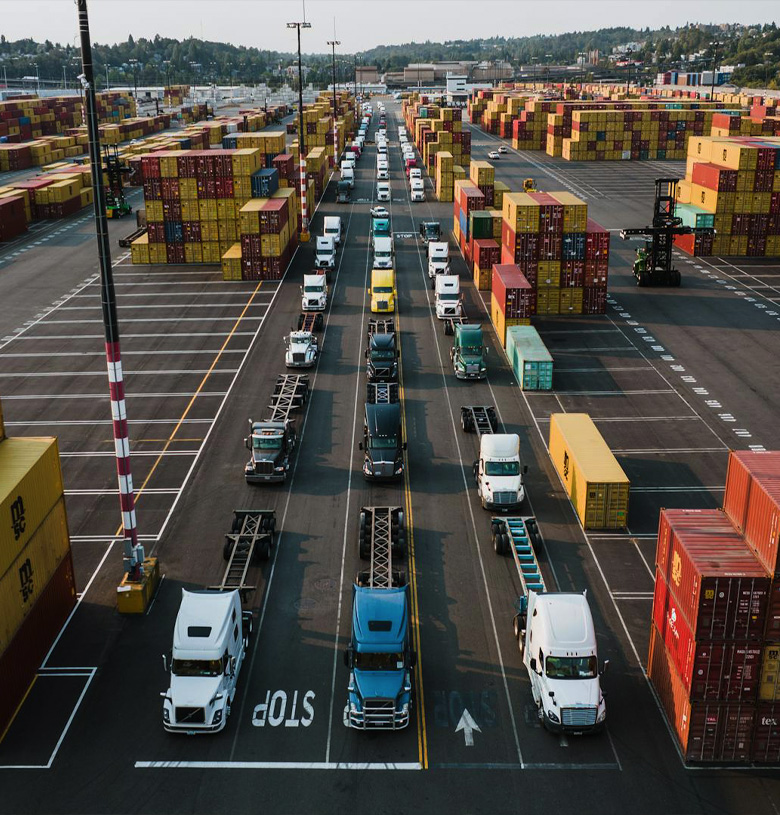
Because the US market experiences frequent port congestion—especially in Los Angeles, Long Beach, Oakland, Houston, and New York—Philippine shipments require seamless drayage coordination to avoid:
- Missed free-time windows
- Chassis shortages
- Driver unavailability
- Port queue delays
- Storage penalties
- Slow container release
Additionally, many Philippine shipments are LCL or mixed cargo, increasing the need for synchronized drayage and local trucking once the container is stripped at a CFS.
How Does the US Import Trucking and Drayage Combo Improve Efficiency?
A combo setup creates an integrated movement from port to final delivery. Furthermore, it ensures that container release, dispatch, chassis booking, and warehouse appointments follow a predictable schedule.
Combined Workflow Advantages
- Faster empty container returns
- Reduced demurrage and detention
- Shorter dwell time at terminals
- Smoother transition to inland trucking
- Lower administrative workload
- Better visibility for last-mile delivery
Because both operations are managed under one logistics team, communication becomes clearer and errors drop significantly.
What Types of Philippine Cargo Benefit Most From This Combo?
Different cargo types rely on drayage + trucking coordination for different reasons. Additionally, many Philippine exports to the US require careful timing or temperature stability.
Best-Fit Cargo Types
- Electronics and components
- Garments and textiles
- Furniture and home goods
- Canned food and packaged items
- Auto parts and accessories
- Industrial machinery
- E-commerce mixed SKUs
Since most Philippine exporters use LCL or 20GP containers, efficient drayage ensures fast release and earlier access to merchandise.
What Are the Drayage Options for US Importers?
Different drayage services fit different operational needs. Moreover, selecting the right one helps reduce cost and improve routing.
Drayage Service Comparison
| Drayage Type | Advantages | Best For |
|---|---|---|
| Pier Drayage | Direct port pickup | Quick terminal release |
| Intermodal Drayage | Rail + truck | Long-distance inland moves |
| Expedited Drayage | Priority dispatch | Urgent cargo |
| Shuttle Drayage | From port to nearby yard | Congested terminals |
| Cross-dock Drayage | Immediate breakdown | LCL/multi-SKU shipments |
Because many Philippine shipments involve multi-SKU consolidation, cross-dock drayage is especially valuable.
How Does Inland Trucking Integrate With the Drayage Flow?
Inland trucking moves cargo from the CFS, rail yard, or port warehouse to the final delivery point. Additionally, pairing inland trucking with drayage under one provider ensures:
- Guaranteed equipment availability
- Accurate delivery scheduling
- Better control of reload timing
- Route planning optimization
- Real-time tracking
Velotactlcs Logistics offers integrated trucking networks across major US regions, enabling faster cargo flow for Philippine importers.
How Much Does Drayage and Trucking Usually Cost?
Rates fluctuate based on distance, port location, fuel prices, and driver conditions. Nevertheless, here is a realistic overview.
Sample Cost Table
| Service | Typical Rate | Notes |
|---|---|---|
| Port Drayage (Short Haul) | $250–$450 | Within 25 miles |
| Drayage + Return | $350–$600 | Includes empty return |
| CFS Transfer | $90–$180 | LCL shipments |
| Inland Trucking (Local) | $300–$550 | Same-day drop |
| Regional Trucking | $900–$2,800 | Based on mileage |
Because combining both services under one provider removes duplicate fees, importers reduce cost significantly.
What Documents Are Required to Release a Philippine Shipment?
US import rules prioritize accuracy and timing. Additionally, poor documentation delays container release and scheduling.
Required Documents
| Document | Purpose |
|---|---|
| Bill of Lading | Shipment identification |
| Arrival Notice | Pickup instructions |
| ISF Filing | Required before ocean departure |
| Customs Entry | Clearance approval |
| Delivery Order | Authorizes drayage |
| CFS Release (LCL) | Confirms cargo readiness |
| Appointment Sheet | Gate-in or warehouse access |
Because incorrect filings can trigger exams, Velotactlcs Logistics performs a pre-clearance check for Philippine shipments.
Real Case Studies: US Import Trucking and Drayage Combo Philippines
- Cargo: Consumer electronics
- Volume: 3.9 CBM LCL
- Situation: Terminal congestion threatened free time
- Solution: Drayage truck dispatched within 4 hours + direct CFS transfer
- Outcome: Avoided $680 in demurrage
- Cargo: 1×40HQ
- Issue: Weekend vessel arrival, limited drivers
- Solution: Combo service with pre-booked chassis + Saturday pickup
- Outcome: Delivered in 36 hours, avoiding 2-day delay
- Cargo: Mixed LCL SKUs
- Issue: CFS backlog slowed retrieval
- Solution: Cross-dock drayage + split delivery
- Outcome: Saved 22 hours and reduced storage cost by $240
How Can Importers Reduce Drayage Delays?
Importers can strengthen their inland logistics by applying several proven steps:
- Prepare customs documents early
- Confirm delivery window before vessel arrival
- Reserve chassis in advance
- Use flexible trucking schedules
- Avoid peak-hour port pickups
- Work with a unified drayage + trucking provider
Because delays accumulate quickly, proper planning prevents unnecessary storage fees.

Why Velotactlcs Logistics Is a Strong Partner for US Drayage + Trucking
Velotactlcs Logistics provides integrated drayage and inland trucking solutions across major US ports—Los Angeles, Long Beach, Oakland, Seattle, Houston, Miami, New York, Newark, and Savannah.
Our advantages include:
- Priority carrier dispatch
- Real-time cargo tracking
- Port-to-door coordination
- LCL and FCL handling
- Chassis + container management
- 24/7 communication with terminals
- Cost-efficient routing
Because Philippine shipments often arrive in mixed volumes or require faster transloading, our combo model ensures your cargo moves without delay.
Conclusion
The us import trucking and drayage combo philippines model delivers faster port movements, smoother CFS transfers, better inventory availability, and significant cost savings for importers. When both operations work under one coordinated system, businesses avoid terminal delays, reduce paperwork mistakes, and achieve predictable delivery timelines. Velotactlcs Logistics provides end-to-end visibility and reliable dispatch support, ensuring your Philippine shipments reach their final destination without disruption.
Need a quote?
Ready to get started? Contact us now to request a free shipping quote.
Frequently Asked Questions (FAQ)
Port congestion, chassis shortages, and incomplete paperwork are the main causes.
Yes, but a combined provider reduces delays and communication gaps.
LCL cargo requires CFS transfer, so coordinated drayage is essential.
Booking 2–3 days before vessel arrival ensures faster dispatch.
Sometimes, but many ports charge separately depending on availability.