
Table of Contents
Global trade powers the American economy — but understanding the US import vs export difference is vital for businesses involved in cross-border logistics. Imports bring goods into the U.S., while exports send them abroad, each with unique customs, documentation, and shipping procedures. At VELOTACTICS LOGISTICS, we help importers and exporters navigate both sides of international freight through efficient, compliant, and cost-effective solutions.
What Is the Main Difference Between Import and Export?
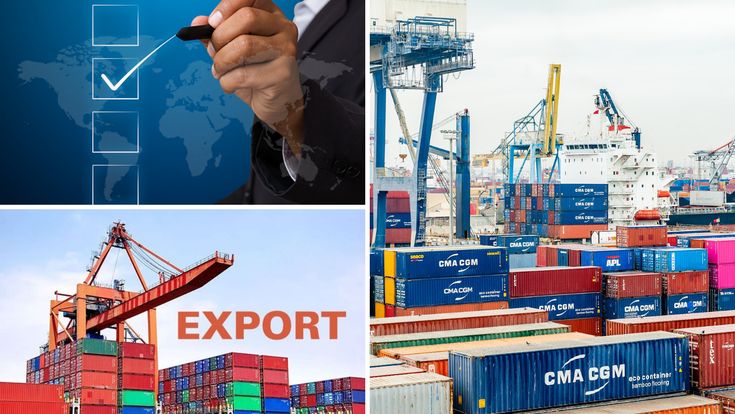
The primary difference lies in the direction of trade. Imports involve goods brought into the U.S. for domestic use, while exports involve goods sent out to foreign markets. Both require logistics coordination, but importers face more compliance with U.S. Customs and Border Protection (CBP), while exporters follow regulations by the Bureau of Industry and Security (BIS).
| Category | Import | Export |
|---|---|---|
| Definition | Goods entering the U.S. | Goods leaving the U.S. |
| Main Authority | U.S. Customs and Border Protection (CBP) | Bureau of Industry and Security (BIS) |
| Key Concern | Duty, taxes, compliance | Export licensing, destination control |
| Required Documents | Commercial invoice, bill of lading, customs bond | Shipper’s export declaration, export license |
| Common Freight Modes | Sea, air, express | Air, sea, rail |
Imports and exports complement each other — balancing the U.S. trade system and shaping logistics trends worldwide.
How Does the US Import Process Work?
The U.S. import process starts with shipment booking, customs entry filing, and ends with delivery to the consignee’s location.
| Step | Process | Responsible Party |
|---|---|---|
| 1 | Purchase goods from a foreign supplier | Importer |
| 2 | File Import Security Filing (ISF) | Broker / Importer |
| 3 | Ship goods to the U.S. port | Freight Forwarder |
| 4 | Customs clearance and duty payment | Customs Brokerage |
| 5 | Final inland delivery | Door To Door / Trucker |
VELOTACTICS coordinates end-to-end import workflows — from documentation to customs release — ensuring compliance and timely delivery.
👉 Avoid import delays with expert support — Send Inquiry →
How Does the US Export Process Differ?
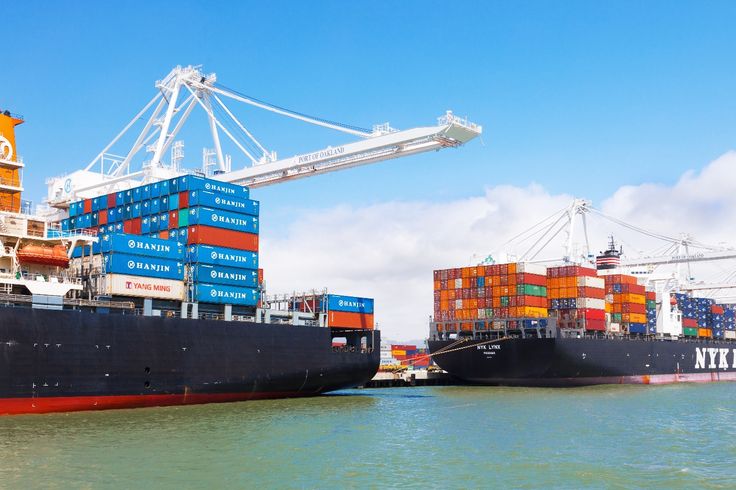
Exports focus on compliance with foreign trade rules, transportation to the destination country, and obtaining export licenses when required.
| Step | Process | Responsible Party |
|---|---|---|
| 1 | Prepare goods and commercial invoice | Exporter |
| 2 | Determine export control classification | Exporter / Broker |
| 3 | File Electronic Export Information (EEI) | Freight Forwarder |
| 4 | Transport goods to departure port | Sea Freight / Air Freight |
| 5 | Clearance at foreign customs | Overseas agent |
Export logistics require careful coordination to prevent penalties, especially for controlled goods like electronics or defense equipment.
What Are the Key Regulatory Authorities?
| Trade Type | Regulatory Agency | Main Function |
|---|---|---|
| Imports | CBP | Enforces U.S. import laws, collects duties |
| Imports | FDA / USDA / EPA | Oversees product safety and compliance |
| Exports | BIS | Controls export licenses and restrictions |
| Exports | U.S. Census Bureau | Monitors export data reporting |
These agencies ensure that both importers and exporters comply with safety, tariff, and documentation laws under the U.S. Trade Act.
Comparing Shipping Costs: Import vs Export
| Freight Mode | Import Average Cost | Export Average Cost | Transit Time |
|---|---|---|---|
| Sea Freight (40ft) | $1,500–$2,200 | $1,200–$1,800 | 25–40 days |
| Air Freight (per kg) | $4.50–$8.00 | $3.50–$6.50 | 3–7 days |
| Express Courier | $8.00–$10.00 | $6.00–$9.00 | 2–5 days |
| Rail Freight | $3,000–$4,500 per container | $2,800–$4,000 | 12–20 days |
Imports generally incur more charges due to duties and customs bonds, whereas exports involve fewer fees but require compliance with foreign import regulations.
For detailed pricing, visit our Import Service and Export Support.
Common Documents: Imports vs Exports
| Document | Import Use | Export Use |
|---|---|---|
| Commercial Invoice | Declares value and content | Declares value and content |
| Packing List | Describes packaging details | Describes packaging details |
| Bill of Lading / Air Waybill | Proof of shipment | Proof of export |
| Customs Bond | Ensures duties are paid | Not required |
| Certificate of Origin | Confirms manufacturing country | Confirms product source |
| Export License | Not required | Required for restricted items |
Proper document handling ensures customs release without costly delays. Our experts offer tailored document verification through Service.
What Are the Tax and Duty Differences?
Import duties apply to goods entering the U.S., while exports typically enjoy tax exemptions or rebates.
| Tax Type | Import | Export |
|---|---|---|
| Customs Duty | 0–25% (depends on HS code) | None |
| Merchandise Processing Fee | 0.3464% of value | None |
| Harbor Maintenance Fee | 0.125% for sea imports | None |
| Export Incentives | None | May qualify for rebates |
For instance, furniture imported from Asia incurs a 10% duty, whereas U.S.-made machinery exported to Europe may qualify for tariff exemptions under trade agreements.
Logistics Complexity: Which Is More Challenging?
Imports are more complex due to the number of compliance checks at entry points, while exports demand accuracy in classification and documentation.
| Factor | Import | Export |
|---|---|---|
| Customs Involvement | High | Moderate |
| Inspection Likelihood | Frequent | Occasional |
| Compliance Risk | Higher | Moderate |
| Time to Clear | 2–5 days | 1–3 days |
Importers often work closely with Customs Brokerage providers to prevent penalties, while exporters rely on freight forwarders for overseas coordination.
👉 Simplify compliance and customs — Send Inquiry →
Case Study: Electronics Import vs Export
A California tech company imports components from South Korea and exports finished devices to Europe.
Import Phase:
- CBP clearance under HTS Code 8471.
- 5% duty + 0.3464% MPF applied.
- Delivery to warehouse via Door To Door.
Export Phase:
- BIS license exemption under EAR99.
- EEI filing completed in 30 minutes.
- Air shipment to Frankfurt with Air Freight.
Result: 100% on-time customs compliance and 20% logistics cost reduction through integrated import–export management.
Role of Logistics Partners in Imports and Exports
Partnering with a global freight forwarder like VELOTACTICS ensures your trade operations run smoothly.
Our Services Include:
- End-to-end shipment visibility.
- Customs and compliance management.
- Warehousing and inventory control.
- Cargo insurance for all freight types.
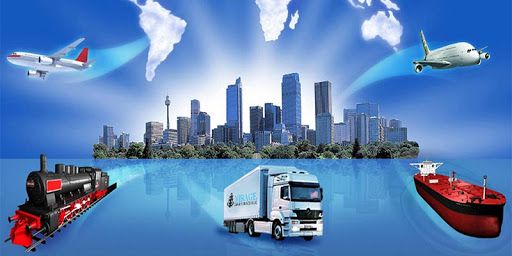
- Multimodal coordination (air, sea, and rail).
By leveraging technology and regional expertise, VELOTACTICS reduces costs while maintaining customs accuracy.

Conclusion:
Understanding the US import vs export difference is essential for businesses engaged in international trade. Imports focus on bringing goods into the country with customs duties and complex documentation, while exports send goods abroad under specific licensing rules. With VELOTACTICS LOGISTICS as your trusted partner, importers and exporters can streamline compliance, reduce shipping costs, and expand global reach confidently.
Get a Quote
Simplify your cross-border trade with expert import and export management.
Get your personalized logistics quote in less than 24 hours.
Trusted by 5,000+ global businesses.
FAQ
Imports bring goods into the U.S., while exports send goods abroad. The direction of trade defines their process.
Yes, but imports are inspected more thoroughly by U.S. Customs, while exports follow licensing rules.
No, exports are generally tax-exempt, though destination countries may charge import duties.
Sea freight is ideal for bulk imports; air freight fits high-value or urgent shipments.
Commercial invoice, packing list, and Electronic Export Information (EEI) are required.
Yes, VELOTACTICS LOGISTICS offers integrated import–export services with full customs and freight support.